
The Persian Gulf War, a swift and decisive conflict codenamed Operation Desert Storm, remains a pivotal moment in modern military history not only for its geopolitical ramifications but also for the unprecedented demonstration of advanced military technology. The coalition forces, overwhelmingly led by the United States and its allies, leveraged a suite of cutting-edge systems that showcased a paradigm shift in warfare. From the skies to the ground, and in the invisible realm of electronic warfare, the technological superiority of the coalition was undeniable, shaping the battlefield and minimizing friendly casualties. This era marked a transition towards a more precise, information-driven, and technologically integrated approach to modern combat.
The effectiveness of Operation Desert Storm was significantly amplified by the widespread and sophisticated use of Precision Guided Munitions, or PGMs. These “smart bombs” represented a quantum leap over the unguided “dumb bombs” of previous conflicts, allowing for attacks on specific targets with a much higher degree of accuracy and a reduced risk of collateral damage. The impact of PGMs extended beyond mere lethality; it fundamentally altered targeting strategies and the very perception of airpower.
Laser-Guided Bombs (LGBs)
One of the most prominent PGMs deployed was the Laser-Guided Bomb (LGB). These munitions, such as the GBU-10, GBU-12, and GBU-24 variants, utilized a laser designator, often carried by aircraft or ground troops, to illuminate the target. The bomb, equipped with a seeker head, would then lock onto the reflected laser energy and guide itself towards the illuminated point. This allowed for remarkable accuracy, enabling pilots to engage targets from higher altitudes and with less risk. The success of LGBs in striking hardened command centers, bridges, and other critical infrastructure demonstrated their capability to neutralize high-value assets with a single, well-placed strike. The psychological impact on the Iraqi forces was also significant, as they witnessed the near-surgical precision of coalition airpower, leading to a demoralization that contributed to their rapid collapse. The ability to consistently hit intended targets, even in adverse weather conditions with the help of advanced seeker technology, underscored the maturity of the LGB technology during Desert Storm.
Infrared and Television-Guided Munitions
Beyond laser guidance, other forms of terminal guidance were also effectively employed. Infrared (IR) guided missiles and bombs, though not as prevalent in the initial phases as LGBs, offered an alternative for targeting heat signatures. Similarly, television-guided bombs, which transmitted live video feeds of the target to the pilot for terminal guidance, provided another layer of precision and control, especially in visually clear conditions. While these systems might seem rudimentary by today’s standards, their integration and reliability during Desert Storm were groundbreaking, showcasing a growing understanding of how different sensor technologies could be fused for enhanced targeting. The development and deployment of these varied PGM types highlighted the coalition’s commitment to developing a diverse and adaptable precision strike capability.
The Role of GPS in Enhanced Accuracy
The burgeoning Global Positioning System (GPS) played a more nascent but crucial role in augmenting the accuracy of conventional and guided munitions. While widespread integration into all munitions was still in its early stages, GPS receivers were increasingly being incorporated into certain bombs and even artillery shells. This enabled unaided in-flight course corrections, further refining the ballistic trajectory of unguided munitions and providing essential positional data for guided systems. The ongoing development of GPS technology during this period laid the groundwork for the ubiquitous integration seen in modern warfare, making even unguided munitions significantly more accurate and cost-effective than their predecessors. The synergy between GPS and other guidance systems was a critical factor in the overwhelming success of coalition airpower.
The advancements in military technology during Operation Desert Storm significantly reshaped modern warfare, showcasing the effectiveness of precision-guided munitions and advanced communication systems. For a deeper understanding of these technological innovations and their impact on military strategy, you can read a related article on this topic at In The War Room.
Stealth Technology: The Invisible Shield and Sword
The introduction and extensive use of stealth aircraft, most notably the F-117 Nighthawk and the B-2 Spirit bomber, marked a revolutionary advancement in air warfare. These aircraft were designed to evade radar detection, allowing them to penetrate heavily defended airspace with unprecedented freedom. Their presence and effectiveness in Desert Storm fundamentally altered the operational calculus, demonstrating the strategic advantage of being able to strike with impunity.
The F-117 Nighthawk: The “Black Jet” in Action
The F-117 Nighthawk, a single-seat, twin-engine stealth attack aircraft, became an icon of the war. Its angular, faceted design was engineered to scatter radar waves, making it virtually invisible to conventional radar systems. During Desert Storm, F-117s flew over 1,200 sorties, achieving a nearly perfect mission reliability rate. They were instrumental in neutralizing Iraqi air defenses, command and control centers, and strategic infrastructure. The F-117’s ability to operate deep within enemy territory without being detected allowed for precision strikes on high-value targets that would have been exceptionally dangerous for conventional aircraft. This demonstrated the culmination of years of research and development in low-observable technology, proving that stealth was not merely theoretical but a tangible and decisive battlefield advantage. The psychological impact of knowing that an unseen enemy could strike at any moment was a significant factor in the demoralization of Iraqi forces.
The B-2 Spirit: The Strategic Bomber Reimagined
While the F-117 was the workhorse of stealth strikes, the B-2 Spirit, a flying wing strategic bomber, also made its operational debut during the conflict. Though its deployment was more limited due to its nascent status, the B-2’s ability to evade radar and deliver a substantial payload of conventional or guided munitions deep into hostile territory showcased the future of strategic bombing. The B-2’s contribution, even if smaller in scale than the F-117’s, further solidified the importance of stealth in denying the enemy any real defensive capability against superior airpower. The long-range, all-weather capability of the B-2, combined with its low observability, represented a significant stride in the evolution of strategic deterrence and offensive capability.
The Importance of Radar Absorbent Materials (RAM)
The underlying principle of stealth technology relies heavily on the innovative use of Radar Absorbent Materials (RAM). These specialized coatings and structural materials are designed to absorb radar energy, reducing the amount of energy that is reflected back to the radar receiver. The meticulous application of RAM to the airframes of stealth aircraft was a critical factor in their low-observable characteristics. The development and refinement of these materials were a testament to the interdisciplinary nature of technological advancement in military applications, combining materials science with aerodynamic design. The success of these materials in Desert Storm spurred further research and development in the field, setting the stage for even more advanced stealth platforms in the future.
Communication and Information Warfare: The Electronic Battlefield
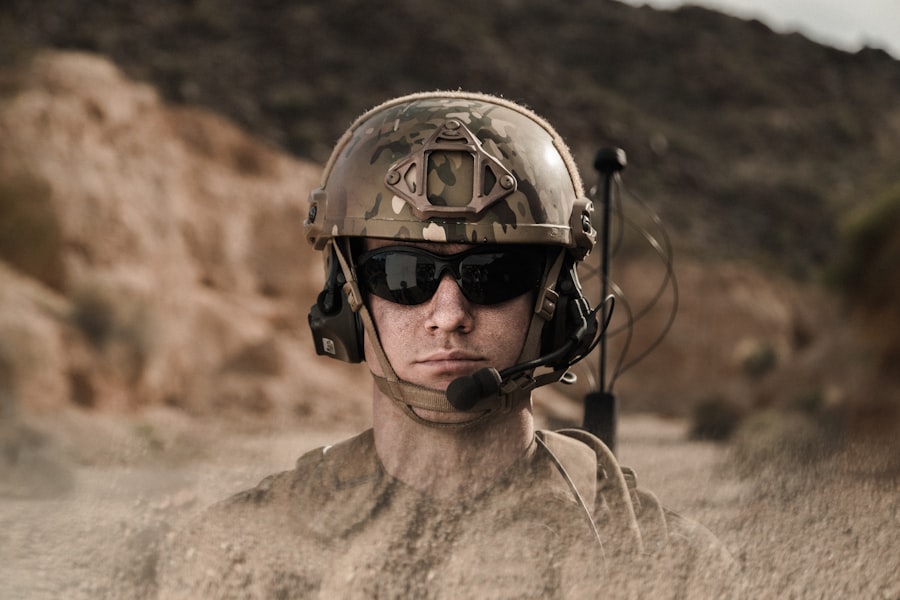
Operation Desert Storm was as much a battle fought in the electromagnetic spectrum as it was with physical weapons. The coalition forces demonstrated a sophisticated understanding and application of electronic warfare and advanced communication systems, allowing for seamless coordination and the disruption of enemy command and control. This aspect of the war highlighted the growing importance of information dominance on the modern battlefield.
Satellite Communications (SATCOM) and Secure Networks
The reliable and robust communication infrastructure provided by satellite technology was a cornerstone of the coalition’s success. Secure satellite communication networks (SATCOM) enabled commanders to maintain constant contact with units across vast distances, facilitating rapid decision-making and the effective coordination of air and ground operations. This ensured that intelligence, orders, and tactical updates were disseminated quickly and securely, a critical advantage over the Iraqi forces, whose communication systems were often rudimentary and vulnerable. The integration of encrypted digital communications further enhanced the security of these vital information flows. The reliance on SATCOM underscored the increasing interconnectedness of military operations in a globalized battlefield.
Electronic Warfare (EW) and Jamming Capabilities
The coalition’s superiority in electronic warfare (EW) capabilities was a significant factor in degrading the Iraqi military’s ability to operate effectively. Aircraft equipped with advanced electronic countermeasures (ECM) systems, such as the EC-130H Compass Call and specialized pods on fighter jets, were used to jam Iraqi radar, communication frequencies, and electronic systems. This blindfolding and deafening of the enemy allowed coalition aircraft to penetrate heavily defended areas with reduced risk. Furthermore, electronic support measures (ESM) allowed coalition forces to detect, identify, and locate enemy electronic emissions, providing valuable intelligence on their disposition and intentions. The skillful employment of EW systems disrupted Iraqi defensive networks and contributed to the overall air superiority achieved by the coalition.
Unmanned Aerial Vehicles (UAVs) for Reconnaissance and Surveillance
The deployment of Unmanned Aerial Vehicles (UAVs), such as the RQ-2 Pioneer and the RQ-1 Predator (though the latter’s widespread combat role was more prominent in later conflicts), marked an early but significant step towards the utilization of autonomous systems for reconnaissance and surveillance. These UAVs provided persistent, real-time intelligence gathering without putting pilots at risk. They were invaluable for battlefield assessment, targeting verification, and monitoring enemy movements. The data collected by UAVs was fed into the coalition’s command and control networks, enhancing situational awareness and enabling more informed tactical decisions. The early success of UAVs hinted at the future role of unmanned systems in all facets of military operations.
Armored Warfare Evolution: The Abrams and Beyond

While often overshadowed by airpower, the land campaign in Operation Desert Storm also witnessed significant advancements in armored warfare. The M1 Abrams main battle tank, already a formidable platform, proved its mettle in its first large-scale combat deployment, showcasing its speed, firepower, and survivability.
The M1 Abrams: Dominance on the Ground
The M1 Abrams, particularly the M1A1 variant, was the backbone of the coalition’s armored forces. Its powerful 120mm smoothbore gun, advanced composite armor, and formidable gas turbine engine made it superior to its Iraqi counterparts, which largely consisted of Soviet-era T-55 and T-72 tanks. The Abrams’ thermal sights and advanced fire control systems allowed it to engage and destroy enemy armor at ranges where Iraqi tanks were effectively blind. Its speed and maneuverability on the desert terrain, combined with its robust defensive capabilities, ensured its dominance. The “cautious” yet effective employment of armor by coalition forces, leveraging their technological advantage, proved devastating against the Iraqi ground forces. The lessons learned from these engagements further refined tactics and doctrines for armored operations.
Advanced Fire Control Systems and Thermal Imaging
The sophistication of fire control systems and thermal imaging technology on coalition armored vehicles was a critical differentiator. These systems allowed tank crews to accurately identify, track, and engage targets in all weather conditions and at night, a stark contrast to the limitations faced by Iraqi tanks. The ability to see enemy heat signatures through smoke and dust, and to accurately calculate firing solutions at long ranges, provided a decisive tactical advantage. The integration of these technologies into the M1 Abrams and other coalition vehicles was a testament to the ongoing evolution of battlefield awareness and engagement capabilities. This level of situational awareness empowered tank crews to act decisively and with confidence.
Mine-Clearing Technology and Obstacle Breaching
The desert environment presented its own challenges, including extensive minefields laid by Iraqi forces. Coalition engineers deployed advanced mine-clearing equipment, such as the Armored Vehicle Launched Bridge (AVLB) and specialized mine plows, to create safe passage for advancing armor. Obstacle breaching capabilities were also enhanced, allowing for rapid progress through enemy defenses. While less glamorous than advances in targeting or stealth, these logistical and engineering innovations were crucial for the momentum and success of the ground offensive, underscoring the importance of combined arms operations and the technological support required for them. The efficient breaching of defenses minimized delays and maximized the impact of the coalition’s superior mobility.
The advancements in military technology during Operation Desert Storm played a crucial role in shaping modern warfare strategies. For a deeper understanding of how these innovations influenced combat effectiveness, you can explore a related article that discusses the impact of precision-guided munitions and stealth technology. This article highlights the significant changes in military tactics that emerged from the lessons learned during the conflict. To read more about these developments, visit this insightful piece that examines the evolution of military capabilities in the wake of Desert Storm.
Intelligence, Surveillance, and Reconnaissance (ISR): The Eyes and Ears of the Coalition
| Technology | Details |
|---|---|
| M1 Abrams Tank | Main battle tank used by the US Army, known for its firepower and armor protection |
| F-117 Nighthawk | Stealth aircraft used for precision bombing missions |
| Patriot Missile System | Surface-to-air missile system used for defense against aircraft and missiles |
| Apache Helicopter | Attack helicopter used for close air support and anti-tank missions |
Perhaps the most pervasive and impactful technological advancement demonstrated in Desert Storm was the integrated suite of Intelligence, Surveillance, and Reconnaissance (ISR) capabilities. This intricate network of sensors, platforms, and data processing allowed the coalition to possess an unparalleled understanding of the battlefield, enabling precise targeting and informed strategic decision-making.
Satellite Imagery and Real-Time Intelligence
The extensive use of reconnaissance satellites provided high-resolution imagery of Iraqi military installations, troop movements, and infrastructure. This real-time and near-real-time intelligence was crucial for identifying targets, assessing enemy strength, and monitoring the effectiveness of coalition strikes. The ability to obtain detailed photographic evidence, often within hours of an event, revolutionized intelligence gathering and dissemination. This capability allowed for a dynamic response to evolving battlefield conditions, a significant improvement over the slower intelligence cycles of previous conflicts. The sheer volume and quality of satellite data available were unprecedented.
Airborne Early Warning and Control (AEW&C) Aircraft
Aircraft such as the E-3 Sentry Airborne Warning and Control System (AWACS) played a vital role in maintaining air superiority. These flying command centers provided a comprehensive picture of the airspace, tracking friendly and enemy aircraft, coordinating air traffic, and directing fighter intercepts. Their ability to extend radar coverage far beyond the horizon and to manage complex air operations was indispensable. The AWACS effectively acted as the eyes and ears of the air campaign, ensuring that coalition aircraft operated with maximum efficiency and safety. The integration of advanced radar and communication systems on these platforms was a testament to their critical role.
Ground-Based Sensors and Reconnaissance Patrols
Beyond aerial and space-based assets, ground-based sensors and reconnaissance patrols also contributed significantly to the ISR effort. Forward-looking infrared (FLIR) sensors mounted on reconnaissance vehicles and aircraft, along with sophisticated listening posts and signals intelligence (SIGINT) gathering platforms, provided valuable ground-level intelligence. Special Operations Forces, often utilizing advanced night vision devices and secure communication equipment, conducted deep reconnaissance missions, gathering human intelligence and providing vital insights into enemy intentions and dispositions. The multi-layered approach to ISR ensured that the coalition had a comprehensive understanding of the battlefield from the strategic to the tactical level. The constant flow of varied intelligence streams allowed for a very clear and actionable picture of the operational environment.
In conclusion, Operation Desert Storm was a watershed moment in military technology. The synergistic integration of Precision Guided Munitions, stealth aircraft, advanced communication and electronic warfare systems, modernized armored vehicles, and a sophisticated ISR network demonstrated a profound shift in the nature of warfare. This conflict served as a stark preview of the technologically driven conflicts that would dominate the 21st century, irrevocably altering military doctrine, strategy, and the pursuit of technological superiority on the global stage. The lessons learned and the platforms deployed during Desert Storm laid the foundation for many of the military capabilities that define modern armed forces today.

The Hidden Weakness Behind Modern Warfare
FAQs
What was the Desert Storm military technology used in the Gulf War?
The Desert Storm military technology used in the Gulf War included advanced aircraft such as the F-117 Nighthawk stealth fighter, precision-guided munitions, satellite communication systems, and advanced surveillance and reconnaissance technology.
How did the Desert Storm military technology impact the outcome of the Gulf War?
The Desert Storm military technology played a significant role in the outcome of the Gulf War by providing the coalition forces with superior firepower, precision targeting capabilities, and advanced communication systems, which ultimately led to the swift and decisive victory over Iraqi forces.
What advancements in military technology were showcased during Desert Storm?
Desert Storm showcased advancements in military technology such as stealth aircraft, precision-guided munitions, satellite communication systems, and real-time surveillance and reconnaissance capabilities, which revolutionized modern warfare and set new standards for military operations.
How did the use of military technology in Desert Storm change the future of warfare?
The use of military technology in Desert Storm changed the future of warfare by demonstrating the effectiveness of precision targeting, advanced communication systems, and real-time intelligence gathering, leading to a shift towards more technologically advanced and network-centric warfare strategies.
What lessons were learned from the use of military technology in Desert Storm?
The use of military technology in Desert Storm highlighted the importance of investing in advanced weaponry, intelligence, and communication systems, as well as the need for continuous innovation and adaptation to stay ahead in modern warfare.