The landscape of conflict is undergoing a profound metamorphosis. As technological innovation accelerates at an unprecedented pace, the very nature of warfare is being redefined, shifting from the kinetic clashes of traditional battlefields to a more intricate, multi-domain, and information-centric arena. This evolution is not merely about acquiring more sophisticated weaponry; it encompasses fundamental changes in strategy, doctrine, and the human element of combat. Understanding the advancements and their far-reaching implications is paramount for nations seeking to maintain security and deter aggression in the 21st century.
Artificial intelligence (AI) is arguably the most transformative force shaping the future of modern warfare. Its potential permeates every facet of military operations, from intelligence gathering and logistics to the direct execution of combat roles. The integration of AI promises to enhance decision-making speed, improve operational efficiency, and reduce human risk in hazardous environments. However, it also introduces complex ethical dilemmas and strategic challenges that demand careful consideration.
Lethal Autonomous Weapons Systems (LAWS)
The development of Lethal Autonomous Weapons Systems (LAWS) represents a significant, and highly contentious, frontier in AI’s military application. These systems, capable of identifying, selecting, and engaging targets without direct human intervention, raise profound questions about accountability, proportionality, and the very definition of human control in warfare. Proponents argue that LAWS can react faster than humans, are less susceptible to emotion-induced errors, and can operate in environments too dangerous for soldiers. Critics, however, voice grave concerns about the potential for unintended escalation, the erosion of human judgment in life-or-death decisions, and the possibility of algorithmic bias leading to indiscriminate targeting. The debate surrounding LAWS is not merely about hardware; it is a fundamental discussion about the moral boundaries of conflict and the role of humanity in its resolution. The implications extend beyond the battlefield, potentially triggering a new arms race and necessitating international treaties to govern their development and deployment.
AI-Driven Intelligence, Surveillance, and Reconnaissance (ISR)
Beyond the direct application of force, AI is revolutionizing intelligence, surveillance, and reconnaissance (ISR) capabilities. Algorithms can now sift through vast oceans of data – satellite imagery, intercepted communications, social media feeds – with a speed and accuracy far exceeding human capacity. This allows for more rapid identification of threats, predictive analysis of enemy movements, and enhanced situational awareness. Machine learning models can identify patterns and anomalies that might otherwise go unnoticed, providing commanders with a clearer, more timely understanding of the operational environment. This capability is crucial for early warning, force protection, and the development of effective countermeasures against evolving threats. The implication is a strategic advantage for those who can effectively leverage AI for ISR, potentially creating an intelligence gap between technologically advanced nations and those that lag behind.
Optimization of Command and Control (C2) and Logistics
AI’s influence extends to the administrative and logistical arteries of military power. AI systems can optimize complex logistical chains, predict equipment failures, and manage resource allocation with unprecedented efficiency. This proactive approach to maintenance and supply can significantly reduce downtime and ensure that forces are always combat-ready. Furthermore, AI can enhance command and control (C2) systems by processing information from multiple sources and presenting actionable insights to commanders, thereby enabling faster and more informed decision-making. This integration of AI into C2 aims to create a more responsive and adaptable military organization, capable of operating effectively in rapidly changing scenarios. The impact on operational effectiveness is substantial, promising to streamline operations and reduce the friction of war.
As we explore the evolving landscape of modern warfare, it’s essential to consider the implications of emerging technologies and strategies. A related article that delves into these themes is available at this link: The Future of Modern Warfare. This piece discusses how advancements in artificial intelligence, cyber warfare, and unmanned systems are reshaping military tactics and strategies, providing valuable insights into what the battlefield of tomorrow may look like.
The Cyber Domain: The Invisible Frontline
The digital realm has transformed from a supplementary battleground into a primary theater of operations, often preceding and influencing physical engagements. Cyber warfare encompasses a broad spectrum of activities, from espionage and sabotage to the disruption of critical infrastructure, all conducted through the pervasive interconnectedness of modern society. The future of warfare will be inextricably linked to the strength and resilience of a nation’s cyber defenses and its offensive capabilities in this domain.
Offensive Cyber Operations and Disruption
Offensive cyber operations can achieve strategic objectives without firing a single shot. By targeting an adversary’s critical infrastructure, such as power grids, financial systems, or communication networks, hostile actors can sow chaos, undermine an economy, and cripple a nation’s ability to wage war. Sophisticated cyber tools can also be used for espionage, exfiltrating sensitive military plans, technological secrets, or political intelligence. The increasing reliance on digital systems by all aspects of society – military and civilian – makes governments and their adversaries increasingly vulnerable to these forms of attack. The implications are vast, blurring the lines between wartime and peacetime and requiring a constant state of vigilance.
Defensive Cyber Strategies and Resilience
In response to the growing threat, defensive cyber strategies are evolving rapidly. Nations are investing heavily in cybersecurity infrastructure, developing advanced threat detection systems, and training specialized cyber forces. The focus is shifting towards building resilience – the ability to withstand or rapidly recover from a cyber attack. This includes developing redundant systems, implementing robust encryption protocols, and fostering a culture of cybersecurity awareness throughout the military and critical civilian sectors. The arms race in cyberspace is continuous, with attackers constantly developing new methods and defenders striving to outpace them. Failure to adequately address cyber threats can lead to devastating consequences, from economic collapse to the loss of strategic advantage.
The Intersection of Cyber and Kinetic Warfare
The future of warfare will increasingly see the cyber and kinetic domains integrated. A kinetic strike might be preceded by a sophisticated cyber attack designed to disable air defenses, blind radar systems, or disrupt enemy communications, thus facilitating a more successful physical assault. Conversely, cyber operations can be used to amplify the effects of kinetic actions, for example, by spreading disinformation or propaganda to demoralize enemy forces or civilian populations. This convergence means that military planning must consider both domains holistically. A successful military campaign will likely require a coordinated effort across multiple domains, where cyber operations are not merely an adjunct but an integral component of the overall strategy.
The Expanding Battlefield: Multi-Domain Operations
The traditional concept of warfare, confined to land, sea, and air, has become obsolete. Future conflicts will be fought across an expanded array of domains, including space and the cyber realm. Achieving dominance requires the seamless integration and synchronized application of capabilities across all these environments, a concept known as multi-domain operations (MDO). This approach recognizes that success in one domain can be amplified by synergistic actions in others, creating a cumulative effect that overwhelms the adversary.
Space as a Critical Domain
The militarization of space has accelerated, with nations increasingly relying on satellites for communication, navigation, intelligence gathering, and early warning. This reliance, however, also makes space a vulnerable domain. The development of anti-satellite weapons (ASAT) capable of disabling or destroying enemy satellites poses a significant threat to global stability. Future warfare could involve attacks on satellite constellations, disrupting global communication and navigation systems, with cascading effects on military and civilian infrastructure. Conversely, space-based assets will be crucial for enabling operations in other domains, such as providing targeting data for precision-guided munitions or facilitating secure communications for ground forces.
Information Warfare and Cognitive Operations
Beyond the physical and digital, the battlefield of the mind is becoming increasingly critical. Information warfare encompasses the deliberate manipulation of information and narratives to influence the perceptions, beliefs, and behaviors of target audiences. This can include the dissemination of propaganda, disinformation campaigns, and the exploitation of social media to sow discord, erode trust, and undermine an adversary’s will to fight. Cognitive operations aim to exploit psychological vulnerabilities and influence decision-making processes at both individual and societal levels. The implications are profound, as the ability to win the information war can be as decisive as winning on the physical battlefield. This requires a sophisticated understanding of psychology, sociology, and communication strategies.
The Convergence of Domains and Joint Operations
The true power of multi-domain operations lies in the synergistic convergence of these disparate domains. For example, an aerial reconnaissance drone in space could provide real-time targeting data to a cyber operation that disrupts enemy electronic warfare capabilities, paving the way for a kinetic strike by a naval vessel. This seamless integration requires advanced command and control systems that can process information from across all domains and coordinate actions effectively. Joint operations, involving the coordinated efforts of different military branches, must be re-envisioned to encompass not just land, sea, and air, but also space and the cyber realm. The development of interoperable systems and seamless communication protocols is paramount to achieving this integrated approach.
The Evolving Human Element: Soldiering in the Future

Despite the rise of automation and AI, the human soldier remains at the heart of warfare, albeit in a dramatically altered role. Future combatants will be augmented by technology, tasked with operating increasingly complex systems, and facing psychological challenges that are unique to the modern, information-saturated battlefield. The nature of military training, leadership, and the psychological well-being of personnel will undergo significant transformations.
Augmented Soldiers and Human-Machine Teaming
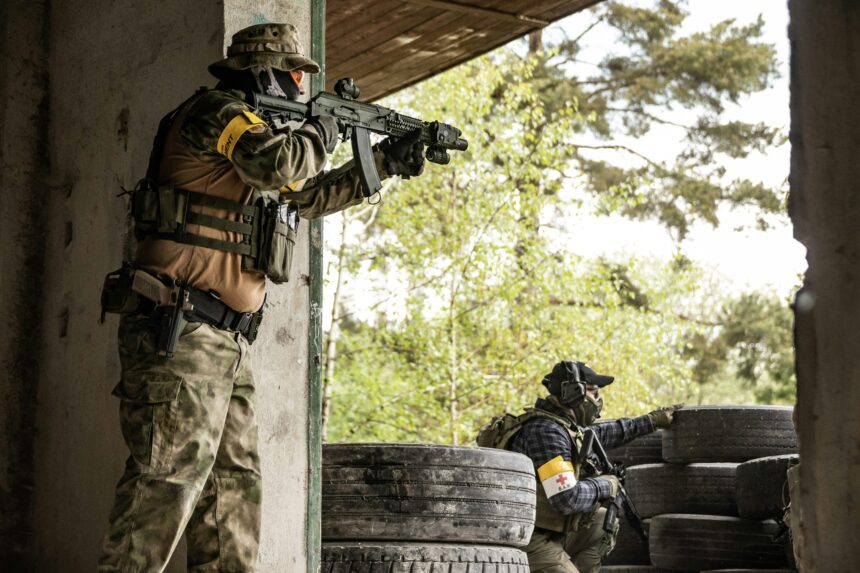
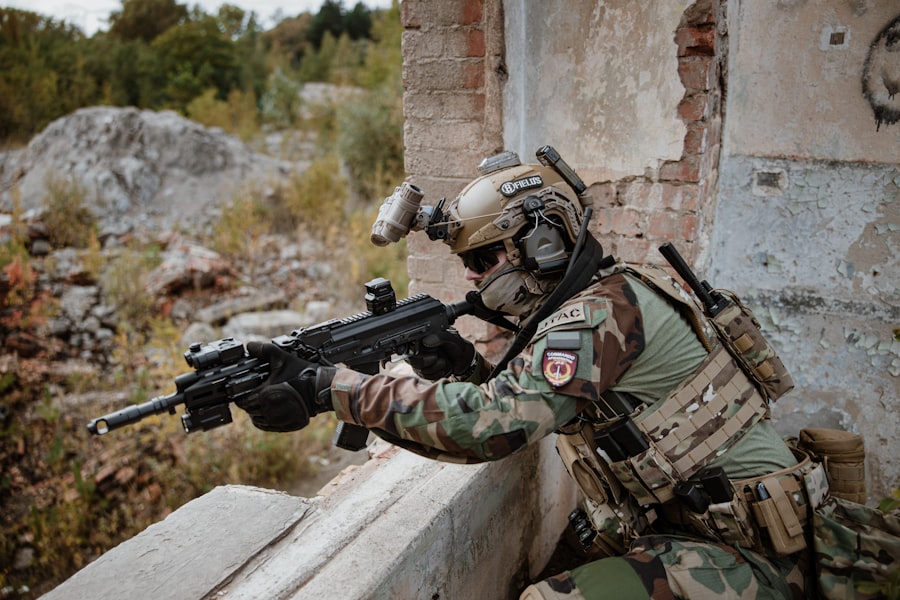
The soldier of the future will likely be an augmented warrior, equipped with advanced body armor, integrated communication systems, and potentially even exoskeletons to enhance strength and endurance. These soldiers will work in close collaboration with AI-powered systems and robotic platforms, forming highly effective human-machine teams. This will require soldiers to possess not only traditional combat skills but also advanced technical proficiency and the ability to operate and manage sophisticated technologies. The focus will shift from brute force to intelligence, adaptability, and the capacity for complex problem-solving.
The Cognitive Burden of Modern Warfare
The future battlefield will be characterized by an onslaught of information from multiple domains, overwhelming sensors, and a constant barrage of digital communication. This places a significant cognitive burden on soldiers. Future training must equip them with the skills to filter information, make rapid decisions under pressure, and manage the psychological stress associated with operating in such complex and potentially overwhelming environments. Understanding and mitigating the effects of information overload, stress, and moral injury will be critical for maintaining the effectiveness and well-being of military personnel.
Recruitment, Training, and Retention in a Digital Age
The character of future soldiers will necessitate a reassessment of recruitment strategies, training methodologies, and retention policies. Educational backgrounds and technical aptitudes will become increasingly important. Training will need to incorporate sophisticated simulations and virtual reality environments to prepare soldiers for the complexities of multi-domain operations and human-machine teaming. Furthermore, the defense sector will have to compete for talent in a rapidly evolving technological landscape, requiring attractive career paths, continuous learning opportunities, and a focus on the welfare of personnel. The ability to attract and retain individuals with the necessary skills and attributes will be a significant factor in military readiness.
As we explore the evolving landscape of modern warfare, it is essential to consider the implications of emerging technologies and strategies. A related article that delves into these themes can be found at In the War Room, where experts analyze how advancements in artificial intelligence and cyber capabilities are reshaping military tactics. Understanding these developments is crucial for grasping the future dynamics of conflict and defense.
Strategic Implications and the Future of Global Security
| Aspect | Metrics |
|---|---|
| Technology | Advancements in AI, robotics, and cyber warfare |
| Strategy | Shift towards asymmetric warfare and non-state actors |
| Weapons | Development of hypersonic missiles and directed-energy weapons |
| Tactics | Increased focus on urban warfare and counterinsurgency |
| Security | Concerns about autonomous weapons and cyber attacks |
The advancements shaping modern warfare have profound and far-reaching strategic implications for global security. The nature of deterrence, the balance of power, and the very definition of conflict are being reshaped, demanding a reassessment of international relations and arms control paradigms.
The Shifting Balance of Power and New Deterrence Models
The proliferation of advanced technologies, particularly AI and cyber capabilities, is altering the global balance of power. Nations that can effectively develop and integrate these technologies are likely to gain a strategic advantage, potentially leading to an arms race. Traditional deterrence models, based on mutually assured destruction, may need to be re-evaluated. Deterrence is becoming more complex, encompassing not only nuclear capabilities but also the threat of debilitating cyber attacks or disruptive operations in space. The ability to project power across multiple domains and to impose significant costs on an adversary for aggression will be key to maintaining stability.
The Challenge of Arms Control and Regulation
The rapid pace of technological advancement poses a significant challenge to traditional arms control agreements. The dual-use nature of many technologies, their constant evolution, and the inherent secrecy surrounding their development make it difficult to monitor and regulate their proliferation. International cooperation is essential to address these challenges, particularly concerning emerging technologies like autonomous weapons and cyber warfare capabilities. The absence of clear international norms and regulations could lead to unintended escalation and a more unstable global security environment.
The Blurring Lines Between Peace and Conflict
The increasing reliance on cyber operations, information warfare, and the potential for grey-zone tactics means that the distinction between peace and conflict is becoming increasingly blurred. Adversaries can operate in a perpetual state of low-level conflict, undermining a nation’s stability and cohesion without triggering a traditional declaration of war. This “new normal” requires a sophisticated understanding of how to respond to these persistent threats through a combination of diplomatic, economic, and military means. The ability to operate effectively in this ambiguous space, to deter aggression below the threshold of open warfare, will be a defining characteristic of future national security strategies. The future of warfare is not a distant prophecy; it is an ongoing transformation, driven by relentless innovation, demanding proactive adaptation and a deep understanding of its multifaceted implications for global security.

The Hidden Weakness Behind Modern Warfare
FAQs
What is the future of modern warfare?
The future of modern warfare is expected to be heavily influenced by advancements in technology, including artificial intelligence, cyber warfare, and unmanned systems. Additionally, there is a growing focus on hybrid warfare, which combines conventional military tactics with unconventional methods such as cyber attacks and information warfare.
How will artificial intelligence impact modern warfare?
Artificial intelligence is expected to play a significant role in modern warfare by enabling autonomous systems, predictive analytics, and decision-making support. AI can enhance military capabilities in areas such as surveillance, reconnaissance, and target identification, as well as improve the efficiency and effectiveness of military operations.
What role will cyber warfare play in the future of modern warfare?
Cyber warfare is anticipated to become increasingly important in modern warfare, as nations and non-state actors develop capabilities to conduct cyber attacks on critical infrastructure, communication networks, and military systems. Cyber warfare can disrupt enemy operations, gather intelligence, and sabotage enemy capabilities without the need for physical confrontation.
How are unmanned systems shaping the future of modern warfare?
Unmanned systems, including drones and autonomous vehicles, are transforming modern warfare by providing new capabilities for surveillance, reconnaissance, and precision strikes. These systems can operate in high-risk environments, gather real-time intelligence, and conduct targeted attacks with reduced risk to human personnel.
What are the key challenges and ethical considerations in the future of modern warfare?
Key challenges in the future of modern warfare include the ethical use of emerging technologies, the potential for escalation in conflicts involving cyber warfare and autonomous systems, and the need to adapt military strategies and doctrines to address new threats and capabilities. Ethical considerations also arise in the use of AI, unmanned systems, and cyber warfare, particularly in terms of civilian casualties, privacy, and international laws of armed conflict.