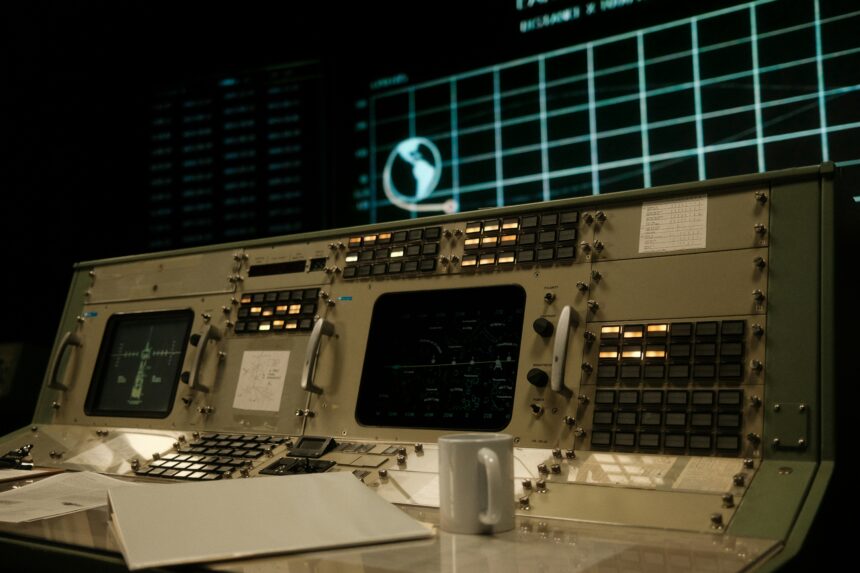
The rumble of artillery and the distant hum of drones are the familiar sounds of the conflict in Ukraine. However, beneath this visible veneer of warfare lies a less tangible, yet equally crucial, battleground: the electromagnetic spectrum. Electronic Warfare (EW) has emerged not as a supplementary element, but as a defining characteristic of this modern conflict, directly influencing tactical outcomes, strategic maneuverability, and the very survival of forces on the ground. Ukraine, armed with a potent blend of indigenous innovation and Western assistance, has found itself at the forefront of a dynamic EW engagement, pushing the boundaries of what is possible in this increasingly contested domain.
Electronic Warfare, broadly defined, encompasses military actions involving the use of the electromagnetic spectrum to attack or deceive the enemy, or to defend against enemy attacks. It is not a monolithic entity but a triad of capabilities: electronic attack (EA), electronic protection (EP), and electronic support (ES). In the context of Ukraine, these elements are being deployed with unprecedented intensity and sophistication, reflecting years of development and adaptation by both sides.
The Foundations of Electronic Warfare
Historically, EW focused on disrupting enemy communications and radar. The advent of digital technologies, the proliferation of networked systems, and the interconnectedness of modern militaries have dramatically expanded its scope. Today, EW extends to cyber warfare, signal intelligence, and the manipulation of GPS and other navigation systems, creating a complex web of interconnected vulnerabilities and defenses.
Emerging Trends and Technologies
The conflict has underscored the critical importance of agility and adaptability in EW. Russia, with its long-standing emphasis on EW capabilities, entered the conflict with a significant arsenal. However, Ukraine’s adaptive strategies and the influx of advanced Western technology have created a constantly shifting dynamic. The miniaturization of EW systems, the integration of artificial intelligence for faster signal analysis, and the development of standoff jamming capabilities are all trends that are being acutely tested and refined in the Ukrainian theater.
The ongoing conflict in Ukraine has highlighted the critical role of electronic warfare in modern military operations. A related article that delves into this topic is available at In the War Room, where experts analyze the strategies and technologies employed by both sides in the conflict. This piece provides valuable insights into how electronic warfare has shaped the battlefield dynamics and the implications for future conflicts.
Electronic Support: The Eyes and Ears of the Electromagnetic Battle
Electronic Support (ES) is the passive aspect of EW, focusing on detecting, identifying, and locating sources of electromagnetic emissions. In Ukraine, ES has become indispensable for understanding the enemy’s disposition, identifying their operational patterns, and providing actionable intelligence for offensive and defensive operations. The vast number of sensor platforms, from ground-based systems to UAVs and even satellites, are constantly scanning the spectrum, building a comprehensive picture of the electronic environment.
Signals Intelligence and Reconnaissance
Gathering intelligence through intercepted communications and radar transmissions is a cornerstone of ES. Both sides are heavily reliant on understanding the enemy’s command and control structures, their troop movements, and their targeting data. The Ukrainian armed forces, bolstered by Western intelligence sharing and advanced SIGINT platforms, have demonstrated a remarkable ability to glean critical information from Russian emissions.
Counter-Battery Radar and Target Acquisition
The effectiveness of artillery and rocket systems is directly tied to their ability to be accurately placed and to avoid counter-fire. ES plays a vital role in detecting the launch signatures of enemy artillery and rockets, allowing Ukrainian forces to quickly identify and neutralize these threats. Conversely, Russia’s efforts to locate and target Ukrainian artillery rely heavily on their own ES capabilities.
Identifying and Mapping the Electromagnetic Spectrum
A crucial aspect of ES is the continuous mapping of the electromagnetic environment. This involves identifying active transmitters, their frequencies, power levels, and operational characteristics. This detailed understanding allows EW operators to identify potential jamming targets, vulnerabilities in enemy networks, and areas where their own emissions are most likely to be detected.
Electronic Attack: Disrupting and Degrading the Enemy’s Capabilities
Electronic Attack (EA) involves the deliberate emission of electromagnetic energy to disrupt, deceive, or destroy enemy electronic systems. This is the most visible and aggressive aspect of EW, often involving jamming, spoofing, and anti-radiation missiles. In Ukraine, EA has been employed to blind enemy radar, disrupt communications, confuse navigation systems, and degrade command and control.
Jamming Communications and Radar
The proliferation of encrypted radio communications and advanced radar systems on both sides has led to a sophisticated cat-and-mouse game of jamming. Ukrainian forces have reportedly utilized a range of jamming techniques to disrupt Russian communications, degrade their targeting radar, and deny them the ability to effectively coordinate their operations. This includes both wide-band jamming, which attempts to overwhelm large portions of the spectrum, and narrow-band jamming, which targets specific frequencies.
Spoofing and Deception Operations
Beyond simply blocking signals, EA can also involve deceptive tactics. Spoofing, for instance, can involve transmitting false signals that mimic legitimate ones, leading the enemy to misinterpret their surroundings or take incorrect actions. This could include spoofing GPS signals to mislead drones and aircraft or creating false radar returns to confuse air defense systems.
Anti-Radiation Missiles and Directed Energy Weapons
The use of anti-radiation missiles (ARMs), which home in on enemy radar emissions, has been a significant factor in neutralizing enemy air defense systems. While the explicit details of their use in Ukraine are often classified, the successful suppression of enemy air defenses is a strong indicator of their deployment. Furthermore, there are indications that both sides are exploring and potentially deploying directed energy weapons, which could offer new avenues for both offensive and defensive EW.
Electronic Protection: Shielding Against Adversary Attacks

Electronic Protection (EP) is the crucial defensive aspect of EW, focusing on ensuring the survivability and continued operation of friendly electronic systems in the face of enemy EA. This involves a range of measures designed to make friendly systems resilient to jamming, deception, and other forms of electromagnetic interference.
Frequency Hopping and Spread Spectrum Techniques
To counter jamming, many modern communication systems employ frequency hopping or spread spectrum techniques. These methods involve rapidly changing transmission frequencies or spreading signals across a wide range of frequencies, making it exceedingly difficult for enemy jammers to effectively target and disrupt them. Ukraine has reportedly leveraged these technologies to maintain critical communication links.
Network-Centric Warfare and Redundancy
The robust implementation of network-centric warfare principles, with multiple redundant communication pathways and decentralized command structures, significantly enhances EP. If one communication link is disrupted by electronic attack, others can seamlessly take over, ensuring operational continuity.
Countermeasures and Deception for Protection
EP also involves active countermeasures, such as emitting signals that deliberately mislead or overwhelm enemy EW systems, forcing them to expend their resources on false targets. This can include decoys, radar spoofing aimed at protecting friendly assets, and the implementation of sophisticated algorithms to filter out jamming signals.
Recent developments in electronic warfare in Ukraine have highlighted the increasing importance of technology in modern conflicts. As both sides adapt to the challenges posed by advanced electronic systems, the implications for military strategy are profound. For a deeper understanding of these dynamics, you can explore a related article that discusses the role of electronic warfare in the ongoing conflict. This insightful piece can be found here, providing a comprehensive overview of how electronic capabilities are shaping the battlefield.
The Integral Role of Drones and Unmanned Systems
| Year | Number of Electronic Warfare Incidents | Types of Electronic Warfare | Impact on Military Operations |
|---|---|---|---|
| 2014 | 20 | Jamming, Spoofing | Disrupted communications and navigation |
| 2015 | 35 | Cyber attacks, Radar interference | Compromised data and surveillance |
| 2016 | 45 | GPS jamming, Signal interception | Interfered with targeting and coordination |
| 2017 | 30 | Electronic warfare drones, Radio jamming | Disrupted command and control systems |
Unmanned Aerial Vehicles (UAVs), or drones, have become ubiquitous in the Ukrainian conflict, and their role in EW is multifaceted and ever-expanding. They are not just targets or platforms for traditional payloads; they are increasingly becoming integrated into the EW fight itself.
Drones as EW Platforms
Drones are being utilized to deploy EW payloads, such as jamming pods, signals intelligence gatherers, and even electronic attack emitters. Their ability to operate autonomously or remotely allows them to penetrate contested airspace and conduct EW operations that would be too risky for manned aircraft. Smaller drones can be used for localized jamming of individual enemy systems, while larger, more sophisticated platforms can conduct broader spectrum warfare.
Counter-UAS and EW Integration
The proliferation of drones by both sides has also led to an intense focus on counter-UAS (C-UAS) capabilities, which are heavily reliant on EW. Detecting and tracking enemy drones, and then neutralizing them, often involves a combination of radar, radio frequency detection, optical sensors, and ultimately, EW-based countermeasures like jamming or directed energy.
Swarming and Coordinated EW
The future of drone warfare, and by extension EW, likely lies in coordinated swarms. The concept of multiple drones working together to saturate enemy defenses or conduct complex EW operations is a rapidly developing area. Ukraine’s innovative use of drones in various capacities suggests they are at the forefront of exploring these possibilities.
The Geopolitical and Technological Implications
The electronic warfare taking place in Ukraine has profound implications that extend far beyond the immediate battlefield. It is a live-fire proving ground for new technologies, a stark demonstration of the interconnectedness of modern warfare, and a catalyst for future military development.
The Impact on Western Military Capabilities
The West, through significant military aid to Ukraine, is gaining invaluable real-world data and insights into the effectiveness and limitations of both Russian and Western EW systems. This information is crucial for refining doctrines, accelerating the development of new technologies, and ensuring their own forces remain at the cutting edge of EW capabilities.
Russia’s EW Doctrine and Adaptations
Russia has historically placed a significant emphasis on EW, integrating it deeply into their military doctrine. The conflict is testing the resilience of these doctrines and forcing adaptations. While initial assumptions about Russian EW dominance may have been overstated, their capacity to learn and adapt in response to Ukrainian and Western countermeasures remains a significant concern.
The Future Battlefield and the Electromagnetic Spectrum
The Ukrainian conflict serves as a potent reminder that future warfare will be fought not only on physical terrain but also within the invisible realm of the electromagnetic spectrum. Nations that fail to invest in and master EW capabilities will find themselves at a severe disadvantage. The lessons learned in Ukraine will shape the development of military forces and strategies for decades to come, underscoring the critical importance of this often-unseen battlefield. The continuous evolution of EW threats and defenses promises an ongoing struggle for dominance in the electromagnetic spectrum, a struggle that will undoubtedly define the future of warfare.

The Hidden Weakness Behind Modern Warfare
FAQs
What is electronic warfare?
Electronic warfare (EW) refers to the use of the electromagnetic spectrum to disrupt or disable an enemy’s electronic systems, including communication, radar, and other electronic devices.
How is electronic warfare being used in Ukraine?
In Ukraine, electronic warfare has been used to disrupt and disable communication and radar systems, as well as to jam and spoof enemy electronic devices. This has been a significant factor in the ongoing conflict in the region.
What are the implications of electronic warfare in Ukraine?
The use of electronic warfare in Ukraine has had significant implications for the conflict, as it has disrupted communication and coordination among military forces and has impacted the effectiveness of radar and other electronic systems.
How does electronic warfare differ from cyber warfare?
While electronic warfare focuses on disrupting or disabling electronic systems using the electromagnetic spectrum, cyber warfare involves the use of computer networks and digital technology to attack and sabotage an enemy’s computer systems and infrastructure.
What are the international laws and regulations regarding electronic warfare?
There are international laws and regulations, such as the Geneva Conventions and the Hague Conventions, that govern the use of electronic warfare and prohibit the use of certain tactics and technologies in warfare. However, the enforcement of these laws in modern conflicts can be challenging.