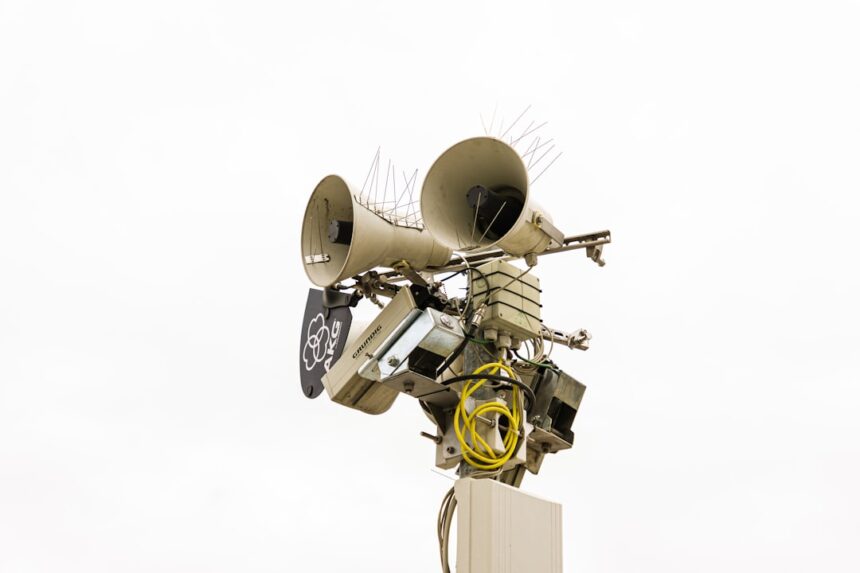
The hum of the digital battlefield is as real as any physical conflict, and within this unseen arena, electronic warfare (EW) reigns supreme. It is the art of manipulating and dominating the electromagnetic spectrum to gain a decisive advantage over an adversary. From jamming enemy communications to disrupting their radar systems, EW is a critical component of modern military operations, often determining the outcome of engagements before a single shot is fired. Understanding the fundamentals of electronic warfare is no longer the exclusive domain of specialists; it is increasingly vital for anyone seeking to grasp the complexities of contemporary defense. This article serves as an introduction, demystifying the core concepts and illuminating the foundational principles of Electronic Warfare 101.
The electromagnetic spectrum is the very canvas upon which electronic warfare plays out. It encompasses all forms of electromagnetic radiation, from the extremely low frequencies used for submarine communications to the high-energy gamma rays produced by nuclear reactions. Within this vast expanse, different frequency bands possess unique properties that make them suitable for specific applications. Understanding these properties is paramount to comprehending how EW systems operate.
Radio Frequencies (RF) and Their Significance
Radio frequencies, a portion of the electromagnetic spectrum, are the workhorse of modern communication and radar. They can penetrate various mediums and travel long distances, making them ideal for transmitting information.
Communication Bands and Jamming
The ability to communicate securely and reliably is a cornerstone of any military operation. Adversaries will invariably seek to disrupt these vital links. Electronic warfare plays a crucial role in both protecting friendly communications and denying them to the enemy. Jamming techniques aim to flood enemy communication channels with disruptive signals, rendering them unintelligible. This can range from simple noise jamming, which overwhelms receivers with broadband interference, to more sophisticated techniques that precisely mimic enemy signals to confuse their systems.
Radar Frequencies and Electronic Countermeasures
Radar systems are the eyes and ears of modern warfare, capable of detecting and tracking targets at great distances. However, radar signals, like all electromagnetic waves, are susceptible to exploitation. Electronic warfare employs techniques to counter radar systems, often categorized as Electronic Countermeasures (ECM).
Radar Jamming Techniques
Jamming radar involves generating signals that interfere with the radar’s reception of its own reflected echoes. This can be achieved through various methods. Deception jamming, for instance, aims to trick the radar into tracking false targets, creating decoys and clutter that mask real threats. Spot jamming focuses on specific radar frequencies, while barrage jamming attempts to disrupt a broader range of frequencies. The development of more advanced jamming techniques is a constant cat-and-mouse game, with EW systems evolving to overcome new radar technologies.
Radar Deception and Spoofing
Beyond simple jamming, more sophisticated techniques involve deception and spoofing. Spoofing, a particularly insidious form of EW, involves transmitting false signals that are indistinguishable from legitimate radar returns. This can cause a radar system to report a false target, a false speed, or even a false altitude, leading to misidentification and potentially catastrophic decisions. For example, a spoofing system could trick an enemy radar into believing a friendly aircraft is an incoming missile, causing them to waste valuable defensive resources or even friendly fire.
Infrared (IR) and Visible Light: The Spectrum of Detection and Deception
While radio frequencies are dominant, other parts of the electromagnetic spectrum are also exploited in EW. Infrared and visible light, though often associated with direct observation, also offer avenues for electronic warfare.
Infrared Signature Management and Flares
Many military platforms emit heat, which can be detected by infrared sensors. Infrared signature management aims to reduce this heat emission, making the platform harder to detect. Conversely, electronic warfare can involve decoys that generate false heat signatures. Decoy flares, for instance, are deployed by aircraft to distract heat-seeking missiles by presenting a stronger infrared source.
Target Acquisition and Electro-Optical Jamming
Electro-optical sensors, which operate in the visible and infrared spectrum, are used for target identification and acquisition. Electronic warfare can involve dazzling or blinding these sensors with high-intensity light or infrared radiation, temporarily disabling them and preventing target lock-on.
For those looking to understand the complexities of electronic warfare, a great resource is the article available at In The War Room. This beginner-friendly guide breaks down the fundamental concepts, techniques, and technologies involved in electronic warfare, making it accessible for readers who may not have a technical background. By exploring the various aspects of this modern battlefield domain, the article provides valuable insights into how electronic warfare is shaping military strategies today.
Pillars of Electronic Warfare: ES, EP, and EA
Electronic warfare is broadly categorized into three interdependent pillars: Electronic Support (ES), Electronic Protection (EP), and Electronic Attack (EA). Each plays a distinct but complementary role in achieving electromagnetic dominance.
Electronic Support (ES): The Art of Listening
Electronic Support is the passive element of EW, focused on detecting, identifying, and locating sources of electromagnetic radiation. It’s akin to a sophisticated eavesdropping operation, providing invaluable intelligence without actively interfering with enemy systems.
Signal Intelligence (SIGINT) and Reconnaissance
ES systems are designed to intercept and analyze enemy transmissions, from radar signals to communication frequencies. This gathered information, known as Signal Intelligence (SIGINT), can reveal enemy positions, unit strengths, operational plans, and the types of equipment they are employing. This intelligence is crucial for effective planning and execution of military operations.
Radar Warning Receivers (RWR)
A common example of an ES system is the Radar Warning Receiver (RWR) found on many aircraft. An RWR continuously scans the electromagnetic environment, detecting radar emissions and displaying their characteristics to the pilot. This allows the pilot to be aware of potential threats, such as enemy air defense radars, and take evasive action.
Electronic Intelligence (ELINT)
Electronic Intelligence (ELINT) specifically focuses on the analysis of non-communication emitters, such as radar and electronic warfare systems. By analyzing the characteristics of these signals, ELINT can provide detailed insights into the enemy’s technological capabilities and operational patterns.
Threat Detection and Situational Awareness
The primary goal of ES is to enhance situational awareness by providing a clear picture of the electromagnetic battlefield. By understanding what signals are present and where they are coming from, commanders can make informed decisions about troop movements, engagement strategies, and defensive measures.
Electronic Protection (EP): The Science of Self-Preservation
Electronic Protection (EP) encompasses the measures taken to ensure the effective use of the electromagnetic spectrum by friendly forces, even in the presence of enemy EW. It is about safeguarding our own electronic systems from disruption and exploitation.
Frequency Agility and Spread Spectrum Techniques
One of the most effective EP techniques is frequency agility, where communication or radar systems rapidly change their operating frequencies. This makes it extremely difficult for jamming systems to maintain a continuous lock and disrupt the signal. Spread spectrum techniques go a step further, spreading the signal across a wide range of frequencies, making it appear as background noise to an interceptor.
Adaptive Frequency Hopping (AFH)
Adaptive Frequency Hopping (AFH) is a sophisticated form of frequency agility that not only changes frequencies but also adapts its hopping patterns based on the detected presence of jamming. This allows the system to avoid frequencies that are being actively jammed.
Stealth Technology and Low Probability of Intercept (LPI)
Stealth technology, while often associated with reducing Radar Cross-Section (RCS), also plays a critical role in EP by minimizing the probability of intercept. Many modern systems are designed with Low Probability of Intercept (LPI) characteristics, meaning their emissions are either very weak, very short in duration, or spread across so many frequencies that they are difficult to detect and pinpoint.
Designing for LPI Radar
LPI radar systems are designed to be stealthy within the electromagnetic spectrum. They might use very low power levels, short pulse durations, and complex waveforms that are difficult to distinguish from ambient noise. This makes them challenging for enemy ES systems to detect and analyze, thereby protecting the platform emitting the radar.
Emission Control (EMCON): The Power of Silence
Emission Control (EMCON) is a doctrine that dictates the deliberate control and restriction of electromagnetic emissions. By limiting or ceasing the transmission of signals when not absolutely necessary, forces can reduce their detectability and prevent the enemy from gathering intelligence or targeting them.
Strategic EMCON Policies
EMCON policies can be strategic, with entire units or operations adhering to strict emission controls. This might involve silencing communications except for critical updates or disabling radar systems during certain phases of a mission. The decision to go “dark” can be a powerful tactical advantage.
If you’re interested in understanding the complexities of electronic warfare, a great resource is an article that breaks down the fundamentals for beginners. This informative piece covers various aspects of electronic warfare, including its history, techniques, and real-world applications. You can find it [here](https://www.inthewarroom.com/sample-page/), which will help you grasp the essential concepts and terminology used in this fascinating field.
Electronic Attack (EA): The Art of Disruption and Deception
Electronic Attack (EA) is the offensive component of EW, aiming to prevent or degrade the enemy’s use of the electromagnetic spectrum. It is about actively disrupting enemy systems and deceiving their operators.
Jamming and Spoofing as Offensive Tools
As discussed earlier, jamming and spoofing are primary EA techniques. Jamming can render enemy communications useless, blind their radar, or disrupt their navigation systems. Spoofing can lead them to attack false targets, waste resources, or misinterpret critical information.
Directed Energy Weapons (DEW) in EW
While not exclusively EW, Directed Energy Weapons (DEW) are increasingly being integrated into EA capabilities. DEWs can deliver concentrated electromagnetic energy to disable or destroy enemy electronic systems, offering a precise and potent form of attack.
Electronic Decoys and Deception Systems
Electronic decoys are designed to mimic friendly emitters or create false targets, drawing enemy fire or attention away from genuine threats. These can range from simple chaff deployed to confuse radar to sophisticated drone systems that emit false signal patterns.
Advanced Decoy Systems
Modern decoy systems are highly sophisticated, capable of mimicking the electromagnetic signatures of various platforms, including aircraft, ships, and missiles. They can transmit realistic radar returns, communication signals, and even infrared signatures, making them highly effective at deceiving enemy sensors and decision-makers.
The Evolution of Electronic Warfare: From World War II to the Present
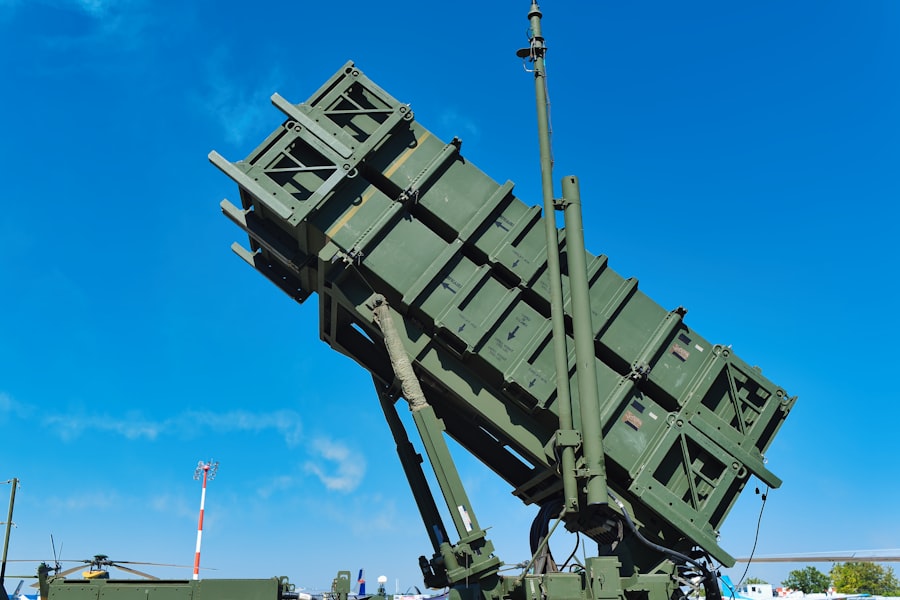
Electronic warfare is not a new concept. Its origins can be traced back to the early days of radio communication and radar. However, the rapid advancement of technology has transformed EW into an incredibly sophisticated and critical aspect of modern warfare.
Early Developments and World War II
The rudimentary beginnings of EW can be seen in the efforts of both Allied and Axis powers to jam enemy radio communications and radar during World War II. The development of radar, in particular, spurred reactive measures to counter its effectiveness.
The Battle of the Atlantic and its EW Implications
The Battle of the Atlantic saw significant early applications of EW. Allied efforts to jam German U-boat communications and radar were instrumental in disrupting their operations. Conversely, German jamming efforts also posed significant challenges for Allied shipping.
Radar Jamming by the German Luftwaffe
The German Luftwaffe, recognizing the threat posed by Allied radar, developed early jamming techniques to disrupt air defense radars. These efforts, while basic by today’s standards, highlighted the growing importance of controlling the electromagnetic spectrum.
The Cold War and the Rise of Sophistication
The Cold War era witnessed a dramatic acceleration in EW development. The constant technological race between the United States and the Soviet Union led to the creation of increasingly complex and potent EW systems.
The Electronic Arms Race
Both superpowers poured immense resources into developing advanced EW capabilities. This included sophisticated jamming equipment, radar warning receivers, electronic intelligence gathering systems, and techniques to counter enemy electronic warfare.
The Introduction of Supersonic Aircraft and EW Challenges
The advent of supersonic aircraft presented new challenges for both offensive and defensive EW. High speeds and advanced radar systems necessitated more agile and powerful EW countermeasures.
The Digital Age and Networked Warfare
Today, electronic warfare is inextricably linked to network-centric warfare. The ability to control and exploit the electromagnetic spectrum is essential for enabling seamless communication, data sharing, and coordinated operations across a vast array of platforms.
Cyber Warfare and its Convergence with EW
The lines between cyber warfare and electronic warfare are increasingly blurred. Both operate in the digital and electromagnetic domains, and advancements in one often complement and enhance capabilities in the other. For instance, cyber attacks could be used to disable an enemy’s EW control systems, or EW could be used to disrupt the communications necessary for a cyber attack.
The Importance of EW in Modern Conflicts
In contemporary conflicts, EW is no longer a supplementary capability; it is a fundamental requirement. From denying enemy air defense to ensuring secure command and control for friendly forces, EW plays a decisive role in achieving air superiority, dominating ground operations, and protecting naval assets. The ability to understand and employ EW effectively is a hallmark of any advanced military force.
The Future of Electronic Warfare: Adaptation and Integration
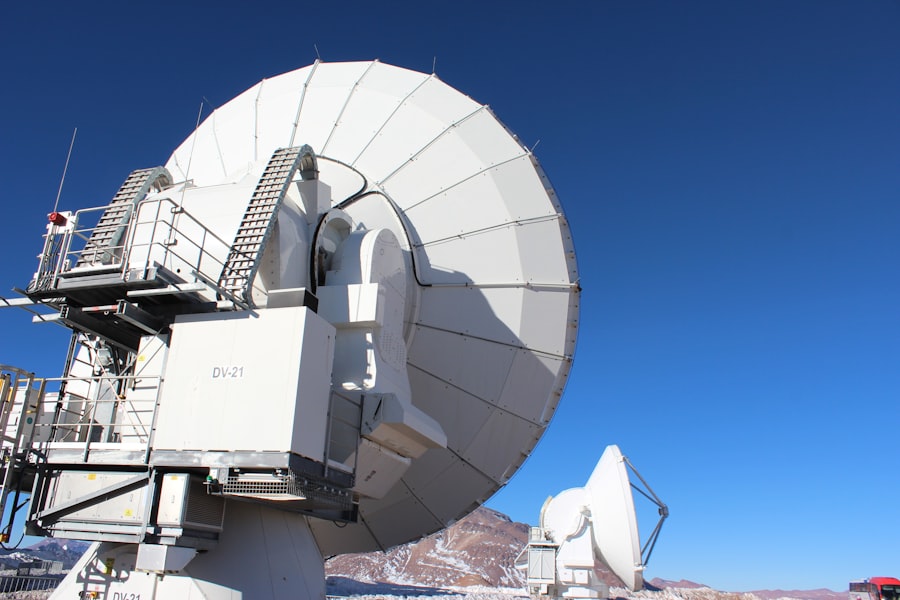
The electromagnetic spectrum is a dynamic and ever-evolving environment. As technology advances, so too will the nature of electronic warfare. Future EW will be characterized by increased automation, greater integration with other domains, and a relentless pursuit of adaptability.
Artificial Intelligence and Machine Learning in EW
Artificial Intelligence (AI) and Machine Learning (ML) are poised to revolutionize EW. AI can enable systems to analyze vast amounts of electromagnetic data in real-time, identify new threats, and develop novel countermeasures far faster than human operators.
Autonomous EW Systems
The development of autonomous EW systems, capable of operating independently with minimal human intervention, is a key trend. These systems can react instantly to threats, adapt strategies on the fly, and operate in environments too dangerous for human personnel.
Predictive EW and Proactive Defense
AI and ML will enable predictive EW, where systems can anticipate enemy actions and deploy countermeasures proactively. This shifts EW from a reactive to a more proactive and anticipatory posture, offering a significant advantage.
Integration of EW with Other Warfare Domains
The future will see even deeper integration of EW with other warfare domains, including cyber, space, and physical combat. This holistic approach to warfare will leverage the strengths of each domain to create synergistic effects.
Space-Based EW and Counter-Space Capabilities
The increasing reliance on space-based assets for communication, navigation, and surveillance makes space-based EW and counter-space capabilities critically important. The ability to deny the enemy the use of space through EW will be a decisive factor.
Protecting Satellites and Disrupting Enemy Space Assets
Future EW efforts will focus on defending friendly satellites from jamming and cyber attacks, while also developing capabilities to disrupt or disable enemy space assets, such as reconnaissance satellites or communication relays.
The Human Element in an Automated World
Despite the rise of AI and automation, the human element will remain crucial in electronic warfare. Human operators will be essential for strategic decision-making, complex tactical adjustments, and the ethical application of EW capabilities. The ability to understand the nuances of the electromagnetic environment and the intent behind enemy actions will continue to rely on human intuition and experience.
In conclusion, electronic warfare is a multifaceted and dynamic discipline that is fundamental to modern defense. From understanding the electromagnetic spectrum itself to the intricate interplay of ES, EP, and EA, the basics of EW are essential for comprehending the invisible battles being waged across the globe. As technology continues to advance, the importance of electronic warfare will only grow, demanding constant innovation and adaptation to maintain a decisive edge in an increasingly interconnected and electromagnetically contested world.

The Hidden Weakness Behind Modern Warfare
FAQs
What is electronic warfare?
Electronic warfare (EW) refers to the use of the electromagnetic spectrum to disrupt or deny enemy use of electronic systems, such as radar, communication, and navigation systems.
What are the main components of electronic warfare?
The main components of electronic warfare include electronic attack (EA), electronic protection (EP), and electronic warfare support (ES). EA involves using electromagnetic energy to attack enemy systems, EP involves protecting friendly systems from enemy attacks, and ES involves gathering information about the enemy’s use of the electromagnetic spectrum.
What are some examples of electronic warfare techniques?
Some examples of electronic warfare techniques include jamming, which involves emitting radio frequency signals to disrupt enemy communication or radar systems, and spoofing, which involves deceiving enemy sensors by emitting false signals.
What are the benefits of electronic warfare?
Electronic warfare can provide a tactical advantage by disrupting enemy communication and radar systems, reducing the effectiveness of enemy weapons and sensors, and protecting friendly forces from enemy electronic attacks.
How is electronic warfare used in modern military operations?
Electronic warfare is used in modern military operations to gain and maintain control of the electromagnetic spectrum, degrade the enemy’s ability to communicate and navigate, and protect friendly forces from electronic attacks. It is an essential component of modern warfare and is used in a wide range of military operations, including air, sea, and land operations.