The intricate dance of modern commerce, the supply chain, stands as the invisible backbone of our global economy. From the raw materials extracted from the earth to the finished products gracing our shelves, a complex network of entities, processes, and logistics orchestrates their journey. Yet, this seemingly robust system is susceptible to a myriad of disruptions, rendering it vulnerable. Understanding these vulnerabilities is not merely an academic exercise; it is a critical imperative for businesses seeking resilience, sustainability, and ultimately, survival in an increasingly unpredictable world. This article delves into the multifaceted nature of supply chain vulnerabilities, exploring their origins, impacts, and the strategies businesses can employ to mitigate them.
A supply chain is not a monolithic entity but a series of interconnected nodes. Each node, whether a raw material supplier, a manufacturing facility, a logistics provider, or a distribution center, represents a potential point of failure. The inherent complexity and global reach of contemporary supply chains amplify these potential weaknesses, creating a ripple effect that can cascade through the entire network. Identifying these inherent vulnerabilities is the first step towards building a more resilient system.
Geographic Concentration and Over-reliance
One of the most prevalent vulnerabilities stems from geographic concentration. When critical components or manufacturing processes are concentrated in a single region or country, an event impacting that locale can bring the entire supply chain to a standstill. This reliance creates a single point of failure, leaving businesses exposed to geopolitical instability, natural disasters, or even localized labor disputes. The COVID-19 pandemic starkly illustrated this vulnerability, as lockdowns in key manufacturing hubs led to widespread shortages of essential goods.
Dependence on Single-Source Suppliers
Closely related to geographic concentration is the issue of single-source supplier dependence. Relying on a single supplier for a critical component, even if that supplier is exceptionally reliable, introduces significant risk. A quality issue, a financial downturn, or a sudden operational disruption at that sole source can have devastating consequences, halting production and impacting customer commitments. This lack of redundancy leaves businesses with no immediate alternatives.
Concentration in Specific Industries or Technologies
Furthermore, supply chains can become vulnerable due to concentration within specific industries or reliance on a limited number of specialized technologies. If a particular industry undergoes a significant shift, or if a crucial technology becomes obsolete or unavailable, entire supply chains built around them can falter. This is particularly true for industries with rapid innovation cycles or those reliant on highly specialized, niche manufacturing capabilities.
Information Silos and Lack of Transparency
In today’s data-driven world, the absence of comprehensive visibility and seamless information flow within a supply chain is a significant vulnerability. When information is fragmented, siloed, or not shared effectively across different tiers of the supply chain, it hinders proactive decision-making and leaves businesses blind to impending disruptions.
Incomplete Visibility Across Tiers
Many companies possess a detailed understanding of their immediate suppliers and customers, but visibility often diminishes as one moves further upstream or downstream. This lack of deep visibility into tier-2, tier-3, and beyond suppliers means that potential risks originating from these less visible entities can go undetected. A natural disaster affecting a sub-supplier’s raw material source, for example, might not be apparent until finished goods are impacted.
Inaccurate Demand Forecasting and Planning
Inaccurate demand forecasting is a perpetual challenge, but exacerbated by a lack of precise, real-time data. Misjudging consumer demand can lead to either excessive inventory, resulting in storage costs and potential obsolescence, or insufficient inventory, leading to lost sales and dissatisfied customers. This fundamental planning disconnect is a direct consequence of insufficient or poorly integrated data.
Inefficient Communication Channels
The effectiveness of a supply chain relies heavily on clear and efficient communication. Outdated communication methods, differing technological platforms, or a lack of standardized protocols can lead to misunderstandings, delays, and errors. This inefficiency can prevent critical information from reaching the right people at the right time, especially during a crisis.
Economic and Financial Instability
The economic landscape is inherently dynamic, and fluctuations in global or regional economies can create significant supply chain vulnerabilities. Businesses must remain acutely aware of the financial health of their partners and the broader economic climate.
Supplier Financial Distress
A supplier experiencing financial difficulties, even if still operational, poses a risk. A bankruptcy, a significant debt burden, or a liquidity crisis can lead to the supplier being unable to fulfill orders, provide necessary components, or even continue operations. This can create a domino effect, impacting all businesses that rely on them.
Currency Fluctuations and Trade Policies
For globally operating businesses, currency fluctuations can significantly impact the cost of goods and services. Sudden and dramatic shifts in exchange rates can render previously affordable imports prohibitively expensive, or vice versa, devaluing exports. Similarly, unpredictable changes in trade policies, tariffs, and customs regulations can disrupt established trade routes and increase costs, creating uncertainty and potential bottlenecks.
Inflationary Pressures
Rising inflation can erode profit margins and increase the cost of doing business across the supply chain. If businesses cannot pass on these increased costs, their financial stability can be threatened, impacting their ability to invest in resilience or even sustain operations. This can particularly affect businesses with long-term contracts or those operating on thin margins.
Supply chain vulnerabilities have become a critical topic in today’s interconnected world, as disruptions can lead to significant economic consequences. For a deeper understanding of these challenges and potential solutions, you can explore a related article that discusses various aspects of supply chain risks and strategies for mitigation. To read more, visit this article.
The Cascading Impact: When Vulnerabilities Manifest
When these inherent vulnerabilities are triggered, the consequences can be far-reaching and devastating. The interconnected nature of supply chains means that a localized disruption can quickly escalate into a global crisis, impacting not only businesses but also consumers and entire economies.
Operational Disruptions and Production Halts
The most immediate impact of supply chain disruptions is the interruption of operations. Production lines can grind to a halt due to a lack of raw materials or components. This can lead to significant financial losses, missed delivery deadlines, and damage to a company’s reputation.
Production Delays and Missed Deadlines
When a critical supplier fails to deliver, production schedules are immediately thrown off track. This can result in significant delays in fulfilling orders, leading to penalties, lost revenue, and the erosion of customer trust. The longer the delay, the more severe the repercussions.
Reduced Inventory Levels and Stockouts
Conversely, if a demand surge is not met due to upstream disruptions, businesses face stockouts. This means shelves go empty, and customers are unable to purchase the products they desire, leading to lost sales and potentially driving them to competitors. This can have a lasting impact on customer loyalty.
Increased Lead Times and Reduced Throughput
Even if production doesn’t completely halt, disruptions can lead to significantly increased lead times for components and finished goods. This reduces the overall throughput of the supply chain and makes it harder for businesses to respond to market changes or customer requests efficiently.
In today’s interconnected world, understanding supply chain vulnerabilities is crucial for businesses aiming to mitigate risks and enhance resilience. A related article that delves deeper into this topic can be found here, offering insights into the various factors that contribute to supply chain disruptions and strategies to address them effectively. By exploring these vulnerabilities, companies can better prepare for unforeseen challenges and maintain a competitive edge in their respective markets.
Financial Repercussions and Profit Erosion
The financial impact of supply chain vulnerabilities can be profound, affecting profitability and long-term financial health.
Increased Costs and Reduced Profit Margins
When disruptions occur, businesses often incur additional costs to source alternative suppliers, expedite shipping, or manage unforeseen logistical challenges. These increased costs directly impact profit margins, especially if they cannot be fully passed on to consumers.
Lost Sales and Revenue
Stockouts and production delays inevitably lead to lost sales and revenue. The longer a disruption persists, the greater the potential for revenue loss. This can have a significant impact on a company’s ability to invest in future growth or weathering further economic challenges.
Impact on Shareholder Value and Investor Confidence
For publicly traded companies, prolonged supply chain disruptions can negatively impact their stock price and erode investor confidence. A perceived lack of resilience can deter investment and make it more challenging to secure future funding. The market often punishes companies that demonstrate an inability to manage their supply chain effectively.
Reputational Damage and Loss of Customer Trust
In today’s highly competitive market, customer trust is a valuable asset. Repeated product shortages or delivery failures can severely damage a company’s reputation and lead to a loss of customer loyalty.
Inability to Meet Customer Commitments
Consistently failing to meet delivery promises or product availability expectations can lead to significant customer dissatisfaction. This can result in negative reviews, word-of-mouth complaints, and a general perception of unreliability.
Erosion of Brand Image and Market Share
A damaged reputation can affect a company’s overall brand image, making it harder to attract new customers and retain existing ones. Competitors who can deliver consistently may gain market share at the expense of the vulnerable company. Rebuilding a tarnished brand image can be a long and arduous process.
Negative Media Coverage and Public Scrutiny
Major supply chain failures often attract negative media attention and public scrutiny. This can further exacerbate reputational damage and create additional pressure on the company to address the underlying issues.
Fortifying the Foundation: Strategies for Mitigation
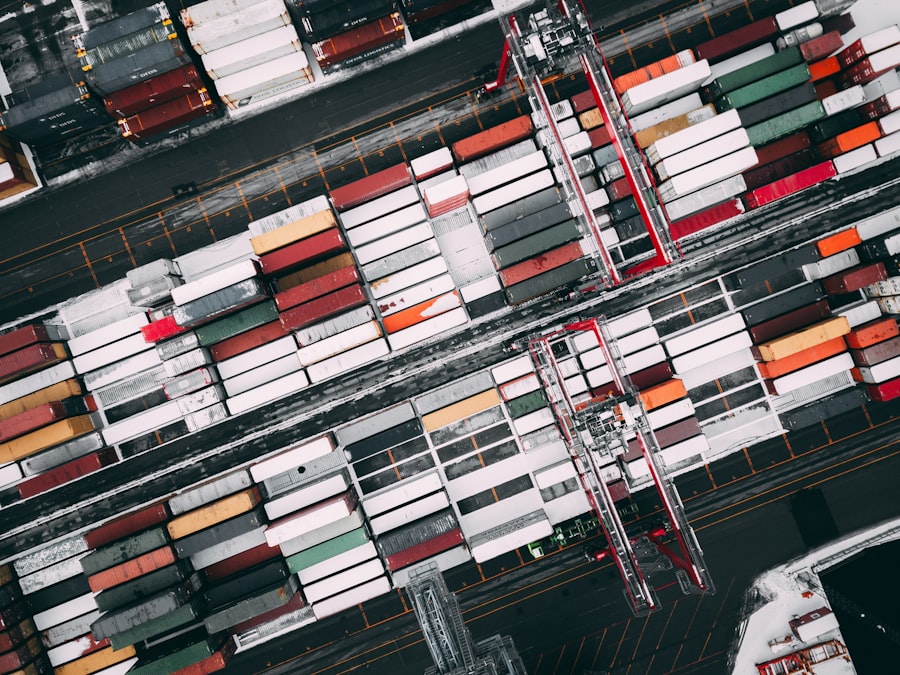
Recognizing and understanding supply chain vulnerabilities is only the first step. The crucial task for businesses is to implement robust strategies to mitigate these risks and build a more resilient supply chain. This requires a proactive and multi-pronged approach.
Diversification of Suppliers and Sourcing
Reducing reliance on single sources and diversifying the supplier base is paramount to mitigating vulnerability.
Developing Multiple Supplier Relationships
Actively cultivating relationships with a range of suppliers, even if some are not the lowest cost option, provides flexibility. If one supplier experiences an issue, there are readily available alternatives. This requires investment in supplier relationship management and a willingness to collaborate.
Regionalizing or Near-Shoring Supply Chains
While globalization offers cost advantages, over-reliance on distant sourcing can be risky. Strategically regionalizing or near-shoring parts of the supply chain can reduce lead times, mitigate geopolitical risks, and improve responsiveness to local market demands. This may involve establishing manufacturing or assembly facilities closer to key markets.
Evaluating and Qualifying Alternative Suppliers Proactively
It is essential to have a pre-vetted list of potential alternative suppliers, familiar with their capabilities, quality standards, and financial stability. This ensures that in case of disruption, the transition to a new supplier is as seamless as possible. This requires continuous market scanning and supplier assessment.
Enhancing Visibility and Data Integration
Investing in technologies and processes that improve transparency and data flow is critical for informed decision-making.
Implementing Supply Chain Visibility Platforms
Leveraging advanced supply chain visibility platforms and technology solutions can provide real-time tracking of goods, inventory levels, and potential disruptions across the entire network. This offers a single pane of glass view into the supply chain.
Utilizing Data Analytics and Predictive Modeling
Employing data analytics and predictive modeling tools can help identify trends, forecast demand more accurately, and anticipate potential risks before they materialize. This shifts the approach from reactive to proactive.
Establishing Robust Communication Protocols and Information Sharing A
Fostering a culture of open communication and establishing standardized information-sharing protocols across all supply chain partners ensures that critical data is exchanged efficiently and effectively, especially during times of crisis. This may involve implementing secure data sharing portals and regular communication forums.
Building Financial Resilience and Operational Agility
Strengthening the financial health of the organization and fostering operational flexibility are crucial for weathering disruptions.
Maintaining Strong Financial Reserves and Access to Capital
Having adequate cash reserves and established lines of credit provides a buffer against unexpected expenses and allows businesses to absorb the financial shock of disruptions. This proactive financial planning is essential.
Developing Flexible Manufacturing and Production Capabilities
Investing in flexible manufacturing processes that can adapt to changing product demands or quickly pivot to alternative production lines can enhance operational agility. This may involve adopting modular production systems or cross-training employees.
Implementing Robust Business Continuity and Disaster Recovery Plans
Comprehensive business continuity and disaster recovery plans that outline specific actions to take in the event of various disruptions are vital. This includes contingency plans for IT systems, logistics, and personnel. Regular testing and updating of these plans are essential.
The Future of Resilience: Embracing Proactive Strategies

The landscape of supply chain vulnerabilities is constantly evolving. New technologies, geopolitical shifts, and environmental challenges present ever-evolving risks. Businesses that thrive will be those that embrace a culture of continuous improvement and proactive risk management.
Investing in Technology and Innovation
The adoption of cutting-edge technologies is not merely an option but a necessity for building a future-proof supply chain.
Artificial Intelligence (AI) and Machine Learning (ML)
AI and ML are transforming supply chain management by enabling advanced analytics, predictive maintenance, intelligent automation, and optimized routing. These technologies can unlock new levels of efficiency and foresight.
Internet of Things (IoT) and Sensor Technology
IoT devices and sensors can provide real-time data on the location, condition, and environmental factors affecting goods throughout the supply chain. This granular data empowers better decision-making and faster response to deviations.
Blockchain for Enhanced Transparency and Traceability
Blockchain technology offers an immutable and transparent ledger for tracking goods and transactions, enhancing traceability, reducing fraud, and building trust across the supply chain. This is particularly valuable for industries with complex sourcing or high regulatory requirements.
Fostering Collaboration and Strategic Partnerships
The interconnected nature of supply chains demands increased collaboration among stakeholders.
Building Stronger Supplier Relationships
Moving beyond transactional relationships to build true partnerships with key suppliers fosters trust, open communication, and a shared commitment to resilience. This can involve co-investment in risk mitigation strategies.
Industry-Wide Collaboration and Information Sharing
Participating in industry forums and initiatives for sharing best practices and intelligence on emerging risks can benefit all participants. Collective action can be more effective than individual efforts in addressing systemic vulnerabilities.
Government and Regulatory Engagement
Engaging with government bodies and regulatory agencies to advocate for stable trade policies, infrastructure development, and coordinated disaster response mechanisms is crucial for creating a more resilient operating environment.
The journey towards a truly resilient supply chain is ongoing. It requires a continuous commitment to understanding, adapting, and innovating. By acknowledging and addressing the inherent vulnerabilities, businesses can transform their supply chains from potential points of failure into sources of competitive advantage, ensuring their ability to navigate the complexities of the global economy and deliver value to their customers, stakeholders, and society as a whole. The future belongs to those who build with resilience in mind.

China’s Invisible Chokehold on Modern Weapons
FAQs
What are supply chain vulnerabilities?
Supply chain vulnerabilities refer to weaknesses or potential points of failure within a supply chain that could disrupt the flow of goods, services, or information.
What are some common examples of supply chain vulnerabilities?
Common examples of supply chain vulnerabilities include natural disasters, geopolitical instability, cyber attacks, transportation disruptions, and supplier failures.
How do supply chain vulnerabilities impact businesses?
Supply chain vulnerabilities can impact businesses by causing delays in production, increased costs, loss of revenue, damage to reputation, and decreased customer satisfaction.
How can businesses mitigate supply chain vulnerabilities?
Businesses can mitigate supply chain vulnerabilities by diversifying suppliers, implementing risk management strategies, investing in technology and infrastructure, and creating contingency plans.
What are the potential consequences of ignoring supply chain vulnerabilities?
Ignoring supply chain vulnerabilities can lead to significant financial losses, operational disruptions, reputational damage, and loss of competitive advantage for businesses.