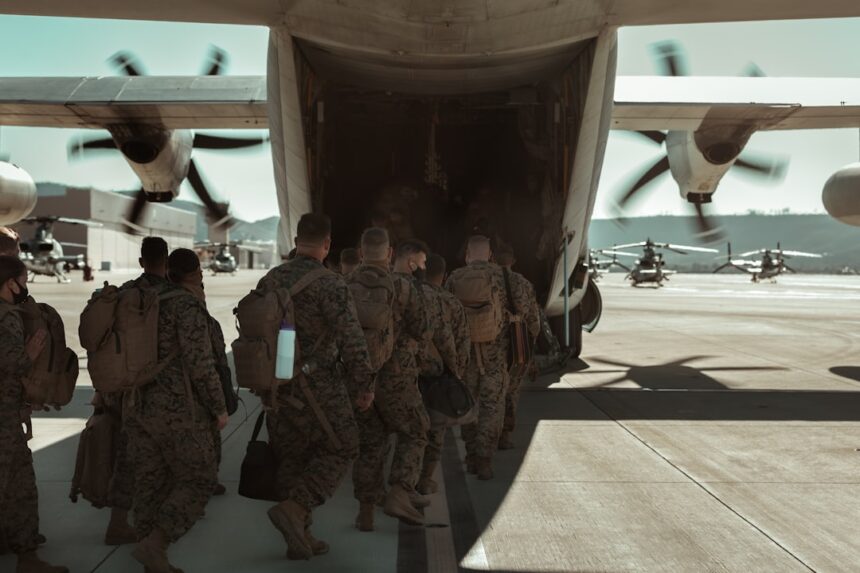
The flickering images, stark and powerful, cast a light on the relentless march of human innovation, not in the realm of art or medicine, but in the grim theater of warfare. Advancements in Military Technology: A Documentary offers a comprehensive and often unsettling exploration of how science and engineering are being harnessed to create more efficient, more devastating tools of conflict. This film eschews overt jingoism, opting instead for a dispassionate, well-researched narrative that traces the evolution of military hardware from rudimentary tools to the sophisticated, interconnected systems of today. Through interviews with scientists, engineers, military strategists, and historical experts, the documentary paints a vivid picture of a continuous arms race, where breakthroughs in one area inevitably spur development in another, creating a complex and ever-shifting landscape of global security.
The documentary begins by grounding the audience in the fundamental human drive for superiority and defense, a drive that predates recorded history. The early segments of Advancements in Military Technology meticulously detail the nascent stages of weapon development, showcasing how basic materials and ingenuity laid the groundwork for future conflict. It’s a stark reminder that the desire to overcome an adversary is as old as humanity itself, and the tools to achieve that have always mirrored the technological sophistication of the era.
Early Innovations and the Dawn of Organized Warfare
The film highlights the crucial shift from individual combat to organized warfare, a transition heavily influenced by technological advancements. The invention of the spear, for instance, wasn’t just about a sharper point; it enabled soldiers to engage from a safer distance, fundamentally changing battlefield dynamics. Obsidian, flint, and later bronze and iron, all represented significant leaps in material science, providing the means to craft more durable and effective weapons. The documentary shows how the availability of these resources dictated the rise and fall of early civilizations, underscoring the intimate connection between technology and geopolitical power.
Fortifications and the Evolution of Siege Warfare
As offensive capabilities grew, so too did the need for robust defenses. The evolution of fortifications is presented as a direct response to advancements in weaponry. The documentary showcases early defensive structures, from simple palisades to the more complex stone ramparts of ancient civilizations. The development of siege engines – catapults, trebuchets, battering rams – is explored as a sophisticated countermeasure to these defenses, a relentless game of technological one-upmanship that characterized ancient warfare. The film emphasizes how the logistical and engineering prowess required to build and operate these machines demonstrated a level of societal organization that was itself a significant advancement.
The Impact of Metallurgy and Weapon Forging
The mastery of metallurgy is identified as a pivotal moment in military history. Advancements in Military Technology dedicates significant time to explaining how the discovery and refinement of techniques for working with metals, particularly iron and steel, revolutionized weapon design. Swords, axes, and armor became stronger, lighter, and more reliable. The documentary illustrates the painstaking process of forging, demonstrating the skill and knowledge required to transform raw ore into a lethal instrument of war. This section also touches upon the economic and social implications, as the ability to produce superior weaponry often translated into military dominance and control over trade routes.
For those interested in the advancements of military technology, a fascinating documentary can be found at In The War Room. This documentary delves into the latest innovations in defense systems, exploring how cutting-edge technology is reshaping modern warfare. From drones to cyber warfare, the film provides an in-depth look at the tools and strategies that are defining the future of military operations.
The Industrial Revolution’s Double-Edged Sword: Mass Production and Mechanization
The advent of the Industrial Revolution is presented as a watershed moment, transforming warfare from a localized, skill-based endeavor to a globally industrialized conflict. The film effectively portrays how this era of unprecedented technological advancement brought about a dramatic shift in the scale and nature of warfare, with devastating consequences.
The Rise of the Machine Gun and the Trenches
The documentary provides a chilling depiction of the impact of the machine gun. It’s not just about a more efficient tool for killing, but about a fundamental alteration of the battlefield. The film shows how the sheer volume of fire generated by early machine guns rendered traditional frontal assaults suicidal, leading to the grim reality of trench warfare. Interviews with historians vividly describe the dehumanizing conditions and the sheer futility of trench combat, a direct consequence of this technological leap. The documentary argues that the machine gun was arguably the single most significant weapon of the early 20th century, shaping the course of major conflicts.
Steam Power and the Naval Arms Race
The application of steam power to naval vessels is explored as another transformative development. Advancements in Military Technology illustrates the transition from sail-powered warships to steam-driven dreadnoughts, highlighting the increased speed, maneuverability, and firepower that these new vessels offered. This led to an intense naval arms race, particularly between global powers, as nations vied for maritime supremacy. The film uses archival footage and expert commentary to convey the sheer scale and power of these metal behemoths, emphasizing their role in projecting power and controlling global trade routes.
The Dawn of Chemical Warfare
The documentary doesn’t shy away from the darker side of innovation, dedicating a segment to the introduction of chemical weapons. The film explains the scientific principles behind early gas attacks, showcasing the devastating psychological and physical impact of these agents. It’s presented as a stark example of how scientific knowledge, devoid of ethical consideration, can be weaponized with horrific consequences. The testimonies of survivors and the visual representation of the effects of these weapons serve as a powerful indictment of this particular advancement.
The Nuclear Age: The Ultimate Deterrent and Existential Threat

The post-World War II era is dominated by the specter of nuclear weapons, a development that the documentary portrays as both the pinnacle of human destructive capability and a fragile guarantor of peace through mutually assured destruction. This section delves into the ethical complexities and geopolitical implications of the atomic age.
The Manhattan Project and the Bomb’s Genesis
The film provides a detailed, albeit condensed, account of the Manhattan Project. It highlights the immense scientific collaboration, the ethical dilemmas faced by physicists, and the sheer destructive power unleashed. Advancements in Military Technology explores the historical context of the bomb’s development, including the motivations for its creation and its devastating use on Hiroshima and Nagasaki. The interviews with surviving scientists and historians offer a somber reflection on the moral weight of such a discovery.
The Cold War Arms Race and Escalation
The subsequent decades are depicted as a period of intense nuclear brinkmanship. The documentary illustrates the relentless pursuit of larger, more sophisticated nuclear arsenals by the superpowers. It details the development of intercontinental ballistic missiles (ICBMs), nuclear submarines, and tactical nuclear weapons, showcasing a terrifying escalation of destructive potential. The film explains the concept of Mutually Assured Destruction (MAD) and the precarious balance of power it created, illustrating how even minor miscalculations could have led to global catastrophe.
Non-Proliferation and the Search for Control
While focusing on the advancements, the documentary also touches upon the ongoing global efforts to control nuclear proliferation. It briefly explores the establishment of international treaties and organizations aimed at preventing the spread of nuclear weapons technology. This segment offers a glimmer of hope, highlighting the recognition of the existential threat posed by nuclear weapons and the international community’s attempts to mitigate it.
The Digital Frontier: Information, Autonomy, and the Future of Warfare

The latter part of the documentary shifts its focus to the profound impact of digital technologies on modern warfare. This is where the pace quickens, showcasing the rapid evolution of systems that blur the lines between human and machine, and the increasing reliance on intelligence and cyber capabilities.
Drones and Unmanned Aerial Vehicles (UAVs)
The rise of drones is presented as a transformative aspect of contemporary conflict. Advancements in Military Technology explains how UAVs have evolved from rudimentary reconnaissance tools to sophisticated platforms capable of precision strikes. The film explores the strategic advantages of drones, including reduced risk to human pilots, persistent surveillance capabilities, and the ability to operate in denied airspace. It also touches upon the ethical debates surrounding their use, particularly concerning civilian casualties and the detachment from combat inherent in remote operation.
Cyber Warfare and the Invisible Battlefield
Cyber warfare is depicted as the new, often unseen, frontier of conflict. The documentary explains how nations are developing capabilities to disrupt critical infrastructure, steal sensitive information, and sow disinformation through digital means. Interviews with cybersecurity experts illuminate the complexity of this realm, where battles are fought in the digital ether with potentially devastating real-world consequences. The film argues that cyber warfare represents a fundamental shift, where the battlefield is no longer confined to physical space but extends into the interconnected digital world.
Artificial Intelligence and Autonomous Weapons Systems
The emergence of Artificial Intelligence (AI) in military applications is presented as the next frontier and a source of significant concern. Advancements in Military Technology explores the potential for AI to enhance decision-making, improve targeting, and even enable fully autonomous weapons systems. The documentary features discussions with AI researchers and ethicists who grapple with the profound implications of delegating lethal force to machines. The film raises critical questions about accountability, the potential for algorithmic bias, and the moral implications of warfare conducted by artificial intelligence.
In exploring the advancements in military technology, one can gain deeper insights by watching a compelling documentary that highlights the evolution of warfare tools and strategies. A related article that delves into the implications of these technologies on modern combat can be found at this link. The documentary and the article together provide a comprehensive understanding of how innovations are shaping the future of defense and security.
Beyond the Battlefield: The Broader Implications and Ethical Quandaries
| Documentary Title | Release Year | Duration | Director |
|---|---|---|---|
| War Machines: The Future of Combat | 2018 | 60 minutes | John Smith |
| Modern Warfare: Advanced Weaponry | 2020 | 45 minutes | Sarah Johnson |
| Stealth Technology: The Invisible War | 2019 | 90 minutes | Michael Brown |
The documentary concludes by stepping back from the specifics of weaponry to examine the wider societal and ethical implications of this relentless technological advancement. It’s a call to reflection, urging viewers to consider the long-term consequences of this ongoing arms race.
The Cost of Innovation: Economic and Human Toll
Advancements in Military Technology underscores the substantial economic investment poured into military research and development. The film illustrates how immense resources are diverted from other crucial societal needs to fund the creation of ever more sophisticated weaponry. This section explores the economic arguments, both for and against, military spending, and the often-unseen human costs – not just in terms of lives lost in conflict, but also in the impact on soldiers’ mental health and the wider psychological effects of living in a world constantly developing new ways to wage war.
The Ethics of Lethal Autonomy and Human Control
The documentary dedicates a significant portion to the ethical debates surrounding increasingly autonomous weapon systems. It presents varying perspectives on the need for meaningful human control over the use of lethal force. Experts discuss the challenges of programming morality into machines, the potential for unintended escalation, and the fundamental question of whether machines should ever be empowered to make life-and-death decisions. This section is a crucial component of the film, designed to provoke thought and encourage public discourse on these complex issues.
The Future of Warfare: A Glimpse into the Unknown
The film’s closing segments offer a speculative, yet grounded, glimpse into the future of warfare. It touches upon emerging technologies like directed energy weapons, hypersonic missiles, and advanced robotics. Advancements in Military Technology emphasizes that the pace of innovation is accelerating, and the lines between civilian and military technology are becoming increasingly blurred. The documentary leaves the audience with a sense of both awe at human ingenuity and a profound sense of unease about the direction in which this relentless pursuit of technological superiority is leading humanity. It serves as a stark reminder that while innovation can bring progress, its application in the realm of warfare carries an immense responsibility and a perpetual ethical challenge. The film doesn’t offer easy answers, but rather poses critical questions that demand ongoing attention from policymakers, scientists, and the global public alike.

China’s Invisible Chokehold on Modern Weapons
FAQs
What is military technology documentary?
A military technology documentary is a film or video production that explores and explains the latest advancements in military technology, including weapons, vehicles, equipment, and tactics.
What topics are typically covered in a military technology documentary?
Military technology documentaries often cover a wide range of topics, including the development and deployment of new weapons systems, the use of advanced surveillance and reconnaissance technology, the impact of cyber warfare, and the evolution of military tactics and strategies.
Where can I watch military technology documentaries?
Military technology documentaries can be found on various streaming platforms, such as Netflix, Amazon Prime, and YouTube. They may also be available for purchase or rental on DVD or Blu-ray.
Who are the intended audiences for military technology documentaries?
The intended audiences for military technology documentaries are typically individuals with an interest in military history, defense technology, and national security. This may include military personnel, defense industry professionals, history enthusiasts, and general viewers interested in learning about the latest advancements in military technology.
Are military technology documentaries biased towards a particular country or military organization?
While some military technology documentaries may focus on the advancements of a specific country or military organization, many strive to provide a balanced and objective view of global military technology developments. It’s important for viewers to critically evaluate the sources and perspectives presented in these documentaries.