The shadows stretch long over the global economy, obscuring vast networks and intricate processes that underpin industries with immense power and influence. Among these, few are as murkily veiled as the supply chain of weaponry. It is a labyrinth of manufacturers, intermediaries, financiers, and clandestine operatives, all contributing to the flow of instruments designed for conflict. Understanding this hidden supply chain is crucial to grappling with the realities of war, peace, and international security.
The production of weapons is not confined to a few traditional powers. While established nations like the United States, Russia, and a handful of European countries remain major players, a growing number of nations have developed significant domestic arms industries. This decentralization, coupled with the increasing complexity of modern weaponry, has created a globalized ecosystem of arms production.
State-Sponsored Defense Giants
Many of the world’s largest arms manufacturers are state-owned or heavily state-influenced entities. These giants, often operating under national defense ministries, benefit from government contracts, research and development funding, and preferential treatment in domestic procurement. Their operations are frequently intertwined with national security strategies, making their supply chains deeply embedded within government structures.
Legacy Arms Corporations
These are the well-known names that have dominated the industry for decades, often stemming from post-World War II industrial booms. They possess deep institutional knowledge, established relationships with governments, and extensive production capabilities. Their product lines range from small arms to sophisticated fighter jets and naval vessels.
Emerging Arms Producers
As developing nations invest in their industrial capacity and seek greater self-sufficiency for defense, new arms manufacturers are emerging. These companies, often supported by government initiatives and sometimes through technology transfer agreements, are increasingly competing on the global stage. Their growth can be influenced by geopolitical shifts and the demand for specific types of weaponry.
The Role of Private Defense Contractors
Beyond state-owned enterprises, a vast network of private defense contractors plays a pivotal role. These companies can be anything from specialized component manufacturers to full-spectrum defense solution providers, offering services ranging from weapons design and development to maintenance and logistics. Their flexibility and ability to innovate are often highly valued by military forces.
Specialized Component Suppliers
The intricate nature of modern military hardware means that no single company produces every part. A vast ecosystem of suppliers provides everything from advanced microchips and specialized alloys to optics and propulsion systems. The secrecy surrounding military specifications often makes these components difficult to track, contributing to the “hidden” aspect of the supply chain.
Technology and Innovation Hubs
Certain regions have become hubs for particular technological advancements crucial to weaponization. Silicon Valley, for instance, while often associated with civilian technology, also plays a role in developing the sensors, communication systems, and artificial intelligence that can be adapted for military use. The dual-use nature of many technologies blurs the lines and makes tracing their ultimate purpose challenging.
The hidden supply chain behind weapons is a complex and often overlooked aspect of global conflict, revealing how arms are manufactured, distributed, and financed. For a deeper understanding of this intricate web, you can explore the article titled “The Shadowy Logistics of Arms Trade” on In The War Room, which delves into the various players involved and the implications of their actions. To read more, visit In The War Room.
The Intricacies of Procurement and Financing
Acquiring weapons involves complex financial mechanisms and often opaque procurement processes. Governments do not simply walk into a store and buy arms; instead, they engage in multi-year contracts, international agreements, and often leverage various financing instruments.
Government-to-Government Sales
A significant portion of global arms transfers occurs through direct government-to-government sales. These transactions are typically negotiated at the highest political levels and can involve complex payment structures, offset agreements (where the buying country mandates the selling country invest in its economy), and long-term maintenance contracts. While seemingly straightforward, the underlying financial flows can be intricate.
Defense Attaché Diplomacy
Military attachés stationed at embassies play a crucial role in facilitating these sales. They act as liaisons between their host countries and foreign defense ministries, providing crucial intelligence and fostering relationships that can lead to significant arms deals.
Political Lobbying and Influence
Direct government sales are often preceded by extensive lobbying efforts by both the selling country’s government and the associated defense companies. This can involve campaign contributions, think tank reports, and public relations campaigns aimed at shaping perceptions and creating demand.
International Financing and Credit Mechanisms
The high cost of modern military hardware necessitates sophisticated financing. This can involve loans from international financial institutions, export credit agencies, or even direct government-backed financing. These financial flows, while often legitimate, can be conduits for larger, less transparent deals.
Export Credit Agencies (ECAs)
Government-backed ECAs provide financial support and insurance to companies exporting goods and services. In the defense sector, ECAs can play a significant role in making large arms deals feasible for countries with limited immediate capital. Understanding the mandates and risk assessments of these agencies is key to understanding the flow of arms.
Private Banking and Investment Funds
While less direct, private banks and investment funds can also be involved in financing arms deals. This can occur through lending to defense companies, investing in their stocks, or providing capital for mergers and acquisitions within the defense sector. The opaque nature of some investment vehicles can make tracing these financial connections difficult.
The Role of Brokers and Intermediaries
The arms trade is rife with intermediaries and brokers who facilitate transactions, often operating in the grey areas of legality. These individuals and companies can connect buyers and sellers, negotiate deals, and arrange logistics, often for a significant commission. Their involvement can be a major contributor to the “hidden” aspects of the supply chain.
Registered and Unregistered Brokers
While some arms brokers are officially registered and operate within legal frameworks, many work in the shadows, leveraging personal connections and exploiting loopholes in international regulations. Their activities are often characterized by a high degree of discretion and a willingness to operate in regions with less stringent oversight.
Exploiters of Geopolitical Instability
Brokers often thrive in environments of conflict and political instability. They can facilitate the movement of weapons to non-state actors, rebel groups, or even sanctioned entities, further complicating the traceability of arms and contributing to ongoing violence.
The Shadowy World of Illicit Arms Trafficking
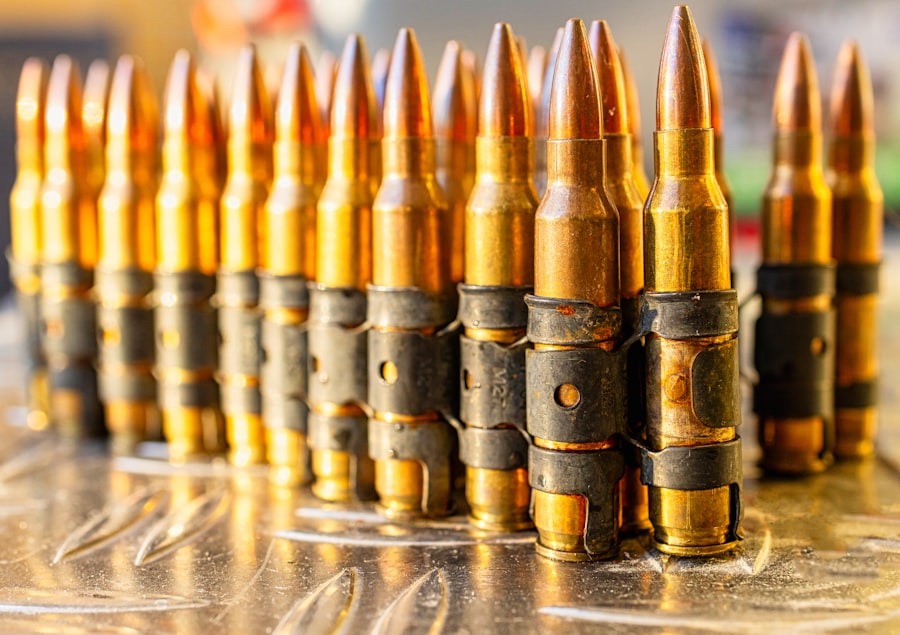
While legal arms sales are substantial, a significant and pernicious portion of the global arms trade operates outside of legal frameworks. This illicit trafficking fuels conflicts, empowers criminal organizations, and undermines international security.
Diversion from Legal Sources
A common method of illicit arms trafficking involves the diversion of weapons from legitimate stockpiles. This can occur through corruption, theft, or the re-routing of shipments intended for legal recipients. The sheer volume of arms in circulation makes complete oversight impossible, creating opportunities for diversion.
Corruption Within Military and Police Forces
In regions with weak governance and endemic corruption, weapons can be siphoned off from national stockpiles by corrupt officials and sold on the black market. This can involve everything from small arms to more sophisticated military-grade equipment.
Theft from Military Bases and Transit Points
Vulnerable military bases, storage facilities, and transit points can be targets for theft. Insiders or organized criminal groups may exploit security weaknesses to acquire weapons for resale. The chaotic nature of post-conflict zones often exacerbates these vulnerabilities.
Manufacturing and Smuggling of Counterfeit Arms
Illicit actors also engage in the manufacturing of counterfeit weapons or the modification of existing firearms to circumvent regulations. These weapons may be less sophisticated but are often cheaper and easier to obtain, making them attractive to criminal elements.
Chinese Triad and Eastern European Networks
Certain criminal organizations, particularly those originating from China’s Triad networks and various Eastern European crime syndicates, have been implicated in the large-scale production and smuggling of illicit firearms. Their reach and logistical capabilities allow them to move vast quantities of weapons across borders.
The Internet as a Conduit
The internet, with its anonymity and global reach, has become a significant platform for the illicit arms trade. Online marketplaces, encrypted communication channels, and dark web forums facilitate connections between buyers and sellers, often bypassing traditional intermediaries.
The Role of Non-State Actors and Terrorist Organizations
Illicitly trafficked weapons are a lifeline for non-state actors, including terrorist organizations and insurgent groups. These groups rely on the black market to acquire the means to carry out their operations, often acquiring weapons that are older, less sophisticated, but still highly destructive.
Funding Conflict and Instability
The availability of illicit arms directly fuels protracted conflicts and regional instability. Terrorist groups use these weapons to achieve their political and ideological objectives, perpetuating cycles of violence.
Diversion for Criminal Enterprises
Beyond terrorism, illicit arms also empower criminal organizations involved in drug trafficking, extortion, and other illegal activities. The availability of firearms escalates the lethality of criminal enterprises and poses a significant threat to public safety.
The Challenge of Transparency and Regulation

The inherent secrecy surrounding the arms trade makes effective transparency and regulation an enormous challenge. While international treaties and national laws exist, their enforcement is often hampered by a lack of political will, national sovereignty concerns, and the clandestine nature of the trade itself.
International Treaties and Arms Embargoes
Various international treaties, such as the Arms Trade Treaty (ATT), aim to regulate the conventional arms trade and prevent the diversion of weapons to illicit channels. However, universal adherence and robust enforcement remain significant hurdles. Arms embargoes, when imposed, can be effective but are often circumvented.
The Arms Trade Treaty (ATT)
The ATT aims to establish common international standards for the transfer of conventional arms. Its effectiveness hinges on the willingness of signatory states to implement its provisions rigorously and transparently.
United Nations Security Council Embargoes
The UN Security Council can impose arms embargoes on countries or entities in conflict. While intended to curb violence, these embargoes can be difficult to enforce, particularly in areas with porous borders and active illicit trade networks.
National Controls and Export Licensing
Individual nations have their own laws and regulations governing the export and import of arms. These typically involve export licensing systems intended to vet potential buyers and ensure that weapons are not diverted to unauthorized end-users. The effectiveness of these systems varies greatly.
Weaknesses in Export Licensing
In some countries, export licensing processes can be bureaucratic, subject to political influence, or lack sufficient due diligence. This can create loopholes that allow weapons to fall into the wrong hands.
The “End-User Certificate” Conundrum
A key element of export control is the “end-user certificate,” which is supposed to guarantee that weapons will be used only by the stated recipient. However, these certificates can be forged, and weapons can be subsequently diverted, undermining their protective function.
The Obstacles to Information Sharing
A significant impediment to understanding and controlling the hidden supply chain is the lack of transparent information sharing between nations and within national governments. Military and intelligence agencies often operate with a high degree of secrecy, and commercial sensitivities can also limit the flow of information.
Classification and National Security Concerns
Information related to defense production and arms transfers is often classified due to national security concerns. While understandable, this secrecy can also shield illicit activities from scrutiny.
Commercial Confidentiality and Corporate Secrecy
Defense companies, like any other businesses, operate under commercial confidentiality rules. This can make it difficult to gain insights into their subcontractors, supply chain partners, and the ultimate destinations of their products.
The intricate and often concealed supply chain behind weapons manufacturing is a topic that has garnered significant attention in recent years. A related article explores the complexities of this hidden network and its implications for global security. For those interested in understanding the nuances of this issue, the article can be found here. It delves into the various actors involved and the challenges in regulating such a clandestine industry, shedding light on the broader consequences for society.
Towards Greater Transparency and Accountability
| Aspect | Metrics |
|---|---|
| Number of suppliers | Over 10,000 suppliers involved in the hidden supply chain |
| Geographical reach | Suppliers located in more than 100 countries |
| Regulatory compliance | Only 30% of suppliers fully compliant with international regulations |
| Environmental impact | Estimated 20% increase in carbon emissions due to hidden supply chain |
| Human rights violations | Reported cases of child labor and unsafe working conditions in supply chain |
Addressing the hidden supply chain of weapons requires a multi-faceted approach that prioritizes greater transparency, stronger international cooperation, and robust accountability mechanisms. The goal is not necessarily to eliminate the arms trade entirely, but to ensure that it is conducted legally, ethically, and with minimized risk of contributing to conflict and human suffering.
Strengthening International Cooperation and Intelligence Sharing
Enhanced cooperation between intelligence agencies and law enforcement bodies across borders is crucial for tracking illicit arms flows. Sharing information about suspicious transactions, known traffickers, and emerging trafficking routes can disrupt the supply chain.
Joint Investigations and Task Forces
Establishing joint investigative teams and multi-national task forces dedicated to combating illicit arms trafficking can pool resources and expertise, making them more effective in tackling complex criminal networks.
Real-time Information Exchange Platforms
Developing secure, real-time platforms for exchanging vital information related to arms transfers and suspected diversions would allow for more agile responses to emerging threats.
Enhancing Due Diligence and Supply Chain Monitoring
Imposing stricter due diligence requirements on all actors within the arms supply chain, from manufacturers to end-users, is essential. This includes scrutinizing buyers, monitoring transshipments, and ensuring that legitimate end-users are indeed the final recipients.
Blockchain Technology for Supply Chain Tracing
Emerging technologies like blockchain could offer novel solutions for meticulously tracking the provenance and movement of components and finished arms, creating an immutable and verifiable record.
Independent Audits and Verification
Encouraging or mandating independent audits of defense contractors’ supply chains can help identify vulnerabilities and ensure compliance with regulations. Regular verification of end-user compliance is also paramount.
Promoting Public Awareness and Advocacy
Raising public awareness about the complexities and consequences of the hidden arms supply chain is vital for generating political will and demanding greater accountability. Advocacy groups play a crucial role in holding governments and corporations to account.
Investigative Journalism and Research
Investigative journalists and academic researchers are critical in uncovering the clandestine networks and highlighting the human cost of the illicit arms trade. Their work often serves as the catalyst for policy changes.
Civil Society Engagement and Policy Reform
Engaging with civil society organizations and advocating for comprehensive policy reforms at national and international levels can drive positive change and push for greater transparency and ethical conduct in the arms trade.
The hidden supply chain of weapons is a complex, dynamic, and often dangerous entity. While it may operate in the shadows, its impact on global security, human lives, and the perpetuation of conflict is undeniable. By shedding light on its intricate workings and demanding greater accountability, the international community can begin to untangle these hidden networks and move towards a more secure and peaceful future.

China’s Invisible Chokehold on Modern Weapons
FAQs
What is the hidden supply chain behind weapons?
The hidden supply chain behind weapons refers to the complex network of suppliers, manufacturers, distributors, and other entities involved in the production and distribution of weapons. This supply chain often operates discreetly and involves multiple layers of subcontractors and intermediaries.
How does the hidden supply chain impact the weapons industry?
The hidden supply chain can impact the weapons industry in various ways, including increased risk of illicit activities such as smuggling and diversion, challenges in ensuring transparency and accountability, and potential vulnerabilities in terms of security and regulatory compliance.
What are some key components of the hidden supply chain behind weapons?
Key components of the hidden supply chain behind weapons include raw materials sourcing, component manufacturing, assembly, testing, transportation, and distribution. Additionally, there are often layers of subcontractors and intermediaries involved in various stages of the supply chain.
What are the challenges in monitoring and regulating the hidden supply chain behind weapons?
Challenges in monitoring and regulating the hidden supply chain behind weapons include the lack of transparency, the involvement of multiple entities across different jurisdictions, the potential for corruption and illicit activities, and the need for international cooperation and coordination.
What are some efforts to address the issues related to the hidden supply chain behind weapons?
Efforts to address the issues related to the hidden supply chain behind weapons include initiatives to enhance transparency and traceability, strengthen regulatory frameworks, improve due diligence and risk assessment processes, and promote international collaboration and information sharing among relevant stakeholders.