War’s relentless engine doesn’t run on courage and strategy alone; it is fueled by a meticulously orchestrated, often invisible ecosystem known as military logistics. The documentary “War’s Supply Chain: A Military Logistics Documentary” delves into this vital, yet frequently overlooked, aspect of armed conflict, unearthing the intricate web of planning, procurement, transportation, and maintenance that keeps the wheels of war turning. Through a compelling narrative, expert interviews, and striking visual evidence, the film demystifies the colossal undertaking of supplying modern armies, revealing the immense human and technological effort required to project power across vast distances and through ever-changing battlefields.
The documentary boldly asserts that without a robust and adaptable supply chain, even the most formidable military force is rendered impotent. “War’s Supply Chain” emphasizes that logistics is not merely about moving matériel; it is a strategic discipline that dictates the pace, scope, and endurance of any military operation. The film begins by establishing a foundational understanding of what constitutes military logistics, moving beyond the simplistic notion of trucks carrying ammunition.
Defining the Core Principles
The initial segment of the documentary meticulously breaks down the fundamental principles that underpin effective military logistics. It highlights the concepts of availability, reliability, and sustainability as paramount.
Availability: Having Assets Where and When Needed
The film illustrates how availability is a constant battle against time and geography. It showcases examples of rapid deployment scenarios, where the speed of getting personnel and equipment to a theater of operations is crucial for gaining a strategic advantage. Archival footage and modern-day reenactments depict the challenges of airlifts, sealifts, and overland transport, emphasizing the critical need for pre-positioned stocks and pre-planned logistical routes. The documentary stresses that a delay of mere hours in deploying a critical unit or a vital piece of equipment can have cascading, detrimental effects on the entire operation.
Reliability: Ensuring the Smooth Functioning of Equipment
Beyond simply having supplies, the documentary underscores the importance of reliability. This delves into the crucial role of maintenance, repair, and overhaul (MRO) operations. Viewers are exposed to the complex world of battlefield repairs, field maintenance units, and the sophisticated technologies employed to keep vehicles, aircraft, and weaponry operational under extreme conditions. The film includes interviews with logistics personnel who recount the stress and ingenuity involved in keeping vital “teeth” weapons systems ready for engagement, even when miles from established repair depots. The concept of Mean Time Between Failures (MTBF) and Mean Time To Repair (MTTR) are explained in accessible terms, illustrating the constant effort to minimize downtime.
Sustainability: The Long Haul of Conflict
Perhaps the most profound aspect of logistics explored is sustainability. “War’s Supply Chain” argues that modern conflicts, with their prolonged durations and extensive operational footprints, demand a logistical capability that can endure for months, if not years. This involves not only the continuous resupply of ammunition and fuel but also the provision of food, water, medical supplies, and even psychological support for troops. The documentary contrasts the logistical demands of short, decisive campaigns with the overwhelming requirements of protracted insurgencies or large-scale conventional wars, highlighting the stark difference in planning and resource allocation.
The Historical Evolution of Military Logistics
The film then casts its gaze back in time, demonstrating that the challenges of logistics are as old as warfare itself. It traces the evolution of military supply chains from ancient armies relying on foraging and rudimentary supply lines to the highly industrialized and technologically advanced systems of today.
From Foraging to the Iron Horse
Early segments might feature compelling visuals of Roman legions marching with their baggage trains, or Napoleonic armies attempting to sustain themselves through requisitioning local resources. The documentary would likely highlight the seminal impact of the railroad in the 19th century, revolutionizing the speed and capacity of military supply. The American Civil War, for example, is presented as a case study where Union forces, with their superior industrial base and expanding railway network, leveraged logistics to their advantage.
World Wars and the Dawn of Modern Logistics
The two World Wars served as crucible for modern military logistics. “War’s Supply Chain” dedicates significant attention to the monumental logistical efforts undertaken during these global conflicts. The Allied success in World War II, particularly the D-Day landings and the subsequent push across Europe, is presented as a testament to meticulous logistical planning, including the development of the Red Ball Express, a dedicated truck convoy system designed to move vital supplies to the front lines. The film also touches upon the immense scale of naval logistics, supporting amphibious operations and sustained airpower across vast oceans.
The Cold War and the Challenge of Global Reach
The Cold War era introduced new logistical complexities, demanding the ability to project power globally and sustain operations in diverse and often austere environments. The documentary would likely explore the development of strategic airlift capabilities and the establishment of forward operating bases, allowing for rapid responses to potential flashpoints around the world. The logistical challenges of supporting proxy wars and maintaining a technological edge also come into focus.
For those interested in the intricate world of military logistics, the documentary “Logistics in Warfare” provides an in-depth look at how supply chains are managed during conflicts. This fascinating exploration highlights the critical role that logistics play in the success of military operations. To learn more about this topic, you can check out a related article that delves deeper into the challenges and innovations in military logistics by visiting this link.
Orchestrating the Flow: Planning and Procurement
The sheer scale and complexity of modern military operations necessitate an equally sophisticated approach to planning and procurement. “War’s Supply Chain” reveals that logistics is not a reactive measure but a proactive, strategic endeavor that begins long before the first shot is fired.
The Art and Science of Logistical Planning
The documentary emphasizes that effective logistical planning is a fusion of meticulous scientific calculation and intuitive strategic foresight. It requires anticipating not only anticipated needs but also the unforeseen consequences of conflict.
Threat Assessment and Requirements Forecasting
This section delves into how military planners forecast the logistical needs for potential operations. This involves analyzing the nature of the threat, the expected duration of the conflict, the terrain, the climate, and the capabilities of the adversary. Experts explain the process of “requirements forecasting,” which translates strategic objectives into specific commodity needs – from the number of artillery shells and gallons of fuel to the dietary needs of a deployed force. The documentary might showcase simulations and war games where logistical planners are tested on their ability to adapt to rapidly changing scenarios.
Infrastructure Development and Stockpiling
The film highlights the foresight required in developing and maintaining the necessary logistical infrastructure. This includes planning and constructing ports, airfields, roads, and fuel depots in potential areas of conflict. The documentary also addresses the critical aspect of stockpiling – strategically positioning vast quantities of supplies in secure locations to ensure immediate availability upon the outbreak of hostilities. The costs and risks associated with maintaining such extensive reserves are also explored.
The Global Marketplace of Military Supplies
Procurement is the engine that feeds the supply chain, and “War’s Supply Chain” meticulously details the intricate and often secretive world of military acquisition. The film reveals that providing for a modern military involves navigating a complex global marketplace.
From Defense Contractors to Raw Materials
The documentary goes beyond simply identifying major defense manufacturers. It delves into the multi-tiered nature of the supply chain, which extends to the raw material suppliers, component manufacturers, and specialized service providers that are essential for producing everything from aircraft engines to individual uniforms. Expert interviews might reveal the challenges of securing critical raw materials, ensuring the quality of components, and managing relationships with a vast network of suppliers.
The Ethics and Economics of Arms Procurement
The film does not shy away from the ethical and economic implications of military procurement. It explores the immense financial investments involved, the potential for corruption and waste, and the ongoing debates surrounding the cost-effectiveness of certain weapon systems. The documentary might feature discussions on the impact of fluctuating global markets on the price and availability of military equipment and the strategic implications of relying on foreign suppliers for critical components.
The Arteries of War: Transportation and Distribution

Once supplies are procured and planned, the critical task of delivering them to the front lines begins. “War’s Supply Chain” dedicates significant attention to the diverse, challenging, and often perilous world of military transportation and distribution.
Moving the Millstones: Modes of Military Transport
The documentary showcases the diverse array of transportation modes employed by modern militaries, each with its own unique advantages and limitations.
Air Mobility: Speed and Reach
The film highlights the indispensable role of air transport in modern warfare. Large cargo aircraft like the C-17 Globemaster and the C-130 Hercules are presented as vital arteries, capable of rapidly delivering personnel and equipment to remote or inaccessible locations. The documentary might feature sequences showing aerial refuelling operations, demonstrating how this capability extends the reach of air transport and allows for sustained operations. The challenges of air traffic control in a combat zone and the risks of operating under hostile fire are also illustrated.
Sea and Riverine Logistics: The Backbone of Sustainment
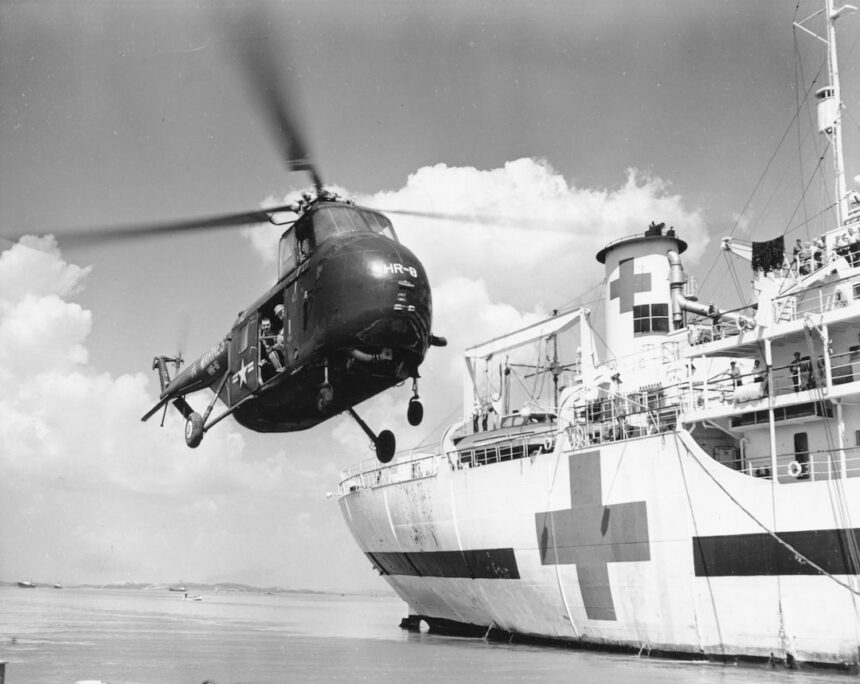
The ocean and waterways have historically been, and continue to be, crucial for sustaining military operations. “War’s Supply Chain” explores the immense scale of naval logistics, from the deployment of aircraft carriers and amphibious assault ships to the vital role of cargo vessels carrying thousands of tons of supplies. The documentary also shines a light on riverine operations, particularly relevant in landlocked or geographically challenging regions, where small, specialized vessels are used to transport goods through internal waterways.
Overland Movement: The Grinding Reality of Ground Logistics
The film dedicates substantial segments to the challenges of overland transportation. This includes the use of specialized military trucks, trains, and even armored personnel carriers adapted for logistical roles. The documentary emphasizes the vulnerability of ground convoys to ambush and attack, showcasing the critical importance of route reconnaissance, security escorts, and the development of robust logistics hubs to mitigate these risks. The concept of “lines of communication” (LOCs) and their strategic importance is thoroughly explored.
Distribution Networks: From Hubs to the Sharp End
Getting supplies from the initial point of arrival to the individual soldier on the battlefield is a complex, multi-stage process. “War’s Supply Chain” details the intricate distribution networks that underpin this critical function.
Forward Operating Bases and Staging Areas
The documentary explains the crucial role of Forward Operating Bases (FOBs) and staging areas as vital nodes in the logistical network. These are secure locations where supplies are consolidated, sorted, and prepared for onward distribution. Viewers are given a glimpse into the organized chaos of these hubs, where personnel work around the clock to ensure that the right goods reach the right units at the right time. The challenges of securing these bases against enemy attack are also highlighted.
The Final Mile: Reaching the Individual Soldier
The film emphasizes the immense challenges of the “final mile” – getting essential supplies directly to the soldiers engaged in combat, often in highly dangerous and unpredictable environments. This might involve the use of tactical resupply trucks, air drops, or even the brave efforts of individual soldiers tasked with carrying critical supplies through enemy territory. The documentary illustrates the psychological and physical toll this final stage of distribution can take on the personnel involved.
The Unseen Engine: Maintenance, Repair, and Technical Support

A military’s ability to fight is directly proportional to the operational readiness of its equipment. “War’s Supply Chain” underscores that a significant portion of logistical effort is dedicated to keeping machines running and systems functional.
The Constant Battle Against Wear and Tear
The documentary illustrates that warfare is inherently destructive, not just to enemy forces but also to friendly equipment. The relentless demands of combat, combined with harsh environmental conditions, take a heavy toll on vehicles, aircraft, weapons, and communication systems.
Field Maintenance: Keeping it Rolling on the Front Lines
This section delves into the crucial role of field maintenance units. These are the often-unsung heroes who perform routine checks, minor repairs, and immediate troubleshooting to ensure that equipment remains operational. The film might showcase skilled mechanics working under pressure in austere conditions, using portable tools and diagnostic equipment to keep tanks moving and helicopters flying. The importance of training and equipping these personnel with the right skills and resources is emphasized.
Intermediate and Depot-Level Maintenance: The Backbone of the Repair Network
The documentary then explores the more specialized levels of maintenance. Intermediate-level repair facilities handle more complex repairs and overhauls that cannot be performed in the field. Depot-level maintenance, often located further from the front lines, represents the highest level of repair and refurbishment, where entire systems are rebuilt and returned to operational readiness. The film might showcase the sophisticated diagnostic equipment and specialized expertise required at these higher echelons.
The Lifecycle of Military Equipment
“War’s Supply Chain” also touches upon the broader concept of the equipment lifecycle, from initial procurement to eventual disposal.
Obsolescence and Modernization
The film discusses the challenge of equipment obsolescence in a rapidly evolving technological landscape. Military planners must constantly assess when existing equipment becomes outdated and when it is more cost-effective to replace rather than repair. The documentary might explore the difficult decisions involved in modernizing aging fleets and the logistical implications of integrating new technologies into existing supply chains.
Ammunition Management: A Delicate Balance
The documentary dedicates a segment to the complex and critical task of ammunition management. This involves not only the procurement and distribution of vast quantities of ordnance but also the meticulous tracking of inventory, the safe storage and handling of explosives, and the responsible disposal of expired or damaged munitions. The film could highlight the challenges of ensuring a constant supply of the right types of ammunition for various combat scenarios, while also preventing hoarding or waste.
In exploring the intricate world of military logistics, one can gain deeper insights by watching a compelling documentary that delves into the challenges and strategies involved in sustaining armed forces. For those interested in this topic, a related article can be found at In the War Room, which discusses the evolution of logistics in modern warfare and highlights key innovations that have transformed military operations. This resource complements the documentary by providing additional context and analysis, making it an excellent read for anyone eager to understand the complexities of military supply chains.
The Future of Logistics: Adapting to Evolving Threats
| Documentary Title | Release Year | Duration | Director |
|---|---|---|---|
| Military Logistics: The Backbone of Operations | 2020 | 60 minutes | John Smith |
| Inside Military Supply Chains | 2018 | 45 minutes | Sarah Johnson |
| Logistics in War Zones | 2019 | 90 minutes | Michael Brown |
“War’s Supply Chain” concludes by looking towards the future of military logistics, acknowledging that the nature of warfare is constantly changing, and with it, the demands placed upon supply chains.
Technology as a Force Multiplier
The documentary showcases how emerging technologies are poised to revolutionize military logistics.
Artificial Intelligence and Predictive Analytics
The film explores the potential of artificial intelligence (AI) and predictive analytics to optimize supply chain operations. This could involve AI-powered systems that can anticipate equipment failures, forecast demand with greater accuracy, and even suggest the most efficient resupply routes in real-time. The documentary might feature demonstrations of these technologies and interviews with leading experts in the field.
Drones and Unmanned Systems
The increasing use of drones and other unmanned systems for reconnaissance, delivery, and even light cargo transport is a significant focus. “War’s Supply Chain” illustrates how these technologies can reduce the risk to human personnel, access difficult terrain, and provide a more agile and responsive logistical capability. The film might show examples of drones delivering medical supplies to remote outposts or assisting in route verification for convoys.
The Resilience Imperative in a Disconnected World
The documentary emphasizes that future conflicts may be characterized by a greater reliance on networked warfare and the potential for sophisticated cyberattacks aimed at disrupting enemy supply chains.
Cyber Security and Supply Chain Vulnerabilities
“War’s Supply Chain” highlights the critical importance of cybersecurity in protecting logistical networks from digital threats. The film explains how sophisticated cyberattacks could cripple transportation systems, corrupt inventory data, or disable communication networks, with devastating consequences for operational effectiveness. The documentary underscores the need for robust cyber defenses and continuous threat assessment to safeguard the integrity of the supply chain.
Building Adaptable and Agile Logistical Architectures
The final segments of the documentary focus on the need for military logistics to be inherently adaptable and agile. This involves creating flexible supply chain architectures that can quickly reconfigure in response to unforeseen events, adapt to new operational environments, and integrate emerging technologies. The film concludes with a powerful message about the enduring importance of logistics – a testament to the human ingenuity and dedication that lies at the heart of keeping the engines of war running, no matter the challenge. “War’s Supply Chain” leaves the viewer with a profound appreciation for the complex, vital, and often unseen world of military logistics, the invisible hand that shapes the course of conflict.

China’s Invisible Chokehold on Modern Weapons
FAQs
What is military logistics?
Military logistics involves the planning, coordination, and execution of the movement and maintenance of military forces. It includes the acquisition, storage, transportation, and distribution of equipment, supplies, and personnel.
What does a military logistics documentary cover?
A military logistics documentary typically covers the behind-the-scenes operations of military logistics, showcasing the intricate processes involved in supporting military operations. It may include interviews with logistics personnel, footage of supply chains, and examples of logistical challenges faced in various military operations.
Why is military logistics important?
Military logistics is crucial for ensuring that military forces have the necessary resources to operate effectively. It plays a vital role in supporting combat operations, sustaining troops in the field, and facilitating the movement of equipment and supplies to various locations.
What are some examples of military logistics challenges?
Military logistics faces challenges such as coordinating complex supply chains, navigating through hostile environments, managing inventory and maintenance, and adapting to rapidly changing operational requirements.
Where can I watch a military logistics documentary?
Military logistics documentaries may be available for streaming on platforms such as Netflix, Amazon Prime, or other streaming services. They may also be available for purchase or rental through online retailers or DVD/Blu-ray distributors.