The flickering screen illuminated the faces of the documentary crew, their determined expressions mirroring the arduous task ahead: to pierce the veil of secrecy surrounding the rare earth refining process. For too long, these critical elements, the bedrock of modern technology, have been shrouded in an opaque industrial mystique, their extraction and processing largely unknown to the wider public. “Uncovering the Rare Earth Refining Process: A Documentary” promised to not just demystify this complex chain, but to reveal the intricate dance of chemistry, engineering, and environmental stewardship that underpins our digital age. The film embarks on a global journey, from the mineral-rich landscapes where these element-bearing ores are first wrested from the earth, to the highly specialized facilities where they are painstakingly separated and purified. It is a narrative of discovery, innovation, and importantly, of consequence.
The documentary begins its exploration at the very source of rare earth elements (REEs) – the mines. This section delves into the geological formations that host these valuable deposits and the initial steps taken to bring them to the surface. The viewer is introduced to the sheer scale of these operations, the immense machinery, and the arduous labor involved.
Geological Origins of Rare Earth Deposits
The film masterfully illustrates the geological processes responsible for concentrating REEs. Through stunning drone footage and expert interviews with geologists, the audience learns about the formation of carbonatites and ion-adsorption clays, the primary sources of these elements. The narrative emphasizes that while REEs are not “rare” in the Earth’s crust in absolute terms, their concentration into economically viable deposits is infrequent. This initial segment establishes the fundamental challenge: finding and accessing these crucial minerals. The visual storytelling here is key. We see vast open-pit mines, reminiscent of lunar landscapes, where colossal excavators claw at the earth. We are shown underground mines, where the darkness is punctuated by the glare of headlamps and the rumble of heavy machinery. The documentary doesn’t shy away from the logistical and environmental challenges inherent in such large-scale resource extraction.
Mining Techniques and Initial Processing
Once located, the ore undergoes its first transformations. The documentary meticulously details the various mining methods employed, from open-pit excavation to underground blasting and drilling. It highlights the specialized equipment designed to extract the specific ore bodies containing REEs, often mixed with other minerals. Following extraction, the raw ore is subjected to crushing and grinding processes to reduce its size and prepare it for the subsequent stages of beneficiation. This phase showcases the brute force of industrial mineral processing, meticulously preparing the material for the more delicate chemical interventions to come. The film emphasizes the initial physical separation, using techniques like gravity concentration and magnetic separation to remove waste rock and concentrate the REE-bearing minerals. This is presented not as a simple sifting, but as a complex series of engineered solutions to efficiently isolate the desired material from its geological matrix.
Environmental Considerations at the Mine Site
No documentary on resource extraction would be complete without addressing its environmental footprint. This subsection confronts the realities of mining, presenting footage of land disturbance, water usage, and the management of tailings. The filmmakers interview environmental scientists and mine representatives, offering a multi-faceted perspective on the ongoing efforts to mitigate environmental impact. The documentary acknowledges the challenges, including potential for habitat disruption, dust generation, and water contamination risks. It also highlights the technological advancements and regulatory frameworks aimed at minimizing these effects, presenting a balanced if sometimes somber picture of the initial stages of the REE supply chain. The visual narrative captures the vastness of mining operations and their undeniable impact on the landscape, contrasting this with the efforts to implement rehabilitation and reclamation strategies. Expert commentary provides context on the scale of the challenge and the scientific approaches being taken to address it.
For those interested in the intricate processes involved in rare earth refining, a compelling article that delves deeper into the subject can be found at In the War Room. This piece explores the geopolitical implications of rare earth elements, shedding light on their critical role in modern technology and the challenges faced in their extraction and refinement.
The Alchemical Transformation: Leaching and Separation
The heart of the documentary lies in its detailed exploration of the chemical processes that unlock the individual rare earth elements from the ore. This section moves from the physical realm of extraction to the intricate world of chemical reactions.
The Role of Hydrometallurgy
The documentary explains that hydrometallurgy is the dominant approach for REE extraction. It details how crushed and ground ore, often pre-roasted, is subjected to leaching. This involves using various chemical reagents, typically strong acids like sulfuric acid or hydrochloric acid, to dissolve the REEs and other metals from the solid ore into a liquid solution. The film uses clear, animated graphics to illustrate these dissolution processes, making complex chemical reactions accessible to a general audience. The visual representation of the leaching tanks, large vats where the ore and chemical mixture churn, emphasizes the scale of this operation. Expert chemists explain the principles of chemical kinetics and thermodynamics at play, guiding the viewer through the critical stages of extracting target elements from their mineral matrix.
Solvent Extraction: The Precision Dance of Separation
This is where the documentary truly shines, unraveling the intricate and often proprietary techniques of solvent extraction. The film explains that once the REEs are in solution, separating them from each other and from other impurities is a significant challenge. This is achieved through a multi-stage process involving organic solvents that selectively bind to specific rare earth ions. The documentary walks the viewer through a cascade of mixer-settlers, demonstrating how the aqueous REE solution is repeatedly brought into contact with the organic solvent. Each stage extracts a slightly different REE or group of REEs, creating a complex, multi-step purification pathway. The analogy of a highly specialized chemical sieve is used effectively to convey the precision of this technique. The visual depiction of the vibrant colors of the different organic phases and their subtle shifts as REEs are extracted adds a captivating visual element to this otherwise abstract chemical process.
Ion Exchange and Precipitation: Finalizing Purity
The documentary also touches upon other separation techniques, such as ion exchange chromatography, which is often used for separating the more chemically similar light rare earth elements like lanthanum and cerium. Furthermore, it explains the precipitation stage, where the purified REE ions are then converted back into solid compounds, such as oxides or carbonates, with high purity. This showcases the final steps in achieving the specific forms of rare earth compounds required by various industries. The careful control of pH, temperature, and reagent concentrations is highlighted as being crucial for achieving the desired purity levels. The visual narrative here shifts to more controlled laboratory-like settings, emphasizing the delicate adjustments and precise measurements that are vital for success. The transformation of clear solutions into fine, white powders, the tangible output of this complex process, provides a satisfying conclusion to the chemical journey.
The Environmental and Societal Footprint
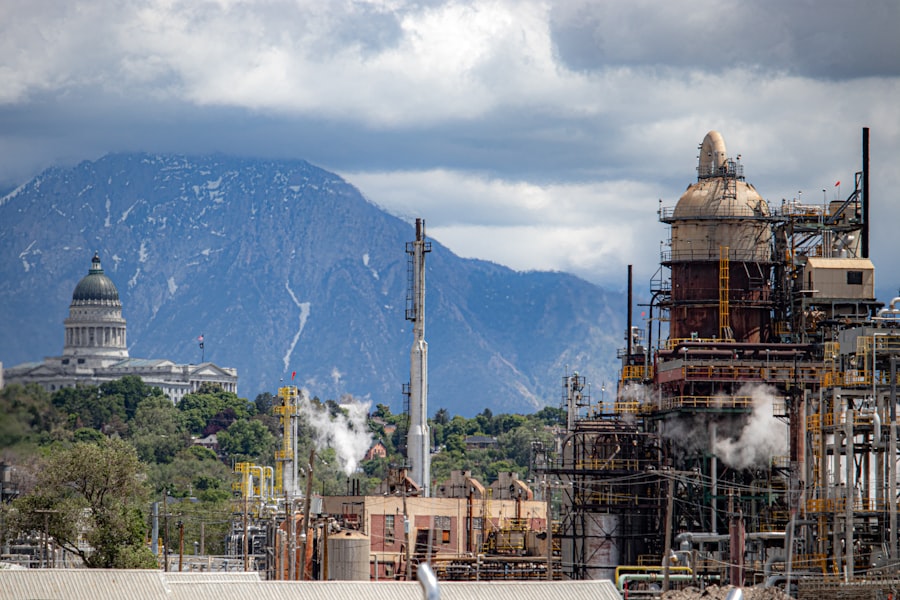
With the technical complexities addressed, the documentary shifts its focus to the broader implications of rare earth refining, acknowledging the significant environmental and societal challenges associated with the industry.
Water Management and Wastewater Treatment
The documentary dedicates significant attention to the vast amounts of water used and the critical importance of responsible water management. It details the processes involved in treating the wastewater generated throughout the refining stages, which can contain residual chemicals and dissolved metals. The film showcases advanced wastewater treatment facilities, employing techniques like reverse osmosis and neutralization to remove contaminants before discharge or reuse. The visual emphasis here is on the scale of these systems and the sophisticated monitoring required to ensure compliance with environmental regulations. Experts discuss the potential impacts of improper wastewater management on local ecosystems and human health, underscoring the ethical imperative for rigorous environmental protection. The contrasting imagery of pristine natural landscapes and industrial water treatment plants highlights the ongoing tension between resource utilization and environmental preservation.
Air Emissions and Solid Waste Disposal
Beyond water, the documentary addresses air quality and solid waste management. It details the technologies employed to capture and neutralize airborne pollutants, such as acid fumes and dust particles, generated during specific refining steps. The film also explores the challenges of disposing of solid waste, including tailings from the initial extraction and chemical residues from the refining process. The documentary highlights the efforts to develop innovative recycling and reuse strategies for these waste materials, aiming to reduce the overall environmental burden. The visual representation of emissions control systems and secure waste disposal sites provides a concrete understanding of the industry’s efforts to mitigate its atmospheric and land-based impacts. Interviews with environmental engineers and waste management specialists offer insights into best practices and ongoing research in this critical area.
The Geopolitical Landscape and Supply Chain Security
The narrative expands to encompass the geopolitical ramifications of rare earth dependency. The documentary reveals how a few countries dominate global production and refining, creating significant supply chain vulnerabilities for other nations. It explores the historical context of this concentration and the ongoing efforts by various countries to diversify their sources and develop domestic refining capabilities. The film features interviews with policymakers and industry analysts who discuss the strategic importance of rare earths in areas like defense, telecommunications, and renewable energy. This section elevates the documentary from a purely scientific exploration to a crucial geopolitical commentary, underscoring the interconnectedness of global economies and national security interests with the seemingly obscure world of rare earth refining. The visual narrative often shifts to maps and infographics, illustrating global trade flows and production hubs, making the complex geopolitical landscape more accessible.
Innovations and the Future of Rare Earth Refining

The documentary doesn’t shy away from the challenges, but it also looks towards the future, highlighting ongoing research and development aimed at improving the efficiency, sustainability, and accessibility of rare earth refining.
Greener Chemistry and Alternative Reagents
This subsection focuses on the development of more environmentally friendly leaching and separation agents. The documentary profiles research initiatives exploring the use of bio-leaching with microorganisms, ionic liquids, and greener organic solvents. The aim is to reduce the reliance on harsh acids and volatile organic compounds, thereby minimizing the environmental footprint of the refining process. The visual content here often features advanced laboratory settings where scientists are working with novel materials, demonstrating the cutting edge of chemical innovation. The animated graphics explain the chemical principles behind these greener approaches, emphasizing their potential to revolutionize the industry. The narrative conveys a sense of hope and progress, showcasing the scientific community’s commitment to finding more sustainable solutions.
Improved Extraction Efficiency and Resource Recovery
The film showcases advancements in optimizing extraction and separation processes to maximize the recovery of rare earth elements from lower-grade ores and even from waste streams. This includes exploring novel catalysts, advanced membrane technologies, and more efficient reactor designs. The goal is to make the extraction process more economically viable and to reduce the amount of raw material needed, thereby lessening the impact of mining. The visual storytelling here often involves detailed schematic diagrams of new process designs and footage of pilot plants where these innovative technologies are being tested. Interviews with materials scientists and chemical engineers highlight the ongoing pursuit of greater efficiency and resourcefulness.
Recycling and Circular Economy Approaches
A significant portion of this section is dedicated to the crucial topic of recycling rare earth elements. The documentary explores the challenges and opportunities associated with recovering REEs from end-of-life electronic products, magnets, and other high-tech components. It highlights the growing importance of a circular economy model for rare earths, aiming to reduce the demand for virgin materials and mitigate the environmental impact of their extraction. This part of the film shows the complex disassembly of electronic devices and the chemical processes involved in extracting REEs from these complex mixtures. The visual narrative here often involves close-ups of discarded electronics and the intricate sorting and processing of these materials, emphasizing the potential for reclaiming valuable resources. The success of these initiatives, the documentary argues, is vital for ensuring a sustainable future for technologies that rely on rare earths.
The documentary on rare earth refining sheds light on the complex processes involved in extracting these essential materials, which are crucial for modern technology. For those interested in exploring this topic further, a related article provides an in-depth analysis of the environmental impacts associated with rare earth mining. You can read more about it in this insightful piece here. This article complements the documentary by discussing the balance between technological advancement and environmental responsibility.
The Unseen Impact: Where Rare Earths Power Our World
| Metrics | Data |
|---|---|
| Documentary Title | Rare Earth Refining |
| Release Date | 2021 |
| Duration | 60 minutes |
| Director | [Director’s Name] |
| Production Company | [Company Name] |
The documentary concludes by bringing the complex journey of rare earth refining full circle, connecting the refined elements to the ubiquitous technologies they enable and emphasizing the profound societal reliance upon them.
From Ore to Everyday Devices
This final section visually demonstrates how the purified rare earth oxides and metals are transformed into the functional components of countless everyday devices. The film takes the audience from the refined powders to the actual manufacturing lines – showing the creation of powerful permanent magnets found in electric vehicle motors and wind turbines, the phosphors that illuminate our screens, and the catalysts essential for pollution control in automobiles. The visual juxtaposition of the raw mineral dust with the sleek, sophisticated finished products drives home the fundamental importance of the refining process. Interviews with engineers and product designers underscore the unique properties of REEs that make them indispensable in these applications. The narrative here is one of immense technological achievement, made possible by the unseen work of rare earth refining.
The Future of Technology and Rare Earth Dependency
The documentary posits that the continued advancement of many critical technologies, from renewable energy solutions to next-generation electronics and advanced medical devices, hinges on the reliable and sustainable supply of rare earth elements. It raises questions about future resource security, the need for further innovation in both extraction and recycling, and the ethical considerations surrounding the global supply chain. The film serves as a stark reminder of our interconnectedness with the earth’s resources and the intricate web of industrial processes that underpin our modern existence. The final scenes are often powerful montages of these technologies in action, leaving the viewer with a profound appreciation for the unseen journey of rare earth elements. The concluding remarks emphasize the necessity of informed public discourse and continued investment in sustainable practices to ensure the future availability of these critical materials.
“Uncovering the Rare Earth Refining Process: A Documentary” stands as a vital piece of investigative filmmaking. It successfully navigates the labyrinthine complexities of rare earth refining, demystifying the science and shedding light on the environmental and geopolitical realities. By venturing from the depths of the earth to the heart of our technological innovations, the film offers a compelling narrative that educates, provokes, and ultimately, underscores the indispensable role of these elements in shaping our modern world. It is a call to awareness, urging a deeper understanding and a more responsible approach to the extraction and utilization of these precious, yet often overlooked, materials.

China’s Invisible Chokehold on Modern Weapons
FAQs
What is the rare earth refining documentary about?
The rare earth refining documentary explores the process of extracting and refining rare earth elements, which are crucial for the production of various high-tech products such as smartphones, electric vehicles, and renewable energy technologies.
Why are rare earth elements important?
Rare earth elements are important because they are essential components in the manufacturing of many modern technologies, including electronics, magnets, and batteries. They are also used in defense technologies, making them crucial for national security.
What are some of the environmental and social impacts of rare earth refining?
The refining of rare earth elements can have significant environmental and social impacts, including pollution of air and water, destruction of natural habitats, and health risks for workers. Additionally, the mining and refining of rare earth elements can lead to social conflicts and displacement of communities.
What are some of the challenges in rare earth refining?
Challenges in rare earth refining include the complex and costly extraction process, environmental concerns, and the dominance of China in the global rare earth market. Additionally, there are challenges related to the recycling and sustainable sourcing of rare earth elements.
How can individuals and industries support responsible rare earth refining practices?
Individuals and industries can support responsible rare earth refining practices by promoting recycling of rare earth elements, advocating for sustainable sourcing and production practices, and supporting research and development of alternative materials that can reduce the reliance on rare earth elements.