The landscape of military power is in perpetual flux, a dynamic interplay of technological leaps, evolving geopolitical realities, and the relentless pursuit of strategic advantage. The future of warfare is not a distant, abstract concept; it is being shaped today through a confluence of groundbreaking advancements and unwavering innovation. Nations are investing heavily in research and development, pushing the boundaries of what is possible to equip their forces with capabilities that can deter adversaries, project power, and secure national interests in an increasingly complex and interconnected world. This pursuit is characterized by a holistic approach, encompassing not just hardware but also the underlying doctrine, training, and human capital that bring these innovations to fruition. The emphasis has shifted from brute force to precision, from large monolithic formations to agile, distributed networks, and from predictable engagements to unpredictable, adaptive operations. The confluence of artificial intelligence, advanced robotics, cyber warfare, and novel strategic platforms portends a revolution in how conflicts are conceived and executed, demanding a continuous re-evaluation of military paradigms.
The integration of Artificial Intelligence (AI) into military operations stands as one of the most transformative shifts in modern defense. AI’s ability to process vast amounts of data, identify patterns, make rapid decisions, and operate with greater speed and accuracy than humans is revolutionizing every facet of military power, from intelligence gathering and logistics to direct combat. The future battlefield will be as much an algorithmic one as a physical one, driven by intelligent systems that enhance human capabilities and, in some instances, operate independently.
Enhanced Intelligence, Surveillance, and Reconnaissance (ISR)
The sheer volume of data generated by modern sensor networks – satellites, drones, ground sensors, and cyber intelligence – is overwhelming for human analysts. AI algorithms can sift through this deluge, identifying anomalies, correlating disparate information, and generating actionable intelligence with unprecedented speed. Machine learning models can be trained to recognize specific targets, predict enemy movements, and assess battlefield conditions, providing commanders with a clearer and more timely understanding of the operational environment.
Predictive Analytics for Threat Assessment
AI-powered predictive analytics are moving beyond simple threat identification to anticipating potential future actions. By analyzing historical data, open-source information, and real-time sensor feeds, these systems can forecast areas of potential conflict, identify emerging threats, and even predict the likelihood of specific enemy tactics. This foresight allows for proactive rather than reactive responses, enabling military forces to position themselves strategically and allocate resources more effectively.
Autonomous Sensor Networks and Fusion
The future of ISR will involve increasingly autonomous sensor networks. AI will enable these networks to self-organize, adapt to changing environments, and collaboratively fuse data from diverse sources. This means that instead of relying on human operators to direct each sensor, the network as a whole will be able to identify targets of interest, track them across multiple domains, and deliver fused intelligence directly to relevant commanders without constant human intervention.
Lethal Autonomous Weapons Systems (LAWS)
The development of LAWS, capable of identifying, selecting, and engaging targets without direct human control, represents a significant ethical and strategic debate. While proponents argue for increased operational efficiency, reduced risk to friendly forces, and faster reaction times in high-stakes scenarios, concerns about accountability, unintended escalation, and the erosion of human judgment in the use of lethal force are substantial. The international community continues to grapple with the development of norms and regulations around these systems.
The Spectrum of Autonomy: From Assistive to Fully Autonomous
It’s important to differentiate between various levels of autonomy. Many current systems offer AI-assisted decision-making capabilities, where an algorithm might flag potential targets for human review. The future will likely see a gradual increase in autonomy, with systems demonstrating greater capability to operate independently in well-defined operational areas and under specific constraints. This evolutionary approach allows for adaptation and learning while addressing some of the immediate ethical concerns.
Countering Swarming and Massed Attacks
One of the primary justifications for developing LAWS is the need to counter threats that operate at speeds and scales beyond human capacity to respond effectively. Swarming drone attacks, for example, could overwhelm traditional layered defense systems. Autonomous systems, with their rapid processing and engagement capabilities, are seen as a potential solution to such asymmetric threats, capable of identifying and neutralizing multiple incoming threats simultaneously.
AI in Command and Control (C2)
AI will fundamentally reshape how military forces are commanded and controlled. AI-powered C2 systems can optimize resource allocation, manage complex logistics chains, and facilitate seamless communication across vast operational theaters. They can also assist human commanders in navigating complex decision trees, recommending courses of action, and ensuring operational coherence in highly dynamic environments.
Battlefield Management and Optimization
AI can dynamically manage battlefield resources, optimizing the deployment of troops, equipment, and fires to achieve maximum effect. This includes real-time adjustments to force dispositions based on evolving threats, logistical constraints, and strategic objectives. The aim is to create a more agile and responsive operational framework, capable of adapting to unforeseen circumstances with speed and precision.
Human-AI Teaming for Enhanced Decision-Making
The future of military leadership will likely involve sophisticated human-AI teaming. AI will act as an intelligent advisor, providing commanders with critical data, analysis, and recommendations. This symbiotic relationship augments human cognitive abilities, allowing for more informed and efficient decision-making under pressure, while preserving human oversight and final authority over critical choices.
As discussions about the future of military power continue to evolve, a thought-provoking article titled “The Next Generation of Warfare: Adapting to Technological Advancements” can be found on In the War Room. This article delves into how emerging technologies, such as artificial intelligence and cyber capabilities, are reshaping military strategies and operations. To read more about these critical developments, visit the article here: The Next Generation of Warfare: Adapting to Technological Advancements.
The Rise of the Machines: Robotics and Unmanned Systems
Robotics and unmanned systems are no longer the stuff of science fiction; they are increasingly integral to modern military operations, offering capabilities that enhance safety, extend reach, and increase effectiveness across a wide spectrum of missions. From the depths of the ocean to the vastness of space, unmanned platforms are reshaping how militaries conduct reconnaissance, logistics, logistics, and even combat.
Unmanned Aerial Vehicles (UAVs) – The Future of Air Power
UAVs, commonly known as drones, have already had a profound impact on warfare. Their evolution continues at a rapid pace, with next-generation UAVs offering increased endurance, advanced payloads, stealth capabilities, and greater autonomy. The future of air power will likely involve a blended approach, with manned and unmanned aircraft operating in complementary roles, providing unparalleled operational flexibility.
Swarming Drones and Collaborative Operations
The concept of drone swarms is a significant innovation. Instead of individual drones operating independently, large numbers of UAVs can collaborate, sharing information and coordinating their actions to achieve complex objectives. This allows for distributed sensing, multi-axis attacks, and the ability to overwhelm defenses through sheer numbers and coordinated effort.
Loyal Wingmen and Manned-Unmanned Teaming
The “loyal wingman” concept envisions unmanned aircraft operating in close proximity to manned platforms, acting as extensions of their piloted counterparts. These UAVs can carry additional sensors, weapons, or electronic warfare payloads, allowing manned aircraft to focus on their primary mission while leveraging the capabilities of their autonomous escorts. This creates a force multiplier, enhancing survivability and tactical effectiveness.
Unmanned Ground Vehicles (UGVs) for Hazardous Operations
UGVs are increasingly deployed for missions that are too dangerous for human soldiers, such as mine clearance, reconnaissance in contaminated areas, and logistics in active combat zones. Future UGVs will be more robust, maneuverable, and capable of operating in complex terrains, potentially even performing dismounted soldier augmentation roles.
Autonomous Navigation and Obstacle Avoidance
Advanced AI and sensor fusion are enabling UGVs to navigate autonomously in previously impenetrable environments. Sophisticated algorithms allow them to map their surroundings, identify safe paths, and avoid static and dynamic obstacles, greatly enhancing their operational utility in cluttered or contested terrains.
Soldier Augmentation and Robotic Companion Systems
The future may see UGVs acting as robotic companions for soldiers, carrying heavy equipment, providing mobile sensor platforms, or even acting as sentries. These systems can reduce the physical burden on dismounted troops, extend their operational reach and endurance, and provide critical support in demanding combat scenarios.
Unmanned Maritime Systems (UMS) – Dominance Below and On the Surface
The oceans are a critical domain for global power projection, and UMS are set to play a pivotal role in naval warfare. From autonomous underwater vehicles (AUVs) for mine warfare and intelligence gathering to unmanned surface vessels (USVs) for patrol, anti-submarine warfare, and even littoral combat, UMS are expanding naval capabilities.
Persistent ISR and Mine Countermeasures
AUVs can conduct long-duration intelligence, surveillance, and reconnaissance missions in contested waters, providing continuous monitoring of submarine activity or potential minefields. Their ability to operate in stealthy and covert fashion makes them invaluable for intelligence gathering and the crucial task of mine countermeasures.
Swarming USVs for Distributed Maritime Operations
Similar to their aerial counterparts, swarming USVs can operate collaboratively, forming distributed sensor networks or executing coordinated attack patterns. This approach can enhance maritime domain awareness, enable multi-axis attacks against naval targets, and provide a more resilient and adaptable naval presence.
The Cybernetic Frontline: Information Warfare and Cybersecurity
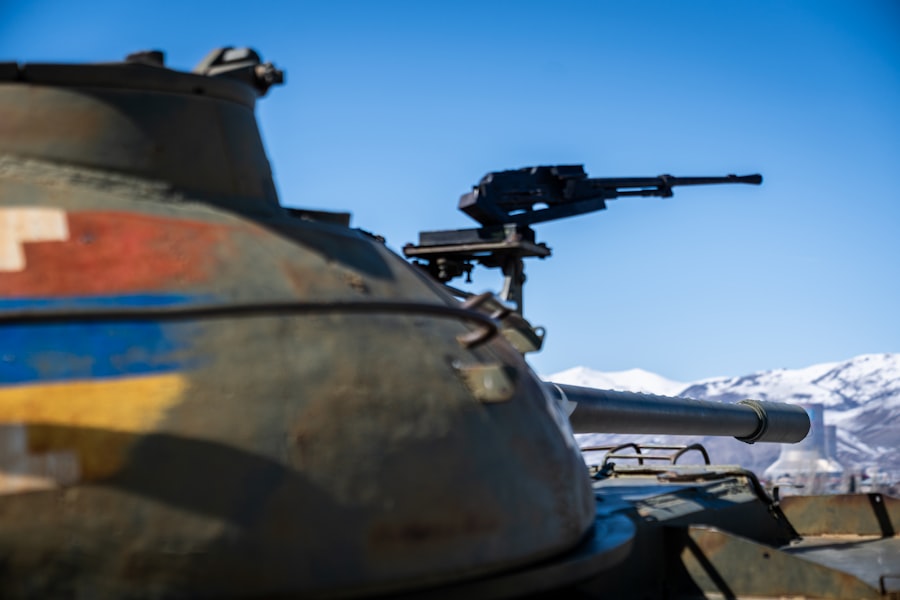
In the 21st century, warfare is not solely fought on physical battlefields; it is also waged in the virtual realm. The proliferation of interconnected systems, the dependence on digital infrastructure, and the increasing sophistication of cyber threats have elevated information warfare and cybersecurity to a position of paramount strategic importance. The ability to defend one’s own networks while disrupting an adversary’s is a critical component of future military power.
Offensive Cyber Capabilities: Disrupting and Degrading Adversaries
Offensive cyber operations can be used to disrupt an adversary’s command and control systems, degrade their logistical networks, compromise their intelligence, and even sow disinformation to undermine morale and public trust. These capabilities offer a way to achieve strategic objectives without resorting to kinetic force, offering a more nuanced and potentially less escalatory means of conflict.
Exploiting Vulnerabilities and Developing Novel Attack Vectors
The ongoing arms race in cyberspace involves constant innovation in identifying and exploiting vulnerabilities in enemy systems. Military cyber units are continuously researching and developing new attack vectors and tools to maintain a technological edge, aiming to penetrate defenses and achieve desired effects against a wide range of targets.
Information Operations and Disinformation Campaigns
Beyond direct system compromise, information operations leverage the digital space to influence perceptions, shape narratives, and undermine public confidence in an adversary’s government or military. Sophisticated disinformation campaigns, often amplified by social media, can be employed to destabilize societies and weaken an opponent’s resolve.
Defensive Cybersecurity: Protecting Critical Infrastructure and Data
The flip side of offensive cyber capabilities is the imperative for robust defensive cybersecurity. Military forces must protect not only their own networks and sensitive data but also critical national infrastructure from cyberattacks that could cripple vital services and undermine national security.
Network Resilience and Zero-Trust Architectures
The future of military cybersecurity will rely on building highly resilient networks that can withstand attacks and continue to operate even when compromised. The adoption of “zero-trust” architectures, which assume no inherent trust in any user or device, regardless of location, is becoming crucial in this regard.
Advanced Threat Detection and Response Systems
AI and machine learning are vital for developing advanced threat detection and response systems. These systems can identify anomalous behavior in real-time, detect novel malware, and automate responses to neutralize threats before they can cause significant damage. This proactive approach is essential in mitigating the impact of sophisticated cyberattacks.
The Role of AI and Machine Learning in Cybersecurity
AI and ML are becoming indispensable tools for both offense and defense in the cyber domain. They enable the analysis of massive datasets to identify patterns indicative of malicious activity, automate the detection of emerging threats, and even develop self-healing network capabilities. The race between AI-powered attack tools and AI-powered defense systems is a defining characteristic of the current cyber landscape.
Predictive Threat Intelligence and Vulnerability Analysis
AI can analyze vast amounts of data to predict emerging threats and identify potential vulnerabilities in systems before they are exploited. This proactive approach allows for the deployment of preventative measures and the fortification of defenses against anticipated attacks.
Automated Incident Response and Remediation
The speed at which cyberattacks can unfold necessitates automated incident response. AI-powered systems can detect, analyze, and neutralize threats with minimal human intervention, significantly reducing the time to containment and remediation and minimizing the potential damage.
The Strategic Frontier: Novel Platforms and Doctrinal Shifts

Beyond specific technological advancements, the future of military power is also being shaped by the development of entirely new strategic platforms and a fundamental re-evaluation of military doctrine. These innovations are not merely incremental improvements; they represent paradigm shifts in how power can be projected, wars can be fought, and national interests can be secured.
Hypersonic Weapons: A New Era of Strategic Deterrence
Hypersonic weapons, capable of traveling at five times the speed of sound and maneuvering unpredictably, represent a significant leap in military capabilities. Their speed and maneuverability challenge existing missile defense systems, potentially altering the strategic balance and reintroducing the concept of surprise attack with greater potency.
Challenges to Missile Defense and Early Warning Systems
The speed and unpredictable trajectories of hypersonic missiles pose a formidable challenge to current missile defense systems, which are designed to intercept slower, more predictable ballistic trajectories. This necessitates a re-evaluation of early warning capabilities and the development of entirely new defensive technologies.
Implications for Strategic Stability and Deterrence
The introduction of hypersonic weapons raises complex questions about strategic stability and deterrence. Their ability to strike targets rapidly and with little warning could lower the threshold for conflict and create new escalatory dynamics. Nations are grappling with how to incorporate these weapons into their deterrence postures without triggering an unstable arms race.
Space-Based Capabilities: The Ultimate High Ground
Control of space is increasingly recognized as essential for modern military operations. Satellite constellations provide crucial capabilities for communication, navigation, intelligence gathering, and missile warning. The weaponization of space, or the denial of access to space for adversaries, is a growing concern.
Space Situational Awareness (SSA) and Counter-Space Capabilities
Understanding the evolving space environment – a concept known as Space Situational Awareness (SSA) – is critical. This involves tracking all objects in orbit to avoid collisions and to monitor potential threats. Counter-space capabilities, designed to disrupt, deny, or destroy adversary space assets, are also a growing area of development.
Next-Generation Satellite Warfare and Resilient Architectures
The development of more resilient satellite architectures, capable of withstanding attack, and the potential for offensive space-based weapon systems are reshaping the strategic landscape. The militarization of space is a complex and high-stakes endeavor, with far-reaching implications for global security.
Directed Energy Weapons (DEWs): The Future of Precision Strike
Directed energy weapons, which use concentrated beams of energy – such as lasers or microwaves – to engage targets, offer the promise of precision, speed-of-light engagement, and a virtually inexhaustible magazine. While still in development for many applications, DEWs are poised to revolutionize close-in defense and precision strike capabilities.
Laser Weapons for Missile Defense and Drone Neutralization
High-energy lasers are being developed for roles such as defending against incoming missiles, drones, and even artillery shells. Their ability to deliver a precise and rapidly destructive effect makes them ideal for countering fast-moving threats at relatively short ranges.
Non-Lethal Applications and Crowd Control
Beyond direct engagement, directed energy technologies also offer potential for non-lethal applications, such as disabling enemy electronics or deterring hostile forces without causing permanent harm. This versatility adds another layer of strategic utility to this emerging technology.
As nations continue to evolve their defense strategies, the future of military power is becoming a topic of significant interest among analysts and policymakers. A recent article explores the implications of emerging technologies and their potential to reshape warfare dynamics. For a deeper understanding of these trends, you can read more in this insightful piece on military advancements at In the War Room. The discussion highlights how innovations such as artificial intelligence and unmanned systems are likely to redefine traditional concepts of power and strategy in the coming years.
The Human Element: Adapting Training and Doctrine
| Aspect | Metrics |
|---|---|
| Technology | Advancements in AI, drones, cyber warfare |
| Strategy | Shift towards asymmetric warfare, focus on non-traditional threats |
| Globalization | Increased interconnectedness of military operations |
| Space | Rise of space-based military capabilities |
| Geopolitics | Changing power dynamics and alliances |
As technology races forward, the human element of military power remains paramount. The effectiveness of any weapon system, any AI algorithm, or any cyber capability ultimately rests on the skills, adaptability, and strategic acumen of the individuals who wield them. The future of military training and doctrine must evolve in tandem with technological advancements to ensure that human operators can effectively leverage these new capabilities and make the critical decisions required in the complex environments of tomorrow.
Educating the Cyber-Savvy Soldier and Operator
The modern soldier and operator must be as adept in the digital realm as they are on the physical battlefield. Training must incorporate robust cybersecurity fundamentals, data analysis skills, and an understanding of how to safely and effectively interact with AI-powered systems. This involves a significant shift in educational curricula and professional development pathways.
Immersive Training Environments and Simulations
Virtual and augmented reality technologies offer unparalleled opportunities for realistic and cost-effective training. Immersive simulations can replicate complex combat scenarios, allowing soldiers to practice operating new equipment, honing their decision-making skills, and developing effective teamwork in a safe and controlled environment. These simulations can also be tailored to test resilience against novel threats, including cyberattacks and autonomous system failures.
Continuous Learning and Adaptability in the Face of Rapid Change
The pace of technological change necessitates a culture of continuous learning within military organizations. Training programs must be dynamic and iterative, constantly updated to reflect the latest advancements and emerging threats. The emphasis must be on fostering adaptability and critical thinking, enabling personnel to quickly learn and master new technologies as they are introduced.
Evolving Doctrine for Multi-Domain Operations
The future of warfare will be characterized by multi-domain operations, where land, sea, air, space, and cyberspace are integrated into a seamless operational environment. Military doctrine must evolve to reflect this interconnectedness, enabling forces to leverage capabilities across disparate domains to achieve synergistic effects.
Joint Operations and Interoperability Enhancements
Effective multi-domain operations require seamless collaboration between different branches of the military and, increasingly, between allied nations. Enhancing interoperability – the ability of different systems and organizations to work together effectively – is a critical doctrinal and technological imperative. This involves standardized communication protocols, data sharing architectures, and integrated command and control structures.
The Concept of Algorithmic Warfare and Human Oversight
As AI plays a greater role in warfare, doctrine must address the complex interplay between algorithms and human decision-makers. This includes establishing clear guidelines for the use of autonomous systems, defining ethical boundaries, and ensuring that human oversight remains ultimate in critical decision-making processes. The doctrine must provide frameworks for understanding and managing the risks and rewards of integrating AI into the operational fold, ensuring that technology serves as a tool to augment, rather than replace, human judgment in the conduct of war.
The Cognitive Soldier: Mental Resilience and Decision-Making Under Pressure
Beyond technical skills, the cognitive capabilities of military personnel are increasingly vital. Soldiers and commanders must be able to process complex information, make split-second decisions under extreme stress, and maintain situational awareness in chaotic environments.
Cognitive Enhancement and Stress Management Techniques
Research into cognitive enhancement and stress management techniques is becoming increasingly important. This includes developing strategies to improve focus, boost memory, and mitigate the psychological effects of high-stress combat operations, ensuring that personnel can perform at their peak even under immense pressure.
The Ethics of AI in Warfare and Human Judgment
The integration of AI into warfare raises profound ethical questions that must be addressed within military doctrine. The development of clear ethical frameworks for the deployment of lethal autonomous weapons systems, the avoidance of unintended civilian casualties, and the preservation of human moral agency are critical considerations. Doctrine must guide commanders and operators in navigating these complex ethical dilemmas, ensuring that the application of military power remains aligned with fundamental human values.
In conclusion, the future of military power is a tapestry woven from threads of relentless innovation. From the algorithmic precision of AI and the tireless reach of robotic systems to the strategic implications of hypersonic weapons and the absolute necessity of robust cybersecurity, the tools and techniques of warfare are undergoing a radical transformation. However, at the heart of this evolution lies the enduring importance of the human element. The ability to adapt training, refine doctrine, and cultivate the cognitive resilience of personnel will ultimately determine whether these technological marvels serve as instruments of lasting security or as catalysts for unprecedented conflict. The ongoing pursuit of advancements and innovations is not merely about gaining a tactical advantage; it is about shaping a future where power is wielded with greater precision, responsibility, and a profound understanding of its multifaceted implications.

China’s Invisible Chokehold on Modern Weapons
FAQs
What is the future of military power?
The future of military power is expected to be shaped by advancements in technology, including artificial intelligence, cyber warfare, and unmanned systems. Additionally, there is a growing focus on hybrid warfare, which combines conventional military tactics with unconventional methods such as information warfare and political subversion.
How will technology impact the future of military power?
Technology is expected to play a significant role in the future of military power, with advancements in areas such as autonomous weapons, drones, and cyber capabilities. These technologies have the potential to enhance military capabilities, but also raise ethical and legal concerns.
What are the potential challenges facing the future of military power?
Some potential challenges facing the future of military power include the proliferation of advanced weapons technology, the increasing complexity of global security threats, and the need to balance traditional military capabilities with emerging technologies. Additionally, there are concerns about the potential for escalation in conflicts involving advanced military capabilities.
How will geopolitical shifts impact the future of military power?
Geopolitical shifts, such as the rise of new global powers and changing alliances, are expected to impact the future of military power. These shifts may lead to changes in military strategies, force postures, and defense investments as countries seek to adapt to evolving security dynamics.
What are the implications of the future of military power for international security?
The future of military power has implications for international security, including the potential for increased competition and conflict, as well as the need for new approaches to arms control and non-proliferation. Additionally, there is a growing focus on the role of military power in addressing non-traditional security challenges such as climate change and pandemics.