The landscape of global security is in constant flux, demanding a parallel evolution in the capabilities and production methods of defense manufacturing. For decades, the industry has operated under certain paradigms, prioritizing robustness and proven technologies. However, mounting geopolitical tensions, the acceleration of technological innovation, and the increasing sophistication of adversaries necessitate a fundamental reimagining of how defense systems are designed, built, and deployed. The future of defense manufacturing is not merely about incremental improvements; it is about a revolution, driven by digitalization, advanced materials, and a paradigm shift towards agility and resilience. This transformation promises to enhance national security, foster economic growth, and redefine the very nature of military power.
The foundational pillar of this defense manufacturing revolution lies in the widespread adoption of digital technologies, often referred to as Industry 4.0. This encompasses a spectrum of innovations that are fundamentally altering production processes, from design and engineering to assembly and lifecycle management. No longer confined to the realm of consumer electronics, these technologies are proving essential for creating defense systems that are more effective, adaptable, and cost-efficient. The traditional, often lengthy and bureaucratic, development cycles are giving way to a more dynamic and data-driven approach, ensuring that defense capabilities can keep pace with evolving threats.
Smart Factories and the Autonomous Workforce
The concept of the “smart factory” is no longer a distant vision but a rapidly materializing reality within the defense sector. These facilities are characterized by their interconnectedness, where machinery, systems, and even human operators communicate and collaborate seamlessly. The integration of the Internet of Things (IoT) allows for real-time monitoring of production lines, predictive maintenance of equipment, and optimized resource allocation. This not only boosts efficiency but also significantly reduces downtime, a critical factor in defense production where delays can have dire strategic consequences.
Predictive Maintenance and Operational Uptime
One of the most immediate benefits of smart factories is the implementation of predictive maintenance. Instead of relying on scheduled maintenance or reactive repairs after a failure, sensors embedded in manufacturing equipment continuously collect data on performance metrics such as vibration, temperature, and strain. Advanced algorithms analyze this data to identify potential issues before they manifest as breakdowns. This proactive approach prevents costly and time-consuming outages, ensuring that production lines remain operational and that critical defense components are delivered on schedule. The ability to foresee and address maintenance needs before they impact production directly translates to enhanced operational readiness for the systems being manufactured.
Collaborative Robotics and Human-Machine Teaming
The integration of collaborative robots, or “cobots,” is another transformative element of smart factories. Unlike traditional industrial robots that operate in isolated cells, cobots are designed to work alongside human operators, augmenting their capabilities rather than replacing them entirely. In defense manufacturing, cobots can perform repetitive, strenuous, or high-precision tasks, freeing up human workers for more complex problem-solving, quality control, and supervision. This human-machine teaming optimizes efficiency, reduces the risk of human error, and can even improve worker safety in hazardous environments. The synergistic relationship between human expertise and robotic efficiency is crucial for navigating the intricate demands of advanced defense systems.
Digital Twins: Simulating Reality for Enhanced Design and Production
The concept of the digital twin is a powerful tool that is revolutionizing the design, testing, and production phases of defense manufacturing. A digital twin is a virtual replica of a physical asset, process, or system, created using real-time data from its physical counterpart. In the context of defense manufacturing, this means creating a dynamic, living model of a weapon system, an aircraft, or even an entire production facility.
Design Optimization and Virtual Prototyping
Before any physical components are manufactured, digital twins allow engineers to simulate the performance of a system under various conditions. This virtual prototyping eliminates the need for costly and time-consuming physical prototypes for initial design iterations. Engineers can test different materials, configurations, and operational scenarios in the digital realm, identifying optimal designs and pinpointing potential flaws early in the development cycle. This dramatically reduces R&D costs and accelerates time to market for new defense technologies.
Manufacturing Process Simulation and Yield Improvement
Beyond design, digital twins can be applied to the manufacturing processes themselves. By creating a virtual replica of the production line, manufacturers can simulate the entire assembly process, identify bottlenecks, and optimize workflows. This allows for the testing of different manufacturing strategies and the identification of potential production challenges before they impact real-world operations. The insights gained from these simulations lead to improved yields, reduced waste, and a more efficient and predictable manufacturing process, crucial for meeting demanding production schedules in the defense sector.
As the landscape of defense manufacturing continues to evolve, a compelling article that explores the future of this sector can be found at In the War Room. This piece delves into the technological advancements and strategic shifts shaping the industry, highlighting how innovations such as additive manufacturing and automation are set to redefine production processes. By examining current trends and potential challenges, the article provides valuable insights for stakeholders looking to navigate the complexities of modern defense manufacturing.
Advanced Materials and Lightweighting: The Future of Performance and Resilience
The continuous pursuit of enhanced performance, reduced weight, and increased resilience in defense systems hinges on the development and application of advanced materials. Traditional metallic alloys, while proven, are reaching their theoretical performance limits. The future of defense manufacturing lies in the strategic adoption of novel materials that offer superior strength-to-weight ratios, enhanced durability, and unique functional properties.
Composites and Additive Manufacturing: New Dimensions of Design Freedom
Advanced composite materials, such as carbon fiber reinforced polymers (CFRPs), are increasingly finding their way into defense applications. Their exceptional strength and stiffness, combined with significantly lower weight compared to traditional metals, offer substantial benefits for aircraft, vehicles, and even individual soldier equipment.
Tailored Properties for Specific Applications
The beauty of composite materials lies in their inherent tailorability. By manipulating the fiber orientation, resin matrix, and manufacturing processes, engineers can achieve specific material properties tailored to the exact requirements of a particular application. This allows for the creation of components that are not only lighter but also more resistant to fatigue, corrosion, and impact, contributing to improved operational lifespan and reduced maintenance burdens for defense assets.
Integrating Composites with Additive Manufacturing
The synergy between advanced composites and additive manufacturing (3D printing) is unlocking unprecedented design freedom. While 3D printing of metals has gained traction, the printing of composite structures is an emerging area with immense potential. This allows for the creation of complex, integrated composite parts that were previously impossible to manufacture using traditional methods. The ability to print intricate geometries and embed functionalities directly into composite structures opens up new avenues for innovative defense system designs.
Nanomaterials and Smart Materials: Enhancing Functionality and Responsiveness
The exploration of nanomaterials and smart materials promises to imbue defense systems with entirely new levels of functionality and responsiveness. Nanotechnology involves manipulating matter at the atomic and molecular scale, leading to materials with properties vastly different from their bulk counterparts.
Enhanced Strength, Conductivity, and Protection at the Nanoscale
Graphene, for example, a single layer of carbon atoms, exhibits incredible strength, electrical conductivity, and thermal conductivity. Its integration into coatings, structural components, and even electronics can lead to significant improvements in the performance and survivability of defense systems. Similarly, nanoscale coatings can provide enhanced ballistic protection, improved stealth capabilities, and superior resistance to environmental degradation.
Self-Healing Materials and Adaptive Systems
Smart materials possess the ability to respond to external stimuli, such as temperature, pressure, or electrical fields, and revert to their original state. The development of self-healing materials holds particular promise for defense applications. Imagine aircraft wings or vehicle armor that can autonomously repair minor damage, significantly extending their operational life and reducing the need for field repairs. This adaptive capability enhances the resilience of defense platforms, allowing them to withstand operational stresses and maintain functionality in challenging environments.
Agile Development and Modular Design: Adapting to Evolving Threats
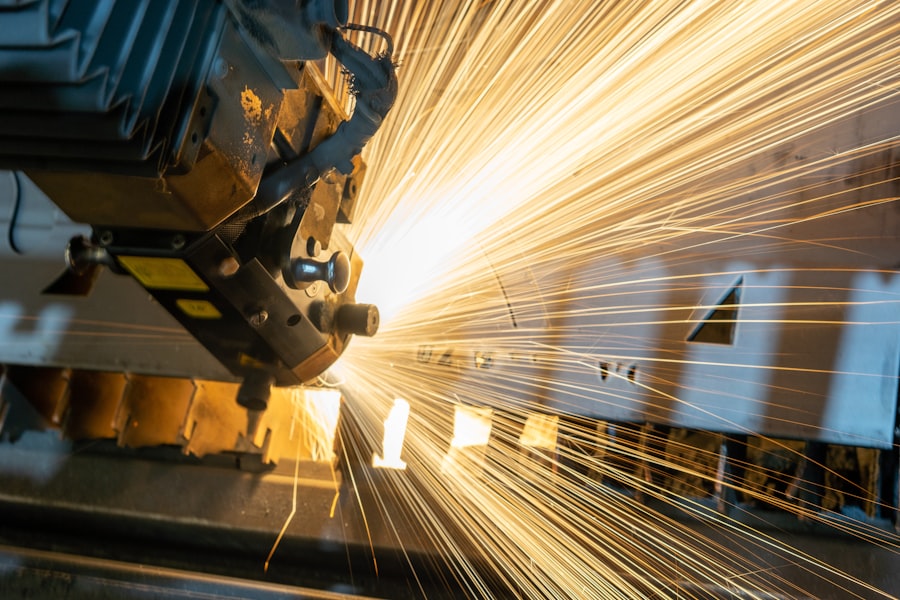
The traditional defense acquisition process, often characterized by lengthy development cycles and rigid specifications, is ill-suited to the rapid pace of technological change and the evolving nature of global threats. The future demands a shift towards agile development methodologies and modular design principles, enabling faster innovation and greater adaptability.
Iterative Development and Continuous Integration
Agile development, borrowed from the software industry, emphasizes iterative development, continuous integration, and rapid feedback loops. Instead of a single, large-scale delivery, defense systems are developed in smaller, manageable increments, with regular testing and evaluation. This allows for early identification of issues and the incorporation of user feedback throughout the development process.
Rapid Prototyping and Concept Demonstration
The agile approach facilitates rapid prototyping and concept demonstration. New technologies and concepts can be quickly translated into functional prototypes that can be tested and evaluated in realistic scenarios. This allows defense organizations to assess the viability of new capabilities and make informed decisions about further investment, accelerating the adoption of innovative solutions.
Adapting to Evolving Threats with Incremental Upgrades
The modular design of defense systems is intrinsically linked to agile development. By breaking down complex systems into smaller, standardized modules, it becomes easier to upgrade or replace individual components without necessitating a complete system overhaul. This allows defense forces to adapt to evolving threats by incrementally upgrading their existing platforms with new technologies and capabilities, rather than waiting for entirely new systems to be developed.
Lifecycle Management and Sustainment Through Modularity
Modular design significantly streamlines lifecycle management and sustainment. When a particular module or component reaches the end of its life or becomes obsolete, it can be replaced with a newer, more advanced version without impacting the rest of the system. This reduces obsolescence risks and ensures that defense platforms remain relevant and effective throughout their operational lifespan.
Reduced Obsolescence and Enhanced Maintainability
The modular approach inherently addresses the issue of obsolescence. As technology advances, individual modules can be updated or replaced with more modern alternatives. This is crucial in defense, where long lifecycles mean that systems must remain viable for decades. Furthermore, modularity simplifies maintenance and repair. Technicians can more easily diagnose and replace faulty modules, leading to reduced downtime and lower sustainment costs.
Interoperability and System-of-Systems Integration
Modularity also fosters interoperability between different defense systems. Standardized interfaces between modules allow them to be integrated and communicate with each other more effectively. This is essential for creating complex “system-of-systems” where multiple platforms work together to achieve a common objective. The ability to seamlessly integrate new modules and capabilities into existing architectures is a hallmark of future defense manufacturing.
The Role of Artificial Intelligence and Autonomy

Artificial intelligence (AI) and autonomy are poised to fundamentally reshape defense manufacturing by enhancing decision-making, automating complex tasks, and enabling entirely new forms of defense capabilities. The integration of AI is not just about efficiency; it is about creating more intelligent, adaptable, and ultimately more effective defense systems.
AI in Design and simulation
AI algorithms can analyze vast datasets of design parameters, material properties, and performance simulations to identify optimal solutions that might be missed by human engineers. This can accelerate the design process and lead to the development of more efficient and effective defense systems.
Generative Design and Optimization
AI-powered generative design tools can explore a vast design space, creating novel and innovative solutions based on specified parameters and constraints. This can lead to the development of lighter, stronger, and more performant components that push the boundaries of what is currently possible.
Predictive Analytics for Manufacturing Efficiency
AI can be used to predict production bottlenecks, material shortages, and equipment failures, allowing manufacturers to proactively address potential issues. This predictive capability enhances the overall efficiency and reliability of the manufacturing process.
Autonomous Systems and Intelligent Manufacturing
The rise of autonomous systems, powered by AI, extends beyond the battlefield to the manufacturing floor itself. Robots equipped with AI can perform increasingly complex tasks with greater precision and adaptability.
Advanced Robotics and Automated Assembly
AI enables robots to learn, adapt, and perform tasks that were previously the exclusive domain of human operators. This includes intricate assembly processes, quality inspection, and even on-the-fly adjustments to production parameters.
Intelligent Supply Chain Management
AI can optimize the entire defense supply chain, from sourcing raw materials to delivering finished products. By analyzing demand forecasts, production schedules, and logistical data, AI can ensure that the right components are in the right place at the right time, minimizing delays and reducing costs.
As the landscape of defense manufacturing continues to evolve, it is essential to stay informed about the latest trends and innovations shaping the industry. A related article that delves into these developments can be found at this link, where you can explore insights on how advanced technologies are transforming production processes and enhancing operational capabilities. Understanding these changes is crucial for anyone interested in the future of defense manufacturing.
Cybersecurity and Supply Chain Resilience: Protecting the Future
| Metrics | Data |
|---|---|
| Investment in Research & Development | Increasing to drive innovation and technological advancements |
| Adoption of Additive Manufacturing | Growing to enable rapid prototyping and production of complex parts |
| Integration of Artificial Intelligence | Expanding to enhance automation and decision-making processes |
| Cybersecurity Measures | Becoming more critical to protect sensitive defense manufacturing data |
| Sustainability Initiatives | Increasing to reduce environmental impact and resource consumption |
As defense manufacturing becomes increasingly digitalized and interconnected, robust cybersecurity measures and resilient supply chains become paramount. The very technologies that drive innovation can also become vulnerabilities if not adequately protected.
Securing the Digital Manufacturing Ecosystem
The interconnected nature of smart factories and digital twins creates new attack surfaces for cyber threats. Protecting these digital ecosystems is not just about safeguarding intellectual property; it is about ensuring the integrity and functionality of defense systems.
Data Security and Encryption
The sensitive nature of defense manufacturing data, including design schematics, production processes, and performance metrics, necessitates stringent data security protocols. Encryption, access controls, and continuous monitoring are essential to prevent unauthorized access and cyber intrusions.
Threat Detection and Incident Response
Proactive threat detection systems and well-defined incident response plans are crucial for mitigating the impact of cyberattacks. The ability to quickly identify and neutralize threats is vital to minimizing disruption to production and ensuring the security of critical defense assets.
Building Resilient and Transparent Supply Chains
The global nature of modern supply chains presents inherent risks, from geopolitical instability to natural disasters. Building resilience and transparency within these chains is essential for ensuring the continuous availability of defense materiel.
Diversification of Suppliers and Geographic Distribution
Reducing reliance on single suppliers or concentrated geographic regions can mitigate risks associated with supply chain disruptions. Diversifying the supplier base and distributing production across multiple locations enhances overall resilience.
Blockchain Technology for Supply Chain Traceability
Blockchain technology offers a powerful solution for enhancing supply chain transparency and traceability. By creating an immutable ledger of transactions and movements, blockchain can provide verifiable proof of origin, authenticity, and chain of custody for all components and materials, ensuring that the integrity of the defense supply chain is maintained.
The revolution in defense manufacturing is not a singular event but an ongoing evolution. The integration of Industry 4.0 technologies, the adoption of advanced materials, the embrace of agile methodologies, the leveraging of AI and autonomy, and a steadfast commitment to cybersecurity and supply chain resilience are collectively shaping a future where defense capabilities are more potent, adaptable, and secure than ever before. This transformation is critical not only for safeguarding national interests but also for fostering innovation and economic growth in an increasingly complex and interconnected world. The future of defense manufacturing is here, and it is defined by intelligence, agility, and an unwavering commitment to secure and resilient production.

China’s Invisible Chokehold on Modern Weapons
FAQs
What is the future of defense manufacturing?
The future of defense manufacturing is expected to be heavily influenced by advanced technologies such as 3D printing, robotics, artificial intelligence, and advanced materials. These technologies will enable more efficient and cost-effective production of defense equipment and systems.
How will advanced technologies impact defense manufacturing?
Advanced technologies such as 3D printing will allow for rapid prototyping and production of complex defense components. Robotics and automation will streamline manufacturing processes, while artificial intelligence will optimize production planning and quality control. Advanced materials will also enable the development of lighter, stronger, and more durable defense products.
What are the potential benefits of the future of defense manufacturing?
The future of defense manufacturing holds the potential for increased agility, flexibility, and responsiveness in meeting defense needs. It can also lead to cost savings, reduced lead times, and improved quality and performance of defense equipment and systems.
What are the challenges associated with the future of defense manufacturing?
Challenges associated with the future of defense manufacturing include the need for skilled workforce to operate and maintain advanced technologies, cybersecurity risks, and the potential for disruption of traditional supply chains. Additionally, there may be regulatory and ethical considerations related to the use of advanced technologies in defense manufacturing.
How will the future of defense manufacturing impact national security?
The future of defense manufacturing has the potential to enhance national security by enabling the production of more advanced and capable defense equipment and systems. It can also contribute to the resilience and sustainability of defense industrial base, reducing reliance on foreign suppliers and mitigating supply chain vulnerabilities.