The clang of machinery, the hiss of steam, and the rhythmic thud of hammers were the unsung anthems of conflict. Far from the battlefield’s mud and blood, factories played a pivotal, often underestimated, role in the success or failure of warfare. They were the crucibles where raw materials transmuted into the instruments of destruction and survival, the silent engines that fueled the relentless churn of the front lines. The industrial revolution had irrevocably woven a new fabric into the conduct of war, transforming it from a primarily infantry-and-cavalry affair into a complex, industrialized undertaking where production capacity became as crucial a weapon as any rifle or cannon.
The transition from peacetime production to wartime mobilization was a monumental undertaking. Factories, once dedicated to consumer goods, agricultural equipment, or civilian infrastructure, had to be reoriented, retooled, and ramped up to meet the insatiable demands of the military. This was not merely a matter of changing product lines; it required a fundamental shift in strategic thinking and operational execution. Governments had to assess their industrial capabilities, identify potential bottlenecks, and implement policies to facilitate the rapid conversion of civilian enterprises into military production hubs.
Identifying Core Production Needs
The initial phase of any major conflict was characterized by a scramble to identify and secure the production of essential war materiel. This involved a careful analysis of the types of weapons, ammunition, and equipment likely to be required in large quantities.
Artillery and Ammunition: The Big Guns
The range and destructive power of artillery meant that its production and the constant supply of ammunition were paramount. Factories dedicated to casting cannon barrels, forging shells, and filling them with explosives became the backbone of any army’s offensive and defensive capabilities. The sheer volume of artillery rounds needed often strained even the most robust industrial capacities.
Small Arms and Ammunition: The Soldier’s Lifeline
While artillery dominated the battlefield in terms of sheer destructive force, the individual soldier’s effectiveness relied on reliable small arms and an unending supply of ammunition. Factories churning out rifles, machine guns, pistols, and the cartridges to feed them were vital for troop morale and combat effectiveness. The intricate engineering and precision required for mass-producing reliable firearms presented a significant industrial challenge.
Modern Warfare’s New Arsenal: Tanks, Aircraft, and Ships
The dawn of the 20th century brought with it new technologies that fundamentally altered warfare. The mass production of tanks required entire factories dedicated to metallurgy, complex engine assembly, and armored plating. Similarly, the nascent aviation industry, already in development, had to pivot to producing military aircraft for reconnaissance, bombing, and air superiority. Naval construction yards worked tirelessly to build battleships, destroyers, and submarines, each a testament to a nation’s industrial prowess.
Converting Civilian Factories: A Race Against Time
The most effective way for nations to scale up production was to leverage their existing civilian industrial infrastructure. This involved a complex process of redirection and adaptation.
The Automotive Industry’s Transformation
Car manufacturers, with their expertise in mass production, assembly lines, and engine technology, were prime candidates for conversion. They shifted from producing sedans and trucks to manufacturing military vehicles like tanks, ambulances, and trucks for logistics. The principles of interchangeable parts and efficient assembly lines honed in peacetime proved invaluable in the wartime context.
Textiles and Apparel: More Than Just Uniforms
The textile industry played a crucial, though less glamorous, role. Beyond the vast quantities of uniforms, blankets, and boots required for millions of soldiers, this sector provided materials for tents, parachutes, camouflage netting, and even gunpowder bags. The demand for these seemingly ordinary items was immense and constant.
Harnessing the Power of Heavy Industry: Steel and Engineering
The steel industry, always a bellwether of industrial strength, was indispensable. It provided the raw materials for virtually every piece of military hardware. Large engineering firms, skilled in complex metalwork and precision machining, were essential for producing everything from engine components for tanks and aircraft to the firing mechanisms of artillery pieces.
Factories play a crucial role in wartime efforts, as they are the backbone of military production and supply chains. The ability to manufacture weapons, vehicles, and essential supplies can significantly influence the outcome of conflicts. For a deeper understanding of this topic, you can explore the article that discusses the importance of industrial capacity in warfare at this link. This resource highlights how the industrial strength of a nation can determine its resilience and effectiveness in battle.
The Arteries of War: Logistics and the Supply Chain
The most sophisticated weaponry and the largest armies were rendered useless without a constant and unbroken flow of supplies from the factories to the front lines. This intricate web of transportation and distribution, the war’s logistical artery, was as critical as any battle plan. Factories were not just production sites; they were the origin points of a vast logistical network.
The Critical Role of Transportation
Getting goods from the factory floor to the soldier in the trenches was a monumental logistical challenge that relied on a multi-modal transportation system.
Rail Networks: The Backbone of Mass Transport
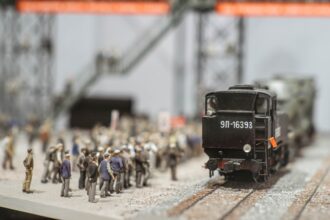
Railways were the workhorses of military logistics, capable of moving immense volumes of material quickly and efficiently. Factories were often strategically located near railheads, and the expansion and maintenance of rail lines to the front became a priority for wartime governments. Troop trains, ammunition trains, and supply trains were a constant fixture on the network.
Maritime Shipping: Connecting Global Fronts
For nations with extensive overseas empires or involved in maritime theaters of war, shipping was indispensable. Factories on one continent supplied troops fighting on another, and ships traversed the oceans, carrying everything from raw materials to finished weapons. The threat of submarine warfare and blockade cast a long shadow over this vital supply line.
Roads and Trucks: The Last Mile
While trains and ships provided the bulk of long-distance transport, trucks and the road network were crucial for the “last mile” delivery to the immediate front lines. This became increasingly important with the development of mobile warfare, where the front line could shift rapidly. Factories producing trucks and maintaining roads were essential for flexibility.
From Factory Gate to Trenches: The Supply Chain in Action
The journey of a bullet, a shell, or a loaf of bread from its point of origin to its final destination was a complex operation involving numerous hands, machines, and miles.
Warehousing and Distribution Centers
Vast depots and distribution centers were established behind the front lines to receive goods from factories and organize them for distribution to various units. These were critical nodes in the supply chain, ensuring that the right items reached the right places at the right time.
The Human Element: Logistics Personnel
Behind every successful logistical operation was an army of dedicated individuals. From factory workers to railway engineers, sailors, truck drivers, and quartermasters, these men and women performed vital, often dangerous, work to keep the war machine fueled. Their efficiency and dedication were as crucial as any weapon.
Innovation on the Assembly Line: Adapting and Improving

Warfare is a dynamic process, and the demands placed upon factories evolved as the conflict progressed. Factories were not static entities; they were centers of continuous adaptation and innovation, driven by the need to overcome enemy tactics and improve their own war-fighting capabilities.
Responding to Battlefield Demands
The realities of the battlefield, reported back to the home front, directly influenced what factories produced and how they produced it.
Increased Ammunition Production
Early battles often revealed shortages of ammunition, prompting factories to significantly ramp up production. This could involve expanding existing facilities, building new ones, or introducing more efficient production methods. The sheer scale of artillery duels meant that millions of rounds were expended, requiring constant replenishment.
The Evolution of Weaponry
Lessons learned in combat often led to demands for improved or entirely new weapons. Factories had to adapt their designs and production lines to incorporate these modifications, whether it was a more reliable rifle, a faster-firing machine gun, or a more effective artillery shell.
Parity with Enemy Technology
Keeping pace with enemy technological advancements was a constant concern. If an adversary introduced a superior weapon, factories would be tasked with either producing a counter-weapon or improving existing designs to match the new threat. This created an arms race that played out on the factory floor as much as on the battlefield.
The Rise of New Manufacturing Techniques
The immense pressure of wartime production spurred the adoption and refinement of new manufacturing techniques.
Mass Production and Assembly Lines
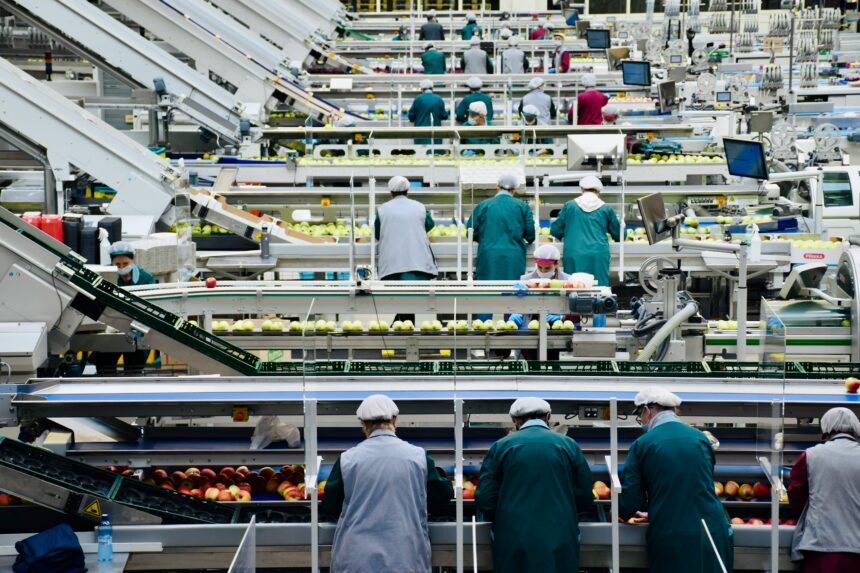
While pioneered in civilian industries, the principles of mass production and assembly lines were fully embraced and perfected during wartime. This allowed for the rapid and relatively inexpensive manufacture of large quantities of standardized items.
Interchangeable Parts
The concept of interchangeable parts, crucial for efficient repair and maintenance in the field, became a cornerstone of wartime manufacturing. This meant that any part of a weapon or vehicle could be replaced with an identical part from another unit, greatly simplifying logistics and repair.
Standardization and Simplification
To maximize speed and minimize complexity, designs were often simplified and standardized. This meant fewer unique components, making production easier and reducing the likelihood of errors.
The Human Factor: The Workers Behind the War Machine
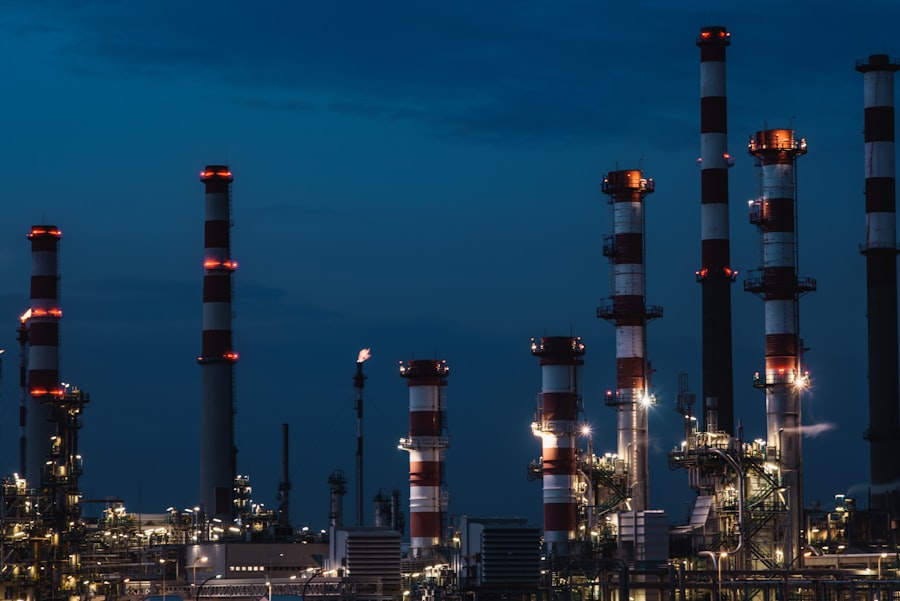
The roar of the factory was created by the sweat and ingenuity of thousands of human beings. The role of the workers was fundamental, and their dedication, skill, and sometimes sacrifice were essential to the war effort.
Mobilizing the Workforce
The war effort required a massive mobilization of labor, drawing on men from all walks of life.
Women in Industry: A Crucial Shift
As men enlisted for military service, women stepped into roles previously considered exclusively male. They operated heavy machinery, assembled weapons, and worked in countless other capacities, proving their mettle and significantly contributing to production. Their entry into the industrial workforce was a monumental societal shift.
Skilled Labor and Technical Expertise
The production of complex machinery and weaponry required highly skilled artisans and engineers. These individuals were often crucial to the success of the war effort and were sometimes exempted from military service to ensure their continued contribution. Their knowledge was irreplaceable.
The Civilian Contribution: Support and Morale
Beyond those directly employed in factories, the wider civilian population also played a role. They conserved resources, bought war bonds, and maintained morale, all of which indirectly supported the industrial effort. Public support was often a critical factor in sustaining the long-term commitment to industrial production.
The Personal Cost of Production
While often shielded from the direct violence of the battlefield, factory workers faced their own unique set of challenges and dangers.
Hazardous Working Conditions
The industrial environment was inherently risky. Workers faced dangers from operating heavy machinery, exposure to toxic materials, and the constant threat of accidents. Safety regulations, when they existed, were often secondary to the urgent need for production.
Long Hours and Fatigue
The relentless demand for output meant that workers often endured incredibly long hours, leading to fatigue and increased risk of errors or accidents. The pressure to meet production quotas was immense and constant.
The Shadow of War: Bombing and Sabotage
Factories themselves became targets. Enemy bombing raids aimed to cripple industrial capacity, and the threat of sabotage, either by internal actors or external agents, was a constant concern, requiring significant security measures.
Factories play a crucial role in wartime efforts, as they are responsible for producing the weapons, vehicles, and supplies that are essential for military operations. The efficiency and output of these manufacturing facilities can significantly impact the outcome of conflicts, as seen in various historical examples. For a deeper understanding of the importance of industrial production in warfare, you can explore this insightful article on the subject at In the War Room, which highlights how factories have shaped the strategies and successes of nations during times of conflict.
The Legacy of the Industrial War
| Reason | Explanation |
|---|---|
| Production Capacity | Factories provide the ability to mass-produce weapons, ammunition, and other essential supplies for war. |
| Logistics Support | Factories play a crucial role in providing logistical support by producing vehicles, equipment, and spare parts for the military. |
| Economic Impact | Factories contribute to the economy during wartime by providing employment and stimulating production. |
| Strategic Importance | Control of key factories can provide a significant advantage in war by limiting the enemy’s access to essential resources. |
The experience of factories in wartime had a profound and lasting impact, shaping not only the conduct of future conflicts but also the very fabric of industrial society. The skills developed, the technologies pioneered, and the societal shifts that occurred in response to the demands of war left an indelible mark.
The Birth of New Industries
The wartime impetus for innovation and mass production often led to the creation and rapid growth of entirely new industries, many of which continued to thrive in the postwar era. The aircraft industry, for example, evolved dramatically through military demand.
The State’s Role in the Economy
Wartime necessitated an unprecedented level of government intervention in the economy. This involvement in directing production, allocating resources, and managing labor set a precedent for future government roles in economic affairs.
The Ethics of Industrial Warfare
The sheer scale of destruction wrought by industrialized warfare, enabled by efficient factory production, raised profound ethical questions about the nature of conflict and the responsibility of those who supplied the means to wage it. The dehumanizing effects of mass-produced destruction became a stark reality.
In conclusion, factories were far more than just anonymous buildings filled with machines. They were the beating heart of the war effort, the tireless engines that translated national will and resources into the instruments of conflict. From the initial mobilization of industrial might to the intricate logistics of supplying the front lines, and through the continuous cycle of innovation and adaptation, the role of factories in war was profound and multifaceted. The smoke from their chimneys may have been a distant sight from the battlefield, but their output was the constant, tangible force that determined victory or defeat, shaping the course of history with every product forged and every shell fired. The unseen battles fought on the factory floor were as critical as any fought in the trenches, a testament to the enduring and often brutal synergy between industry and warfare.

China’s Invisible Chokehold on Modern Weapons
FAQs
1. Why are factories important in war?
Factories are important in war because they are responsible for producing the necessary weapons, ammunition, and equipment needed for military operations. Without factories, a country’s ability to sustain a war effort would be severely limited.
2. How do factories contribute to a country’s military strength?
Factories contribute to a country’s military strength by producing a wide range of military hardware, including tanks, aircraft, ships, and firearms. Additionally, factories also produce essential supplies such as uniforms, food, and medical equipment for the military.
3. What role do factories play in wartime economies?
Factories play a crucial role in wartime economies by providing employment, stimulating economic growth, and supporting the overall war effort. They also contribute to the development of new technologies and innovations that can give a country a strategic advantage in warfare.
4. How did factories impact historical wars?
Factories played a significant role in historical wars by enabling countries to mass-produce weapons and equipment, leading to the industrialization of warfare. For example, during World War II, factories were instrumental in producing the vast quantities of weapons and supplies needed to sustain the war effort.
5. What are the potential consequences of losing access to factories during a war?
Losing access to factories during a war can severely hamper a country’s ability to produce essential military equipment and supplies, leading to a significant disadvantage in the conflict. This can result in a weakened military, reduced capacity to defend against enemy attacks, and ultimately impact the outcome of the war.