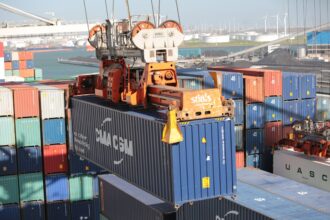
In the intricate tapestry of modern manufacturing, few elements are as indispensable yet obscured as rare earth minerals. These seventeen chemically similar metallic elements, comprising the lanthanide series plus scandium and yttrium, are the unsung heroes powering everything from smartphones and electric vehicles to advanced defense systems and renewable energy technologies. Their unique magnetic, catalytic, and phosphorescent properties make them irreplaceable in a host of high-tech applications. Yet, the convoluted and often opaque nature of their global supply chain has become a source of significant concern for governments, industries, and consumers alike. Demystifying this complex network is crucial for understanding geopolitical dependencies, assessing environmental impacts, and fostering greater supply chain resilience.
The very name “rare earth” is, in a sense, a misnomer that contributes to their mystique. While the term suggests scarcity, most rare earth elements are not geologically rare in the Earth’s crust. In fact, some, like cerium, are more abundant than lead or copper. The “rarity” stems from the fact that they rarely occur in economically viable concentrations. Unlike common metallic ores that can be easily extracted and refined, rare earth elements are typically found dispersed within complex mineral deposits, often alongside radioactive elements like thorium and uranium. This geological complexity presents significant extraction and separation challenges, making their mining and processing a specialized and often costly endeavor.
Dispersed Deposits and Extraction Hurdles
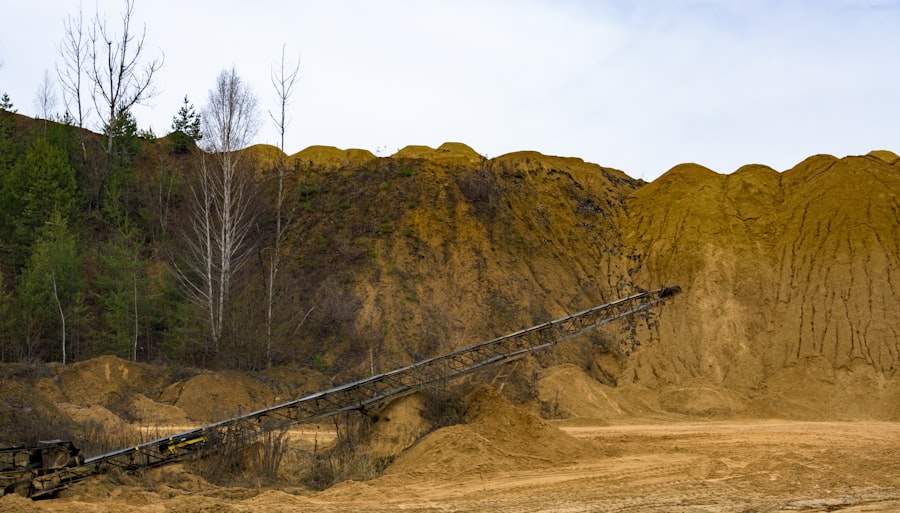
Rare earth elements are primarily found in specific types of rock formations, most notably in carbonatites and alkaline intrusive rocks. These deposits are not uniformly distributed across the globe. Identifying and proving the economic viability of these deposits requires extensive geological surveys, exploratory drilling, and complex mineralogical analysis. Once a promising deposit is identified, the extraction process itself is far from straightforward. Unlike traditional mining where a single mineral is the primary target, rare earth extraction often involves processing vast quantities of rock to recover relatively small amounts of these valuable elements. This can lead to substantial waste generation and a higher environmental footprint per unit of rare earth produced.
The Lanthanide Series and Their Unique Properties
The seventeen rare earth elements – Lanthanum (La), Cerium (Ce), Praseodymium (Pr), Neodymium (Nd), Promethium (Pm), Samarium (Sm), Europium (Eu), Gadolinium (Gd), Terbium (Tb), Dysprosium (Dy), Holmium (Ho), Erbium (Er), Thulium (Tm), Ytterbium (Yb), and Lutetium (Lu) – along with Scandium (Sc) and Yttrium (Y), each possess a unique electron configuration. This configuration allows them to exhibit distinct chemical and physical properties that make them invaluable in modern technology. For instance, Neodymium and Praseodymium are essential for creating the powerful permanent magnets used in electric vehicle motors and wind turbines. Europium and Terbium are critical for the phosphors that produce the vibrant colors in display screens. Lanthanum and Cerium are utilized in catalytic converters for automobiles and in high-strength alloys. Understanding these specific applications highlights the systemic importance of this seemingly niche group of elements.
The complexities of the rare earth supply chain are further elucidated in a related article that delves into the geopolitical implications and economic challenges surrounding these critical materials. For a comprehensive understanding of how these factors intertwine, you can read more in the article available at this link.
The Global Monopoly Puzzle: A Concentrated Production Landscape
The extraction and processing of rare earths are not only geologically challenging but also geographically concentrated, leading to a global production landscape dominated by a few key players. For decades, China has held an almost unrivaled position in the rare earth market, controlling a significant majority of both mining and, crucially, the downstream processing. This concentration has raised alarms about supply chain security and potential geopolitical leverage. While other countries possess significant rare earth reserves, establishing competitive and environmentally sound processing capabilities has proven to be a formidable barrier.
China’s Dominance: Historical Roots and Strategic Advantages
China’s rise to dominance in the rare earth sector is not an accident but a result of deliberate strategic planning dating back to the 1970s and 1980s. The Chinese government recognized the strategic importance of these minerals and invested heavily in building out their mining and, more importantly, their refining infrastructure. This early investment allowed them to achieve economies of scale and develop expertise that other nations struggled to replicate. Furthermore, China’s relatively lax environmental regulations (though this is changing) initially allowed for lower production costs compared to countries with stricter environmental standards. This created a cost-competitive advantage that made it difficult for other nascent rare earth industries to emerge.
Diversification Efforts and Emerging Players
In recent years, a growing awareness of the risks associated with a single-source supply chain has spurred diversification efforts globally. Countries like the United States, Australia, Canada, and several European nations are actively investing in exploring and developing domestic rare earth resources and processing capabilities. However, these efforts face significant hurdles. Developing new mines is a lengthy and capital-intensive process, often facing environmental and community opposition. Establishing new refining and separation facilities requires substantial investment in specialized technology and expertise, and the economic viability of these new ventures hinges on competing with established, low-cost Chinese production.
The “Criticality” of Rare Earths and Geopolitical Implications
The term “critical minerals” is often used interchangeably with rare earths, emphasizing their indispensability for national security and economic prosperity. The reliance on a single dominant supplier for these critical materials creates a significant geopolitical vulnerability. Any disruption to the supply chain due to political instability, trade disputes, or production issues in the dominant producing nation could have far-reaching economic and defense consequences for importing nations. This has led to increased strategic sourcing initiatives and a desire for greater supply chain independence.
From Mine to Magnet: The Intricate Separation and Processing Stages

The true complexity of the rare earth supply chain lies not just in extraction but in the intricate and environmentally demanding processes of separation and refining. Rare earth elements, despite their name, are often found mixed together in ore bodies. Separating these chemically similar elements into their pure forms requires sophisticated techniques and can be a significant source of environmental concern if not managed responsibly. This stage is where much of the value is added, and where the economic barriers to entry for new producers are arguably highest.
Hydro-metallurgy and Solvent Extraction: The Chemical Conundrum
The primary methods for separating rare earth elements involve complex chemical processes, most notably hydrometallurgy and solvent extraction. In hydrometallurgy, crushed ore is treated with acids or other chemicals to dissolve the rare earth elements into a solution. This is followed by solvent extraction, a meticulous process where different rare earth ions are selectively bound to organic solvents as they pass through a series of stages. Each element requires a specific set of chemical conditions and extraction parameters, making the separation of the entire suite of seventeen elements a highly specialized and multi-stage undertaking. The success of this process hinges on precise control of chemical concentrations, pH levels, and intricate machinery.
Environmental Footprint: Acid Mine Drainage and Tailings Management
The chemical processes involved in rare earth separation can have a significant environmental footprint. The use of strong acids and solvents generates large volumes of wastewater containing residual chemicals and potentially radioactive byproducts. Inadequate waste management can lead to acid mine drainage, contaminating local water sources. Furthermore, the large volumes of solid waste, known as tailings, produced during both extraction and processing, require careful containment to prevent environmental damage. Striking a balance between meeting the demand for rare earths and minimizing their environmental impact is a critical challenge for the industry.
Recycling and Circular Economy Potential: A Promising but Nascent Avenue
The increasing scarcity of accessible reserves and the environmental concerns associated with new mining operations are driving interest in rare earth recycling. While technically feasible, the collection, dismantling, and reprocessing of products containing rare earths present their own set of challenges. The concentration of rare earths in many consumer products is often very low, making it economically viable to recover them. Furthermore, the complex alloys and composite materials in which they are used can make separation difficult. Despite these challenges, research and development in recycling technologies are ongoing, and a more robust circular economy for rare earths holds significant promise for reducing reliance on primary extraction.
Applications Powering the Future: Where Rare Earths Shine
The indispensability of rare earth elements is best understood by examining their ubiquitous presence in technologies that are shaping the modern world and driving future innovation. From the energy transition to advancements in communication and healthcare, rare earths are quiet enablers of progress. Their unique properties are often difficult, if not impossible, to replicate with other materials, underscoring their strategic importance and the imperative to secure their supply.
Electrification: Driving the Green Revolution
The surge in electric vehicle (EV) production and the expansion of renewable energy sources like wind power are fundamentally dependent on rare earth magnets. The powerful and efficient permanent magnets found in EV motors and wind turbine generators rely heavily on Neodymium-Iron-Boron (NdFeB) alloys. These magnets are essential for maximizing energy efficiency and minimizing the size and weight of these critical components. Without a stable supply of these rare earths, the widespread adoption of clean energy technologies would face significant obstacles.
Advanced Electronics and Communications: The Heart of Connectivity
The proliferation of smartphones, laptops, televisions, and other consumer electronics owes much to the phosphorescent and magnetic properties of rare earth elements. Europium and Terbium are crucial for the vibrant colors produced by phosphors in LED lighting and display screens. Samarium is used in specialized magnets for hard drives and other electronic components. The miniaturization and enhanced performance of modern electronic devices are, in many ways, a testament to the enabling power of rare earths.
Defense and Aerospace: Enhancing National Security
Beyond consumer goods, rare earth elements play a vital role in critical defense and aerospace applications. Their magnetic properties are essential for advanced radar systems, guidance systems for missiles and aircraft, and sonar equipment. The high-temperature resistance and strength imparted by certain rare earth alloys are crucial for jet engines and other demanding aerospace components. The strategic importance of these materials to national security is a primary driver for governments seeking to secure their supply chains.
The complexities of the rare earth supply chain are crucial to understanding the global economy and technological advancements. For a deeper insight into this topic, you can explore a related article that delves into the challenges and opportunities within the rare earth market. This informative piece highlights the geopolitical implications and the importance of securing a stable supply. To read more about this fascinating subject, check out the article on In the War Room.
Ensuring Supply Chain Resilience: Strategies for a Secure Future
| Stage | Description |
|---|---|
| Mining | Extraction of rare earth minerals from the earth’s crust |
| Processing | Refining and purifying the extracted minerals into usable rare earth compounds |
| Manufacturing | Using the rare earth compounds to create products such as electronics, magnets, and batteries |
| Supply Chain Challenges | Issues such as environmental impact, geopolitical tensions, and limited production capacity |
The vulnerabilities inherent in the current rare earth supply chain necessitate a multi-pronged approach to ensure greater resilience and mitigate geopolitical risks. This involves a combination of domestic resource development, technological innovation, and international collaboration. The goal is to move away from a system overly dependent on a single source and towards a more diversified, sustainable, and secure future for these indispensable materials.
Diversified Sourcing and Domestic Production Initiatives
A key strategy for enhancing supply chain resilience is to diversify sourcing beyond the current dominant producer. This includes investing in exploration and development of rare earth deposits in various countries and supporting the establishment of domestic mining and processing capabilities. This not only reduces reliance on any single nation but also fosters local economic development and creates strategic reserves. However, the long lead times and substantial capital investment required for new projects mean that this is a long-term solution.
Technological Innovation: Enhancing Extraction and Recycling
Investing in research and development is crucial for overcoming the technical and environmental challenges associated with rare earth production. Innovations in extraction techniques can improve efficiency and reduce environmental impact. Crucially, advancements in recycling technologies are vital for creating a more circular economy. Developing cost-effective methods for recovering rare earths from end-of-life products can significantly reduce the need for primary extraction, lessening both environmental burden and supply chain dependency.
International Cooperation and Strategic Partnerships
Given the global nature of rare earth demand and supply, international cooperation is essential. This can involve fostering partnerships between consumer nations and resource-rich countries to develop transparent and sustainable supply chains. Collaboration on research and development, as well as the establishment of common standards for environmental and ethical sourcing, can help to create a more stable and predictable global market. Strategic stockpiling and agreements to ensure supply in times of crisis are also important components of a robust resilience strategy.
In conclusion, demystifying the rare earth supply chain reveals a complex interplay of geological realities, industrial processes, economic forces, and geopolitical considerations. While the “rarity” of these elements is more about their economic viability and complex processing than absolute geological scarcity, their concentration of production and indispensable applications have placed them at the forefront of global strategic imperatives. By understanding the challenges and actively pursuing diversified sourcing, technological innovation, and international cooperation, the world can strive to build a more secure and sustainable future powered by these essential elements.

China’s Invisible Chokehold on Modern Weapons
FAQs
What are rare earth elements?
Rare earth elements are a group of 17 chemical elements in the periodic table, including scandium, yttrium, and the 15 lanthanides. They are essential for the production of various high-tech products such as smartphones, electric vehicles, and wind turbines.
Where are rare earth elements found?
Rare earth elements are found in various locations around the world, with the largest reserves located in China, Australia, the United States, and Russia. These elements are typically found in low concentrations in the Earth’s crust and are often co-located with other minerals, making their extraction challenging.
What is the rare earth supply chain?
The rare earth supply chain refers to the process of extracting, refining, and processing rare earth elements to make them available for use in various industries. This supply chain involves mining, beneficiation, separation, and refining processes, as well as the manufacturing of products that use rare earth elements.
Why is the rare earth supply chain important?
The rare earth supply chain is important because rare earth elements are critical for the production of many high-tech products. These elements are essential for the development of technologies such as smartphones, electric vehicles, and renewable energy systems, making them crucial for global economic and technological advancement.
What are the challenges in the rare earth supply chain?
Challenges in the rare earth supply chain include environmental concerns related to mining and processing, geopolitical tensions due to the concentration of reserves in a few countries, and the need for technological innovation to improve extraction and recycling processes. Additionally, fluctuations in demand and prices can impact the stability of the rare earth supply chain.