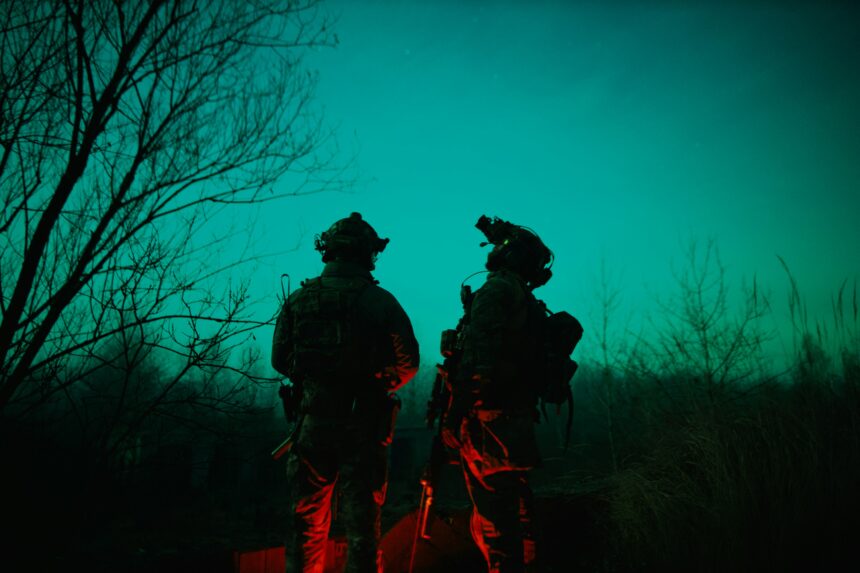
The future of military operations is a landscape rapidly being reshaped by an unprecedented wave of technological advancements and strategic innovations. As global dynamics shift and the nature of conflict evolves, defense forces worldwide are investing heavily in the development and integration of cutting-edge capabilities. These developments are not merely incremental improvements; they represent a fundamental transformation in how wars are conceived, planned, and executed, demanding a constant re-evaluation of doctrine, training, and personnel. The driving forces behind this evolution are multifaceted, encompassing the need for enhanced situational awareness, increased lethality and precision, improved survivability for personnel, and the ability to operate effectively across increasingly complex and contested domains. The following exploration delves into the key areas witnessing significant progress, highlighting the potential impact of these advancements on the future battlefield.
Artificial Intelligence (AI) and autonomous systems are arguably the most disruptive forces shaping the future of military operations. Their integration promises to revolutionize decision-making, enhance operational efficiency, and reduce risk to human combatants. The development of AI in military contexts is not a monolithic endeavor; it spans a broad spectrum of applications, from advanced data analysis to fully independent weapon systems.
Machine Learning and Predictive Analytics
Machine learning algorithms are already playing a crucial role in processing vast amounts of intelligence, surveillance, and reconnaissance (ISR) data. By identifying patterns and anomalies that human analysts might miss, AI can provide commanders with a more comprehensive and nuanced understanding of the operational environment. This includes predicting enemy movements, identifying potential threats, and even forecasting the outcomes of various courses of action. The ability to sift through terabytes of sensor data, satellite imagery, and open-source intelligence in near real-time liberates human decision-makers from overwhelming analytical burdens, allowing them to focus on strategic considerations.
Autonomous Platforms and Swarming Technologies
The development of autonomous uncrewed systems – aerial vehicles (UAVs), ground vehicles (UGVs), and maritime vessels (UMVs) – is rapidly progressing. These platforms are moving beyond remote control to operate with increasing degrees of independence, executing complex missions in contested environments. Swarming technologies, where multiple autonomous agents coordinate their actions to achieve a common objective, represent a particularly significant leap. Imagine swarms of drones, for instance, capable of overwhelming enemy air defenses, conducting widespread reconnaissance, or even delivering synchronized precision strikes. The sheer volume and coordinated nature of such swarms can present a logistical and tactical challenge that traditional defense systems may struggle to counter.
Cognitive Warfare and Human-Machine Teaming
Beyond purely physical operations, AI is also poised to transform cognitive warfare. AI-powered systems can be used to generate and disseminate disinformation at scale, analyze public sentiment, and even influence decision-making processes through sophisticated cyber operations. Simultaneously, the concept of human-machine teaming is gaining traction. This involves seamlessly integrating human operators with AI systems, where each component leverages its unique strengths. Humans provide ethical judgment, creativity, and strategic oversight, while AI offers speed, accuracy, and data processing power. This symbiotic relationship aims to augment human capabilities, enabling warfighters to perform at higher levels than ever before.
Ethical and Legal Considerations
The increasing autonomy of military systems raises profound ethical and legal questions. The debate surrounding lethal autonomous weapons systems (LAWS) – commonly referred to as “killer robots” – centers on accountability, the potential for unintended escalation, and the erosion of human control over life-and-death decisions. International bodies are actively grappling with these issues, seeking to establish frameworks and regulations that ensure responsible development and deployment of AI in warfare.
As military operations continue to evolve in response to technological advancements and shifting geopolitical landscapes, the future of warfare is becoming increasingly complex. A related article that delves into these themes is available at In the War Room, where experts discuss the implications of artificial intelligence, cyber warfare, and unmanned systems on military strategy and effectiveness. This insightful analysis provides a comprehensive overview of how modern conflicts are shaping the future of military operations.
The Revolution of Cyber and Information Warfare
In the 21st century, the battlefield extends far beyond traditional kinetic domains. Cyberspace and the information environment have become critical arenas for both conflict and deterrence, demanding new strategies and capabilities.
Offensive and Defensive Cyber Operations
Nation-states and non-state actors are increasingly leveraging cyber capabilities to disrupt critical infrastructure, steal sensitive information, and cripple military command and control systems. Consequently, the development of robust defensive cyber capabilities is paramount, involving advanced threat detection, network segmentation, and rapid response mechanisms. On the offensive side, cyber warfare presents a potent tool for asymmetrical advantage, enabling the degradation of an adversary’s capabilities without the direct expenditure of physical force. This can range from targeted denial-of-service attacks to the sophisticated manipulation of data and systems.
Information Operations and Disinformation Campaigns
The ability to shape narratives and influence public perception is a potent weapon. Advanced information operations leverage social media, encrypted messaging platforms, and sophisticated propaganda techniques to sow discord, erode trust, and undermine an adversary’s political and military will. The pace and authenticity of information spread in the digital age make this a particularly challenging domain to defend against, requiring proactive counter-disinformation strategies and the development of resilience within populations.
Electronic Warfare and Spectrum Dominance
Electronic warfare (EW) remains a critical component of modern conflict, focusing on the control and manipulation of the electromagnetic spectrum. This includes jamming enemy communications and radar systems, as well as protecting friendly forces from enemy electronic interference. The increasing reliance on wireless communication and networked systems makes spectrum dominance an essential prerequisite for effective operations, ensuring that friendly forces can communicate and operate unimpeded while denying the enemy these vital capabilities.
The Convergence of Cyber and Physical Domains
A critical trend is the increasing convergence of cyber and physical domains. Attacks on critical infrastructure, such as power grids or communication networks, can have direct kinetic consequences, blurring the lines between cyber and traditional warfare. This necessitates an integrated approach to defense, where cyber resilience is as crucial as the physical integrity of military assets.
The Enhanced Role of Space and the Contestation of the Space Domain
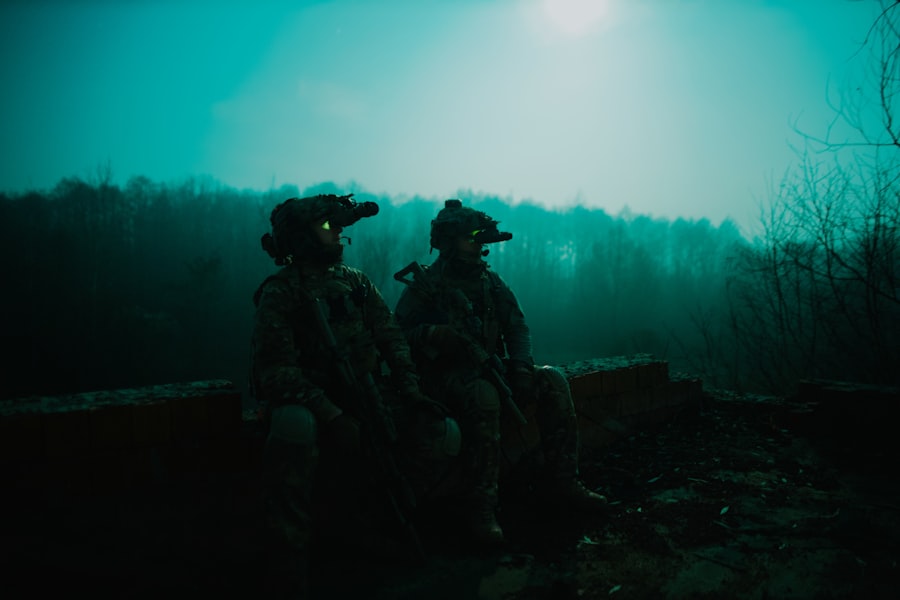
Space-based assets are indispensable for modern military operations, providing vital capabilities for communication, navigation, intelligence, and early warning. As reliance on space grows, so does its contestation, leading to increased investment in space capabilities and anti-satellite technologies.
Space-Based ISR and Communications
Satellites provide unparalleled perspectives for intelligence gathering, reconnaissance, and surveillance. They enable global situational awareness, allowing commanders to monitor troop movements, identify targets, and assess battle damage. Furthermore, space-based communication networks are essential for maintaining command and control, especially in remote or contested areas where terrestrial infrastructure may be vulnerable.
Missile Defense and Space Situational Awareness
The proliferation of ballistic missile technology has underscored the importance of space-based early warning systems. Satellites play a crucial role in detecting missile launches, allowing for timely interception and defense. Maintaining an accurate understanding of the space environment – what is in orbit, where it is, and what its capabilities are – is also critical. This space situational awareness (SSA) is vital for deconflicting satellite orbits, tracking space debris, and identifying potential threats to space assets.
Anti-Satellite Capabilities and Space Warfare
As nations develop more sophisticated space capabilities, the potential for hostile actions in space increases. The development of anti-satellite (ASAT) weapons, which can disable or destroy enemy satellites, poses a significant threat to the global reliance on space-based infrastructure. This has led to concerns about an arms race in space and the potential for catastrophic outcomes, such as the creation of vast amounts of space debris that could render orbits unusable for generations.
The Militarization of Space and New Operational Paradigms
The increasing militarization of space necessitates the development of new operational paradigms. This includes how to protect friendly space assets, how to conduct operations in denial or degradation of enemy space capabilities, and how to ensure freedom of action in orbit. The concept of “space control” – the ability to ensure one’s own use of space while denying it to an adversary – is becoming increasingly relevant.
The Evolution of Lethality and Precision Warfare

The drive for greater precision and reduced collateral damage continues to shape the development of lethal force. Advancements in guided munitions, directed energy weapons, and advanced targeting systems are transforming the battlefield.
Next-Generation Precision-Guided Munitions
The ongoing evolution of precision-guided munitions (PGMs) continues to enhance their effectiveness and versatility. This includes developments in terminal guidance systems, enabling weapons to re-acquire and track targets even in challenging weather or electronic warfare environments. Furthermore, an increasing focus is placed on “smart” munitions that can adapt to changing battlefield conditions or even be reprogrammed mid-flight.
Directed Energy Weapons (DEWs)
Directed energy weapons, including lasers and high-powered microwaves, are emerging as a significant disruptive technology. These weapons offer the potential for rapid, precise engagement with no issue of ammunition supply and minimal collateral damage. Their applications range from countering drones and small unmanned aircraft to potentially disabling enemy sensors and electronic systems.
Hypersonic Weapons Systems
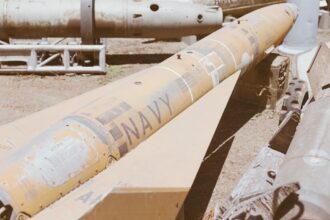
Hypersonic weapons, traveling at speeds exceeding Mach 5, represent a leap in offensive capability. Their extreme speed and maneuverability make them incredibly difficult to intercept, posing a significant challenge to existing air and missile defense systems. The development of hypersonic missiles, both conventional and potentially nuclear-armed, is reshaping strategic deterrence and the dynamics of power projection.
Advanced Targeting and Sensor Fusion
The effectiveness of precision warfare is heavily reliant on sophisticated targeting systems and the fusion of data from multiple sensors. Advanced sensors, integrated through AI-powered algorithms, can provide commanders with highly accurate and real-time targeting solutions, enabling rapid and precise engagement of enemy forces with minimized risk of fratricide or civilian casualties.
As the landscape of warfare continues to evolve, understanding the future of military operations becomes increasingly crucial. A recent article delves into innovative strategies and technologies that are shaping modern combat scenarios. For those interested in exploring this topic further, you can read the full analysis in the article on military advancements found here. This piece highlights the importance of adapting to new challenges and the role of emerging technologies in enhancing operational effectiveness.
The Soldier of the Future: Augmented Warrior and Human Performance Optimization
| Aspect | Metrics |
|---|---|
| Technology | Advancements in AI, drones, and cyber warfare |
| Strategy | Shift towards asymmetric warfare and hybrid warfare |
| Logistics | Increased use of autonomous vehicles and supply chain management |
| Training | Focus on multi-domain operations and joint force integration |
| Doctrine | Emphasis on information warfare and non-kinetic capabilities |
The soldier remains the irreducible element of military operations, and their capabilities are being significantly enhanced through technological integration and a focus on human performance optimization.
Exoskeletons and Enhanced Mobility
Powered exoskeletons are no longer confined to science fiction. These devices are being developed to augment the physical capabilities of soldiers, enabling them to carry heavier loads, traverse difficult terrain more efficiently, and reduce fatigue and injury. This can significantly extend the operational reach and endurance of dismounted troops.
Integrated Body Armor and Sensor Systems
Modern body armor is evolving beyond passive protection to incorporate a range of integrated sensor systems. These can monitor physiological indicators of stress, fatigue, and injury, providing vital information to the soldier and their commanders. Embedded communication systems and heads-up displays (HUDs) further enhance situational awareness and command and control.
Cognitive Augmentation and Training Technologies
Beyond physical enhancements, the cognitive capabilities of soldiers are also being augmented. Advanced simulations and virtual reality (VR) and augmented reality (AR) training environments provide immersive and realistic scenarios for skill development and tactical rehearsal. Brain-computer interfaces (BCIs) are also being explored as a means of directly interacting with systems or enhancing cognitive functions under extreme stress.
The Importance of Resilience and Adaptability
As the battlefield becomes more complex and the pace of operations accelerates, the psychological resilience and adaptability of military personnel are paramount. Training regimens are increasingly focusing on developing mental fortitude, stress management techniques, and the ability to operate effectively in ambiguous and rapidly changing environments. The human element, when properly supported and augmented, will remain central to successful military operations.
In conclusion, the future of military operations is characterized by a dynamic interplay of technological innovation and evolving strategic thinking. The integration of AI and autonomy, the mastery of cyber and information warfare, the contestation of the space domain, advancements in lethality and precision, and the augmentation of the human warrior are all contributing to a profound transformation. Defense organizations that can effectively research, develop, acquire, and integrate these capabilities, while simultaneously adapting their doctrines, training, and organizational structures, will be best positioned to navigate the complex and uncertain security landscape of the future. The ethical implications of these advancements, particularly concerning autonomy and the weaponization of information, will continue to be a critical area of discussion and policy development, shaping not only how wars are fought but also the very nature of international security.

Why Armies Fear 4:30 AM
FAQs
What is the future of military operations?
The future of military operations is expected to involve a greater reliance on advanced technology, including unmanned systems, artificial intelligence, and cyber warfare. There will also be a focus on multi-domain operations, which integrate capabilities across land, air, sea, space, and cyberspace.
How will advanced technology impact military operations in the future?
Advanced technology is expected to revolutionize military operations by enhancing situational awareness, increasing precision and lethality, and reducing the risk to human personnel. This includes the use of drones, autonomous vehicles, and advanced communication and surveillance systems.
What role will artificial intelligence play in future military operations?
Artificial intelligence is expected to play a significant role in future military operations by enabling autonomous decision-making, predictive analytics, and the automation of routine tasks. This will allow for faster and more efficient decision-making on the battlefield.
How will cyber warfare impact future military operations?
Cyber warfare is expected to become an increasingly important aspect of future military operations, as nations seek to gain a strategic advantage by disrupting or disabling the information systems and networks of their adversaries. This will require a greater focus on cybersecurity and offensive cyber capabilities.
What are multi-domain operations and how will they shape the future of military operations?
Multi-domain operations involve the integration of capabilities across land, air, sea, space, and cyberspace to create synergistic effects on the battlefield. This approach is expected to shape the future of military operations by enabling more coordinated and effective use of military power across multiple domains.