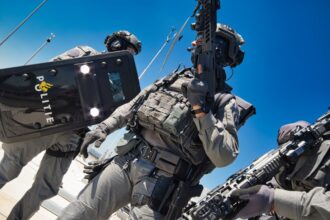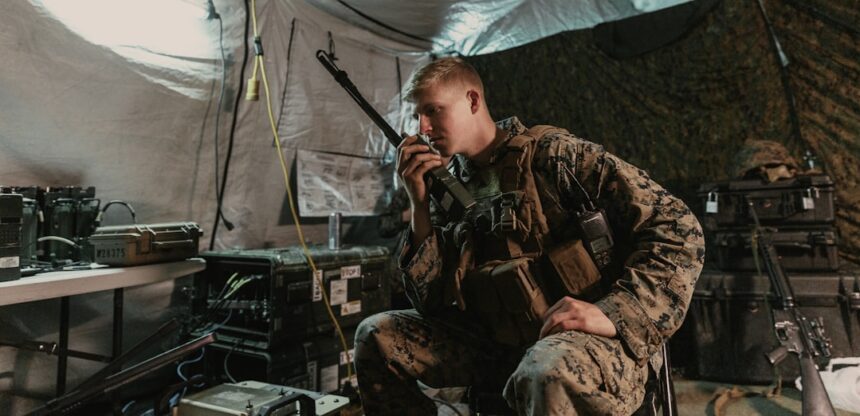
The roar of artillery, the sting of dust, the constant hum of fear – these are the sensory assaults that define the modern battlefield. Yet, beyond the immediate physical dangers, a subtler, more insidious enemy lurks, eroding the very foundations of a soldier’s being. This enemy is battlefield exhaustion, a profound and often underestimated consequence of prolonged combat. A new documentary, simply titled “Battlefield Exhaustion: Military Fatigue,” endeavors to shine a much-needed spotlight on this critical issue, offering an unflinching and deeply human exploration of its multifaceted impact.
The film, by an acclaimed independent production team known for their sensitive portrayal of military life, moves beyond the ticker-tape narratives of heroism and victory to delve into the grueling reality of sustained psychological and physiological strain. It argues, with compelling evidence and poignant testimonies, that understanding and addressing battlefield exhaustion is not just a matter of soldier welfare, but a crucial element in military effectiveness and a fundamental moral imperative. Through a combination of expert interviews, candid soldier accounts, and stark archival footage, “Battlefield Exhaustion” crafts a narrative that is both informative and emotionally resonant, leaving viewers with a profound appreciation for the unseen battles waged within the minds and bodies of those who serve.
The Many Faces of Fatigue: Defining Battlefield Exhaustion
The documentary wastes no time in establishing a clear and comprehensive understanding of what constitutes battlefield exhaustion. It moves beyond the simplistic notion of being tired, presenting it as a complex syndrome with deeply ingrained physiological and psychological components. The film meticulously deconstructs the phenomenon, breaking down its various manifestations and the intricate interplay of factors that contribute to its development.
Beyond Simple Tiredness: A Spectrum of Symptoms
“Battlefield Exhaustion” clearly articulates that this is not merely a case of needing a good night’s sleep. The film details a spectrum of symptoms, ranging from the immediately recognizable to the more insidious. Viewers are exposed to the physical toll: constant fatigue, disrupted sleep patterns, compromised immune systems, and chronic pain. But the documentary emphasizes that the psychological manifestations are equally, if not more, devastating.
Cognitive Impairment: When the Mind Falters
A significant portion of the documentary is dedicated to exploring the cognitive deficits that arise from prolonged combat stress. Expert psychologists explain how the brain, under constant duress, struggles to perform even basic functions. This includes problems with concentration, memory, decision-making, and reaction times. Soldiers, appearing deeply reflective, recount instances where their ability to process information was severely hampered, leading to potentially dangerous misjudgments or an overwhelming sense of inertia. The film illustrates how the hypervigilance necessary for survival can paradoxically lead to an inability to focus on the task at hand, creating a debilitating cycle.
Emotional Numbness and Hyperarousal: The Polar Extremes
The film paints a vivid picture of the emotional landscape of battlefield exhaustion, highlighting the stark contrast between emotional numbness and hyperarousal. Soldiers describe a pervasive sense of detachment, a flattening of emotions that can make it difficult to connect with loved ones or even experience joy. This emotional blunting is often juxtaposed with periods of intense hyperarousal – sudden bursts of anxiety, irritability, anger, or fear triggered by seemingly innocuous stimuli. The documentary uses powerful personal anecdotes to showcase how these extreme emotional states can alienate soldiers from themselves and those around them.
Social Withdrawal and Interpersonal Strain
The cumulative effect of these symptoms, the documentary argues, often leads to social withdrawal. Soldiers, even when not deployed, may find themselves unable to engage in normal social interactions. The unique shared experiences of combat create a chasm between those who have served and those who have not, leading to a feeling of profound isolation. This social isolation, in turn, exacerbates the other symptoms of exhaustion, creating a vicious feedback loop. The film includes moving interviews with family members who describe the heartbreaking experience of seeing their loved ones become strangers within their own homes.
For those interested in exploring the complexities of military life and the psychological toll it takes on service members, the documentary on military fatigue offers a profound insight into the challenges faced by veterans. To further understand this topic, readers can check out a related article that delves into the historical context and personal stories behind military fatigue. You can find it here: related article.
The Brewing Storm: Contributing Factors to Battlefield Exhaustion
The documentary meticulously unpacks the myriad factors that contribute to the development of battlefield exhaustion. It presents a holistic view, acknowledging that it is rarely a single cause, but rather a confluence of pressures that push soldiers to their breaking points. The film skillfully navigates the complex interplay of operational demands, personal resilience, and environmental stressors.
Operational Demands: The Relentless Grind of Combat
The core of battlefield exhaustion, as depicted in the film, stems from the unrelenting demands of combat operations. The documentary does not shy away from illustrating the sheer physical and mental expenditure required in high-intensity conflict zones.
Prolonged Deployments and Sleeplessness
The film highlights the stark reality of extended deployments, where soldiers are often away from home for months, even years, at a time. Compounding this separation is the chronic sleep deprivation. Interviews with medical professionals explain the physiological and psychological consequences of insufficient sleep, including impaired cognitive function, increased irritability, and a weakened immune system. The documentary shows how the circadian rhythms of soldiers are constantly disrupted by deployments, operational tempos, and the ever-present threat of attack.
High-Stakes Decision-Making Under Extreme Pressure
The psychological burden of making life-or-death decisions under immense pressure is a recurring theme. The film features poignant reflections from soldiers who have had to make split-second choices with potentially catastrophic consequences. Experts explain the concept of decision fatigue and how the constant need to assess threats and formulate responses can deplete a soldier’s mental resources, leading to burnout. The documentary argues that the weight of these decisions, even when made correctly, can leave lasting psychological scars.
Exposure to Trauma and Moral Injury
“Battlefield Exhaustion” confronts the deeply disturbing realities of exposure to trauma, including witnessing death, injury, and the destruction of lives. The documentary explores the concept of moral injury – the psychological distress that results from actions, or inactions, that violate one’s moral or ethical code. Soldiers share harrowing personal accounts of experiences that have challenged their fundamental beliefs, leading to profound guilt, shame, and disillusionment. The film emphasizes that these experiences are not easily compartmentalized and can have long-lasting effects on a soldier’s mental well-being.
Individual Vulnerabilities: Pre-existing Conditions and Personal Resilience
While operational demands are significant, the documentary also acknowledges that individual vulnerabilities and different levels of personal resilience play a crucial role in how soldiers cope with the rigors of combat.
Pre-Deployment Mental Health and Temperament
The film discusses the importance of pre-deployment mental health screening and the potential impact of pre-existing psychological conditions. Experts explain how individuals with a history of anxiety, depression, or trauma may be more susceptible to developing battlefield exhaustion. However, the documentary also emphasizes that resilience is not solely determined by pre-existing conditions. It explores the role of personality traits, such as adaptability, optimism, and a strong sense of purpose, in a soldier’s ability to withstand prolonged stress.
The Role of Social Support Networks
The strength of a soldier’s social support network, both within their unit and back home, is presented as a vital buffer against exhaustion. The film showcases the camaraderie and mutual reliance that develops on the battlefield, highlighting how a strong unit can provide a sense of belonging and shared purpose. Conversely, the documentary also illustrates the devastating impact of a lack of social support, both in theatre and upon return, on a soldier’s ability to cope.
Historical Exposure to Combat and Stressors
The documentary touches upon the cumulative impact of multiple deployments and repeated exposure to combat stressors. Soldiers who have served in multiple conflicts, or endured particularly intense tours of duty, are shown to be at a higher risk for developing chronic exhaustion. The film suggests that the human capacity for resilience, while remarkable, is not limitless and that repeated exposure to trauma can erode a soldier’s coping mechanisms over time.
The Ripple Effect: Consequences Beyond the Battlefield
The impact of battlefield exhaustion, the documentary asserts, extends far beyond the immediate theatre of operations. The film meticulously traces the long-term consequences for individual soldiers, their families, and society at large. It argues that neglecting this issue has profound and far-reaching implications.
Personal Devastation: The Soldier’s Struggle for Recovery
The documentary provides a stark and often heartbreaking look at the personal devastation that battlefield exhaustion can inflict. Soldiers share their struggles with reintegration into civilian life, facing challenges that can seem insurmountable.
Difficulty Reintegrating into Civilian Life
The transition from the highly structured, adrenaline-fueled environment of combat to the complexities of civilian society is depicted as a formidable hurdle. Soldiers describe feeling alienated from loved ones, struggling to find meaningful employment, and grappling with a sense of purposelessness. The documentary highlights the disconnect between the skills and experiences gained in military service and the demands of the civilian workforce, often leading to underemployment and frustration.
The Shadow of Intrusive Thoughts and Nightmares
The persistence of intrusive thoughts and nightmares, even long after returning home, is a common theme. The film features soldiers who are haunted by memories of combat, experiencing flashbacks and sleep disturbances that disrupt their lives. Mental health professionals explain the persistent nature of these symptoms and the challenges in treating them, emphasizing the need for specialized and ongoing care.
The Risk of Substance Abuse and Self-Harm
The documentary unflinchingly addresses the increased risk of substance abuse and self-harm among soldiers experiencing battlefield exhaustion. Many soldiers, interviewed anonymously, describe turning to alcohol or drugs to numb their pain or cope with the overwhelming emotions. The film highlights the tragic statistics surrounding suicide rates among veterans, underscoring the urgent need for effective prevention and intervention strategies.
The documentary on military fatigue provides a profound insight into the psychological and physical challenges faced by service members, highlighting the importance of mental health support. For those interested in exploring this topic further, a related article can be found at In The War Room, which delves into the strategies and resources available to help veterans cope with their experiences. This connection between the documentary and the article emphasizes the ongoing conversation about the well-being of our troops and the need for comprehensive care.
Strained Relationships: The Impact on Families
The ripple effect of battlefield exhaustion extends directly into the lives of soldiers’ families, creating significant strain and often profound pain.
Strain on Marriages and Partnerships
The emotional and psychological toll on soldiers directly impacts their intimate relationships. The documentary features interviews with spouses who describe the challenges of living with a partner who is distant, irritable, or emotionally unavailable. The inability to communicate effectively, the constant worry about their loved one’s well-being, and the struggle to rebuild intimacy are all poignantly explored.
The Burden on Children and Loved Ones
The impact on children is also a significant focus. The film shows how the emotional absence of a parent can affect a child’s development and well-being. Parents who are struggling with exhaustion may find it difficult to provide consistent emotional support or engage in everyday parenting activities. The documentary also touches upon the burden placed on other family members and friends who often bear witness to and try to help their loved ones navigate these difficult times.
The Cycle of Isolation and Misunderstanding
The documentary argues that battlefield exhaustion can create a cycle of isolation and misunderstanding within families. Soldiers may feel unable to articulate their experiences, and families may struggle to comprehend the depth of their loved one’s suffering. This can lead to a breakdown in communication and a growing chasm between family members, further exacerbating the problem.
Breaking the Silence: A Call for Action and Understanding
“Battlefield Exhaustion: Military Fatigue” is not just a documentary; it is a powerful call to action. The film systematically dismantles the traditional stoicism associated with military service and advocates for a more compassionate and proactive approach to addressing soldier welfare. It argues that breaking the silence surrounding mental health challenges is paramount for both individual recovery and military readiness.
The Need for Proactive Support Systems
The documentary strongly advocates for the implementation of robust and accessible support systems for soldiers at all stages of their service. This includes not only immediate post-deployment care but also ongoing support throughout their careers and after they transition to civilian life.
Early Identification and Intervention Strategies
Experts in the film emphasize the crucial role of early identification and intervention. This involves implementing comprehensive screening protocols during recruitment, throughout deployments, and upon return. The documentary showcases examples of effective early intervention programs that have demonstrated success in mitigating the long-term effects of combat stress.
Accessible Mental Health Services and De-stigmatization
A central theme is the urgent need for accessible and destigmatized mental health services. The film highlights the persistent stigma surrounding seeking help within military culture and advocates for creating an environment where soldiers feel safe and encouraged to access psychological support without fear of reprisal or judgment. This includes increasing the number of trained mental health professionals available to service members and ensuring that services are readily available and discreet.
Reintegration Programs and Civilian Transition Support
The documentary offers hopeful examples of successful reintegration programs that bridge the gap between military and civilian life. These programs provide valuable resources, vocational training, and emotional support to help veterans navigate the challenges of re-entering society. The film underscores the importance of sustained support, recognizing that the transition is often a lengthy and complex process.
The Importance of Public Awareness and Advocacy
Beyond institutional change, the film underscores the vital role of public awareness and advocacy in fostering a greater understanding and support for soldiers grappling with battlefield exhaustion.
Educating the Public on the Realities of Combat
“Battlefield Exhaustion” aims to educate the public about the often-unseen sacrifices and the profound psychological toll of military service. By shedding light on the realities of combat fatigue, the documentary seeks to foster empathy and break down misconceptions about soldiers’ experiences.
Advocating for Policy Changes and Increased Funding
The film serves as a powerful tool for advocacy, urging policymakers to prioritize mental health in military budgets and develop more comprehensive support structures. The documentary highlights the economic and human cost of neglecting battlefield exhaustion and makes a compelling case for increased investment in research, treatment, and prevention.
Honoring the Unsung Heroes of Mental Resilience
Ultimately, “Battlefield Exhaustion: Military Fatigue” is a testament to the extraordinary resilience of the human spirit. It honors the service and sacrifices of soldiers, not just for their bravery in combat, but for the courage it takes to confront their own inner battles. The documentary leaves viewers with a profound appreciation for the unseen scars of war and a renewed commitment to supporting those who have served, ensuring their well-being extends far beyond the battlefield.

Why Armies Fear 4:30 AM
FAQs
What is the military fatigue documentary about?
The military fatigue documentary explores the experiences of soldiers in combat zones and the impact of prolonged exposure to warfare on their mental and emotional well-being.
Who is featured in the military fatigue documentary?
The documentary features interviews with current and former military personnel, as well as mental health professionals and experts in the field of combat-related trauma.
What are some of the key themes addressed in the military fatigue documentary?
The documentary addresses themes such as post-traumatic stress disorder (PTSD), the challenges of reintegrating into civilian life after deployment, and the stigma surrounding mental health issues in the military.
Where can I watch the military fatigue documentary?
The documentary may be available for streaming on various platforms, such as streaming services, or it may be screened at film festivals or special events. Check with the documentary’s official website or social media pages for more information on where to watch it.
How can I support military personnel and veterans after watching the military fatigue documentary?
After watching the documentary, consider reaching out to local veterans’ organizations or mental health support groups to see how you can offer assistance or get involved in supporting military personnel and veterans in your community.