The USS John S. McCain, a guided-missile destroyer of the Arleigh Burke class, was a vessel of impressive capability, a cornerstone of the U.S. Navy’s forward presence in the Asia-Pacific. Her mission was clear: to safeguard maritime interests, deter aggression, and respond to crises in a vital region. Yet, on August 21, 2017, during a routine transit of the Malacca Strait, this powerful warship found herself at the center of a catastrophic collision with the Alnic MC, a Liberian-flagged merchant vessel. The incident, which resulted in the tragic loss of ten U.S. Navy sailors and severe damage to the McCain, sent shockwaves through the naval community and prompted a series of investigations to dissect the multitude of factors that led to the tragedy. This article delves into the complex web of errors, systemic failures, and operational breakdowns that culminated in the USS John S. McCain collision, seeking to understand not just what happened, but why.
August 21, 2017, began like any other operational sortie for the crew of the USS John S. McCain. The destroyer was en route to Singapore, a regular port of call and a strategically important hub. The conditions were typical for the busy Malacca Strait – moderate seas, generally clear visibility, and a high volume of maritime traffic. The strait itself is one of the world’s most critical chokepoints for global trade, a narrow waterway where naval vessels, supertankers, cargo ships, and smaller craft navigate in close proximity. The inherent complexity of managing such traffic, especially at speed and in daylight, demands constant vigilance and precise execution from all mariners.
Routine Operations, Unusual Circumstances
The McCain was operating at a significant speed, a common practice for naval vessels to maintain operational tempo and ensure efficient transit. This high speed, while not inherently problematic in open waters, carries a greater risk in congested areas. The vessel was reportedly operating with a reduced crew on the bridge due to a planned watch rotation, a common occurrence during transits but one that can, under certain circumstances, impact the distributed situational awareness of the watch team. The combination of these factors – speed, traffic density, and watch team composition – set the stage for a potentially precarious situation.
A Deceptive Calm Before the Storm
Despite the impending danger, the initial stages of the transit appeared nominal. The bridge team was engaged in standard procedures, monitoring traffic and maintaining course and speed. However, beneath the surface of this apparent normalcy, a series of communications breakdowns and procedural deviations were beginning to sow the seeds of disaster. The critical failure to recognize and respond to the imminent threat posed by the Alnic MC would soon shatter the routine and plunge the USS John S. McCain into a harrowing ordeal.
The collision involving the USS John S. McCain has raised significant concerns about naval safety and operational protocols. For a deeper understanding of the implications of this incident and similar occurrences, you can read a related article that explores the challenges faced by the U.S. Navy in maintaining maritime security. Check out the article at In the War Room for more insights.
The Human Element and Procedural Lapses
At the heart of any maritime incident, particularly those involving complex operations, lies the human element. The investigations into the McCain collision repeatedly pointed to a confluence of human errors, inadequate training, and a pervasive erosion of procedural discipline within the ship’s command. These were not isolated incidents but rather symptomatic of broader issues that had developed over time, creating a culture where critical safety protocols were sometimes overlooked.
The Breakdown in Communications
A fundamental tenet of safe navigation is clear and unambiguous communication, both internally on the bridge and externally with other vessels. In the case of the McCain, communication fell apart on multiple critical junctures.
Internal Bridge Communication Failures
The bridge team on the McCain experienced significant lapses in communication. Watchstanders failed to adequately communicate critical information to each other and to the Officer of the Deck (OOD), the officer responsible for the safe navigation of the ship. This included a failure to identify the Alnic MC as a crossing vessel and to recognize the narrowing of the CPA (Closest Point of Approach). The lack of clear reporting and the assumption of understanding without explicit confirmation created blind spots in the team’s collective situational awareness.
External Communication Misunderstandings
The interaction with the Alnic MC was marred by a lack of effective external communication. While the McCain did attempt to communicate with the Alnic MC via radio, the messages were either not received, not understood, or not acted upon by the merchant vessel’s crew. This breakdown in establishing a common understanding regarding intentions and actions was a direct contributor to the collision. The inability to establish a mutual recognition of the developing peril rendered the standard rules of the road ineffective.
Fatigue and Watch Standing Issues
The demanding nature of naval operations, especially extended deployments, can lead to crew fatigue. While not explicitly identified as the sole cause, fatigue can certainly exacerbate human error and degrade performance. Moreover, the investigations revealed potential issues with watch standing procedures, including insufficient handover protocols and a lack of consistent adherence to established watch routines. This could have contributed to a diminished level of vigilance on the bridge.
Inadequate Situational Awareness
The culmination of communication failures and procedural lapses resulted in a severe degradation of situational awareness among the McCain’s bridge team. They failed to accurately track the Alnic MC, misjudged its course and speed, and did not recognize the increasing risk of collision until it was far too late. This critical failure in understanding the surrounding environment and the intentions of other vessels is a recurring theme in many maritime disasters.
Systemic Issues and Training Deficiencies
The problems identified on the USS John S. McCain were not solely confined to the immediate actions of the individuals on watch. Investigations began to uncover broader systemic issues within the U.S. Navy that may have contributed to the environment in which such a disaster could occur. These issues touched upon the quality of training, the standards of readiness, and the overall command climate.
The Erosion of Naval Proficiency
Over the years leading up to the McCain collision, concerns had been raised about a potential erosion of seamanship and navigational proficiencies within some segments of the U.S. Navy. This was attributed by some to a focus on new technologies at the expense of fundamental sailing skills and the pressures of maintaining high operational tempo. The demanding operational tempo, while essential for forward presence, sometimes meant less time for rigorous, recurrent training in basic seamanship.
Training Gaps and Simulation Limitations
While the Navy invests heavily in advanced training and simulation, questions were raised about whether these simulations adequately replicated the complexities and pressures of real-world navigation in congested waterways like the Malacca Strait. The McCain incident highlighted a potential disconnect between simulated proficiency and actual operational readiness, particularly concerning the management of unexpected or rapidly evolving traffic situations.
Command and Control Deficiencies
The investigations also pointed to deficiencies in the command and control structure. This included issues with leadership’s oversight of training and readiness, as well as the promotion of a culture where minor infractions might be overlooked in the pursuit of mission accomplishment. A healthy command climate should foster an environment where individuals feel empowered to raise concerns without fear of reprisal, and where adherence to safety protocols is paramount.
The Role of the Merchant Vessel
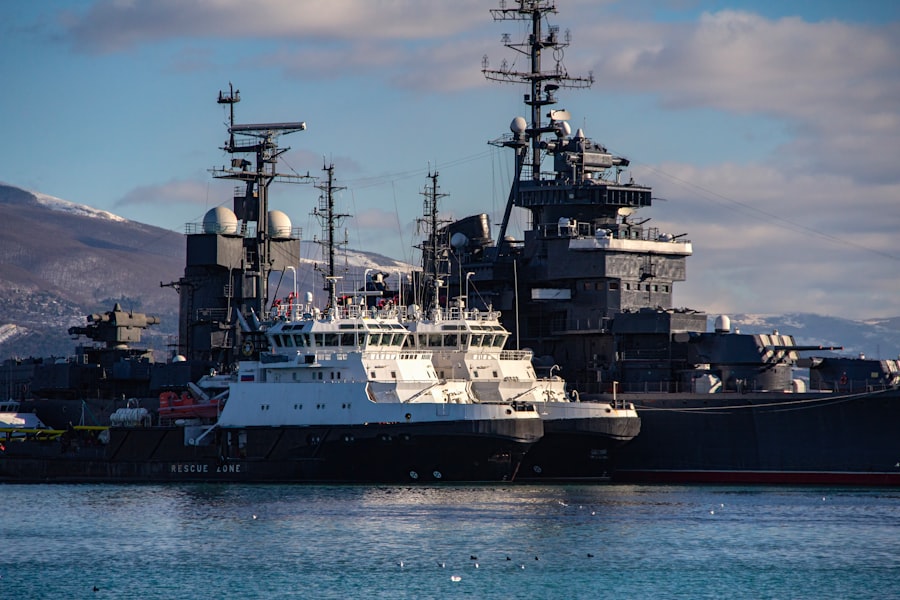
While the primary focus of investigations rightly centered on the actions of the USS John S. McCain, the role of the merchant vessel Alnic MC was also examined. Understanding the actions and omissions of both parties is crucial for a complete picture of the incident.
Navigation Practices of the Alnic MC
The Alnic MC, a chemical tanker, was also navigating the Malacca Strait. Investigations into its navigation practices revealed potential deviations from standard operating procedures. There were allegations that the vessel’s bridge team may have been distracted or improperly manned. The sudden and erratic maneuvers of the Alnic MC were also a significant factor in the collision, further complicating the situation for the McCain’s crew.
International Maritime Regulations and Compliance
Both vessels were operating under the International Regulations for Preventing Collisions at Sea (COLREGs). The investigation sought to determine if both vessels had adhered to these regulations, particularly concerning the responsibilities of crossing vessels and the requirement to take avoiding action when a risk of collision exists. The incident highlighted potential challenges in the application and enforcement of these rules in highly trafficked and complex maritime environments.
The USS John S. McCain collision raised significant concerns about naval safety and operational protocols, prompting investigations and discussions on how to prevent similar incidents in the future. For a deeper understanding of the implications of this event, you can read a related article that explores the broader context of naval accidents and their impact on military readiness. This insightful piece can be found here.
The Aftermath and Lessons Learned
| Date of Collision | August 21, 2017 |
|---|---|
| Location | Strait of Malacca near Singapore |
| Ship Involved | USS John S. McCain (DDG-56) |
| Casualties | 10 sailors killed, 48 injured |
| Cause of Collision | Investigation revealed a loss of situational awareness by the crew and a failure to follow standard navigation practices |
The collision between the USS John S. McCain and the Alnic MC was a stark and tragic reminder of the unforgiving nature of the sea and the critical importance of maintaining the highest standards of seamanship and operational discipline. The loss of life was a profound blow to the Navy and to the families of the sacrificed sailors. The investigations initiated in the wake of the incident were extensive, comprehensive, and ultimately led to significant changes within the U.S. Navy.
The Investigations and Their Findings
Multiple investigations were launched, including those by the U.S. Navy, the National Transportation Safety Board (NTSB), and authorities in Singapore. These investigations meticulously pieced together the timelines, analyzed data, and interviewed witnesses. The findings consistently pointed to a complex interplay of human error, procedural failures, and systemic issues within the command of the USS John S. McCain and, to a lesser extent, the Alnic MC. The reports detailed a cascade of errors, starting with a failure to properly identify the Alnic MC as a crossing vessel and escalating through a series of missed opportunities to take corrective action.
Reforms and Preventative Measures
In response to the findings, the U.S. Navy implemented sweeping reforms. Admiral John Richardson, then Chief of Naval Operations, acknowledged the systemic issues and committed to significant changes aimed at improving readiness, training, and readiness. These reforms included:
Enhanced Bridge Team Training
New protocols were introduced to reinforce bridge team communication, situational awareness, and decision-making processes. This included more rigorous scenario-based training and a greater emphasis on the roles and responsibilities of each watchstander. The importance of clear, assertive communication, especially in high-stakes situations, was re-emphasized.
Increased Emphasis on Basic Seamanship
There was a renewed focus on fundamental seamanship skills, including navigation, ship handling, and collision avoidance. Recurrent training programs were strengthened to ensure that crews remained proficient in these core competencies, regardless of technological advancements.
Improvement in Navigation Standards
The Navy reviewed and updated its navigation standards and procedures. This included a greater emphasis on risk assessment, traffic analysis, and the proactive identification of potential hazards in congested waterways. The use of advanced navigation tools was re-evaluated to ensure they complemented, rather than replaced, sound human judgment.
Command Climate Assessments
More robust processes were put in place for assessing and improving the command climate within ships and commands. This aimed to foster an environment where subordinates felt comfortable raising safety concerns and where leadership was held accountable for maintaining a strong safety culture.
Fleet-Wide Readiness Reviews
The incident prompted a fleet-wide review of readiness and training programs to identify and address any other systemic vulnerabilities. This was a critical step in ensuring that lessons learned from the McCain incident were applied across the entire Navy.
The Enduring Legacy of the Fallen Ten
The collision of the USS John S. McCain stands as a somber testament to the human cost of operational failures. The ten sailors who lost their lives – Fire Controlman 2nd Class Charles Nathan Findley, Information System Technician 2nd Class Dustin Louis Gibbs, Machinist’s Mate 2nd Class Kevin S. Rhoades, Sonar Technician Seaman Da Atta, Electronics Technician 3rd Class Joshua Nicholas Tom, Cryptologic Technician Interpretive 3rd Class Dong-min Lee, Machinist’s Mate 3rd Class JasonR. Walker, Operations Specialist 3rd Class Xavier Evelyn,’ Petty Officer 2nd Class Jake Daniel Reiss, and Petty Officer 1st Class Connor Thomas Wood – will forever be remembered for their sacrifice. The USS John S. McCain, though repaired and returned to service, carries the indelible mark of this tragic event. The lessons learned from this disaster, etched in the memory of every naval officer and enlisted sailor, serve as a constant reminder of the perpetual need for vigilance, discipline, and an unwavering commitment to safety in the demanding profession of maritime service. The pursuit of excellence in naval operations is not merely about technological superiority; it is fundamentally about the competence, dedication, and constant learning of the people who operate the ships and conduct the missions, ensuring that such tragedies are never repeated.

Why Armies Fear 4:30 AM
FAQs
What happened in the USS John S. McCain collision?
The USS John S. McCain, a guided-missile destroyer, collided with a Liberian-flagged oil tanker near the Strait of Malacca in the South China Sea on August 21, 2017. The collision resulted in the deaths of 10 sailors and significant damage to the ship.
What caused the collision?
The collision was attributed to a combination of factors, including a loss of steering control, a misinterpretation of the ship’s position, and a failure to follow standard navigation procedures. The investigation also found deficiencies in training and inadequate oversight of the ship’s crew.
What were the consequences of the collision?
In addition to the loss of life and damage to the USS John S. McCain, the collision raised concerns about the readiness and training of the U.S. Navy’s Seventh Fleet, which had experienced several other incidents in the region in the months leading up to the collision.
What measures were taken following the collision?
Following the collision, the U.S. Navy conducted a comprehensive review of its surface fleet operations and implemented a series of reforms aimed at improving training, maintenance, and operational procedures. The Navy also relieved several senior officers of their duties and took disciplinary action against several others.
What is the current status of the USS John S. McCain?
The USS John S. McCain underwent extensive repairs and upgrades following the collision and returned to active duty in 2020. The ship is currently assigned to the U.S. Seventh Fleet and continues to conduct operations in the Indo-Pacific region.