Naval Accident Investigation: Uncovering the Causes
The vast expanse of the ocean, a realm of both beauty and immense power, serves as the operational theater for navies worldwide. Vessels of war, representing the pinnacle of engineering and human endeavor, traverse these waters, undertaking diverse missions from defense and power projection to humanitarian aid and scientific research. However, the inherent risks associated with operating complex machinery in a dynamic and often unforgiving environment mean that accidents, though thankfully infrequent, are an ever-present concern. When these incidents occur, whether a minor collision, a fire aboard a ship, or a catastrophic loss of life, a rigorous and meticulous process of naval accident investigation is initiated. This process is not merely about assigning blame; it is a critical, multi-faceted undertaking aimed at understanding the why behind an event, thereby preventing similar occurrences in the future and ensuring the continued safety and operational effectiveness of naval forces.
The stakes in naval accident investigations are exceptionally high. Beyond the immediate concerns of preventing further casualties or environmental damage, these investigations directly impact strategic readiness, technological development, and the moral of the personnel. A poorly understood accident can lead to recurring failures, eroded confidence in equipment or procedures, and ultimately, a compromise of national security. Therefore, the art and science of naval accident investigation are honed through experience, standard operating procedures, and a deep commitment to thoroughness.
The initial moments following a naval accident are critical. A swift and organized response is paramount, and this often begins with the establishment of an investigative framework. This framework dictates the methodology, composition, and objectives of the investigation, ensuring a consistent and principled approach.
Pre-defined Protocols and Standing Orders
Naval authorities maintain detailed protocols and standing orders that are specifically designed to guide accident investigations. These documents outline the immediate actions to be taken, including the preservation of evidence, the provision of medical aid, and the notification of relevant higher commands. They also pre-emptively define the roles and responsibilities of various parties, from the commanding officer of the involved vessel to specialized investigative teams. This pre-established structure minimizes confusion and delay in the critical initial stages, allowing for a more efficient and comprehensive investigation.
The Role of the Investigating Officer/Board
At the heart of any naval accident investigation lies the appointed investigating officer or board. This entity is typically composed of experienced naval personnel, often with specialized knowledge in areas relevant to the accident, such as engineering, seamanship, or legal matters. The composition also considers the severity and nature of the incident. For less severe events, a single, highly qualified officer might be tasked. For more significant incidents, particularly those involving loss of life or major material damage, a formal board comprising multiple members with complementary expertise is convened. Their primary mandate is to conduct a fair, impartial, and thorough inquiry.
Terms of Reference and Objectives
Before commencing their work, the investigating officer or board is provided with specific terms of reference. These terms clearly define the scope of the investigation, outlining what specific questions need to be answered and the ultimate objectives. Typically, these objectives include:
- Determining the immediate and underlying causes of the accident.
- Identifying contributing factors, including human error, equipment malfunctions, environmental conditions, and procedural deficiencies.
- Assessing the adequacy of existing safety procedures and training.
- Recommending corrective actions to prevent recurrence.
- Making recommendations regarding accountability, if warranted.
The clarity of these terms of reference is crucial for focusing the investigation and ensuring that all relevant aspects are examined.
In the realm of naval accident investigation, understanding the complexities involved is crucial for enhancing maritime safety. A related article that delves into the intricacies of such investigations can be found at this link: Naval Accident Investigation Insights. This resource provides valuable information on methodologies, case studies, and the importance of thorough investigations in preventing future incidents at sea.
The Evidence Gathering Phase: Piecing Together the Narrative
Once the investigative framework is in place, the meticulous process of evidence gathering begins. This is a painstaking undertaking, akin to assembling a complex jigsaw puzzle, where every piece of information, no matter how seemingly insignificant, can contribute to the overall picture. The aim is to collect a comprehensive and accurate record of the events leading up to, during, and immediately after the accident.
Site Inspection and Documentation
The physical location of the accident is a primary source of evidence. Investigators will conduct thorough site inspections, meticulously documenting the scene. This includes:
- Photography and Videography: High-resolution images and videos are taken of the accident site, the involved vessels or equipment, and any damage sustained. Particular attention is paid to the state of critical systems, control panels, and any visible signs of failure or distress.
- Sketching and Measurement: Detailed sketches are created, noting the relative positions of objects, the extent of damage, and any unusual features. Precise measurements are taken to establish distances, angles, and dimensions.
- Preservation of the Scene: Where possible and practical, the accident scene is preserved to prevent further contamination or disturbance of evidence. This might involve cordoning off areas or securing damaged components.
Collection of Physical Evidence
Physical evidence can range from scattered debris to critical ship components. Investigators will carefully collect and catalogue all relevant items.
- Debris Analysis: Fragments of hull plating, wiring, pipes, or machinery are collected for laboratory analysis. The nature of the fracture, the presence of foreign materials, or signs of stress can reveal crucial information about the forces involved or the sequence of events.
- Component Examination: Damaged or malfunctioning equipment, such as engines, control systems, navigation aids, or fire suppression systems, is meticulously examined. This may involve disassembly, material testing, and diagnostic analysis by specialized technical experts.
- Logbooks and Records: Ship’s logs, engineering logs, navigation records, maintenance logs, and any other operational documentation are retrieved. These records provide a chronological account of events, system status, and operational decisions made by the crew.
Witness Interviews: The Human Element
The human element is often central to understanding naval accidents, and witness interviews are a critical component of evidence gathering. These interviews are conducted with the aim of obtaining factual accounts of what individuals saw, heard, and did during the incident.
- Identification of Key Witnesses: Investigators will identify all individuals who were present or involved in the events, including crew members, commanding officers, and potentially external personnel.
- Structured Interview Process: Interviews are typically conducted in a structured and systematic manner, beginning with open-ended questions to allow witnesses to recount their experiences freely. Investigators then proceed with more specific questions to clarify details and address any perceived discrepancies.
- Impartiality and Documentation: Interviews are conducted with neutrality, avoiding leading questions or any hint of prejudgment. Detailed notes are taken, and in many cases, interviews are recorded, either through audio or video, with the consent of the interviewee. The goal is to capture the witness’s testimony accurately and preserve their account for later review.
Technical Data and System Analysis
Modern naval vessels are highly sophisticated platforms equipped with extensive sensor networks and data recording capabilities. The analysis of this technical data is indispensable.
- Black Box Recorders (VDRs): Similar to those found in aircraft, some naval vessels are equipped with Voyage Data Recorders (VDRs) that capture vital information such as speed, course, engine data, bridge communications, and crew actions. The data from these recorders can provide an objective and detailed account of the final moments leading to an incident.
- System Performance Data: Data from various shipboard systems, including radar, sonar, propulsion controls, and communication systems, is analyzed to identify any anomalies, malfunctions, or deviations from expected performance.
- Simulation and Modeling: In some complex cases, investigators may employ sophisticated computer simulations and models to recreate the accident scenario. This allows them to test hypotheses about the causes and the sequence of events, providing valuable insights that might be difficult to obtain through other means.
The Analytical Phase: Deconstructing the Causes
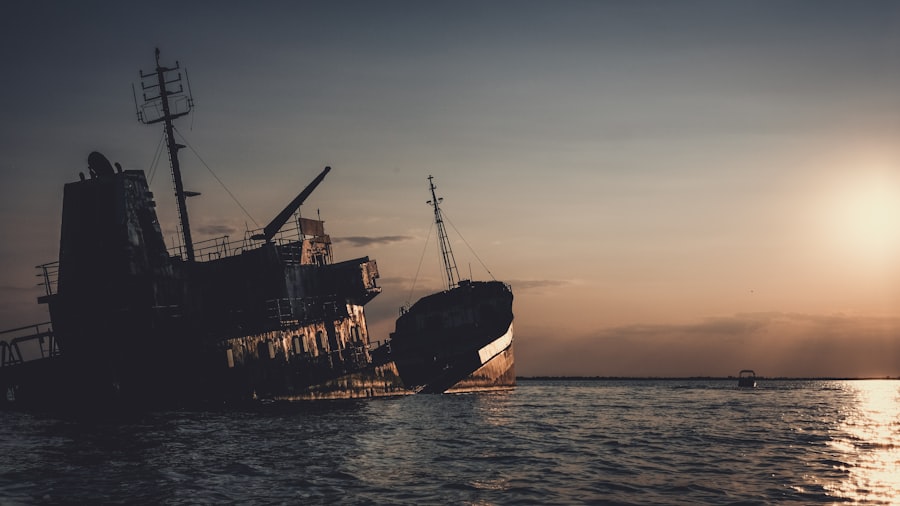
Once the evidence has been meticulously gathered, the analytical phase begins. This is where investigators move beyond simply collecting facts to interpreting them, identifying the root causes, and understanding the intricate web of contributing factors.
Identifying Immediate Causes
The immediate cause is the direct event or action that triggered the accident. This might be a collision with another vessel, a structural failure, an explosion, or a man overboard incident. Investigators work to pinpoint this singular event with precision.
Uncovering Underlying Causes and Contributing Factors
The real challenge lies in uncovering the underlying causes, which are the fundamental reasons why the immediate cause occurred. These are often systemic issues or a confluence of multiple factors.
- Human Factors: This broad category encompasses a range of issues related to human performance, including fatigue, stress, complacency, inadequate training, communication breakdowns, and judgment errors. Investigators will examine crew performance, decision-making processes, and the impact of environmental conditions on human capabilities.
- Material and Technical Failures: This involves identifying malfunctions or defects in machinery, equipment, or hull integrity. This could be due to design flaws, manufacturing defects, inadequate maintenance, or premature wear and tear.
- Environmental Factors: While the ocean is a neutral force, its conditions can be significant contributing factors. This includes weather (storms, fog, high seas), visibility, currents, and the presence of other vessels or navigational hazards.
- Procedural Deficiencies: Investigations will scrutinize existing procedures, checklists, and standard operating instructions. Were they adequate? Were they followed? Were they understood by the crew? Inadequacies or non-compliance can significantly contribute to accidents.
- Organizational and Management Factors: This delves into the broader organizational culture, management decisions, resource allocation, and oversight from higher command. Systemic issues within the naval structure, such as inadequate safety policies, insufficient resources for maintenance, or a culture that discourages reporting of near misses, can have profound ripple effects.
Root Cause Analysis (RCA) Methodologies
To ensure thoroughness and objectivity, naval accident investigators often employ formal Root Cause Analysis (RCA) methodologies. These structured approaches help to move beyond superficial explanations to identify the fundamental drivers of an accident. Common RCA techniques include:
- “5 Whys”: While seemingly simplistic, this iterative questioning technique involves asking “why” multiple times to progressively uncover deeper causal layers.
- Fishbone Diagram (Ishikawa Diagram): This visual tool helps to categorize potential causes into main branches (e.g., People, Process, Equipment, Environment) and sub-branches, allowing for a systematic brainstorming of contributing factors.
- Fault Tree Analysis (FTA): This deductive technique starts with a top-level undesired event and works backward to identify the combinations of lower-level events that could lead to it.
Determining the Sequence of Events
Understanding the precise chronological order of events is paramount. Investigators will reconstruct the timeline of the accident, mapping out how each contributing factor played a role in leading to the final outcome. This sequence analysis helps to identify critical decision points and the impact of various actions or inactions.
The Reporting and Recommendation Phase: Preventing Future Incidents
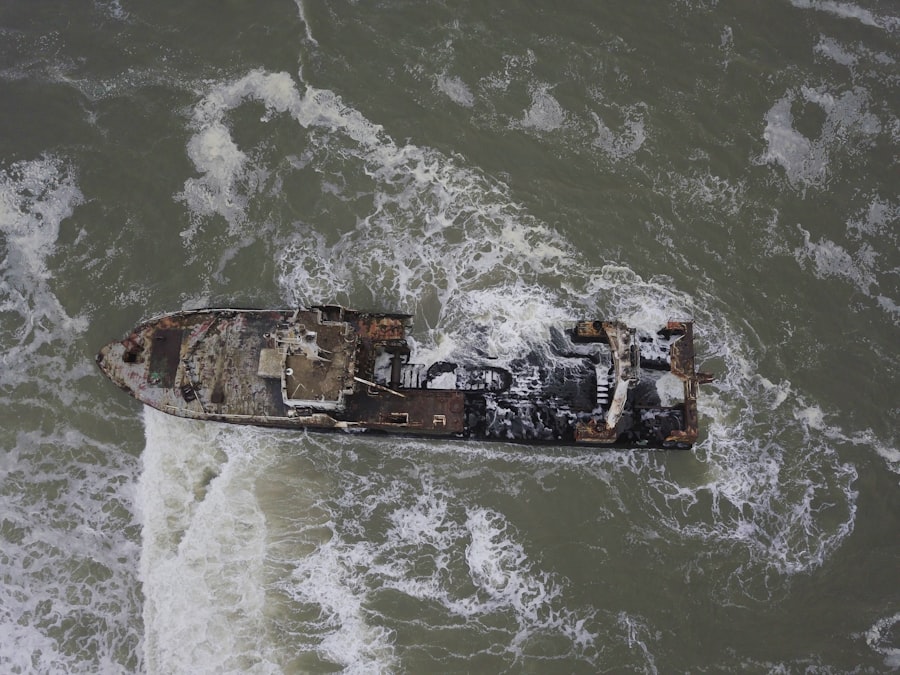
The ultimate goal of any naval accident investigation is to learn from the past and prevent similar tragedies from occurring in the future. This is achieved through a comprehensive reporting process and the formulation of actionable recommendations.
The Formal Investigation Report
A detailed and meticulously documented report is the culmination of the investigative process. This report, compiled by the investigating officer or board, will typically include:
- Executive Summary: A concise overview of the incident, its causes, and the key recommendations.
- Background: A description of the involved entities, the mission, and relevant operational context.
- Sequence of Events: A chronological account of the incident from inception to conclusion.
- Evidence Summary: A detailed presentation of the findings from physical evidence, witness testimony, and technical data.
- Causal Analysis: A thorough explanation of the immediate, underlying, and root causes of the accident.
- Conclusions: Definitive statements about what happened and why.
- Recommendations: Specific, actionable steps to prevent recurrence.
Developing Actionable Recommendations
The recommendations section is arguably the most critical part of the report. These recommendations are not mere suggestions; they are carefully considered proposals designed to address the identified causal factors.
- Addressing Human Factors: Recommendations might include enhanced training programs, revised operational procedures, improved work-rest schedules to combat fatigue, or changes to crew resource management (CRM) training.
- Addressing Material and Technical Issues: This could involve recommendations for equipment modifications, improved maintenance schedules, enhanced quality control in manufacturing, or the development of new safety features.
- Addressing Procedural Deficiencies: Recommendations might propose the revision or creation of new standard operating procedures, clearer guidelines for critical operations, or enhanced enforcement mechanisms for existing procedures.
- Addressing Organizational and Management Factors: These recommendations might call for changes in policy, increased resources for safety initiatives, improved communication channels, or enhanced oversight from higher command.
Dissemination and Implementation
Once the report is finalized, it is disseminated to relevant naval commands, stakeholders, and sometimes to international bodies if the accident has broader implications. The implementation of recommendations is a crucial follow-through. This requires commitment from leadership, allocation of resources, and a robust system for tracking the progress of implemented changes.
Lessons Learned and Best Practices
The knowledge gained from naval accident investigations contributes to the broader body of naval knowledge. “Lessons Learned” documents are often created to distill key insights and best practices from a series of investigations. These are shared across the fleet and beyond, fostering a culture of continuous improvement in safety and operational standards.
In the realm of naval accident investigation, understanding the factors that contribute to maritime incidents is crucial for improving safety protocols. A comprehensive article on this topic can be found at this link, which delves into the methodologies used in analyzing such accidents. By examining case studies and expert opinions, the article sheds light on the importance of thorough investigations in preventing future mishaps at sea.
Continuous Improvement and the Culture of Safety
| Year | Number of Accidents | Number of Fatalities |
|---|---|---|
| 2018 | 12 | 45 |
| 2019 | 8 | 32 |
| 2020 | 10 | 38 |
Naval accident investigation is not a static process but rather an integral component of a dynamic and evolving culture of safety. The insights gleaned from each investigation feed into a cycle of continuous improvement, enhancing the overall safety record and operational readiness of naval forces.
The Role of Safety Culture
A strong safety culture is one where safety is not just a set of rules but a deeply ingrained value that permeates all levels of the organization. In such a culture, personnel are encouraged to report hazards and near misses without fear of reprisal, and there is a proactive approach to identifying and mitigating risks. Accident investigations, when conducted effectively, reinforce this culture by demonstrating a commitment to learning and improvement.
Technological Advancements in Investigation
As naval technology advances, so too do the tools and techniques available for accident investigation. Modern vessels are equipped with increasingly sophisticated data recording systems, real-time diagnostics, and advanced communication capabilities, all of which can provide invaluable information to investigators. Furthermore, advancements in forensic science, material analysis, and computational modeling offer new avenues for dissecting complex accident scenarios.
International Cooperation and Standards
Major naval accidents can have international implications, particularly if they involve multiple nations or affect international maritime security. In such cases, international cooperation and adherence to established international standards for accident investigation become crucial. Sharing information and best practices across navies can lead to a more robust global maritime safety framework.
The Human Factor in Learning
Ultimately, while technology and procedures are vital, the effectiveness of naval accident investigation hinges on the dedication, expertise, and integrity of the individuals involved. Investigators must possess a keen analytical mind, a commitment to impartiality, and the ability to synthesize complex information. Furthermore, the leadership of naval forces must demonstrate a genuine commitment to acting upon the findings and recommendations of these investigations, fostering an environment where lessons learned translate into tangible improvements and a safer future for all who serve at sea. The investigation of naval accidents, therefore, is not merely a reactive measure to an unfortunate event; it is a proactive and essential investment in the safety, effectiveness, and enduring strength of naval operations worldwide.

Why Armies Fear 4:30 AM
FAQs
What is a naval accident investigation?
A naval accident investigation is the process of examining the circumstances surrounding a maritime incident involving naval vessels. This investigation aims to determine the causes of the accident and to prevent similar incidents in the future.
Who conducts naval accident investigations?
Naval accident investigations are typically conducted by specialized teams within the naval forces, such as the U.S. Navy’s Naval Safety Center. These teams are trained to thoroughly investigate maritime accidents and determine the contributing factors.
What are the goals of a naval accident investigation?
The primary goals of a naval accident investigation are to determine the root causes of the accident, identify any contributing factors, and make recommendations to prevent similar accidents in the future. Additionally, the investigation aims to improve safety protocols and procedures within the naval forces.
What are some common factors that contribute to naval accidents?
Common factors that contribute to naval accidents include human error, equipment malfunction, adverse weather conditions, navigational errors, and communication breakdowns. These factors are thoroughly examined during the investigation process.
How are the findings of a naval accident investigation used?
The findings of a naval accident investigation are used to implement changes in training, procedures, and equipment to prevent similar accidents from occurring in the future. Additionally, the findings may be used in legal proceedings or to improve safety regulations within the naval forces.