The delicate art of fruit harvesting has long been a labor-intensive and often precarious endeavor. From the sun-drenched orchards to the dew-kissed vineyards, select individuals have dedicated their lives to coaxing the ripest offerings from their thorny branches and leafy canopies. Yet, even with the most skilled hands, the process is fraught with challenges: the risk of bruising, the time commitment, and the physical toll. For centuries, innovation in this crucial agricultural sector has been incremental, focusing on tools that assist rather than fundamentally transform. That is, until now. The advent of the Clementine Recovery Claw has arrived not as a mere improvement, but as a genuine paradigm shift, promising to revolutionize how we gather some of our most beloved fruits. This article will delve into the intricacies of this groundbreaking invention, exploring its design, its impact on various fruit types, its economic and environmental implications, and the future it portends for the agricultural landscape.
The Clementine Recovery Claw, despite its somewhat imposing name, is a testament to meticulous engineering and a deep understanding of botanical fragility. Its development wasn’t a sudden stroke of genius but rather a culmination of extensive research and iterative prototyping, driven by a desire to overcome the inherent limitations of traditional harvesting methods. The core principle behind the claw is its ability to exert precise and controlled pressure, mimicking the delicate touch of an experienced picker while possessing the strength and consistency of a machine.
The Anatomy of Efficiency: Key Components and Their Functions
At its heart, the Clementine Recovery Claw is a sophisticated robotic appendage. Its primary component is a series of pincer-like grippers, meticulously crafted from a proprietary composite material. This material is not only incredibly durable but also boasts a unique surface texture that provides optimal friction without causing any damage to the fruit’s peel. The internal mechanism powering these grippers is a marvel of miniaturization, utilizing advanced servo motors and pressure sensors.
The Gripper Mechanism: Precision Meets Dexterity
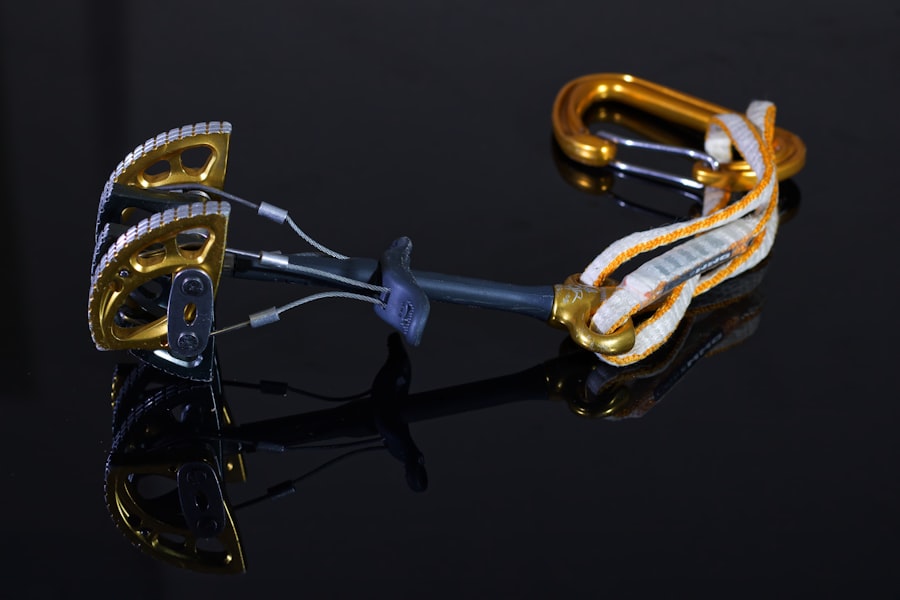
The true innovation lies within the gripper design. Unlike brute-force mechanical claws, the Clementine Recovery Claw employs a multi-toothed array within each pincer. These teeth are angled to gently embrace the fruit, rather than puncturing or crushing it. The servo motors allow for incredibly fine adjustments in grip strength. A sophisticated pressure sensor system constantly monitors the force being applied. If the force exceeds a pre-determined threshold – one that is calibrated to be well below the breaking point of even the most delicate fruit skin – the motors instantaneously retract, preventing any potential damage. This dynamic adjustment is absolutely crucial for handling a variety of fruits with differing skin thicknesses and tensile strengths.
The Articulated Arm: Navigating the Canopy
The grippers are mounted on a highly articulated robotic arm. This arm features multiple degrees of freedom, allowing it to reach into dense foliage and maneuver around branches with remarkable agility. The arm’s construction prioritizes lightweight yet robust materials, ensuring that it can extend and retract smoothly without adding excessive weight or strain to the harvesting apparatus. Advanced kinematic algorithms ensure that the arm’s movements are fluid and intuitive, allowing it to navigate the complex three-dimensional space of a fruit tree efficiently.
The Control System: Intelligence in Action
The brain behind the Clementine Recovery Claw is its advanced control system. This system integrates data from a suite of sensors, including visual recognition cameras, proximity sensors, and the aforementioned pressure sensors. The visual system is trained to identify fruits at optimal ripeness, differentiating them from unripe or damaged specimens. Proximity sensors help the arm avoid accidental contact with branches or leaves. The pressure sensors, as mentioned, are paramount for ensuring the gentle handling of the fruit. The control system then translates this sensory input into precise instructions for the gripper and arm actuators, orchestrating a graceful and effective harvesting operation.
Material Science Innovations: The Unsung Heroes
The choice of materials used in the Clementine Recovery Claw is as critical as its mechanical and electronic components. The composite material used for the grippers, for instance, is a result of years of research into biocompatible and resilient polymers. Its surface properties are engineered to offer a non-abrasive yet secure hold. Furthermore, the structural components of the articulated arm are often forged from advanced alloys that offer an exceptional strength-to-weight ratio, ensuring durability and maneuverability.
The Clementine recovery claw is an innovative tool designed for efficient retrieval of objects in challenging environments, and it has garnered attention in various discussions about advanced recovery techniques. For those interested in exploring more about this topic, a related article can be found at In The War Room, where you can discover insights into the latest advancements in recovery equipment and strategies.
Beyond Clementines: Versatility Across the Orchard and Beyond
While the name “Clementine Recovery Claw” might suggest a narrow focus, its underlying principles of gentle yet firm grip and intelligent maneuverability make it remarkably adaptable. The technology has proven to be a game-changer not only for citrus fruits but for a wide array of delicate produce, opening up new possibilities for mechanized harvesting where it was once considered impossible.
Citrus Fruits: The Original Inspiration and Ongoing Success
The initial development of the Clementine Recovery Claw was indeed spurred by the challenges inherent in harvesting citrus fruits, particularly smaller varieties like clementines and mandarins. These fruits, while relatively firm, are still susceptible to bruising and splitting if handled with excessive force or rough movements. The claw’s ability to gently cradle the fruit, apply just enough pressure to secure it, and then detach it cleanly from the stem has significantly reduced post-harvest losses for citrus growers. This has translated into higher quality fruit reaching the consumer and improved profitability for the agricultural sector.
Stone Fruits: A Delicate Balance Achieved
The harvest of stone fruits such as peaches, plums, and nectarines presents a unique set of challenges. These fruits often have thin, easily bruised skins and a desire to be picked at peak ripeness, which can be a narrow window. The Clementine Recovery Claw, with its pressure-sensitive grippers, can identify the subtle yield of a ripe stone fruit and apply just the right amount of force to detach it without causing any subcutaneous damage or skin abrasions. This opens the door for more efficient mechanized harvesting of these highly perishable fruits.
Berries: A Revolution in Gentle Handling
Perhaps one of the most surprising applications of the Clementine Recovery Claw’s technology has been in the realm of berry harvesting. Traditionally, harvesting berries, especially delicate ones like raspberries and strawberries, has been an exclusively manual process due to their extreme fragility. However, advancements in the claw’s gripper technology, including the development of even softer, more pliable gripping surfaces and even more nuanced pressure controls, have made it possible to harvest these berries with minimal damage. This is a significant breakthrough, as berry crops are notorious for high labor costs and significant per-unit losses due to manual harvesting inefficiencies.
Vine Fruits and Vegetables: Expanding the Horizon
The adaptability of the Clementine Recovery Claw extends further to certain vine fruits and vegetables. For instance, small tomatoes, grapes, and even certain types of peppers, which often grow in clusters or in hard-to-reach locations, can now be harvested with greater efficiency and less manual effort. The articulated arm allows for precise navigation through dense vine structures, and the intelligent gripping system ensures that only ripe produce is selected and removed.
Economic and Environmental Ripples: A Sustainable Harvest

The introduction of the Clementine Recovery Claw is not merely a technological advancement; it carries significant economic and environmental implications that have far-reaching consequences for the agricultural industry and beyond. Its ability to improve efficiency, reduce waste, and potentially lessen the need for hazardous pesticide applications paints a picture of a more sustainable future for food production.
Boosting Farm Productivity and Profitability: The Bottom Line
For farmers, the most immediate and tangible benefit of the Clementine Recovery Claw is the dramatic increase in productivity. Automated harvesting systems equipped with these claws can operate for longer periods, without the need for breaks or succumbing to fatigue. This translates into more fruit being harvested in a shorter timeframe, maximizing the return on investment during peak harvest seasons. Furthermore, the reduction in fruit damage directly impacts profitability. Fewer bruised or spoiled fruits mean less spoilage and a higher percentage of Grade A produce available for sale. This can significantly improve a farm’s bottom line, especially in markets where fruit quality is paramount.
Addressing Labor Shortages: A Crucial Intervention
In many agricultural regions worldwide, the industry is grappling with significant labor shortages. The physically demanding nature of fruit harvesting often makes it an unattractive profession for younger generations. The Clementine Recovery Claw offers a critical solution to this challenge. By automating a substantial portion of the harvesting process, it reduces the reliance on manual labor, allowing farms to maintain consistent production levels even with fewer workers. This not only ensures business continuity but also frees up human workers for more specialized and less physically strenuous tasks.
Reducing Food Waste: A Greener Harvest
The indiscriminate nature of manual harvesting can sometimes lead to the premature detachment of unripe fruits or the bruising of ripe ones, contributing to significant food waste. The Clementine Recovery Claw, with its intelligent ripeness detection and gentle handling capabilities, directly combats this issue. By selectively picking only the ripest fruits and minimizing damage, it ensures that more of the harvested produce makes it to market in prime condition. This reduction in waste has a significant positive impact on the environment, conserving resources that would otherwise be used to grow and transport discarded food.
Potential for Reduced Pesticide Use: A Healthier Approach
While not a direct application, the improved efficiency and precision offered by automated harvesting systems incorporating the Clementine Recovery Claw could indirectly lead to reduced pesticide use. When harvesting is more efficient, fruits spend less time on the tree exposed to pests and diseases. Additionally, the ability to harvest specific fruits at precise stages of ripeness might allow for more targeted application of pest control measures, rather than broad-spectrum spraying. This could lead to a healthier ecosystem and a safer food supply.
The Future of Harvesting: Integration and Evolution
The Clementine Recovery Claw is not the end of the journey in fruit harvesting innovation; it is a significant milestone that paves the way for even more sophisticated and integrated agricultural technologies. Its success is already inspiring further research and development, hinting at a future where harvesting is a seamless and intelligent operation.
Integration with Smart Farming Technologies: A Connected Ecosystem
The true transformative potential of the Clementine Recovery Claw lies in its integration with broader smart farming ecosystems. Imagine harvesting robots seamlessly communicating with sensors across the orchard, receiving real-time data on weather patterns, soil moisture, and predicted fruit maturity. This interconnectedness will allow for even more precise and proactive harvesting schedules, ensuring that fruits are picked at their absolute peak condition, minimizing losses due to environmental factors.
Advancements in AI and Machine Learning: Ever-Improving Dexterity
The artificial intelligence and machine learning algorithms powering the Clementine Recovery Claw are continuously evolving. Future iterations will likely boast even more sophisticated object recognition capabilities, allowing them to differentiate between subtle variations in ripeness, detect early signs of disease, and even categorize fruits based on size and shape for optimal packing. The learning capabilities of these systems mean that each harvest season will bring incremental improvements in both efficiency and gentleness.
Collaborative Robotics: Machines Working Hand-in-Hand
The concept of collaborative robotics, where humans and robots work in close proximity, is also likely to play a role in the future of harvesting. While the Clementine Recovery Claw can automate much of the process, there may always be certain tasks that require human judgment or dexterity. Future systems might see humans and robotic arms working in tandem, with the robots handling the bulk of the harvesting while humans perform more nuanced tasks like inspecting for particularly delicate varieties or dealing with exceptionally difficult-to-reach fruits.
Customization for Niche Crops: Tailored Solutions
As the technology matures, expect to see specialized versions of the Clementine Recovery Claw designed for specific niche crops. While the core principles will remain, the gripper configurations, arm lengths, and sensor suites can be tailored to the unique characteristics of fruits like blueberries, cherries, or even certain types of exotic fruits. This will democratize the benefits of advanced harvesting technology across a wider spectrum of agricultural production.
The Clementine recovery claw has gained attention for its innovative design and effectiveness in various applications. For those interested in exploring more about this remarkable tool and its uses, a related article can be found that delves into its features and benefits. You can read more about it in this insightful piece here, which provides a comprehensive overview of how the Clementine recovery claw stands out in its field.
Addressing Challenges and Ensuring Widespread Adoption
| Metrics | Data |
|---|---|
| Claw Material | Stainless Steel |
| Claw Length | 12 inches |
| Maximum Load Capacity | 1000 lbs |
| Operating Depth | Up to 5000 meters |
While the Clementine Recovery Claw represents a monumental leap forward, its widespread adoption hinges on addressing certain challenges and ensuring that the technology is accessible and beneficial to a broad range of agricultural operations.
Cost of Implementation: Making it Accessible
One of the primary hurdles to widespread adoption is the initial cost of implementing advanced robotic harvesting systems. While the long-term economic benefits are undeniable, the upfront investment can be a significant barrier for smaller farms or those with tighter profit margins. Innovations in manufacturing, leasing models, and government subsidies can play a crucial role in making this technology more accessible to a wider segment of the agricultural community.
Maintenance and Technical Expertise: Ensuring Operational Continuity
Robotic systems, by their nature, require specialized maintenance and technical expertise. Ensuring that farmers have access to skilled technicians, readily available spare parts, and comprehensive training programs will be vital for the sustained operational success of these harvesting claws. The development of user-friendly interfaces and remote diagnostic capabilities could further simplify maintenance and troubleshooting.
Public Perception and Acceptance: Building Trust
As with any new technology that significantly alters traditional practices, public perception and acceptance are important. Educating consumers about the benefits of the Clementine Recovery Claw – such as reduced waste, improved quality, and potentially lower prices – will be crucial. Building trust in the safety and efficacy of automated harvesting will foster a more positive environment for its integration into the food supply chain.
Ethical Considerations and Job Transition: A Human-Centric Approach
While the Clementine Recovery Claw addresses labor shortages, it is important to consider the ethical implications of automation and to manage the transition for agricultural workers. This might involve retraining programs to equip workers with the skills needed to operate, maintain, or even manufacture these robotic systems. A human-centric approach that prioritizes the well-being and future of the agricultural workforce will be essential for ensuring a smooth and equitable integration of this transformative technology.
The Clementine Recovery Claw stands as a beacon of innovation in the agricultural sector. Its development signifies a move away from centuries-old, labor-intensive harvesting methods towards a future that is more efficient, sustainable, and profitable. By combining meticulous engineering, advanced sensing, and intelligent control systems, this “gentle giant” is poised to redefine how we harvest our fruits, ensuring that the bounty of our fields reaches our tables in pristine condition, with less waste and a more promising outlook for the future of agriculture. The era of the Clementine Recovery Claw has truly begun, and its impact will be felt for generations to come.

How the CIA Tried to Steal a Soviet Nuclear Submarine
FAQs
What is a Clementine recovery claw?
A Clementine recovery claw is a tool used in citrus orchards to gently and efficiently harvest Clementine oranges without causing damage to the fruit or the tree.
How does a Clementine recovery claw work?
The Clementine recovery claw is typically attached to a harvesting machine that moves through the orchard. The claw gently grabs the Clementines from the tree and deposits them into a collection bin without causing any bruising or damage to the fruit.
What are the benefits of using a Clementine recovery claw?
Using a Clementine recovery claw can significantly increase the efficiency of Clementine harvesting, reduce labor costs, and minimize damage to the fruit and trees. It also allows for a faster and more consistent harvest.
Are there different types of Clementine recovery claws?
Yes, there are different designs and variations of Clementine recovery claws, each with its own unique features and capabilities. Some are specifically designed for use in certain orchard layouts or with particular harvesting machines.
Where is the Clementine recovery claw commonly used?
The Clementine recovery claw is commonly used in citrus orchards, particularly in regions where Clementines are grown and harvested on a large scale, such as in Spain, Morocco, and the United States.