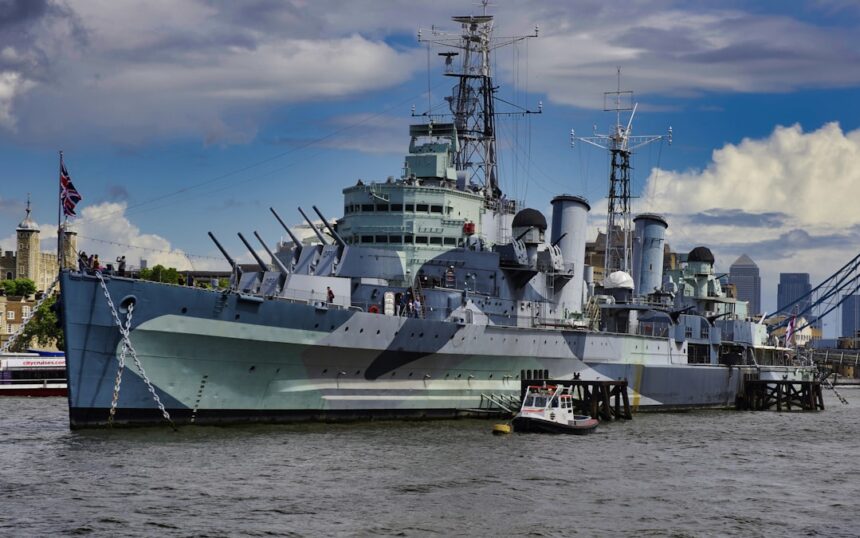
The Cold War, a period of geopolitical tension between the United States and the Soviet Union and their respective allies, was a thirty-year ideological struggle that never truly erupted into direct warfare between the two superpowers. However, this standoff played out with chilling intensity in the shadowy depths of the oceans and the vast expanse of the seas. Naval history during this era is not merely a chronicle of battles fought, but a testament to a constant, silent war of nerves, technological innovation, and strategic positioning. The navies of both blocs served as the ultimate guarantors of deterrence, projecting power and readiness across the globe, a constant, tangible reminder of each side’s capabilities and resolve.
The end of World War II brought a dramatic redistribution of naval power. While the United States emerged as the undisputed dominant naval force, possessing a vast and battle-hardened fleet, the Soviet Union, despite significant losses, began a rapid and determined process of rebuilding and modernizing its naval capabilities. This period marked a critical transition, as the focus shifted from the Pacific and Atlantic theaters of World War II to a broader, global confrontation defined by ideological division and the looming threat of nuclear war.
The Legacy of World War II
The immense industrial capacity and technological prowess demonstrated by the United States Navy during the Second World War set a benchmark for naval power. Carriers, battleships, and a vast array of support vessels had been instrumental in achieving Allied victory. However, the war had also revealed the growing importance of submarines and the nascent threat of air power against surface fleets. The lessons learned, both in victory and defeat, would heavily influence naval development in the ensuing decades.
Soviet Naval Ambitions and Reconstruction
In stark contrast, the Soviet Navy, though a significant force in certain theaters, had suffered considerable losses and was not the global power projection instrument the United States had become. However, under the leadership of figures like Admiral Sergei Gorshkov, the Soviet Union embarked on an ambitious program of naval expansion and modernization. The initial focus was on coastal defense and the protection of vital sea lanes, but this would soon evolve into a more offensive and global posture, driven by the desire to challenge American naval supremacy and project Soviet influence worldwide.
The Nuclear Shadow and its Impact on Naval Strategy
The advent of nuclear weapons fundamentally altered naval strategy. The possibility of tactical and strategic nuclear strikes meant that large, concentrated fleets were vulnerable. This led to a greater emphasis on survivability, dispersal, and the development of naval platforms capable of launching nuclear weapons. The concept of Mutually Assured Destruction (MAD) became a central tenet of strategic thinking, and naval forces, particularly submarines armed with ballistic missiles, played a crucial role in ensuring this retaliatory capability.
For those interested in exploring the intricacies of Cold War naval history, a compelling article can be found at this link. The piece delves into the strategic maritime confrontations that defined the era, highlighting key naval operations and the technological advancements that shaped naval warfare. It provides a comprehensive overview of how naval power played a crucial role in the geopolitical tensions between superpowers during the Cold War, making it a valuable resource for historians and enthusiasts alike.
The Silent Warfare: Submarines and the Underwater Domain
Perhaps no aspect of Cold War naval history is as dramatic and significant as the silent, relentless struggle waged beneath the waves. Submarines evolved from relatively crude raiding vessels into sophisticated platforms of immense strategic importance, capable of undetected offensive strikes and vital intelligence gathering. The underwater domain became the ultimate battleground of deterrence, a place where technological superiority and stealth were paramount.
The Rise of the Nuclear Submarine
The development of nuclear propulsion revolutionized submarine warfare. Suddenly, submarines were no longer constrained by the need to surface frequently for air, dramatically increasing their operational range, speed, and endurance. This led to the creation of truly global-ranging submarines capable of sustained patrols beneath the ice of the Arctic or the deepest trenches of the Pacific.
The U.S. Navy’s Ballistic Missile Submarine (SSBN) Program
The United States was a pioneer in this field, developing the Polaris missile and the submarines designed to carry it, the George Washington-class SSBNs. This marked a paradigm shift in strategic nuclear deterrence. These submarines, operating silently and with immense destructive potential, provided a second-strike capability that was incredibly difficult for the Soviets to counter. The concept of “boomers,” as they were affectionately and fearfully known, became synonymous with the ultimate retaliatory threat.
The Soviet Union’s Counterpart: The Delta and Typhoon Classes
The Soviet Union responded with its own impressive advancements in SSBN technology. The Delta class submarines, and later the colossal Typhoon class, were designed to carry a formidable arsenal of liquid-fueled and solid-fueled ballistic missiles. While facing some challenges in operational sophistication compared to their American counterparts, these vessels were a significant addition to the Soviet deterrent force, constantly prowling the oceans, a constant reminder of the stakes involved in any escalation.
The Hunt for the Hunter: Anti-Submarine Warfare (ASW)
The overwhelming threat posed by the adversary’s submarines spurred immense investment in Anti-Submarine Warfare (ASW). This became a highly technical and resource-intensive arms race in itself, involving sophisticated sonar systems, torpedoes, depth charges, and maritime patrol aircraft. The objective was not just to detect enemy submarines, but to track and neutralize them before they could launch their devastating payloads.
Sonar Technology and the Silent Race
Passive and active sonar systems became the eyes and ears of ASW. The challenge of distinguishing the faint sounds of a distant submarine from the ambient noise of the ocean floor or marine life drove continuous innovation. Advances in data processing and acoustic analysis were crucial in this silent race for detection.
Surface and Air ASW Platforms
Destroyers, frigates, and specialized ASW cruisers patrolled the seas, equipped with advanced sonar and weapons systems. Maritime patrol aircraft, such as the P-3 Orion and the Soviet Tu-142, equipped with magnetic anomaly detectors (MAD) and sonobuoys, formed crucial components of ASW efforts, extending the detection range over vast ocean areas. Helicopters, deployed from ships, provided a vital link in the ASW chain, capable of hovering and deploying dipping sonar for localized searches.
Espionage and Intelligence Gathering Beneath the Waves
Beyond the strategic implications, submarines also played a vital role in intelligence gathering. The U.S. Navy’s clandestine operations, such as Project Azorian which attempted to raise a sunken Soviet submarine, highlighted the extreme lengths to which both sides would go to gain an advantage. Listening posts, both fixed and mobile, were deployed to intercept enemy communications and monitor submarine movements.
Projecting Power: Carrier Battle Groups and Naval Diplomacy

While submarines operated in the silent depths, aircraft carrier battle groups were the very visible harbingers of power projection. These mobile airfields, bristling with aircraft and escort ships, represented the ability of both superpowers to exert influence, respond to crises, and project military might across the globe, often far from their home shores. The carrier, more than any other platform, symbolized naval dominance and global reach.
The Apex Predator: The Aircraft Carrier
The aircraft carrier, particularly the supercarrier, was the undisputed centerpiece of naval power projection for both the United States and, to a lesser extent, the Soviet Union. These immense vessels served as floating air bases, enabling rapid deployment of fighter jets, bombers, and reconnaissance aircraft to any theater of operation.
American Supercarriers: The Roosevelt and Nimitz Classes
The U.S. Navy’s Nimitz-class and its predecessors represented the pinnacle of carrier design and capability during the Cold War. These giants of the sea, powered by nuclear reactors, could sustain operations for extended periods, projecting air power with unprecedented reach and endurance. Their presence in various regions served as a powerful deterrent and a clear signal of American commitment.
The Soviet Counterpart: The Kuznetsov and its Predecessors
The Soviet Union also invested heavily in carrier aviation, though their approach differed somewhat. The Kyiv-class and later the Admiral Kuznetsov were designed as “heavy aircraft-carrying cruisers,” blending carrier capabilities with a more traditional cruiser’s armament. These vessels were intended to operate in conjunction with other naval assets, providing air cover and contributing to the projection of Soviet power, though they never achieved the same global operational tempo as their American counterparts.
The “Forward Deployment” Strategy
Aircraft carrier battle groups were instrumental in the U.S. strategy of “forward deployment.” By maintaining a constant presence in key regions like the Mediterranean, the Persian Gulf, and the Western Pacific, the U.S. could respond swiftly to emerging threats and reassure allies. This constant naval presence was a key element of the West’s containment policy.
Naval Diplomacy and “Showing the Flag”
Beyond military power, naval diplomacy played a crucial role. The visits of U.S. and Soviet warships to foreign ports served to strengthen alliances, demonstrate resolve, and garner international support. The iconic image of a proud destroyer or aircraft carrier steaming into a port was a potent symbol of a nation’s reach and influence, a constant diplomatic gambit played out on the world’s waterways.
The Surface Fleet: Guardians and Deterrents
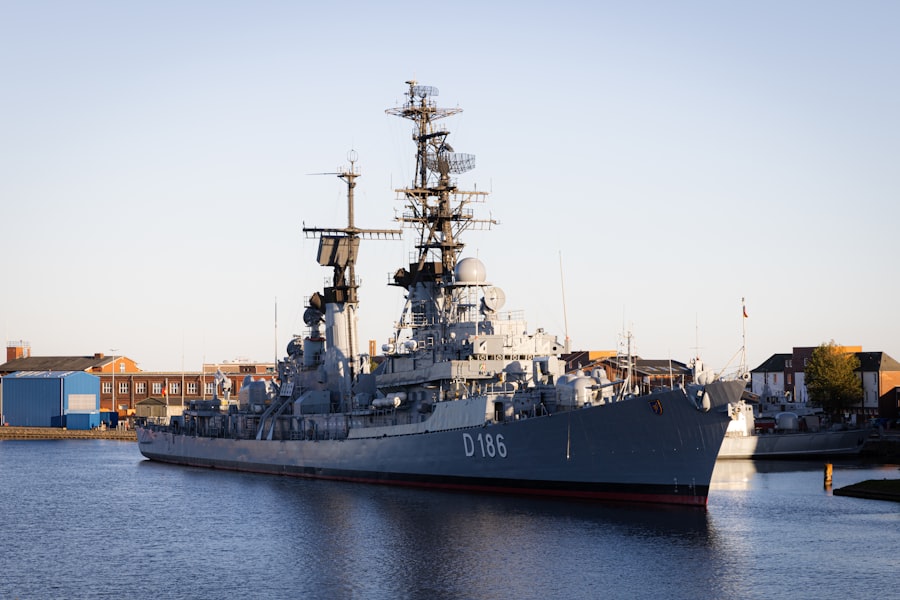
While submarines and carriers often captured the headlines, the backbone of both navies during the Cold War was their formidable surface fleets. Cruisers, destroyers, frigates, and a host of support vessels formed the essential components of battle groups, providing anti-air, anti-submarine, and anti-ship capabilities. These ships were the workhorses of the naval operations, constantly patrolling, conducting exercises, and serving as the first line of defense and offense.
The Evolution of Surface Combatants
The technological advancements of the Cold War era dramatically reshaped the capabilities of surface combatants. Radar systems became increasingly sophisticated, enabling the detection of enemy aircraft and missiles at greater distances. Missile technology revolutionized naval warfare, with guided missiles replacing many traditional gun-based systems.
The Guided Missile Era: From Terrier to Aegis
The advent of guided missiles transformed the roles and capabilities of surface ships. Destroyers and cruisers were increasingly armed with surface-to-air missiles (SAMs) like the RIM-2 Terrier and later the RIM-66 Standard Missile, and anti-ship missiles such as the Harpoon. The U.S. Navy’s development of the Aegis Combat System was a watershed moment, integrating advanced radar, fire control, and missile systems to provide an unprecedented level of air and missile defense for an entire battle group.
Anti-Ship Capabilities: The Threat of Missile Frigates and Corvettes
The Soviet Union also excelled in developing potent anti-ship missile capabilities. Their frigates and corvettes, often smaller and more numerous than their Western counterparts, were armed with formidable anti-ship missiles that posed a significant threat to larger surface vessels. This led to a constant technological cat-and-mouse game as each side sought to develop better defenses against the other’s offensive missile systems.
The Role of Cruisers and Destroyers in the Battle Group
Cruisers and destroyers served as the primary escorts for aircraft carriers. Their roles included providing air defense for the carrier, conducting anti-submarine warfare, engaging enemy surface combatants, and launching their own offensive missile strikes. The coordination and synergy within a battle group were paramount, with each ship playing a vital role in the overall mission.
Mine Warfare and Amphibious Operations: Less Glamorous but Crucial
The less glamorous but no less critical aspects of naval warfare also played a significant role. Mine warfare, both offensive and defensive, could choke enemy supply lines and deny access to vital waterways. Amphibious operations, the ability to land troops and equipment on enemy shores, remained a significant, albeit risky, element of naval strategy, with large transport ships and landing craft forming crucial components of many naval deployments.
Cold War naval history is a fascinating subject that explores the complex maritime strategies and tensions between superpowers during this critical period. For those interested in delving deeper into this topic, a related article can be found at In the War Room, which provides insightful analysis and perspectives on naval operations and their impact on global politics. Understanding these naval dynamics is essential for comprehending the broader geopolitical landscape of the Cold War era.
The Shadowy Frontlines: Arctic Patrols and the Threat of Nuclear War
| Event | Date | Description |
|---|---|---|
| Korean War | 1950-1953 | Naval battles between UN forces and North Korea/China |
| Cuban Missile Crisis | 1962 | US naval blockade of Cuba to prevent Soviet missile deployment |
| Vietnam War | 1955-1975 | US naval involvement in the conflict against North Vietnam |
| Arctic Convoys | 1941-1945 | Allied naval operations to supply the Soviet Union during WWII |
The Cold War was characterized by a constant, low-level tension, and nowhere was this more palpable than in the frozen expanses of the Arctic. The strategic positioning of naval forces in this unforgiving environment became a critical theater of operations, as both superpowers sought to monitor each other’s submarine movements and protect their own vital nuclear deterrents.
The Arctic as a Strategic Nexus
The Arctic Ocean, with its surrounding landmasses, formed a crucial strategic nexus for both the United States and the Soviet Union. The shortest missile paths between the two continents often traversed the Arctic, making its control and monitoring of paramount importance. Submarine patrols beneath the Arctic ice were a constant feature of the Cold War, with both sides striving to maintain undetected access to the region.
Submarine Operations Beneath the Ice
The ability for submarines to operate under the thick ice cap presented unique challenges and opportunities. Soviet submarines, particularly their SSBNs, often operated in the safety of their northern bastion, beneath the Arctic ice. U.S. submarines, in turn, conducted daring missions to track these patrols and gather intelligence, utilizing specialized sonar and navigation techniques to navigate the treacherous underwater environment.
The Role of Seaplane Bases and Surface Fleets in the North
While submarines dominated the Arctic battlefield, surface fleets and seaplane bases also played a role in monitoring and projecting power. Patrols along the coasts of Alaska, Canada, and the Soviet Union were conducted to detect intrusions and maintain a watchful presence. The harsh conditions of the Arctic tested the endurance of equipment and personnel alike, requiring specialized vessels and operating procedures.
The “Able Archer” and Other Close Calls
The Cold War was punctuated by a number of moments when the threat of nuclear escalation felt alarmingly real. Exercises like “Able Archer 83,” a NATO command-and-control exercise, were interpreted by some in the Soviet Union as a potential precursor to a real nuclear strike, bringing the world to the brink of disaster. Naval forces, on both sides, were on high alert during such periods, with submarines lurking in their patrol zones and carrier groups maintaining a heightened state of readiness.
The Significance of Naval Intelligence and Early Warning Systems
Naval intelligence played a critical role in de-escalating tensions and preventing miscalculations. Early warning systems, designed to detect incoming ballistic missiles, provided vital minutes for decision-makers. Monitoring Soviet naval movements and submarine deployments was crucial for understanding their intentions and capabilities, allowing for a more measured and informed response.
Naval Legacy and the Enduring Impact of the Cold War
The naval history of the Cold War is a complex tapestry woven with threads of innovation, strategic maneuvering, and an ever-present threat of global conflict. The lessons learned and the technologies developed during this era continue to shape naval doctrine and capabilities around the world. The ghost of the silent war beneath the waves and the power of the carrier battle group still echo in the strategic thinking of modern navies.
The Technological Arms Race and its Lasting Influence
The Cold War spurred an unprecedented technological arms race in naval warfare. Sonar, missile systems, nuclear propulsion, and advanced materials science all saw rapid development. Many of these technologies, refined and adapted, remain fundamental to modern naval operations. The principles of survivability, stealth, and networked warfare, honed during this period, continue to guide naval design and strategy.
The Evolution of Naval Doctrine and Strategy
The strategic concepts that emerged from the Cold War, such as nuclear deterrence, sea control, and power projection, continue to inform naval doctrine. The emphasis on flexible response, joint operations, and the importance of maintaining a global presence are all direct legacies of this era. The lessons learned from the close calls and near-escalations of the Cold War also serve as a constant reminder of the importance of communication and de-escalation in maintaining global peace.
The Final Frontier: The Antarctic Treaty and Naval Restraint
Interestingly, the Cold War also saw a unique period of cooperation in the stark and isolated continent of Antarctica. The Antarctic Treaty, signed in 1959, reserved Antarctica for peaceful scientific research and prohibited military activity. While naval vessels from both blocs continued to operate in the surrounding waters, the treaty ensured that this southernmost continent would not become another theater of conflict, a testament to the possibility of collaboration even amidst global rivalry. The naval history of the Cold War, therefore, is not just a story of conflict and confrontation, but also one of the constant, delicate balance that prevented the “cold” from turning into a hot war, a balance maintained, in large part, by the powerful, watchful, and often unseen fleets of the world’s navies.

How the CIA Tried to Steal a Soviet Nuclear Submarine
FAQs
What was the Cold War naval history?
The Cold War naval history refers to the period of naval rivalry and military build-up between the United States and its allies, and the Soviet Union and its allies, following World War II. This period lasted from the late 1940s to the early 1990s and was characterized by intense competition for naval supremacy and control of strategic waterways.
What were the key events of the Cold War naval history?
Key events of the Cold War naval history include the Cuban Missile Crisis, the Berlin Crisis, the Korean War, the Vietnam War, the Suez Crisis, and the various confrontations in the Mediterranean and the Pacific Ocean. These events often involved naval blockades, patrols, and shows of force by both the US and Soviet navies.
What were the main naval strategies employed during the Cold War?
The main naval strategies employed during the Cold War included the use of aircraft carriers, submarines, and surface fleets to project power, deter aggression, and control strategic sea lanes. Both the US and Soviet navies focused on developing and deploying advanced naval technologies and tactics to gain an advantage over each other.
How did the Cold War naval history impact global geopolitics?
The Cold War naval history had a significant impact on global geopolitics by shaping alliances, influencing regional conflicts, and contributing to the arms race between the US and the Soviet Union. Naval power projection and control of maritime trade routes were crucial elements in the competition for global influence during this period.
What is the legacy of the Cold War naval history?
The legacy of the Cold War naval history includes the continued importance of naval power in international relations, the development of advanced naval technologies, and the ongoing strategic significance of maritime security and control. The lessons learned from this period continue to inform naval doctrines and policies around the world.