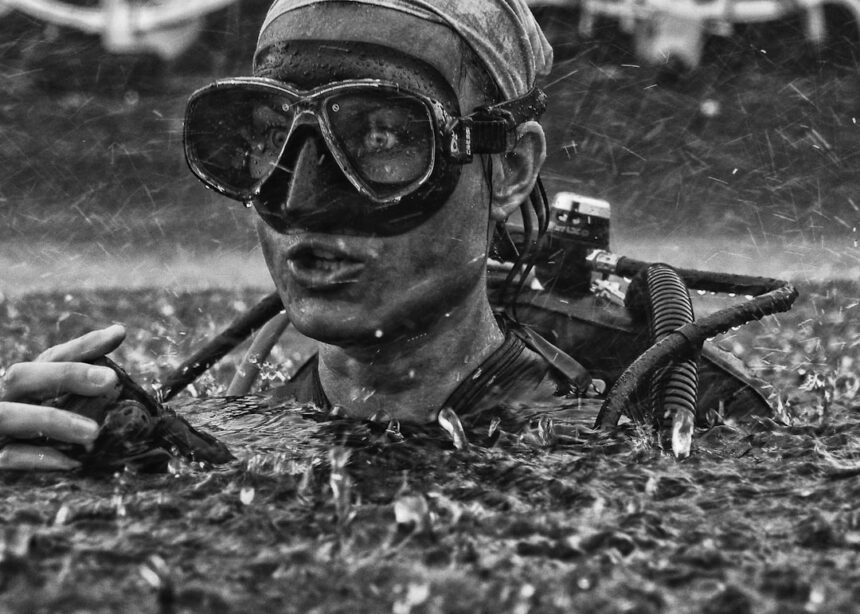
US Navy SEAL Mark 11 SDV Endurance: Elite Underwater Operations
The United States Navy’s Sea Dragon program, a clandestine undertaking focused on advanced underwater insertion and extraction capabilities, hinges on specialized equipment and the highly trained personnel who operate it. Among the most critical elements of this program is the Mark 11 Swimmer Delivery Vehicle (SDV), a submersible platform designed for covert reconnaissance, direct action, and explosive ordnance disposal in challenging aquatic environments. The endurance of these vehicles, and by extension the SEAL teams utilizing them, is a testament to rigorous design, sophisticated engineering, and the unwavering discipline of their operators.
The Mark 11 SDV represents a significant evolution in SEAL combat swimmer technology. Its primary function is to transport SEAL operators submerged to their objective, minimizing the risk of detection and maximizing their operational window. This capability is crucial for a variety of missions, including clandestine insertion onto enemy shorelines, reconnaissance of maritime infrastructure, and the placement of underwater explosives. The extended operational range and duration that the Mark 11 can achieve are direct results of its advanced power systems and efficient hull design, crucial for prolonged underwater deployments.
The Mark 11 SDV is a specialized submersible designed to carry a small team of SEAL operators, typically two, along with their mission-essential equipment. It is a dry submersible, meaning the operators remain in a relatively controlled environment, allowing for extended operations without the severe physiological strain associated with prolonged exposure to cold water and pressure. This dry environment also facilitates the use of sensitive electronics and communication equipment that would be impractical in open-water diving scenarios.
Hull Design and Stealth
The hull of the Mark 11 SDV is constructed from advanced composite materials, chosen for their strength, low weight, and radar-absorbent properties. The streamlined shape minimizes hydrodynamic drag, enabling efficient movement through the water and reducing acoustic signatures. The exterior is coated with specialized paints and acoustic dampening materials to further reduce its detectability by sonar systems. These design choices are paramount for maintaining operational surprise, a cornerstone of SEAL mission profiles.
Propulsion and Power Systems
At the heart of the Mark 11 SDV’s endurance lies its sophisticated propulsion and power systems. It typically employs a combination of electric motors powered by advanced battery technology, often lithium-ion. These batteries offer a high energy density, allowing for extended submerged operations. The electric motors are quiet and provide precise control, essential for navigating complex underwater terrain and maintaining a low acoustic profile. The system is designed for efficient energy management, maximizing the duration of missions before requiring recharge or replacement. The depth rating of the Mark 11 is significant, allowing it to operate well below the operational depths of most surface vessels and conventional submarines.
Navigation and Communication
Navigating underwater without visual cues presents a formidable challenge. The Mark 11 SDV is equipped with sophisticated inertial navigation systems (INS), Doppler Sonar, and GPS (when surfaced or operating near the surface) to maintain accurate positional awareness. Acoustic sensors and obstacle avoidance systems further enhance its ability to navigate safely through cluttered underwater environments. Secure, low-probability-of-intercept communication systems are also integrated, enabling the SEAL team to maintain contact with their command elements and other assets without compromising their position.
The endurance of the US Navy SEAL Mark 11 SDV (Swimmer Delivery Vehicle) is a critical aspect of its operational capabilities, allowing for extended missions in various maritime environments. For more in-depth insights into the performance and applications of this advanced underwater vehicle, you can read a related article on the topic at In the War Room. This resource provides valuable information on the technological advancements and strategic importance of the Mark 11 SDV in modern naval operations.
Endurance Metrics and Operational Reach
The “endurance” of the Mark 11 SDV is not a single, fixed parameter but a complex interplay of factors including battery life, operational speed, environmental conditions, and mission profile. SEAL teams meticulously plan missions to optimize the SDV’s endurance to meet specific operational requirements.
Battery Technology Advancements
The continuous advancement in battery technology has been a primary driver of the Mark 11’s increased endurance. Early iterations of SDVs relied on less energy-dense battery chemistries, limiting their operational range. Modern lithium-ion batteries provide a substantial improvement in energy storage capacity, translating directly into longer submerged times and greater operational reach. This allows SEAL teams to ingress deeper into enemy territory and conduct more extensive reconnaissance or direct action operations.
Mission Planning and Energy Management
Effective mission planning is critical for maximizing the Mark 11’s endurance. SEAL operators are trained in precise energy management, carefully calculating speeds, dive profiles, and the use of onboard systems to conserve power. This includes understanding the impact of water currents, temperature, and salinity on hull drag and battery performance. Operators develop detailed route plans that account for these variables, ensuring they have sufficient power reserves for both ingress and egress.
Operational Range and Depth Capabilities
The operational range of the Mark 11 SDV is significant, allowing it to cover considerable distances underwater. While exact figures are classified, it is understood that the vehicle can operate for many hours and travel tens of nautical miles submerged. Its depth capabilities allow it to operate in a variety of maritime environments, from shallow coastal waters to deeper ocean environments, further expanding its operational utility. The maximum operational depth is a key design parameter, dictating the types of missions the SDV can undertake.
Training and Operator Proficiency
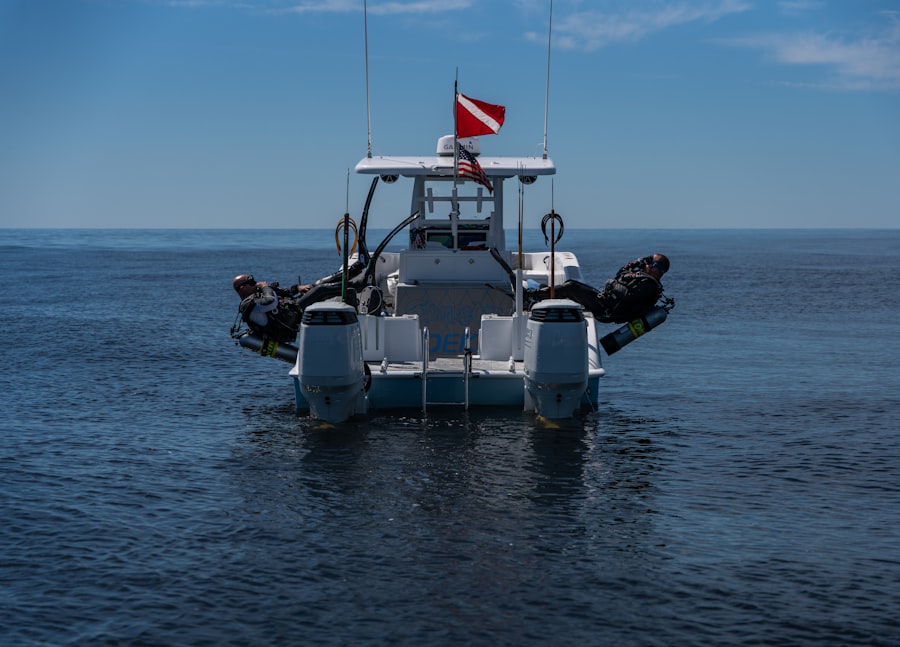
The Mark 11 SDV is only as effective as the SEAL operators who command it. The training regimen for SDV operators is exceptionally rigorous, focusing on both technical proficiency with the vehicle and the harsh realities of underwater combat operations.
Initial Entry and Specialization
Prospective SDV operators first undergo the demanding SEAL Basic Underwater Demolition/SEAL (BUD/S) training. Upon successful completion of BUD/S and subsequent SEAL Qualification Training (SQT), candidates pursuing SDV specialization enter the SDV Basic course. This specialized training delves deeply into the intricacies of SDV operation, maintenance, and emergency procedures.
Advanced Skills and Scenarios
Advanced training involves a wide range of simulated and live-fire exercises. Operators practice navigating complex underwater terrains, conducting covert insertions and extractions, and deploying ordnance. They are trained to operate the SDV under various environmental stresses, including simulated combat damage, equipment malfunctions, and adverse weather conditions. Emphasis is placed on teamwork, communication, and quick decision-making under pressure. The psychological conditioning required to operate for extended periods in a confined, submerged environment is also a critical component of this training.
Mission Rehearsal and Simulation
Realistic mission rehearsal is a cornerstone of SDV operator training. Using advanced simulators and live exercises in controlled environments, teams meticulously plan and execute mission profiles. This includes practicing communication protocols, navigation routes, and emergency responses. The ability to react instinctively and effectively to unexpected situations is honed through repeated simulations, ensuring readiness for real-world operations.
Operational Employment and Mission Sets
The Mark 11 SDV is an integral component of numerous SEAL missions, providing a unique capability that is difficult to replicate by other means. Its primary role is to deliver SEAL operators to their objective with a high degree of stealth and surprise.
Covert Infiltration and Exfiltration
The primary mission set for the Mark 11 SDV is covert infiltration and exfiltration of SEAL teams. This allows operators to approach sensitive targets, such as enemy bases or installations, from the maritime domain, undetected by conventional surveillance. Similarly, the SDV can be used to extract SEAL teams from a hostile environment after their mission is complete, again with minimal risk of detection. The success of these missions hinges on the SDV’s quiet operation and extended endurance, allowing for long-distance approaches and departures.
Reconnaissance and Surveillance
The Mark 11 SDV is frequently employed for reconnaissance and surveillance missions. SEAL teams can use the SDV to conduct detailed surveys of enemy coastal defenses, port facilities, or underwater infrastructure. The ability to operate submerged allows for close observation without raising suspicion, providing valuable intelligence for planning future operations. The dry environment within the SDV also permits the use of specialized cameras and sensor equipment that can provide detailed visual and acoustic data.
Direct Action and Special Operations
Beyond reconnaissance, the Mark 11 SDV is instrumental in direct action operations. This includes the clandestine placement of explosive charges for demolition of enemy targets, such as bridges or naval vessels, or the potential for direct assault on maritime structures. The SDV’s capacity to carry specialized ordnance and deliver it precisely to the target before the SEAL operators disembark for their task is a significant tactical advantage.
Explosive Ordnance Disposal (EOD) Support
The unique capabilities of the Mark 11 SDV also extend to supporting Explosive Ordnance Disposal (EOD) teams. The SDV can insert EOD technicians to investigate and neutralize underwater threats, such as mines or improvised explosive devices (IEDs) in maritime environments. The environmental conditions for EOD operations are often hazardous, and the Mark 11 provides a more controlled and secure platform from which to conduct these critical tasks.
The endurance of the US Navy SEAL Mark 11 SDV is a critical factor in its operational effectiveness, allowing teams to conduct extended missions in various environments. For those interested in exploring more about the capabilities and advancements of this remarkable vehicle, you can read a related article that delves deeper into its design and functionality. This insightful piece highlights how the Mark 11 SDV enhances the strategic advantages of naval operations. To learn more, visit this article.
Maintenance and Lifecycle Management
| Metrics | Value |
|---|---|
| Maximum Speed | 6 knots |
| Endurance | 24 hours |
| Maximum Depth | 200 feet |
| Operational Range | 25 nautical miles |
The sustained operational effectiveness of the Mark 11 SDV relies heavily on meticulous maintenance and a comprehensive lifecycle management program. These complex vehicles require specialized attention to ensure their continued reliability and performance.
Routine Servicing and Checks
Following each mission, the Mark 11 SDV undergoes rigorous routine servicing. This includes thorough cleaning, inspection of all systems, and replenishment of consumables. Battery health is meticulously monitored, and any signs of degradation are addressed proactively. O-rings, seals, and external hull integrity are checked for any signs of wear or damage that could compromise the vehicle’s watertight integrity.
Specialized Repair and Overhaul
More in-depth repairs and overhauls are conducted at specialized naval facilities. These facilities are equipped with the necessary technical expertise and equipment to address complex mechanical, electrical, and structural issues. The composite hull materials require specific repair techniques, and specialized diagnostic tools are used to identify and rectify any problems within the sophisticated electronic and propulsion systems. The lifecycle of critical components, such as batteries and electric motors, is carefully managed to ensure they are replaced before they approach the end of their service life.
Upgrades and Technological Refresh
The Mark 11 SDV program is not static. As technology advances, the vehicles undergo upgrades and technological refreshes to maintain their operational edge. This can include improvements to battery technology, enhanced navigation and communication systems, or upgrades to the environmental control systems within the cabin. These upgrades ensure that the SDV remains a relevant and potent tool for SEAL operations in an evolving threat landscape. The ongoing investment in maintaining and improving the Mark 11 fleet underscores its enduring importance to the US Navy’s special operations capabilities.
FAQs
What is the US Navy SEAL Mark 11 SDV Endurance?
The US Navy SEAL Mark 11 SDV Endurance is a specialized underwater vehicle used by the United States Navy SEALs for covert operations, reconnaissance, and insertion/extraction missions.
What are the key features of the US Navy SEAL Mark 11 SDV Endurance?
The Mark 11 SDV Endurance is designed to be highly maneuverable and stealthy, with a low acoustic signature to avoid detection. It is capable of carrying a team of SEALs and their equipment for extended underwater missions.
How is the US Navy SEAL Mark 11 SDV Endurance deployed?
The Mark 11 SDV Endurance is typically deployed from a submarine or surface ship, and can be launched and recovered using specialized equipment. SEAL operators are trained to operate the vehicle in various underwater environments.
What is the endurance and range of the US Navy SEAL Mark 11 SDV Endurance?
The Mark 11 SDV Endurance has an endurance of up to 24 hours and a range of approximately 60 nautical miles, allowing for extended underwater missions.
What are some of the missions that the US Navy SEAL Mark 11 SDV Endurance is used for?
The Mark 11 SDV Endurance is used for a variety of missions including reconnaissance, sabotage, intelligence gathering, and direct action operations in maritime environments. It provides the SEALs with a stealthy and effective means of conducting underwater operations.