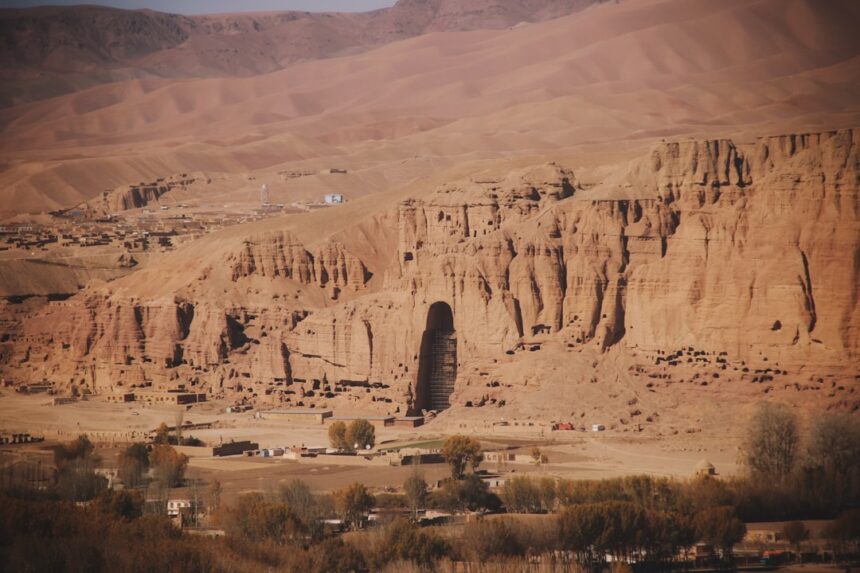
Afghanistan became a pivotal battleground during the latter stages of the Cold War, a stark illustration of how global ideological struggles could ignite devastating conflicts within a sovereign nation. The country, strategically positioned between the Soviet Union and Western spheres of influence, found itself embroiled in a proxy war that would redefine its internal dynamics and ripple outwards with profound geopolitical consequences. This conflict was not merely a localized skirmish but a chess match played on a grand scale, with the United States and its allies implicitly supporting resistance forces against a Soviet-backed government, thereby escalating the internal Afghan strife into a wider ideological confrontation.
The roots of Afghanistan’s involvement in the Cold War proxy struggle can be traced to the Soviet invasion in December 1979. This intervention, ostensibly to support a struggling communist regime propped up by Moscow, was widely perceived in the West as an expansionist move by the Soviet Union, threatening regional stability and Western interests. In response, the United States, under President Carter and later Reagan, embarked on a concerted effort to counter Soviet influence and deny Moscow a strategic victory. This policy translated into substantial financial and military aid, not directly to Afghan combatants, but channeled through Pakistan’s Inter-Services Intelligence (ISI) agency, to various mujahideen factions resisting the Soviet-backed government. The mujahideen, a disparate collection of Islamic resistance fighters, were thus armed and trained, transforming Afghanistan into a testing ground for this indirect form of superpower conflict.
Afghanistan’s Pre-Invasion Political Instability
Before the Soviet tanks rolled into Kabul, Afghanistan had been experiencing a period of considerable political turbulence. Following the overthrow of the monarchy in 1973, the nation had seen a series of coups and power struggles. The People’s Democratic Party of Afghanistan (PDPA), a Marxist-Leninist party, had gained control in 1978 through the Saur Revolution. However, the PDPA itself was fractured into factions, and its radical policies, including land redistribution and secularization efforts, alienated large segments of the deeply conservative Afghan population. This internal dissent created a fertile ground for opposition to the PDPA government, which was increasingly reliant on Soviet guidance and support. The Soviet Union, observing the instability and fearing the rise of anti-communist sentiment on its southern border, felt increasingly compelled to intervene to preserve its strategic interests and the continuity of a friendly regime.
The Soviet Perspective and Justification
From the Soviet Union’s vantage point, the intervention in Afghanistan was framed as a necessary measure to prevent the collapse of a socialist state and to counter external forces allegedly undermining it. Moscow cited appeals from the Afghan government for assistance against what it characterized as counter-revolutionary insurgency fueled by foreign powers, particularly the United States, Pakistan, and China. The Soviet leadership believed that a failure to act would embolden anti-Soviet forces in the region and potentially lead to the establishment of an unfriendly regime at its doorstep, posing a significant security threat. The historical context of Soviet influence in Afghanistan, dating back decades, provided a backdrop for this perceived necessity.
Western Concerns and Strategic Calculations
The United States and its Western allies viewed the Soviet invasion with alarm. They saw it as a direct challenge to the existing global balance of power and a potential springboard for further Soviet expansionism into the Persian Gulf region, a crucial area for oil supplies. The strategic calculations in Washington and other Western capitals focused on preventing a Soviet victory and inflicting significant costs on the USSR, thereby draining its resources and potentially contributing to its internal weakening. This policy of containment, a cornerstone of Cold War strategy, found a new and critical arena in Afghanistan.
The Cold War era was marked by numerous proxy wars, with Afghanistan serving as a significant battleground for competing superpowers. The Soviet invasion of Afghanistan in 1979 led to a decade-long conflict that drew in various factions and foreign support, ultimately shaping the geopolitical landscape of the region. For a deeper understanding of the implications and outcomes of this conflict, you can read the article at this link.
The Arming of the Mujahideen
Diverse Factions and Ideological Divides
The support provided to the Afghan resistance was not directed towards a unified entity. Instead, it flowed to a multitude of mujahideen groups, each with its own leadership, geographic base, and often conflicting ideological agendas. Prominent among these were groups like Jamiat-e-Islami led by Burhanuddin Rabbani and Ahmad Shah Massoud, Hizb-e-Islami led by Gulbuddin Hekmatyar, and the more traditionalist groups like Ittehad-e-Islami led by Abdul Rasul Sayyaf. While all united against the Soviet-backed government, their ultimate visions for Afghanistan differed, ranging from Islamic republics to more secular forms of governance. This inherent fragmentation would later prove to be a significant challenge for the nascent Afghan state.
The Role of Pakistan’s ISI
Pakistan’s Inter-Services Intelligence (ISI) played a crucial and often controversial role in the proxy war. Under the direction of the United States and Saudi Arabia, the ISI became the primary conduit for arms, funding, and training for the mujahideen. The ISI’s influence grew exponentially, and its operational control over the flow of aid allowed it to favor certain factions over others, often those that aligned with its own strategic objectives and ideological leanings. This favoritism exacerbated the internal rivalries among the mujahideen, contributing to a fragmented resistance that, while effective against the Soviets, posed a problem for post-war stability.
American Military Aid and Its Impact
The United States, through programs like Operation Cyclone, provided billions of dollars in military aid to the mujahideen. This aid included sophisticated weaponry, such as Stinger anti-aircraft missiles, which proved instrumental in countering Soviet airpower and significantly increasing the cost of the war for the USSR. The infusion of advanced weaponry had a transformative effect on the battlefield, enabling the mujahideen to inflict greater casualties and launch more effective attacks. However, this external support also contributed to the militarization of Afghan society and sowed the seeds for future conflict as the weaponry and the trained fighters remained in the country after the Soviet withdrawal.
The Human Cost of the Proxy War
Civilian Casualties and Displacement
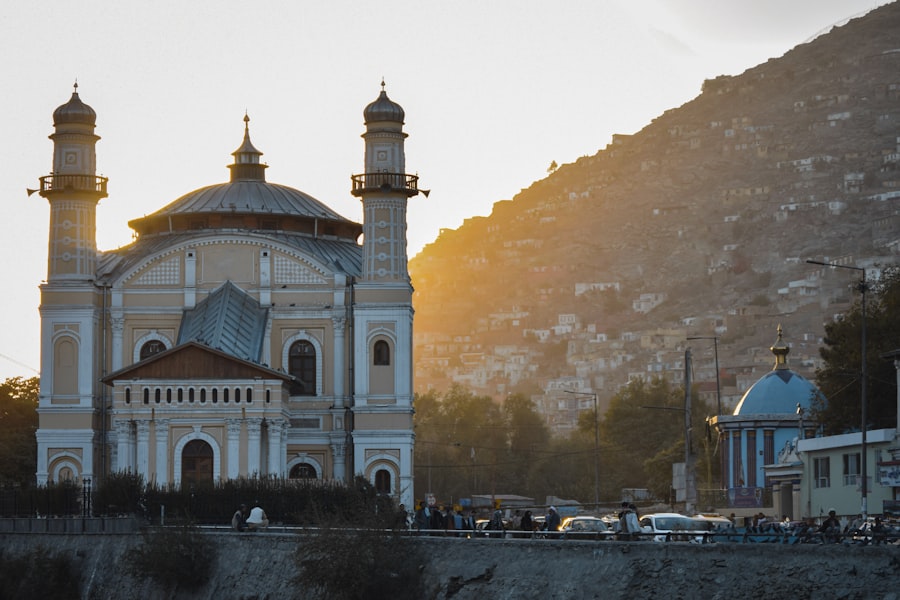
The conflict in Afghanistan resulted in an immense human tragedy. Millions of Afghans were killed or wounded, and the country’s infrastructure was devastated. The intense fighting, aerial bombardments, and landmine contamination rendered vast areas uninhabitable, forcing millions more to flee their homes. This mass displacement created a refugee crisis that strained the resources of neighboring countries, particularly Pakistan and Iran, and had long-lasting social and economic consequences for Afghanistan. The psychological toll on the population, having endured years of relentless conflict, was profound.
The Rise of Extremist Ideologies
The influx of foreign fighters and funding, particularly from conservative Islamic nations, contributed to the rise of more radical interpretations of Islam within Afghanistan. The emphasis on jihad and the glorification of armed struggle, while necessary for fighting the Soviets, also fostered an environment where extremist ideologies could flourish. This trend was further exacerbated by the selective support given by external actors, often favoring more ideologically driven factions, which inadvertently empowered more hardline elements within the broader mujahideen movement.
The Destabilization of Afghan Society
The prolonged proxy war fundamentally destabilized Afghan society. The traditional social fabric was torn apart by the violence, displacement, and the rise of warlordism. The established institutions of governance and law enforcement were weakened or destroyed, creating a vacuum that various armed groups rushed to fill. The war also fostered a culture of dependency on external patrons and a reliance on armed conflict as a means of resolving disputes, laying the groundwork for the internal power struggles that would plague Afghanistan in the years that followed.
The Soviet Withdrawal and Its Aftermath
The Imperative for Soviet Retreat
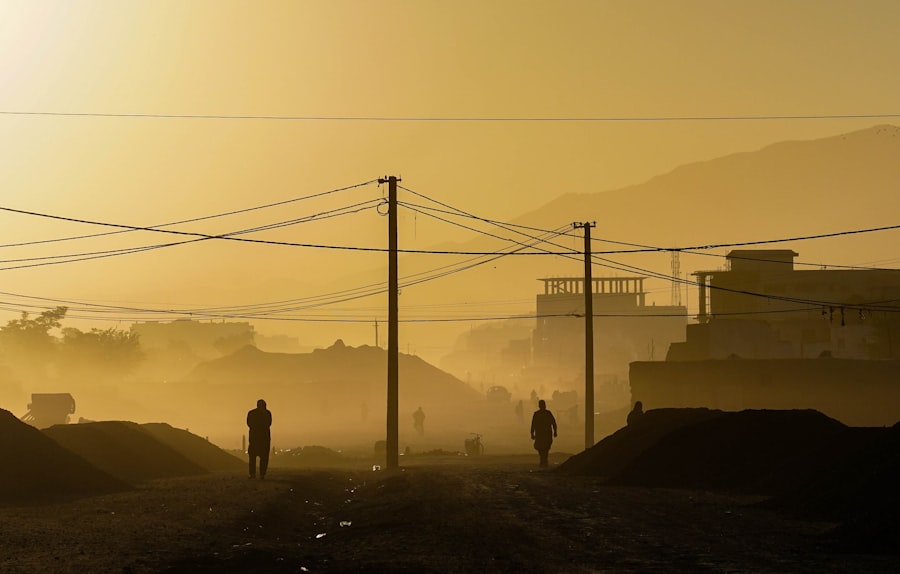
The protracted and costly war in Afghanistan proved to be a significant drain on Soviet resources, both human and economic. The mounting casualties, coupled with international condemnation and internal dissent, placed increasing pressure on the Soviet leadership to find a way out of the conflict. The failure to achieve a decisive victory, despite overwhelming military might, exposed vulnerabilities within the Soviet system and contributed to a growing sense of disillusionment among its citizens. Ultimately, the strategic and economic burden became unsustainable, leading to the decision to withdraw.
The Power Vacuum and Internal Conflict
The withdrawal of Soviet troops in 1989 did not bring peace to Afghanistan. Instead, it left behind a fractured country with a weak, Soviet-backed government struggling to maintain control. The mujahideen, their primary unifying enemy gone, turned their attention to internal power struggles. The various factions, armed and battle-hardened, began to vie for control of the country, leading to a devastating period of civil war. The allegiances forged during the proxy war, often based on external patronage rather than genuine national unity, proved brittle in the face of new political realities.
The Genesis of Future Conflicts
The legacy of the Cold War proxy war in Afghanistan is inextricably linked to the subsequent rise of the Taliban and the emergence of al-Qaeda. The weapons and infrastructure left behind by the conflict, coupled with the unresolved internal power dynamics, created an environment conducive to the growth of extremist groups. The experienced fighters and commanders, disillusioned after the civil war, became fertile recruits for nascent organizations promising a return to order and the establishment of a purer Islamic state. Thus, the conflict that was meant to curtail Soviet influence inadvertently sowed the seeds for a new era of instability and global terrorism.
The Cold War era was marked by numerous proxy wars, with Afghanistan standing out as a significant battleground where superpowers clashed indirectly. The Soviet invasion of Afghanistan in 1979 led to a decade-long conflict that drew in various factions and international actors, shaping the geopolitical landscape of the region. For a deeper understanding of the implications and outcomes of such conflicts, you can explore a related article that delves into the intricacies of these proxy wars at In the War Room. This resource provides valuable insights into the strategies employed by both sides and the lasting effects on Afghanistan and beyond.
Afghanistan’s Enduring Legacy in the Cold War Narrative
| Proxy War | Duration | Main Actors | Outcome |
|---|---|---|---|
| Soviet-Afghan War | 1979-1989 | Soviet Union, Afghanistan, United States, Pakistan | Ended with the withdrawal of Soviet troops and subsequent collapse of the Soviet Union |
| Civil War in Afghanistan | 1989-1992 | Mujahideen factions, Afghan government, Taliban, United States, Pakistan | Resulted in the rise of the Taliban and continued instability in the region |
| War in Afghanistan (2001-present) | 2001-present | United States, NATO, Afghan government, Taliban, Al-Qaeda | Ongoing conflict with efforts to establish stability and democracy in Afghanistan |
A Symbol of Superpower Overreach
Afghanistan’s experience serves as a potent symbol of the destructive potential of superpower proxy wars. While the United States achieved its objective of denying the Soviet Union a victory and contributing to its eventual collapse, the cost to Afghanistan and the wider region was immense. The intervention, driven by Cold War imperatives, unleashed forces that would continue to shape global security for decades to come, highlighting the unintended consequences of such geopolitical maneuvers.
The Unforeseen Consequences of Intervention
The story of Afghanistan during the Cold War is a stark reminder of the complexity and often unpredictable nature of international interventions. The well-intentioned efforts to counter Soviet influence ultimately contributed to the rise of new threats and prolonged suffering for the Afghan people. The arming and empowerment of various factions, while effective in a wartime context, created a dangerous equilibrium that proved difficult to dismantle, demonstrating that the end of a proxy war does not automatically herald a return to peace.
The Long Shadow of Geopolitics
The Cold War proxy war in Afghanistan cast a long shadow over the country and the world. The geopolitical machinations of the superpowers, played out on Afghan soil, left a lasting imprint on its social, political, and economic landscape. Understanding Afghanistan’s role in this global struggle is essential for comprehending the ongoing challenges the nation faces and the broader implications of Cold War-era conflicts on contemporary international relations. The scars of this era continue to inform the ongoing narrative of the country and its place in the global order.
FAQs
What were the Cold War proxy wars in Afghanistan?
During the Cold War, Afghanistan became a battleground for proxy wars between the United States and the Soviet Union. The US supported the Afghan mujahideen, while the Soviet Union backed the Afghan government. This conflict lasted from 1979 to 1989.
What was the impact of the Cold War proxy wars in Afghanistan?
The Cold War proxy wars in Afghanistan resulted in significant devastation and loss of life. The country’s infrastructure was severely damaged, and millions of Afghans were displaced as a result of the conflict. The legacy of this period continues to impact Afghanistan to this day.
How did the Cold War proxy wars in Afghanistan end?
The Cold War proxy wars in Afghanistan came to an end with the withdrawal of Soviet forces in 1989. This withdrawal was followed by a period of civil war and instability in Afghanistan, ultimately leading to the rise of the Taliban in the 1990s.
What role did the United States play in the Cold War proxy wars in Afghanistan?
The United States played a significant role in the Cold War proxy wars in Afghanistan by providing support to the Afghan mujahideen, who were fighting against the Soviet-backed Afghan government. This support included military aid and training.
How did the Cold War proxy wars in Afghanistan impact global geopolitics?
The Cold War proxy wars in Afghanistan had a significant impact on global geopolitics. The conflict contributed to the eventual collapse of the Soviet Union and reshaped the dynamics of power in the region. It also set the stage for future conflicts and interventions in Afghanistan by various international actors.