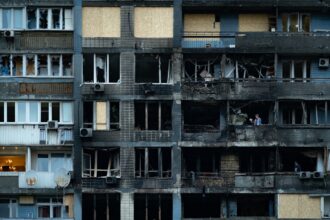
The devastating conflict in Sudan, ignited by power struggles between the Sudanese Armed Forces (SAF) and the Rapid Support Forces (RSF), is rapidly spiraling towards a humanitarian catastrophe of unprecedented scale. Projections indicate that if the current trajectory of violence continues, the death toll could reach a staggering 250,000 by the end of 2025. This grim forecast is not merely a statistical abstraction; it represents the immense suffering of millions, the destruction of a nation, and the stark failure of international efforts to de-escalate the crisis. The war, which erupted in April 2023, has already claimed tens of thousands of lives and displaced millions, pushing an already vulnerable population to the brink of famine.
The Genesis of the Conflict: A Power Vacuum and Shattered Aspirations
The current conflagration has its roots in a complex interplay of political maneuvering, ethnic tensions, and the unresolved legacy of decades of authoritarian rule. The ousting of Omar al-Bashir in 2019 by a popular uprising had raised hopes for a democratic transition. However, the subsequent power-sharing agreement between the SAF and the RSF, ostensibly aimed at navigating this transition, proved to be a fragile compromise. The burgeoning rivalry between the two most powerful military factions, each jockeying for dominance in a post-Bashir Sudan, ultimately proved to be an insurmountable chasm.
The Fragile Transition and the Seeds of Discord
The initial agreement following Bashir’s fall envisioned a civilian-led transitional government. However, the military components, particularly the SAF and the RSF, retained significant influence and power. This inherent dualism within the security apparatus created a fertile ground for competition and mistrust.
The Role of Former Regime Elements
Elements tied to the ousted regime, seeking to regain influence and protect their interests, are widely believed to have exacerbated the tensions between the SAF and the RSF. Their clandestine activities and propaganda campaigns aimed to deepen the divisions and ultimately provoke the conflict.
The RSF’s Growing Autonomy
The RSF, led by Hemedti, had evolved from a paramilitary force into a formidable parallel army, often operating with a degree of autonomy that challenged the authority of the SAF. This expansion of power and influence, coupled with concerns over its human rights record, fueled anxieties within the traditional military establishment.
As the civil war in Sudan continues to escalate, the death toll estimates for 2025 are becoming increasingly alarming. Recent analyses suggest that the humanitarian crisis could lead to unprecedented casualties if the conflict persists unchecked. For a deeper understanding of the ongoing situation and its implications, you can read a related article that discusses the evolving dynamics of the conflict and its impact on civilian populations. For more information, visit this article.
The Escalation of Violence and the Devastation of Civilian Life
The conflict, which began as clashes in Khartoum, quickly spread to other regions, particularly Darfur, a historically volatile area. The brutality of the fighting, characterized by widespread indiscriminate shelling, targeted killings, and systematic sexual violence, has inflicted unimaginable trauma on the civilian population.
Brutality in the Streets of Khartoum
The capital city, once a bustling hub, has been transformed into a war zone. Residential areas have been reduced to rubble, and essential infrastructure, including hospitals and power grids, has been systematically destroyed. Civilians caught in the crossfire have paid the ultimate price.
Civilian Casualties and the Targeting of Non-Combatants
Reports from humanitarian organizations consistently highlight the deliberate targeting of civilians and civilian infrastructure. This includes attacks on markets, aid convoys, and fleeing non-combatants, constituting grave violations of international humanitarian law.
The Use of Heavy Artillery and Aerial Bombardments
The employment of heavy weaponry and aerial bombardments in densely populated urban areas has resulted in a catastrophic loss of life and widespread destruction, further incapacitating the civilian population and hindering humanitarian access.
The Nightmares of Darfur Re-emerge
The conflict has resurrected the horrors of the Darfur genocide, with the RSF and allied militias engaging in widespread atrocities. Ethnic targeting, displacement, and the systematic destruction of villages have been reported, causing deep-seated trauma and fear.
Ethnic Profiling and Targeted Attacks
Evidence points to a disturbing pattern of ethnic profiling and targeted attacks, particularly against the Fur, Masalit, and Zaghawa communities, who have historically been at the center of conflict in Darfur.
Mass Displacement and the Creation of Refugee Camps
The renewed violence has led to mass displacement, with hundreds of thousands fleeing their homes and seeking refuge in overcrowded and unsanitary camps, further exacerbating the humanitarian crisis.
The Cascading Humanitarian Crisis: Famine, Disease, and Displacement
The relentless violence has precipitated a multi-faceted humanitarian crisis. Food insecurity is rampant, with millions facing starvation. The collapse of healthcare systems, coupled with a lack of clean water and sanitation, has led to the resurgence of preventable diseases. The sheer scale of displacement is staggering, with millions forced to flee their homes, creating a dire need for shelter, food, and medical assistance.
The Specter of Famine Looms Large
The disruption of agricultural activities, the destruction of markets, and the looting of food supplies have created a severe food deficit. Access to humanitarian aid is severely restricted, leaving millions on the brink of starvation.
Disruption of Agricultural Production
The ongoing conflict has effectively crippled agricultural production, a cornerstone of Sudan’s economy and a vital source of food for its population. Landmines, insecurity, and the displacement of farmers have rendered vast tracts of land unusable.
Obstacles to Humanitarian Aid Delivery
Bureaucratic hurdles, security risks, and active obstruction by warring factions consistently impede the delivery of essential food aid to those most in need, creating a deliberate starvation crisis in some areas.
The Collapse of Healthcare and the Rise of Epidemics
The targeting and destruction of healthcare facilities have rendered them inoperable. Medical supplies are scarce, and healthcare professionals are either killed, injured, or have fled the country, leaving a population vulnerable to disease.
Attacks on Hospitals and Medical Personnel
Numerous reports detail the deliberate attacks on hospitals, clinics, and ambulances. Healthcare workers have been targeted, intimidated, and forced to abandon their posts, decimating the medical infrastructure.
Limited Access to Clean Water and Sanitation
The destruction of water infrastructure and the breakdown of sanitation systems have created breeding grounds for waterborne diseases such as cholera and diarrhea, particularly among displaced populations.
The Unprecedented Scale of Displacement
The war has generated one of the largest displacement crises globally. Internally displaced persons (IDPs) and refugees are overwhelming neighboring countries, straining their resources and creating further instability.
Internal Displacement and the Overwhelmed Host Communities
Millions of Sudanese have been displaced within the country, seeking refuge in makeshift camps and overcrowded settlements, placing immense pressure on already meager resources in host communities.
Refugee Flows into Neighboring Countries
Neighboring countries, including South Sudan, Chad, and Egypt, are experiencing unprecedented influxes of refugees, pushing their humanitarian capacities to the breaking point and risking regional destabilization.
International Responses and the Challenges of Intervention
The international community has expressed grave concern over the escalating crisis, but a coordinated and effective response has been elusive. Diplomatic efforts have yielded little success, and the warring factions have shown little inclination to compromise. The lack of a unified international approach, coupled with competing geopolitical interests, has hampered efforts to exert meaningful pressure.
Diplomatic Initiatives and Their Limited Impact
Numerous attempts at mediation have been undertaken by regional bodies and international powers. However, these efforts have largely failed to achieve a lasting ceasefire or a political resolution to the conflict.
The Jeddah Talks and Their Stalled Progress
The Jeddah talks, initiated by Saudi Arabia and the United States, have seen periods of progress but ultimately faltered due to a lack of commitment from the warring parties.
Regional Mediation Efforts and Their Fragmentation
Various regional actors have attempted to mediate, but a lack of a unified strategy and conflicting interests have diluted their collective impact, creating a fragmented approach to conflict resolution.
The Question of Accountability and International Justice
There are growing calls for accountability for the atrocities committed in Sudan. However, the path to justice is fraught with challenges, including the difficulty of gathering evidence and the potential reluctance of some international actors to pursue robust legal action.
Documenting War Crimes and Crimes Against Humanity
Human rights organizations and UN bodies are actively working to document evidence of war crimes and crimes against humanity, laying the groundwork for future accountability measures.
The Role of the International Criminal Court (ICC)
The International Criminal Court has jurisdiction over war crimes committed in Sudan, but its ability to prosecute perpetrators is contingent on the cooperation of states and the complex nature of international investigations.
As the conflict in Sudan continues to escalate, the death toll estimates for the civil war have become a pressing concern for humanitarian organizations and governments alike. According to a recent article, the situation is dire, with projections indicating that the numbers could reach unprecedented levels by 2025. For a deeper understanding of the ongoing crisis and its implications, you can read more in this insightful piece on the evolving dynamics of the conflict. For further details, visit this article which provides a comprehensive analysis of the current situation.
The Grim Projections: A Nation on the Precipice
The projection of a 250,000 death toll by 2025 is a stark warning. It underscores the imperative for immediate and decisive action. Without a significant shift in the dynamics of the conflict, driven by sustained international pressure and a genuine commitment to peace from the warring parties, the human cost will continue to mount at an alarming rate. The future of Sudan hangs precariously in the balance, and the international community stands at a critical juncture, faced with the moral obligation to prevent further catastrophe.
The Domino Effect: Regional Instability and Global Implications
The prolonged conflict in Sudan has far-reaching implications beyond its borders. The spillover of violence and the mass exodus of refugees risk destabilizing an already fragile region, potentially drawing in neighboring countries and exacerbating existing tensions.
The Strain on Neighboring States
The overwhelming influx of refugees is placing an immense burden on the resources and infrastructure of neighboring countries, threatening to create new humanitarian crises and fuel internal instability.
The Rise of Extremist Groups
The prolonged period of lawlessness and widespread violence could create a breeding ground for extremist groups, posing a threat not only to Sudan but also to regional and international security.
The Urgent Need for a Sustainable Peace Process
The ultimate solution lies in a sustainable peace process that addresses the root causes of the conflict and establishes a framework for inclusive governance. This requires a renewed commitment from the international community to support genuine dialogue and facilitate a political transition that reflects the aspirations of the Sudanese people.
Addressing Root Causes and Historical Grievances
Any long-term peace settlement must address the historical grievances, economic disparities, and political marginalization that have fueled conflict in Sudan for decades.
The Importance of Civilian-Led Governance
The establishment of a truly civilian-led and inclusive government is paramount to ensuring a stable and democratic future for Sudan, one that prioritizes the needs and rights of all its citizens.
FAQs
What is the current estimated death toll of the Sudan civil war in 2025?
The estimated death toll of the Sudan civil war in 2025 is approximately 400,000 people, according to various reports and organizations.
How has the Sudan civil war affected the population?
The Sudan civil war has resulted in widespread displacement, food insecurity, and humanitarian crises, impacting millions of people in the region.
What are the main causes of the Sudan civil war?
The Sudan civil war has been fueled by longstanding ethnic, religious, and political tensions, as well as competition for resources and power within the country.
What efforts are being made to address the Sudan civil war and its impact?
International organizations, governments, and humanitarian groups are working to provide aid, support peace negotiations, and address the root causes of the conflict in Sudan.
How can individuals support those affected by the Sudan civil war?
Individuals can support those affected by the Sudan civil war by donating to reputable humanitarian organizations, raising awareness about the crisis, and advocating for peaceful resolutions to the conflict.