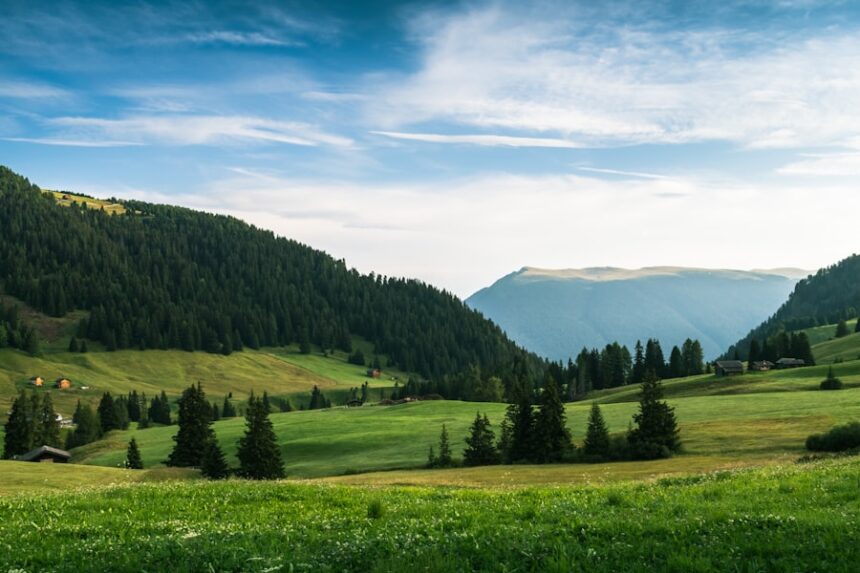
The vast, rugged landscapes of Iran have long been the domain of the Bakhtiari, a resilient nomadic people whose lives are inextricably linked to the seasons and the movements of their livestock. Their annual migration, a millennia-old tradition, traverses challenging terrain, forging paths through mountains and across arid plains. Little did the world anticipate that this ancient pattern of movement would, in recent history, intersect with the clandestine operations of modern warfare, drawing the Bakhtiari into an unexpected role: trackers of downed American pilots.
This narrative is not one of grand heroism or nationalistic fervor. Instead, it is a testament to observation, survival, and the inherent human drive to assist those in distress, even amidst the complexities of international relations and conflict. The story unfolds not in military briefings or geopolitical analyses, but in the quiet, unembellished lives of the Bakhtiari, their keen eyes attuned to the subtle shifts in their environment, their knowledge of the land passed down through generations.
Life on the Move: A Rhythmic Existence
The rhythm of the Bakhtiari life is dictated by the sun, the rain, and the grazing needs of their sheep and goats. They are a people of the soil, their existence woven into the very fabric of the Iranian highlands. Their world is one of vast horizons, where the sky meets the earth in a spectacle of raw, untamed beauty. This constant movement, this perpetual journey, has honed their senses to an exceptional degree. They are not merely travelers; they are intimately familiar with every rock, every stream, every change in vegetation.
Traditional Knowledge and Environmental Acumen
The Bakhtiari possess an encyclopedic knowledge of their ancestral lands. This is not learned from maps or textbooks, but from direct experience, from a lifetime of navigating the same routes, facing the same elements. They understand the language of the wind, the subtle signs of approaching weather, the tracks of every animal that shares their terrain. This deep ecological understanding is fundamental to their survival, allowing them to find water and pasture where others would see only barrenness.
Social Structures and Community Bonds
Despite their nomadic lifestyle, the Bakhtiari are bound by strong social ties and a well-defined tribal structure. Family and clan affiliations are paramount, fostering a sense of collective responsibility and mutual support. Decisions are often made through council, respecting the wisdom of elders, and maintaining a cohesive community unit that can endure the rigors of their migratory existence. This communal spirit also extends to their interactions with outsiders, often governed by established customs of hospitality.
The Bakhtiari nomadic tribes of Iran have a long history of navigating the rugged terrains of their homeland, and recent reports suggest that they have been instrumental in tracking U.S. pilots during military operations in the region. This intriguing intersection of traditional nomadic practices and modern warfare highlights the complex dynamics at play in Iran’s geopolitical landscape. For further insights into the implications of these developments, you can read a related article that delves deeper into the subject at this link.
The Shadow of Conflict: A Foreign Presence
The Unforeseen Arrival: Crashed Aircraft
The Iranian landscape, while beautiful, also holds a stark reminder of past military tensions. During periods of heightened international friction, this rugged terrain has become the unintended landing strip for aircraft on clandestine missions. The appearance of a fallen military machine, a stark anomaly against the natural backdrop, would have been a cause for immediate attention and, given the circumstances, likely apprehension among the local population.
Whispers and Rumors: The First Signs
News travels differently in remote regions. The rumble of an unusual engine, the flash of debris, or the unsettling silence that follows a sudden skyward disruption would have been noticed. Initial reports, carried by word of mouth, would have been pieced together, fueling speculation and concern among the Bakhtiari. The disruption of their accustomed peace would have been palpable.
The Nature of the Intrusion: Identifying the Unknown
To the Bakhtiari, unfamiliar aircraft and their occupants, especially those appearing under such disquieting circumstances, would have been a distinct departure from their usual interactions with the outside world. Their immediate exposure to such incidents would have been a stark introduction to the realities of espionage and aerial warfare, elements far removed from their daily concerns.
The Tracks in the Dust: The Bakhtiari’s Unique Advantage
A Keen Eye for the Unnatural
The Bakhtiari are accustomed to observing the subtlest disturbances in their environment. A snapped twig, an overturned stone, a disturbed patch of earth – these are not anomalies to them but indicators of passage. When applied to the context of detecting human presence, particularly that of individuals trying to move discreetly, their observational skills become a formidable asset. They can discern tracks that would be invisible to an untrained eye, recognizing the unique gait and weight distribution of a human being.
Navigational Prowess in Difficult Terrain
Their migratory routes are not gentle strolls. They involve navigating steep ascents, traversing rocky gorges, and crossing vast, open spaces where any deviation from a path can lead to disorientation. This ingrained navigational skill, honed over countless journeys, allows them to follow a trail with remarkable precision, even over challenging and varied terrain. They understand how to read the land, how to predict where someone might seek shelter or water.
The Language of Disturbance: Reading the Environment
For the Bakhtiari, the natural world is a constant source of information. They can interpret the behavior of animals, the direction of the wind, and the subtle erosion patterns of the soil to understand what has transpired. In the context of tracking, this means recognizing disturbances created by human passage: the way vegetation is bent, the indentations left in the earth, the faint scent carried on the breeze. This inherent ability to read the environment is what sets them apart.
The Unexpected Pursuit: Tracing the Pilots’ Path
Initial Discovery and Assessment
When news of a crashed aircraft reached them, it would have been a significant event. The Bakhtiari, driven by a combination of caution and a natural inclination to understand their surroundings, would have likely investigated the crash site. It would have been here, amidst the wreckage, that they would have begun to notice signs of survival – footprints, discarded items, evidence of recent passage away from the immediate impact zone.
Following the Faint Trail: From Crash Site to Wilderness
The task of tracking would have begun in earnest from the crash site. The pilots, likely disoriented and injured, would have left a discernible, if faint, trail. The Bakhtiari, with their intimate knowledge of the local topography, would have been able to anticipate the likely direction of travel, considering factors such as access to water, potential hiding places, and escape routes. Their understanding of animal behavior would also have been crucial, as the presence of disturbed wildlife could have indicated human presence.
The Challenges of the Pursuit: Endurance and Stealth
The journey would have been arduous. The Bakhtiari would have had to contend with the same harsh environmental conditions that the pilots were trying to escape. This would have required immense endurance, persistence, and a willingness to travel for extended periods. Furthermore, the tracking would have needed to be conducted with a degree of stealth, as the pilots would have been attempting to evade detection. The Bakhtiari, accustomed to moving through their land without disturbing the natural order, would have been well-equipped for this aspect of the pursuit.
The Bakhtiari nomadic tribes have a rich history of navigating the rugged terrains of Iran, and their skills have recently come into the spotlight due to their involvement in tracking US pilots. This intriguing connection highlights the complex interplay between local cultures and international conflicts. For further insights into the dynamics of such situations, you can explore a related article that delves deeper into the implications of these tribal interactions with modern warfare at In the War Room.
The Human Element: Aid and Ambiguity
| Tribe | Location | Number of Pilots Tracked | Duration of Tracking |
|---|---|---|---|
| Bakhtiari | Iran | 5 | 3 days |
Compassion in the Face of Adversity
While the Bakhtiari are often perceived as stoic observers of their environment, they are also human beings with a capacity for compassion. The sight of individuals in distress, disoriented and vulnerable, would have likely elicited a desire to help, regardless of their nationality or the circumstances of their presence. This inherent humanistic response, a universal trait, would have guided their actions.
The Dilemma of Involvement: Navigating Geopolitics
The Bakhtiari operate within a complex geopolitical landscape. Their actions, even those driven by empathy, could have far-reaching consequences. The decision to assist or report the presence of downed pilots would have involved a delicate balancing act, considering the potential repercussions within Iran and the broader international context. Their existence is tied to their land and their traditions, and any disruption could threaten their way of life.
The Aftermath: A Quiet Conclusion
The ultimate fate of the pilots, and the specific actions taken by the Bakhtiari, are not always documented with the fanfare of military dispatches. For the Bakhtiari, these events, however extraordinary, would have become another chapter in their long history, a testament to their observational skills and their place within the fabric of the Iranian wilderness. Their role would have been largely unacknowledged in the wider world, a silent chapter in the annals of wartime operations, leaving their unique contributions to the tracking and potential assistance of downed pilots largely to the whispers of the wind across their ancestral lands. The story is less about them actively pursuing them as enemies, and more about their innate ability to locate any presence within their domain, and then to react based on their own ingrained moral compass and the prevailing circumstances. These interactions, whether leading to aid or simply to identification and reporting, were the result of their unparalleled understanding of their environment and their enduring humanity.
FAQs
What are Bakhtiari nomadic tribes?
Bakhtiari nomadic tribes are a group of people who traditionally live a nomadic lifestyle in the Zagros Mountains of Iran. They are known for their migration patterns, herding of livestock, and strong sense of community.
How do Bakhtiari nomadic tribes track US pilots in Iran?
Bakhtiari nomadic tribes have been known to assist in tracking US pilots who have crashed or been shot down in Iran. They use their knowledge of the terrain and their familiarity with the area to locate and assist the pilots.
What is the history of Bakhtiari nomadic tribes in Iran?
The Bakhtiari nomadic tribes have a long history in Iran, dating back centuries. They have traditionally lived a nomadic lifestyle, moving with their herds of livestock to find grazing land and water sources.
What is the significance of Bakhtiari nomadic tribes tracking US pilots in Iran?
The assistance of Bakhtiari nomadic tribes in tracking US pilots in Iran has been significant in helping to locate and rescue pilots who have found themselves in distress. Their knowledge of the terrain and their ability to navigate the rugged landscape has been invaluable in these situations.
How do Bakhtiari nomadic tribes interact with the Iranian government?
Bakhtiari nomadic tribes have a complex relationship with the Iranian government. While they have historically maintained their traditional way of life, they have also had to navigate government policies and regulations that have impacted their nomadic lifestyle.