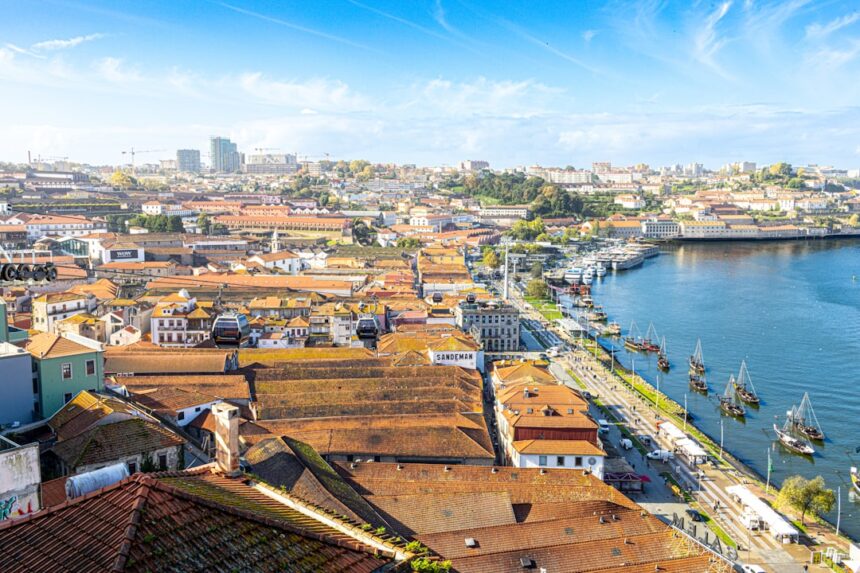
The enduring association between Port wine and the British Royal Navy is not merely a matter of historical curiosity; it represent a tangible intersection of commerce, military necessity, and the strategic cultivation of international trade relationships. While often romanticized, the practicalities of supplying a global naval force with a reliable and palatable alcoholic beverage played a significant role in solidifying the dominance of both the British Navy and the burgeoning Port wine trade in the centuries that followed the Glorious Revolution.
The presence of British ships and sailors on the oceans predates the widespread consumption of Port wine as a staple. However, the operational demands of extended sea voyages in the 17th and 18th centuries necessitated a constant supply of potable liquids. Water, while essential, was notoriously difficult to store for long periods without spoiling. The introduction of bacteria and algae was a common problem, leading to water that was not only unpalatable but also potentially dangerous. Consequently, the Royal Navy, like other maritime powers, relied heavily on alcoholic beverages to supplement and preserve their water supplies.
The Practicalities of Water Preservation at Sea
- The Problem of Spoilage: Long voyages meant water casks were open to the elements and crew for extended periods. The lack of refrigeration and advanced purification methods made maintaining water quality a significant challenge. Bacterial growth and algal blooms were common, turning water into a murky, foul-tasting substance.
- Alcohol as a Preservative: The addition of alcohol to water demonstrably inhibited bacterial growth and fermentation, making it safer and more palatable. This was a pragmatic solution rather than a cultural indulgence, especially in the early stages of naval provisioning.
- The Role of Beer and Grog: Historically, beer was a common beverage supplied to sailors. However, its shelf-life, particularly in warmer climates, was limited. The introduction of rum, often diluted with water to create “grog,” became a more efficient and enduring solution for the Royal Navy, particularly after the mid-18th century.
Early Trade Routes and the Growing British Maritime Presence
The expansion of British overseas trade, particularly after the establishment of the East India Company and the growing colonial empire, fostered an increased demand for imported goods. This required a powerful navy to protect these routes and enforce British commercial interests. Such a significant maritime presence naturally led to the consumption of a wide array of imported beverages and foodstuffs, establishing logistical networks that would later benefit the Port trade.
Port wine has a rich history intertwined with British naval logistics, particularly during the Age of Exploration when the British Navy relied on fortified wines for long sea voyages. A fascinating article that delves deeper into this topic is available at In the War Room, where you can explore how the preservation and transportation of Port wine played a crucial role in sustaining naval crews and enhancing their morale during extended missions.
The Portuguese Connection: From Trade Imbalance to Strategic Alliance
The direct link between Port wine and the British Navy is intrinsically tied to the complex geopolitical and economic relationship between England and Portugal, particularly from the late 17th century onwards. Portugal, a seafaring nation with a long history of wine production, found itself increasingly reliant on British trade and naval protection against its historical rival, Spain. This mutual dependency laid the groundwork for preferential trade agreements that would significantly benefit the Port wine industry.
The Methuen Treaties: A Turning Point in Anglo-Portuguese Trade
The Methuen Treaties, signed in 1703 between England and Portugal, were pivotal. These agreements stipulated that Portuguese wines would be admitted into England with a duty that was two-thirds less than that imposed on French wines. In exchange, Portugal agreed to admit English woollen textiles on advantageous terms. This was a significant move, as French wines, particularly claret, had been the dominant imported wine in England.
The Economic Imbalance and British Motivation
- Declining French Wine Imports: England, frequently at odds with France throughout the late 17th and early 18th centuries, sought alternatives to French luxury goods. The Methuen Treaties provided a political and economic incentive to reduce reliance on French imports and foster a trading relationship with a more amenable partner.
- Portuguese Need for Markets: Portugal, despite its own wine-producing capabilities, had a less diversified economy. The English market, with its growing demand for wine and its powerful navy, offered a crucial outlet for Portuguese produce.
- The Lure of Sweetness and Strength: The taste preferences of the English palate at the time also played a role. Port, with its higher alcohol content and residual sweetness (often enhanced by the addition of grape spirit), was perceived as more robust and longer-lasting than lighter, drier table wines. This characteristic made it particularly appealing for consumption and, crucially, for storage on voyages.
The “Wines of the Douro”: Early Development and Export
While Port wine production had existed for centuries, the Methuen Treaties significantly stimulated its export to Britain. Portuguese wine merchants, often with British partners or agents, began to actively cultivate and market the wines from the Douro Valley. The addition of grape spirit, a process that stabilizes the wine and increases its alcohol content and sweetness, became a more refined and deliberate practice to meet the demands of the export market and the rigors of sea transport.
Port Wine as a Naval Provision: Practical Considerations for the Fleet

The practicalities of supplying a vast naval fleet across vast distances meant that any consumable had to meet specific criteria. Port wine, with its fortified nature, proved to be a surprisingly suitable, albeit expensive, addition to the naval stores. Its resilience to spoilage and its relatively high alcohol content offered distinct advantages.
The Fortification Process: Enhancing Durability and Palatability
- Arresting Fermentation: The defining characteristic of Port wine is the addition of a neutral grape spirit (aguardente) during fermentation. This process arrests the natural fermentation process, leaving residual sugars unfermentable and resulting in a wine that is both sweet and high in alcohol. This fortification is crucial for its preservation.
- Increasing Shelf-Life: The high alcohol content (typically 19-22% ABV) acts as a powerful preservative, inhibiting the growth of spoilage microorganisms that would quickly render unfortified wines undrinkable on long voyages.
- A Palate for Strength: The robust flavor profile and the warming effect of the higher alcohol content were likely appreciated by sailors facing harsh conditions. While not as ubiquitous as rum or beer in the daily rations, Port’s availability in certain contexts offered a distinct, if sometimes occasional, amenity.
Cask Management and the Challenges of Transport
Despite its fortified nature, the successful transport of Port wine to naval ships presented its own logistical challenges. The quality of the casks and the conditions of storage were paramount.
Cask Construction and Material
- Oak’s Role: Oak was the preferred material for wine casks due to its natural impermeability and its ability to impart subtle flavors. The type of oak and the toast level of the cask could influence the wine’s aging process and its sensory characteristics.
- Sealing and Integrity: Ensuring casks were tightly sealed was critical to prevent evaporation and contamination. Naval logistics involved inspecting and maintaining casks to prevent leaks, especially during rough seas.
- The Risk of Leakage: A compromised cask represented a significant loss of valuable commodity and a potential health hazard if the spilled wine contaminated other supplies.
The “Fighting and Drinking” Culture: More Than Just Sustenance
While practicality was undoubtedly a primary driver, the social and cultural aspects of alcohol consumption within the navy cannot be entirely discounted. The availability of a relatively refined beverage like Port, even if it was not standard issue, could have contributed to morale and reinforced a sense of distinction.
Distinguishing Between Rations and Privileges
- The Daily Grog: The daily allowance of grog (rum diluted with water) was a fundamental aspect of naval life, providing hydration and a controlled measure of alcohol.
- Port as a Special Occasion/Officer’s Drink: Port wine was generally a more expensive commodity than rum. It was more likely to be found in the wardroom or enjoyed by officers during celebrations or special occasions. Its presence could signify a level of command or a particular circumstance.
- The Influence of Merchant Mariners: It is also important to acknowledge the influence of the merchant marine. Ships involved in trade, including those destined for or returning from Portuguese ports, would have transported and consumed Port wine. Sailors on these vessels would have been exposed to its qualities, and this exposure could have filtered into naval preferences where opportunities arose.
The Strategic Importance of Supply Lines: Port Wine and Naval Dominance

The successful provisioning of the Royal Navy was a complex logistical undertaking. The ability to maintain regular supplies of essential provisions, including alcoholic beverages, was intrinsically linked to the navy’s operational capacity and its ability to project power globally. The established trade routes for Port wine became an integral part of this broader logistical network.
The Douro River: A Lifeline for the Port Trade
The Douro River, the heart of the Port wine region, played a crucial role in bringing the wine from the vineyards to the port of Oporto for export. This riverine transportation system was vital for the entire Port wine industry and, by extension, for the Royal Navy’s ability to procure it.
The Rabelo Boats and Their Significance
- Traditional Transport: For centuries, the iconic rabelo boats, with their distinctive sails and flat bottoms, were the primary means of transporting Port wine down the Douro from the Quintas (wine estates) to the lodges in Vila Nova de Gaia, across the river from Oporto.
- Navigational Challenges: The Douro is a challenging river, with rapids and treacherous currents. Mastering its navigation was a specialized skill, and the rabelos were designed to cope with these conditions.
- Impact on Production and Export: The efficiency and capacity of the rabelo transport system directly impacted the volume of Port wine available for export. Any disruption to this riverine lifeline would have had consequences for the supply chain.
Oporto and Vila Nova de Gaia: The Hubs of Trade
The cities of Oporto and Vila Nova de Gaia were the epicenters of the Port wine trade. British merchants established their lodges and vineyards in this region, developing the industry and orchestrating its export to Britain.
The “British Influence” in the Douro
- Early Investment: British merchants were among the first to invest heavily in the Port wine region, establishing companies and contracts that would sustain the trade for generations.
- Quality Control and Maturation: These merchants played a significant role in developing methods for stabilizing and aging Port wine, ensuring it could withstand the long sea voyages. They also established the system of blending and tasting that defines the character of modern Port.
- Logistical Infrastructure: Their presence in Oporto and Vila Nova de Gaia fostered the development of the necessary infrastructure for export, including warehouses, shipping facilities, and networks for distribution both within Portugal and to international markets.
Naval Control of Trade Routes: Protecting the “Wine Route”
The Royal Navy’s primary role was to protect British trade and enforce its commercial interests. The routes through which goods, including Port wine, traveled were therefore of strategic importance.
The Significance of the Iberian Peninsula
- Strategic Location: Portugal’s location on the Iberian Peninsula, with its Atlantic coastline, made it a crucial trading partner and a strategic position for naval operations.
- Protection Against Piracy and Rival Fleets: The Royal Navy’s presence in the Atlantic and off the coast of Portugal would have helped to secure the shipping lanes for both commercial vessels and naval resupply ships. This protection extended to all goods, with the economic benefits of the Port trade being a contributing factor in maintaining that security.
- A Symbiotic Relationship: The naval protection afforded by the British directly benefited the Port wine trade by ensuring its safe passage to market. In turn, the economic prosperity generated by this trade contributed to the overall wealth and resources available to support the British economy and, indirectly, the naval establishment.
Port wine has a fascinating connection to British naval logistics, particularly during the Age of Sail when it was a staple aboard ships. The fortified wine provided essential nutrients and was a favored drink among sailors, helping to prevent scurvy during long voyages. For a deeper understanding of how such provisions influenced naval operations, you can explore a related article on naval supply chains and their historical significance at In the War Room. This resource sheds light on the broader context of maritime logistics and the vital role of food and drink in sustaining naval crews.
Legacy and Evolution: From Naval Staple to Global Luxury
| Port wine British naval logistics | |
|---|---|
| Port wine supply quantity | 500 barrels |
| Port wine storage location | Lisbon, Portugal |
| Transportation method | Ships |
| Logistics provider | British Royal Navy |
While the direct role of Port wine as a primary naval provision has diminished with advancements in food preservation and changes in naval dietary regulations, its historical association with the Royal Navy has left an indelible mark on its identity and its place in global markets. The established trade relationships and the cultivation of the British palate for Port have endured.
The Decline of Alcohol as a Regular Ration
- Improved Water Purification: Technological advancements in water purification and storage in the 19th and 20th centuries reduced the reliance on alcohol as a means of making water potable.
- Health and Discipline: A greater emphasis on sailor’s health and discipline led to a reduction in, and eventual prohibition of, daily alcohol rations in many navies. The tradition of “totting the measure” of rum for the Royal Navy’s sailors, for instance, was abolished in 1970.
- Port’s Continued Role: While Port wine was never as universally distributed as rum, its association did not disappear. It remained a drink of officers and continued to be imported and consumed.
The Enduring British Market for Port
- Established Taste Preferences: The centuries of naval and civilian consumption in Britain had ingrained a strong preference for Port wine. This existing market provided a stable demand that helped the industry weather changes in naval provisioning.
- Merchant Networks: The established networks of British merchants in Portugal facilitated ongoing trade and ensured that Port remained readily available and a familiar product to consumers.
- A Symbol of Tradition: The historical link to the Royal Navy, however diminished in direct practical terms, contributed to Port’s perception as a traditional, robust, and somewhat distinguished beverage, particularly among British consumers.
The Modern Port Industry: Beyond Naval Logistics
Today, Port wine is enjoyed globally as a premium fortified wine. Its production and marketing have evolved significantly, embracing modern techniques while often drawing on its rich heritage.
Diversification and International Appeal
- New Styles of Port: The industry has diversified beyond the traditional Ruby and Tawny Ports, with the emergence of Vintage, Late Bottled Vintage (LBV), and White Ports gaining popularity.
- Global Reach: While Britain remains a significant market, Port wine is now enjoyed by consumers worldwide, with growing demand in North America, Asia, and other regions.
- Tourism and Heritage: The Douro Valley itself has become a significant tourist destination, drawing visitors who are eager to experience the landscape, the vineyards, and the history of Port wine production, often with an awareness of its historical connection to British seafaring.
In conclusion, the relationship between Port wine and the British Royal Navy was forged in the crucible of geopolitical necessity and commercial opportunity. While the practicalities of naval logistics were the initial drivers, the enduring cultural exchange and the economic interdependence between Britain and Portugal transformed this relationship into a lasting legacy. The fortified wines of the Douro, instrumental in sustaining naval crews and forging strong trade links, have since evolved into a global luxury, their history subtly entwined with the rumbling cannons and vast horizons of the British maritime past.
FAQs
What is Port wine?
Port wine is a fortified wine that originates from the Douro Valley in Portugal. It is typically a sweet, red wine that is often served as a dessert wine.
How did Port wine relate to British naval logistics?
During the 17th and 18th centuries, Port wine became an important part of British naval logistics. It was used to sustain British sailors on long sea voyages, as it was found to have a longer shelf life than other wines due to the fortification process.
What role did Port wine play in British naval strategy?
Port wine was a key part of British naval strategy as it provided a reliable source of sustenance for sailors during long voyages. Its ability to withstand long periods at sea made it a valuable resource for the British Navy.
How was Port wine transported for British naval logistics?
Port wine was transported from Portugal to England in large quantities, often in barrels. It was then stored in warehouses near British naval ports and distributed to naval ships as needed.
Was Port wine exclusively used for British naval logistics?
While Port wine was a significant part of British naval logistics, it was also enjoyed by civilians in England and other countries. Its popularity as a dessert wine and its association with British naval history have contributed to its enduring appeal.