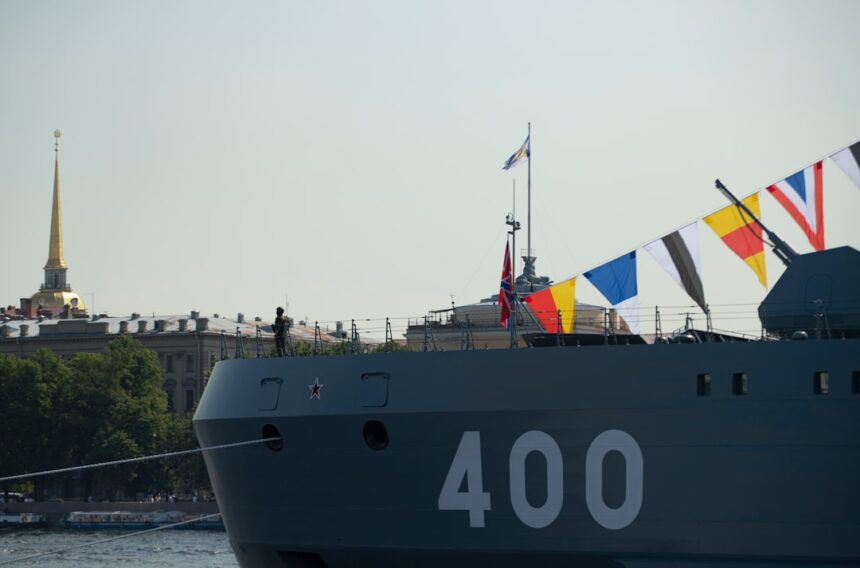
Russian Naval Activity: Tracking in the North Atlantic
The North Atlantic, a vast expanse of ocean connecting Europe and North America, has historically been a theater of strategic naval operations. In recent years, observers have noted a discernible increase in Russian naval activity within this crucial maritime domain. This resurgence has prompted heightened vigilance from NATO and its member states, who are actively engaged in tracking and monitoring these movements. Understanding the nature, frequency, and implications of this Russian presence is vital for maintaining maritime security and stability.
The strategic importance of the North Atlantic for Russia is multi-faceted, encompassing economic interests, military posture, and the projection of power. Its naval operations in this region are not isolated incidents but rather elements of a broader geopolitical strategy that has evolved significantly since the end of the Cold War.
Historical Perspective and Resurgence
The Cold War Era: A Strategic Chokepoint
During the Cold War, the North Atlantic was a primary theater for potential conflict between NATO and the Soviet Union. Soviet submarines, particularly the Northern Fleet, were tasked with interdicting NATO reinforcement routes and challenging the alliance’s maritime dominance. The GIUK gap (Greenland-Iceland-United Kingdom) was a critical choke point, where Soviet submarines attempted to pass through to reach the open Atlantic. This period saw a constant cat-and-mouse game of surveillance and counter-surveillance.
Post-Cold War Decline and Rebuilding
Following the dissolution of the Soviet Union, the Russian navy experienced a significant decline in operational capacity and funding. Many vessels were decommissioned, and operational tempo reduced dramatically. However, beginning in the early 2000s, a concerted effort was made to rebuild and modernize the Russian navy. This modernization program, coupled with a renewed geopolitical assertiveness, has led to a gradual increase in naval deployments.
Current Strategic Objectives
Power Projection and Global Reach
Russia’s naval resurgence is partly driven by a desire to project power beyond its immediate maritime borders. Operating in the North Atlantic allows Russia to demonstrate its capabilities and influence on a global scale, challenging the established maritime order and signaling its continued relevance as a major naval power. This includes showcasing its submarine and surface fleet capabilities.
Deterrence and Defense Capabilities
Maintaining Second-Strike Capability
A key component of Russia’s nuclear deterrence strategy relies on its submarine-launched ballistic missile (SLBM) forces. Operating nuclear-powered ballistic missile submarines (SSBNs) in patrol areas within or transiting the North Atlantic is crucial for their survivability and ability to maintain a credible second-strike capability. These submarines are designed to operate in a discreet and survivable manner, often in deep oceanic waters.
Surface Fleet Operations and Visibility
Presence Operations and Signaling
Beyond submarines, Russia has also increased the presence of its surface fleet in the North Atlantic. This includes frigates, destroyers, and auxiliary vessels. These deployments serve multiple purposes: conducting surveillance, participating in exercises, and providing a visible maritime presence to signal intent and capability. Such operations often coincide with significant geopolitical events or NATO exercises.
Recent developments in Russian naval activity in the North Atlantic have raised concerns among NATO allies, prompting increased surveillance and tracking efforts. For a deeper understanding of the implications of these movements, you can read a related article that discusses the strategic significance of Russian naval operations in the region. This article provides insights into the potential threats posed by these activities and the responses from Western naval forces. For more information, visit the article here: Russian Naval Activity in the North Atlantic.
Russian Naval Assets Operating in the North Atlantic
The types of Russian naval assets observed in the North Atlantic are diverse, reflecting a range of operational requirements. Understanding the capabilities and typical deployment patterns of these vessels provides insight into Russia’s maritime strategy.
Submarine Activity
Nuclear-Powered Ballistic Missile Submarines (SSBNs)
SSBNs are considered the most critical component of Russia’s strategic nuclear forces. Their presence in the North Atlantic is primarily for maintaining patrol routes and ensuring survivability against potential threats. These submarines are designed for extended submerged operations and are equipped with sophisticated sonar and other detection avoidance systems. Tracking these stealthy vessels is a significant challenge for NATO navies.
Nuclear-Powered Attack Submarines (SSNs)
SSNs are employed for a variety of missions, including anti-surface warfare, anti-submarine warfare, intelligence gathering, and the potential harassment of opposing naval forces. In the North Atlantic, SSNs can operate independently or in conjunction with other naval assets. Their increased operational tempo is a significant concern for NATO, as they pose a direct threat to surface convoys and other submarines.
Diesel-Electric Submarines (SSKs)
While less frequently deployed in the far reaches of the North Atlantic compared to their nuclear-powered counterparts, diesel-electric submarines are still observed in regional waters. These submarines are effective in shallower areas and near coastlines, and can be used for intelligence gathering, mine-laying, and as a less detectable presence in certain scenarios.
Surface Fleet Deployments
Frigates and Corvettes
Modern Russian frigates and corvettes are increasingly being equipped with advanced anti-ship missiles, air defense systems, and naval guns. Their deployments in the North Atlantic serve to demonstrate capability, conduct patrols, and provide escort for other vessels. These platforms offer a more visible presence and are often involved in exercises that simulate various operational scenarios.
Destroyers and Cruisers
While less common than frigates, larger surface combatants like destroyers and cruisers are also observed, often as part of task groups or escorting SSBNs. These vessels possess greater firepower, longer endurance, and broader operational capabilities, enhancing Russia’s ability to conduct complex maritime operations.
Auxiliary and Support Vessels
Intelligence and Reconnaissance Ships
Russia operates a dedicated fleet of intelligence and reconnaissance ships, often disguised as civilian vessels to mask their true purpose. These ships are equipped with advanced electronic intelligence (ELINT) and signals intelligence (SIGINT) gathering equipment, and are frequently found operating in proximity to NATO naval exercises or critical infrastructure.
Tankers and Replenishment Ships
The operational range of Russian naval vessels is dependent on their ability to be refueled and resupplied at sea. Auxiliary vessels, such as oilers and supply ships, play a crucial role in enabling extended deployments in the North Atlantic, allowing Russian naval units to remain on station for prolonged periods.
Monitoring and Tracking Efforts by NATO and Allies

The observed increase in Russian naval activity necessitates a robust and comprehensive monitoring and tracking effort by NATO and its member states. This involves a multi-domain approach, utilizing a variety of assets and intelligence sources.
Maritime Patrol Aircraft (MPA)
Surveillance and Reconnaissance Missions
Maritime patrol aircraft are a cornerstone of naval surveillance. Equipped with radar, sonobuoys, magnetic anomaly detectors (MAD), and infrared sensors, MPAs can cover vast areas of ocean, identify surface vessels, and detect submerged submarines. Regular patrols are conducted throughout the North Atlantic to monitor for Russian naval movements.
Anti-Submarine Warfare (ASW) Capabilities
MPAs are also integral to anti-submarine warfare operations. They can deploy sonobuoys to actively hunt for submarines and provide targeting information to dedicated ASW platforms like frigates and destroyers. The ability to detect and track submarines in the challenging acoustic environment of the North Atlantic is paramount.
Naval Surface Assets
Anti-Submarine Warfare Frigates and Destroyers
NATO navies deploy a significant number of frigates and destroyers equipped with advanced sonar systems, torpedoes, and ASW helicopters. These vessels are specifically designed to detect, track, and engage submarines. They often operate in ASW task groups to maximize their effectiveness.
Carrier Strike Groups
When deployed, aircraft carrier strike groups provide a significant ASW umbrella, with their embarked helicopters and fixed-wing aircraft contributing to the detection and tracking effort. Their presence also acts as a deterrent and can provide a mobile base for ASW operations.
Submarine Warfare
NATO Submarine Patrols
NATO also operates its own submarine force, which plays a crucial role in intelligence gathering and tacitly deterring Russian submarine activity. NATO submarines can trail Russian vessels, gather acoustic intelligence, and provide early warning of potential threats. Their stealth capabilities make them ideal for covert surveillance.
Intelligence, Surveillance, and Reconnaissance (ISR) Assets
Satellite Imagery and Analysis
Satellite imagery provides a global perspective for monitoring naval activity. While direct identification of submarines is extremely difficult, satellites can detect surface vessels, their routines, and potential fleet concentrations. Analysis of this data can provide valuable context for other intelligence sources.
Acoustic Monitoring Networks
Hydrophone Arrays and Sonobuoy Networks
Integrated acoustic monitoring systems, including fixed hydrophone arrays and networks of deployed sonobuoys, are essential for detecting and tracking submarines. Data from these networks is analyzed to identify the acoustic signatures of Russian vessels and to map their movements. Specialized laboratories work to distinguish between different classes and types of submarines.
Electronic Intelligence (ELINT) and Signals Intelligence (SIGINT)
Interception of Communications
The interception of Russian naval communications and electronic emissions is a vital source of intelligence. ELINT and SIGINT operations can provide real-time information on vessel locations, operational plans, and force compositions. This often involves specialized aircraft, ships, and shore-based facilities.
The Significance of Russian Naval Activity for Maritime Security
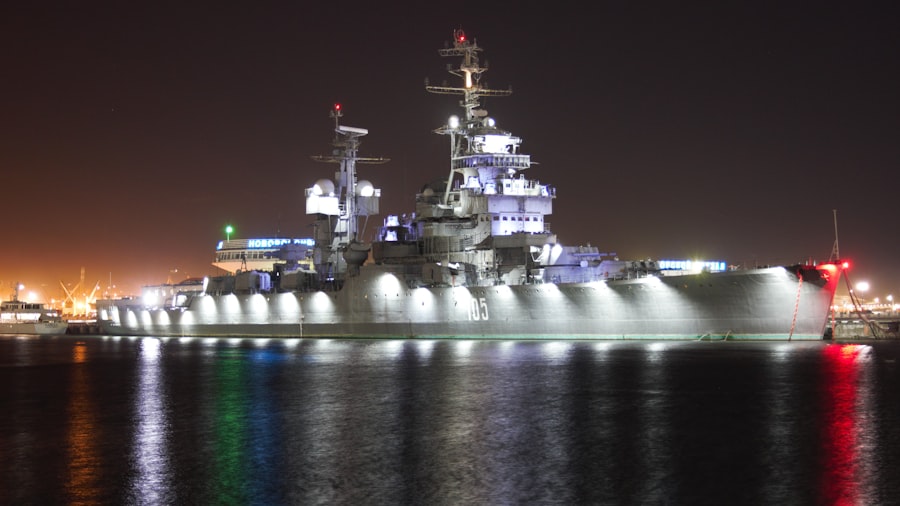
The increased Russian naval presence in the North Atlantic carries significant implications for maritime security, impacting NATO’s ability to maintain freedom of navigation and deter aggression.
Challenges to Freedom of Navigation
Potential for Interdiction and Harassment
A robust Russian naval presence, particularly submarines, can pose a challenge to the freedom of navigation for merchant shipping and military vessels. The potential for interdiction, harassment, or the creation of exclusion zones, though not actively demonstrated on a large scale, remains a persistent concern for maritime nations.
NATO’s Maritime Surveillance and Response Capabilities
Maintaining Situational Awareness
The primary objective of NATO’s tracking efforts is to maintain a high degree of situational awareness of Russian naval movements. This awareness is crucial for understanding potential threats, allocating resources effectively, and formulating appropriate responses. Without comprehensive monitoring, NATO’s ability to respond to an incident would be severely hampered.
Deterrence and Crisis Management
Signaling Intent and Capability
The visible presence of NATO naval forces in the North Atlantic, particularly in response to Russian activity, serves as a deterrent. It signals NATO’s commitment to the region and its capabilities to defend its interests. Effective tracking and monitoring are essential for informed decision-making during crises, allowing for calibrated responses that avoid escalation while ensuring security.
The Importance of Cooperative Surveillance
Interoperability and Information Sharing
Effective monitoring of the North Atlantic requires seamless cooperation and information sharing among NATO allies and partner nations. This includes standardizing procedures, utilizing interoperable communication systems, and conducting joint exercises to refine cooperative surveillance and response tactics. The ability to quickly disseminate and act upon intelligence is paramount.
Challenges in Tracking Stealthy Vessels
Technological Arms Race
Tracking modern submarines, especially those designed for stealth, presents a continuous technological challenge. Russian submarines are equipped with sophisticated noise reduction technologies and advanced countermeasures. This necessitates a constant evolution of NATO’s own detection and tracking technologies, leading to an ongoing technological arms race in the maritime domain.
Acoustic Environment and Geographical Factors
The North Atlantic presents unique challenges for acoustic detection due to its complex bathymetry, varying water temperatures, and underwater sound channels. These factors can significantly affect the performance of sonar systems and the ability of submarines to evade detection. Understanding and adapting to these environmental nuances is critical for successful tracking.
Recent developments in Russian naval activity in the North Atlantic have raised concerns among NATO allies, prompting increased surveillance and tracking efforts. A related article discusses the implications of these maneuvers and the strategic responses from Western nations. For more insights on this topic, you can read the full analysis in the article available at In the War Room.
Future Trends and Considerations
| Year | Number of Russian Naval Vessels | Number of Tracking Incidents |
|---|---|---|
| 2018 | 15 | 20 |
| 2019 | 18 | 25 |
| 2020 | 20 | 30 |
The trajectory of Russian naval activity in the North Atlantic is likely to be influenced by geopolitical developments, technological advancements, and Russia’s long-term strategic ambitions.
Continued Modernization of the Russian Navy
Investment in New Platforms and Weaponry
Russia is expected to continue investing in the modernization of its naval forces, including the development of new submarine classes, surface combatants, and advanced weapon systems. This will likely lead to increasingly sophisticated and potentially more challenging platforms to track.
The Role of Unmanned Systems
Autonomous Underwater Vehicles (AUVs) and Drones
The development and potential deployment of unmanned systems, such as autonomous underwater vehicles (AUVs) and maritime drones, could significantly alter the landscape of naval operations and surveillance. These systems have the potential to conduct extended reconnaissance missions, provide persistent monitoring, and serve as force multipliers. Their integration into both Russian and NATO naval strategies will be a key trend to watch.
Interplay with NATO’s Strategic Posture
Adaptation and Evolving Deterrence
NATO will need to continuously adapt its strategic posture and operational capabilities to address the evolving nature of Russian naval activity. This includes advancements in ISR technologies, ASW capabilities, and the maintenance of a credible and agile naval presence throughout the North Atlantic. The focus will remain on maintaining a robust deterrence and ensuring the security of vital maritime lines of communication.
Importance of Transparency and De-escalation
While vigilance is essential, fostering channels for communication and increasing transparency where possible can help to manage tensions and mitigate the risk of miscalculation. Understanding the intentions behind Russian deployments, and ensuring that NATO’s actions are clearly communicated, are important elements in navigating the complexities of naval activity in the North Atlantic. The goal remains the maintenance of a stable and secure maritime environment for all nations.
FAQs
What is the current Russian naval activity in the North Atlantic?
Russian naval activity in the North Atlantic has increased in recent years, with a noticeable uptick in submarine patrols and surface ship presence. This has raised concerns among NATO members about potential security threats and the need for increased monitoring and surveillance.
What are the reasons behind the increased Russian naval activity in the North Atlantic?
The increased Russian naval activity in the North Atlantic is seen as part of Russia’s broader military strategy to assert its presence and influence in the region. It is also seen as a response to NATO’s increased presence and exercises in the area, as well as a way for Russia to demonstrate its capabilities and test Western defenses.
How is NATO responding to the increased Russian naval activity in the North Atlantic?
NATO has responded to the increased Russian naval activity in the North Atlantic by stepping up its own monitoring and surveillance efforts. This includes increased patrols, exercises, and intelligence gathering to track and monitor Russian naval movements in the region. NATO has also emphasized the importance of maintaining a strong deterrent posture in the North Atlantic.
What are the potential implications of the increased Russian naval activity in the North Atlantic?
The increased Russian naval activity in the North Atlantic has raised concerns about potential security threats and the need for heightened vigilance among NATO members. There are also concerns about the potential for miscalculations or incidents at sea that could escalate tensions between Russia and NATO.
What are the key areas of focus for monitoring Russian naval activity in the North Atlantic?
Key areas of focus for monitoring Russian naval activity in the North Atlantic include tracking submarine patrols, surface ship movements, and potential exercises or deployments in the region. This requires a coordinated effort among NATO members to gather and analyze intelligence, as well as to maintain a strong and visible presence in the North Atlantic.