
The geopolitical landscape, a complex tapestry woven with ambition, ideology, and historical grievances, has long fascinated and challenged observers. Understanding the forces that shape international relations, the origins of conflicts, and the long-term consequences of past decisions is crucial for navigating the present and anticipating the future. In this pursuit, the “WAR ROOM Geopolitical History Documentary” series emerges as a significant offering, aiming to dissect and illuminate the intricate currents of global conflict through a historical lens. This documentary endeavors to move beyond simplistic narratives, seeking to present a nuanced and comprehensive examination of the events that have defined various eras and continue to resonate in contemporary affairs.
The “WAR ROOM” series asserts a broad ambition, aiming to encompass a wide spectrum of geopolitical events across different continents and time periods. Its purview extends from the foundational moments of nation-state formation to the intricate power plays of the 20th and 21st centuries. The documentaries within the series do not shy away from examining the underlying causes, the immediate triggers, and the lasting repercussions of significant conflicts. This approach suggests a commitment to providing viewers with a holistic understanding of how historical events have shaped the current global order.
Examining the Genesis of Modern Conflicts
A considerable portion of the “WAR ROOM” series is dedicated to tracing the origins of conflicts that continue to influence contemporary geopolitics. This often involves delving into the legacy of colonial expansion, the redrawing of borders after major wars, and the rise of new ideological forces. The documentaries seek to demonstrate that many present-day tensions have deep historical roots, and that understanding these roots is essential for comprehending current international dynamics.
The Colonial Legacy and its Enduring Impact
The series frequently returns to the impact of European colonialism, highlighting how the arbitrary division of territories and the imposition of foreign rule created fertile ground for future instability. Episodes might explore the scramble for Africa, the partitioning of the Middle East, and the varied paths to decolonization, underscoring how these historical processes continue to fuel ethnic tensions, resource disputes, and political fragmentation in many regions.
The Scars of World Wars
The two World Wars are often presented as pivotal moments in shaping the modern geopolitical order, and the “WAR ROOM” series dedicates significant attention to their immediate and long-term consequences. The redrawing of European and Middle Eastern maps, the rise of new superpowers, and the ideological battles forged in this period are meticulously examined. The series aims to illustrate how the unresolved issues and power vacuums left by these wars contributed to subsequent conflicts and the prolonged Cold War.
The Cold War: A Bifocal Examination
The rivalry between the United States and the Soviet Union, a defining feature of the late 20th century, is a central theme in the “WAR ROOM” series. The documentaries explore the ideological clash, the proxy wars fought across the globe, and the constant threat of nuclear annihilation. The aim is to provide a detailed account of this period, highlighting its complexities and its profound impact on global affairs.
The Ideological Divide and its Manifestations
The series delves into the core tenets of capitalism and communism, examining how these competing ideologies fueled not only a superpower rivalry but also influenced internal politics and social movements worldwide. The documentaries likely explore how this ideological struggle manifested in various proxy conflicts, from Korea and Vietnam to Afghanistan, and how it shaped the alliances and divisions that characterized the Cold War era.
Proxy Wars and Regional Instability
A significant aspect of the “WAR ROOM” series involves the analysis of proxy wars. These conflicts, where major powers supported opposing sides without engaging in direct combat, became a hallmark of the Cold War. The documentaries likely meticulously detail instances like the Korean War, the Vietnam War, and conflicts in parts of Africa and Latin America, demonstrating how these engagements exacerbated existing regional tensions and left lasting scars on the involved nations and their populations.
The Nuclear Shadow: Deterrence and Paranoia
The ever-present threat of nuclear war is another crucial element explored by the series. The documentaries are expected to examine the development of nuclear arsenals, the doctrine of Mutually Assured Destruction (MAD), and the constant state of paranoia that permeated international relations. The series aims to highlight the delicate balance of power and the psychological toll of living under the constant shadow of global catastrophe.
For those interested in the intricate dynamics of geopolitical history, the documentary The WAR Room offers a compelling exploration of the strategies and decisions that have shaped global conflicts. To further enhance your understanding of this subject, you may want to check out a related article that delves into the historical context and implications of these geopolitical maneuvers. You can find it here: The WAR Room Article.
Deconstructing Major Geopolitical Conflicts
Beyond the overarching historical narratives, “WAR ROOM” dedicates substantial runtime to dissecting specific, defining conflicts. These deep dives aim to unpack the intricate web of factors that led to war, the strategies employed by belligerents, and the profound human and societal consequences. The selection of conflicts appears to be guided by their significance in shaping regional dynamics and influencing global power structures.
The Middle East: A Crucible of Conflict
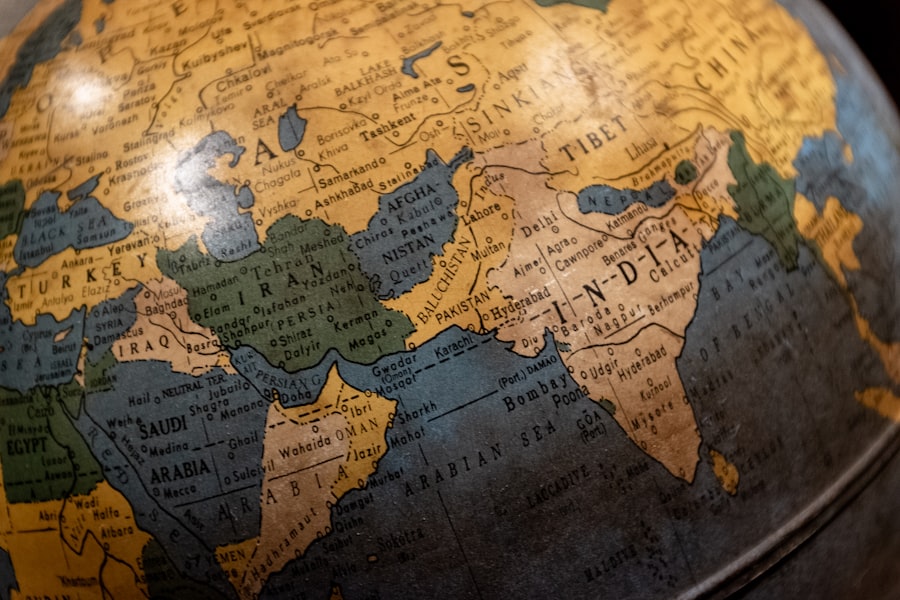
The Middle East, a region frequently beset by conflict, is a recurring focus within the “WAR ROOM” series. The documentaries explore the complex interplay of oil, religion, nationalism, and external intervention that has characterized the region for decades. The series attempts to untangle the historical grievances and the geopolitical rivalries that continue to fuel instability.
The Aftermath of the Ottoman Empire
The dissolution of the Ottoman Empire after World War I and the subsequent redrawing of borders by colonial powers are frequently cited as a primary source of contemporary Middle Eastern woes. The “WAR ROOM” series likely analyzes how the Sykes-Picot Agreement and the Balfour Declaration laid the groundwork for future territorial disputes and nationalistic aspirations that have often clashed.
The Arab-Israeli Conflict: A Persistent Challenge
The Arab-Israeli conflict is presented as a particularly significant and enduring challenge within the region. The documentaries are expected to trace its origins from the early 20th century, examining the competing claims to land, the waves of displacement, and the cyclical nature of warfare and peace efforts. The series aims to provide a balanced historical perspective on this deeply entrenched dispute.
The Rise of Political Islam and regional Power Struggles
The series also addresses the rise of political Islam as a significant force in the region and the ensuing power struggles. This could involve examining the Iranian Revolution, the emergence of groups like Al-Qaeda and ISIS, and the proxy conflicts that have played out between regional powers like Saudi Arabia and Iran. The documentary aims to explore the ideological motivations and geopolitical ambitions driving these phenomena.
Conflicts in Asia: From Cold War Battlegrounds to Modern Tensions
The Asian continent, with its diverse political systems and long histories, has been the site of numerous significant conflicts. The “WAR ROOM” series dedicates considerable attention to these events, exploring how they were shaped by decolonization, ideological struggles, and the rise of new powers.
The Korean War: A Frozen Conflict and its Legacies
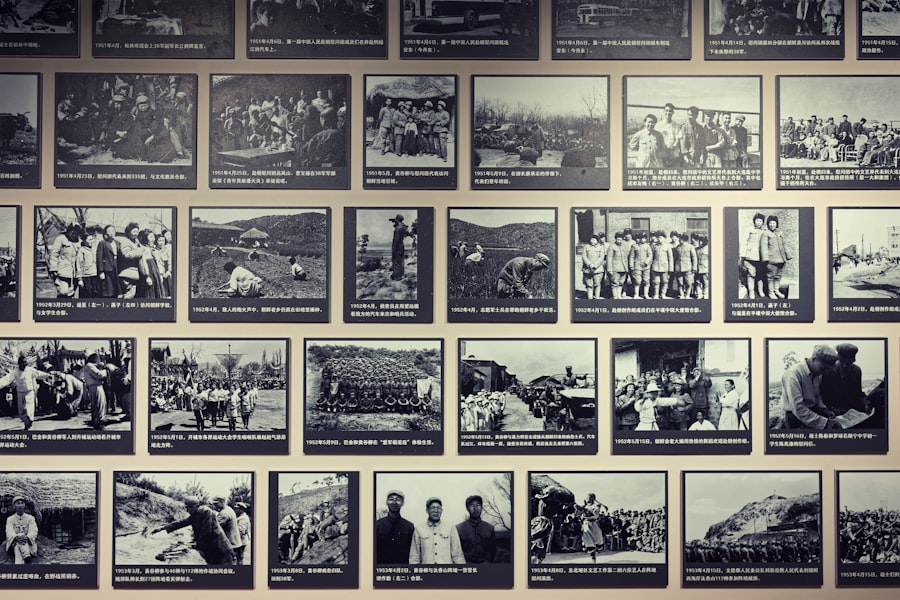
The Korean War is undoubtedly a focal point, representing one of the most direct military confrontations of the Cold War. The series likely details the origins of the division of Korea, the intervention of external powers, and the devastating human cost of the conflict. It would also explore the ongoing implications of this conflict for regional security and inter-Korean relations.
The Vietnam War: A Defining Struggle and its Global Impact
The Vietnam War is another conflict that receives substantial attention, recognized for its profound impact on the United States, Vietnam, and the broader geopolitical landscape. The documentaries are expected to cover the historical context of French colonialism, the rise of Vietnamese nationalism, the involvement of the superpowers, and the protracted and brutal nature of the war, alongside its enduring social and political repercussions.
The Rise of China and Emerging Geopolitical Shifts
More contemporary geopolitical shifts are also likely addressed, particularly the rise of China as a global power. The series may examine China’s historical trajectory, its economic ascent, and its increasing assertiveness in regional and international affairs. This could involve discussions on territorial disputes in the South China Sea, the Belt and Road Initiative, and the evolving dynamics of power in the Indo-Pacific.
The Mechanics of Warfare: Strategy and Technology
Beyond the purely political and historical dimensions, the “WAR ROOM” series also delves into the practicalities of warfare, examining the strategic decisions made by military leaders and the evolution of military technology. This aspect provides a crucial understanding of how conflicts are fought and their impact on the battlefield and beyond.
Evolution of Military Strategy: From Blitzkrieg to Asymmetric Warfare
The documentaries likely trace the development of military strategies across different eras. This could include examinations of the effectiveness of Blitzkrieg tactics in World War II, the development of counter-insurgency strategies, and the adaptions made by various forces to engage in asymmetric warfare. The series aims to illustrate how strategic thinking has evolved in response to changing technological capabilities and the nature of conflict itself.
The Impact of Technological Advancements on Warfare
Technological innovation is an undeniable driver of conflict. The “WAR ROOM” series is expected to explore how advancements in weaponry, communication, and logistics have altered the face of warfare. From the introduction of tanks and aircraft in World War I to the development of precision-guided munitions and cyber warfare in modern conflicts, the documentaries aim to highlight how technology has both escalated and, at times, potentially limited the scope of engagements.
The Human Cost of Innovation: Ethical Dilemmas in Warfare
While technology can offer tactical advantages, it also presents profound ethical dilemmas. The series may touch upon the moral implications of new weapons technologies, the challenges of distinguishing combatants from civilians in modern warfare, and the psychological toll on soldiers. The aim is to encourage critical reflection on the human cost of technological advancement in the context of conflict.
The Unseen Currents: Espionage and Diplomacy in Conflict
Geopolitical conflicts are rarely decided solely on the battlefield. The “WAR ROOM” series also acknowledges the critical, often clandestine, roles played by espionage and diplomacy in shaping the course of events and preventing or escalating hostilities.
The Shadow War: Espionage and Intelligence Gathering
The world of intelligence agencies and covert operations is a vital, albeit often hidden, aspect of geopolitical maneuvering. The documentaries are likely to explore the crucial role of espionage in gathering intelligence, influencing political outcomes, and shaping strategic decisions. This could involve examining the operations of agencies like the CIA, KGB, and MI6, and their involvement in various historical events.
The Art of Diplomacy: Negotiation, Alliances, and Peace Treaties
Diplomacy, the formal process of communication and negotiation between states, is the antithesis of warfare, yet intimately connected to it. The series likely examines instances where diplomacy succeeded in averting conflict, forging alliances, and establishing lasting peace. Conversely, it may also analyze the failures of diplomacy, leading to the outbreak or continuation of hostilities. The complex negotiations leading to peace treaties and the establishment of international organizations like the United Nations would likely be explored.
The Role of International Organizations in Maintaining Peace
The establishment of international organizations like the United Nations is a direct response to the devastating consequences of global conflicts. The “WAR ROOM” series may assess the effectiveness and limitations of these bodies in mediating disputes, enforcing international law, and promoting collective security. The documentaries would likely explore the challenges inherent in achieving consensus among member states with diverse national interests.
In exploring the intricate dynamics of global power struggles, the documentary The WAR Room offers a compelling look at key historical events that have shaped modern geopolitics. For those interested in delving deeper into the subject, a related article on the impact of Cold War strategies can provide valuable insights into the motivations behind various political maneuvers. You can read more about this fascinating topic in the article available here.
Reflecting on the Present and Future: Lessons from History
| Episode | Topic | Year | Duration |
|---|---|---|---|
| 1 | World War I | 2018 | 60 minutes |
| 2 | World War II | 2019 | 45 minutes |
| 3 | Cold War | 2020 | 50 minutes |
The ultimate purpose of examining historical conflicts, as presented in the “WAR ROOM” series, is to derive lessons that can inform contemporary understanding and future decision-making. The documentaries aim to provide a framework for analyzing current geopolitical challenges by drawing parallels with past events.
Identifying Recurring Patterns in Global Instability
A key takeaway from the “WAR ROOM” series is the identification of recurring patterns in geopolitical instability. The documentaries likely highlight how factors such as resource competition, ideological clashes, and historical grievances tend to resurface, albeit in different forms, across different epochs and regions. Recognizing these patterns can offer a predictive element, allowing for a more informed approach to current crises.
The Dangers of Nationalist Extremism and Unresolved Grievances
The series likely underscores the persistent dangers posed by nationalist extremism and the failure to adequately address historical grievances. Episodes may demonstrate how the suppression or neglect of legitimate national aspirations and past injustices can fester, eventually erupting into violent conflict. The importance of reconciliation and addressing root causes of instability are likely emphasized.
The Imperative of Understanding for Conflict Resolution
Ultimately, the “WAR ROOM Geopolitical History Documentary” series implicitly champions the imperative of understanding for effective conflict resolution. By meticulously dissecting the origins, conduct, and consequences of past global conflicts, the documentaries aim to equip viewers with the knowledge and analytical tools necessary to engage with the complex geopolitical challenges of the present and to work towards a more stable future. The series suggests that a profound grasp of history is not merely an academic exercise but a vital necessity for navigating the precarious landscape of international relations.
FAQs
What is The WAR Room documentary about?
The WAR Room documentary is a geopolitical history series that explores the complex and often tumultuous relationships between nations and the impact of war on global politics.
Who is the target audience for The WAR Room documentary?
The target audience for The WAR Room documentary is individuals interested in history, geopolitics, and international relations. It appeals to those who seek a deeper understanding of the historical events that have shaped the modern world.
How many episodes are there in The WAR Room documentary series?
The WAR Room documentary series consists of 10 episodes, each focusing on a different geopolitical event or conflict that has had a significant impact on global history.
What makes The WAR Room documentary unique compared to other geopolitical history documentaries?
The WAR Room documentary stands out for its in-depth analysis of historical events, its focus on the geopolitical implications of war, and its use of archival footage and expert interviews to provide a comprehensive understanding of the subject matter.
Where can I watch The WAR Room documentary?
The WAR Room documentary is available for streaming on various platforms, including online streaming services, DVD, and Blu-ray. Viewers can also check with their local television networks for broadcast schedules.