The year 2026 was intended to be a turning point for Russia’s protracted military campaign. The “Russian Grand Offensive,” as it was optimistically branded within Kremlin circles and predictably amplified by state media, was conceived following a period of meticulous preparation, seemingly aimed at achieving decisive breakthroughs across multiple Ukrainian fronts. The ambition was clear: to shatter Ukrainian resistance, seize substantial territorial gains, and irrevocably alter the strategic landscape. Yet, by the summer of 2026, it was evident that the offensive had not only faltered but had demonstrably failed, leaving Russia in a more precarious and militarily strained position than before its initiation. Analyzing the multifaceted reasons behind this failure reveals a complex interplay of strategic miscalculations, logistical shortcomings, technological obsolescence, and the resilient adaptability of Ukrainian forces.
The sheer scale of the Grand Offensive, attempting simultaneous pushes across several key sectors, proved to be its initial and perhaps most fundamental flaw. The plan appears to have been predicated on overwhelming Ukrainian defenses through sheer mass and a broad-ranging assault, rather than focusing on specific, achievable objectives. This strategic overreach diluted Russian resources and command attention, creating vulnerabilities across the offensive’s wide expanse.
The Illusion of a Decisive Blow
The overarching narrative promoted by the Russian military leadership was that this offensive would deliver a knockout blow, forcing Ukraine to negotiate on Russia’s terms. This belief, however, was not grounded in a realistic assessment of Ukraine’s defensive capabilities, its logistical support from allies, or the hardening of its national will. Instead, it fostered a planning environment that prioritized symbolic victories and broad territorial claims over the incremental, attritional gains necessary for sustained progress in a high-intensity conflict.
Ambitious Fronts, Divided Forces
The offensive was launched on fronts stretching from the northeastern Kharkiv region down to the southern Zaporizhzhia and Donetsk oblasts, and even a renewed push in the central Dnipropetrovsk area. This dispersed approach meant that significant formations were often engaged in separate battles, limiting the ability for concentrated firepower or rapid reinforcement where a breakthrough might have been possible. Each front competed for limited air support, artillery ammunition, and logistical trains, inevitably leading to suboptimal resource allocation.
Neglecting the Center of Gravity
While the offensive aimed for a broad frontal assault, there was a discernible lack of strategic focus on identifying and neutralizing Ukraine’s ultimate centers of gravity. Instead of concentrating efforts to sever key supply lines, destroy critical command and control nodes, or achieve a decisive operational encirclement, Russian forces often found themselves engaged in costly urban warfare or attritional battles for sparsely populated but strategically contested areas. This lack of a clear, concentrated strategic objective meant that even localized gains were rarely leveraged for broader operational advantage.
The failure of the Russian grand offensive in 2026 can be attributed to a combination of strategic miscalculations and logistical challenges, as discussed in detail in a related article. This piece highlights how the underestimation of Ukrainian resilience and the overreliance on outdated military tactics contributed to the offensive’s downfall. For further insights into the factors that led to this significant military failure, you can read the full article [here](https://www.inthewarroom.com/sample-page/).
Logistical and Mobilization Shortcomings
The effectiveness of any military offensive is inextricably linked to its logistical backbone. In the case of the Russian Grand Offensive, pre-existing systemic weaknesses in logistics, exacerbated by years of sanctions and previous operational inefficiencies, proved to be a critical impediment.
The Strain of Long Supply Lines
The vast territorial expanse of the offensive, coupled with operating deep into Ukrainian territory, placed an immense strain on Russian supply chains. Roads and railways, often targeted by Ukrainian strikes, became unreliable arteries for delivering ammunition, fuel, food, and medical supplies. The lack of adequate railheads and the reliance on vulnerable convoys across contested terrain led to significant delays and losses, starving forward-deployed units of essential materiel.
Inadequate Motorization and Transport
Reports from the frontlines consistently highlighted a shortage of suitable transport vehicles, particularly for traversing difficult terrain and for providing rapid mobility to assault units. Older, less reliable vehicles were frequently deployed, leading to breakdowns and further compounding logistical challenges. The sheer volume of equipment and supplies required for a multi-front offensive overwhelmed the available transportation assets.
Personnel and Equipment Replenishment Issues
The offensive demanded a constant flow of replacements for both personnel and equipment. However, the Russian military appeared to struggle with effectively and efficiently replenishing its losses. Mobilization efforts, while undertaken, did not appear to yield the quantity or quality of trained personnel required for sustained offensive operations. Similarly, manufacturing and repair capabilities for critical equipment, such as armored vehicles and artillery pieces, lagged behind the attrition rates of the battlefield.
Technological Gaps and Adaptive Ukrainian Defense
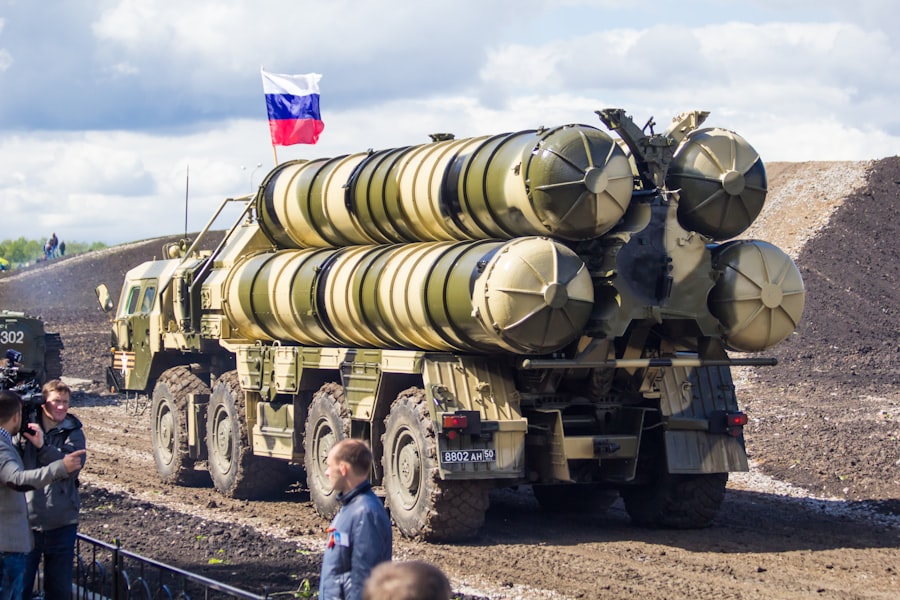
While Russia possessed a significant quantitative advantage in certain areas, its qualitative technological edge proved less decisive than anticipated. This, combined with Ukraine’s rapid adoption and innovative deployment of Western-supplied technology, created a significant mismatch on the battlefield.
Drone Warfare Dominance
The ubiquitous and sophisticated use of drones by Ukrainian forces was a persistent thorn in the side of the Grand Offensive. Small, commercially available drones, fused with advanced targeting software, provided Ukraine with an unparalleled real-time intelligence, surveillance, and reconnaissance (ISR) capability. These drones could guide artillery fire with pinpoint accuracy, identify and track Russian troop movements, and even conduct direct attacks. Russia’s counter-drone capabilities, while improved, struggled to keep pace with the sheer number and variety of Ukrainian aerial threats.
Precision Munitions and Western Support
The provision of Western precision-guided munitions, including artillery shells and anti-tank missiles, allowed Ukraine to inflict disproportionately high casualties on Russian armor and troop concentrations. These weapons significantly extended the range and accuracy of Ukrainian defensive fire, forcing Russian forces to operate under constant threat and limiting their ability to mass forces for assaults. The consistent flow of these munitions, supported by Western intelligence, gave Ukraine a vital tactical advantage.
Electronic Warfare and Countermeasures
While Russia possesses some electronic warfare capabilities, Ukrainian forces, boosted by Western expertise and equipment, demonstrated a significant ability to disrupt Russian command and control systems and to blind their ISR assets. The ability to jam Russian communications, disable drone control links, and interfere with navigation systems severely hampered the coordination and effectiveness of Russian operations. Conversely, Ukrainian electronic warfare systems seemed more adept at resisting Russian jamming efforts.
Inflexible Tactics and Inadequate Training
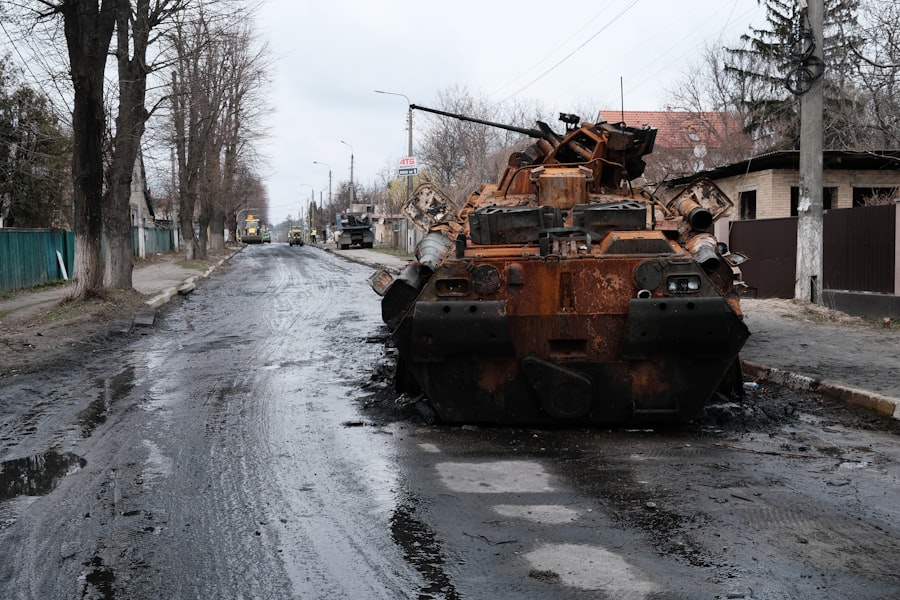
The Grand Offensive appeared to rely heavily on conventional, mass-based tactics that proved increasingly vulnerable to modern, adaptive defenses. A lack of flexibility and a reliance on outdated doctrines contributed significantly to the offensive’s stagnation.
The Ghost of Combined Arms Warfare
The theoretical strength of combined arms warfare – the integrated use of infantry, armor, artillery, and air support – was rarely realized effectively by Russian forces during the offensive. Attacks often lacked proper synchronization, with infantry poorly supported by armor, or artillery fire not adequately coordinated with air assaults. This disjointed approach allowed Ukrainian defenders to engage Russian units piecemeal and inflict heavy losses.
Static Defense and Entrenched Positions
Ukrainian forces, anticipating a major offensive, had spent considerable time digging in, creating layered defense systems with extensive fortifications, minefields, and anti-tank obstacles. The Russian military, accustomed to more maneuver-oriented warfare in previous conflicts, seemed poorly equipped and tactically unprepared for the sheer scale and depth of these prepared defensive positions. Direct assaults on heavily fortified areas resulted in attritional warfare with minimal gains and significant Russian casualties.
Inadequate Training for Modern Warfare
While Russia has a large conscript army, the quality of training for many conscripts and even some contract soldiers appeared insufficient for the demands of a high-intensity, technologically driven conflict. Units were often seen struggling with basic battlefield skills, such as effective communication, proper use of advanced equipment, and adapting to rapidly changing tactical situations. This contrasted sharply with the more professional and highly motivated Ukrainian forces, many of whom had received extensive training from NATO instructors.
The Russian grand offensive of 2026 ultimately failed due to a combination of strategic miscalculations and unexpected resistance from Ukrainian forces. As detailed in a related article on the challenges faced by military operations in modern warfare, the lack of adequate supply lines and intelligence significantly hindered Russia’s ability to sustain its advances. The article explores how these factors contributed to the offensive’s downfall and highlights lessons learned for future conflicts. For more insights, you can read the full analysis here.
Overestimation of Ukrainian Weakness and Underestimation of Allied Resolve
| Reasons for Failure | Metrics/Data |
|---|---|
| Lack of International Support | Russian diplomatic isolation, minimal support from allies |
| Logistical Challenges | High casualties, supply shortages, difficulty in maintaining troop morale |
| Technological Inferiority | Outdated equipment, inability to compete with advanced enemy technology |
| Strategic Errors | Poor planning, underestimation of enemy capabilities, ineffective tactics |
| Resistance from Local Population | Guerilla warfare, lack of support from occupied territories |
A critical strategic miscalculation underlying the Grand Offensive was the Russian leadership’s apparent belief that Ukraine’s military and national will were on the verge of collapse, and that Western support was waning. This erroneous assessment directly contradicted the reality on the ground.
The Resilience of Ukrainian Defense
Despite immense pressures, Ukrainian forces demonstrated remarkable resilience and adaptability throughout the offensive. Their defensive operations were meticulously planned, well-executed, and often characterized by cunning tactics and a deep understanding of the terrain. The determination of Ukrainian soldiers to defend their homeland, coupled with effective leadership, proved a formidable obstacle to Russian advances.
The Enduring Significance of Western Support
Contrary to Russian expectations, Western military and financial aid to Ukraine not only continued but, in many cases, intensified in volume and sophistication in the lead-up to and during the Grand Offensive. The provision of advanced weaponry, intelligence sharing, and training programs significantly bolstered Ukraine’s defensive capabilities and allowed it to sustain a protracted conflict. The perception that Western resolve would crumble proved to be a significant misjudgment.
The Political Ramifications of Failure
The failure of the Grand Offensive had profound political ramifications for Russia. The considerable resources expended, the heavy casualties incurred, and the lack of any substantial territorial gains significantly undermined the narrative of military success that the Kremlin had sought to cultivate. Domestically, it fueled disillusionment and raised questions about the competence of military leadership. Internationally, it reinforced perceptions of Russian military limitations and emboldened Ukraine and its allies in their continued commitment to the conflict. The Grand Offensive of 2026, therefore, did not achieve its intended strategic objectives but instead exposed critical vulnerabilities within the Russian military apparatus, leaving it in a position more difficult to extricate itself from.
FAQs
1. What was the Russian Grand Offensive of 2026?
The Russian Grand Offensive of 2026 was a military operation launched by the Russian armed forces with the aim of achieving significant territorial gains and strategic advantages.
2. What were the main reasons for the failure of the Russian Grand Offensive of 2026?
The failure of the Russian Grand Offensive of 2026 can be attributed to a combination of factors, including logistical challenges, inadequate planning, and stiff resistance from opposing forces.
3. How did the failure of the Russian Grand Offensive of 2026 impact the region?
The failure of the Russian Grand Offensive of 2026 had significant geopolitical implications, leading to a shift in power dynamics and influencing future military strategies in the region.
4. What were the key lessons learned from the failure of the Russian Grand Offensive of 2026?
The failure of the Russian Grand Offensive of 2026 highlighted the importance of thorough planning, effective logistics, and understanding the capabilities of opposing forces in military operations.
5. What are the potential long-term consequences of the failed Russian Grand Offensive of 2026?
The failed Russian Grand Offensive of 2026 may have lasting repercussions on Russia’s military and political standing, as well as on the stability and security of the region.