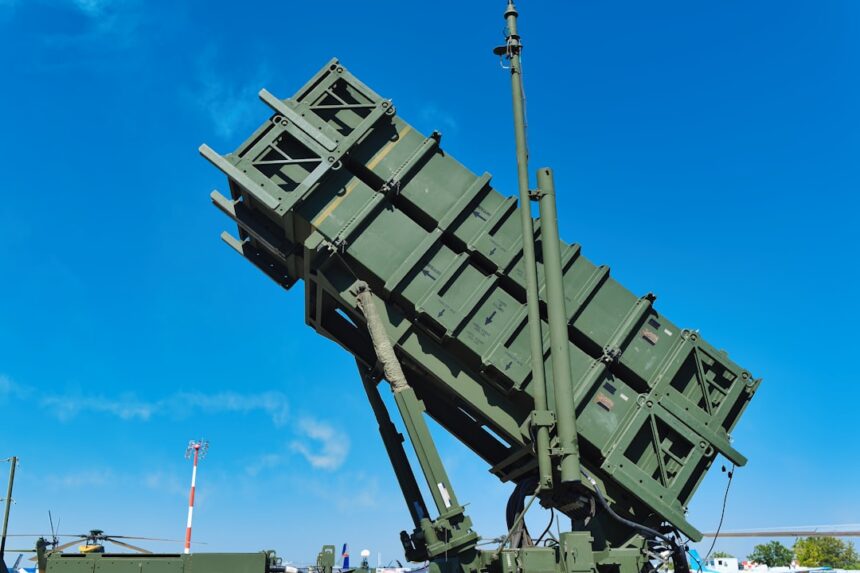
Lockheed Martin’s Patriot Missile Production in 2026
As the global geopolitical landscape continues to evolve, the demand for advanced air and missile defense systems remains a significant factor in national security strategies. Among these systems, the Patriot missile, manufactured by Lockheed Martin, stands as a prominent example of established and continually updated defensive technology. The year 2026 is projected to be a period of continued, carefully managed production for the Patriot system, reflecting a complex interplay of existing contracts, evolving threats, and strategic modernization efforts.
The production of the Patriot missile system is not a monolithic entity but rather a multifaceted operation involving numerous suppliers, subcontractors, and internal manufacturing processes. By 2026, Lockheed Martin will have a well-established rhythm for producing various components and integrating them into complete batteries. This involves the ongoing manufacture of interceptor missiles, engagement control stations, radar systems, and associated support equipment. The scale and pace of this production are directly influenced by international sales agreements, domestic procurement priorities, and the long-term sustainment needs of fielded systems.
The production levels for Patriot in 2026 are a direct consequence of decades of development and deployment. While the system is a mature technology, its ongoing relevance is underscored by a persistent global demand. This demand is not solely driven by new system acquisitions but also by the need to replenish expended interceptors and to upgrade existing Patriot batteries with newer configurations.
Existing Contracts and Long-Term Commitments
Lockheed Martin operates under substantial, multi-year contracts with both the U.S. Department of Defense and numerous allied nations. These contracts often span
several years, providing a predictable baseline for production planning. In 2026, the company will be fulfilling orders for previously negotiated agreements. These typically include provisions for a certain number of interceptor missiles per year, along with associated support and upgrades. The stability of these long-term commitments is crucial for maintaining the expertise and infrastructure required for Patriot production.
Evolving Threat Landscape Assessment
The ongoing evolution of airborne threats, ranging from advanced fighter aircraft and cruise missiles to increasingly sophisticated ballistic missiles, directly influences the demand for Patriot. Intelligence assessments and military planners constantly evaluate the efficacy of existing defenses against emerging capabilities. This evaluation can lead to increased demand for interceptors that are designed to counter specific new threats or to bolster existing stockpiles to meet perceived heightened risks. The geographical distribution of global flashpoints also plays a significant role in directing deployment and, consequently, production priorities.
Regional Instability and Strategic Alliances
Geopolitical instability in various regions of the world has a direct impact on defense spending and procurement decisions. Nations facing immediate or potential threats often prioritize robust air and missile defense capabilities. Countries integrated into strategic alliances, such as NATO, also adhere to common defense modernization goals, which can translate into synchronized procurement of systems like Patriot. By 2026, regional dynamics in Eastern Europe, the Middle East, and parts of Asia are likely to continue to exert influence on the order books for Lockheed Martin’s air defense systems.
Lockheed Martin’s production of the Patriot missile system is set to ramp up significantly by 2026, reflecting the increasing demand for advanced defense technologies in response to global security challenges. For a deeper understanding of the implications of this production increase and its impact on military readiness, you can read a related article that discusses the strategic importance of missile defense systems in modern warfare. Check it out here: related article.
Technological Advancements and Modernization Programs
While the core Patriot system has been in service for a considerable time, Lockheed Martin has consistently invested in its modernization. These upgrades are not merely incremental; they often involve significant technological advancements that enhance the system’s capabilities and extend its operational lifespan. By 2026, production will be actively incorporating these advancements across various components.
Patriot Advanced Capability (PAC-3) Variants
The PAC-3 missile family represents the most advanced iteration of the Patriot interceptor. Production in 2026 will likely focus on the most recent variants, such as the PAC-3 MSE (Missile Segment Enhancement). The MSE variant offers enhanced hit-to-kill capabilities, a larger propellant motor for extended range and altitude, and improved maneuverability. The production lines for these advanced interceptors are subject to ongoing refinement to ensure efficient manufacturing of increasingly complex components.
Radar and Engagement Control System Upgrades
Beyond the interceptor missiles themselves, the Patriot system comprises sophisticated radar arrays and engagement control stations. Modernization efforts often focus on upgrading these components to improve detection ranges, target discrimination, and engagement coordination. By 2026, production may involve the integration of newer radar components or the manufacturing of upgraded engagement control stations for existing fielded systems. This ensures that the entire Patriot battery operates cohesively with the latest technological innovations.
Open Architecture and Software Enhancements
A significant trend in military hardware development is the adoption of open architecture principles, allowing for easier integration of new technologies and software updates. Lockheed Martin has been working to incorporate these principles into the Patriot system. In 2026, production might include systems that are built with more open architectures, facilitating future upgrades. Furthermore, ongoing software development to enhance target tracking algorithms, threat assessment capabilities, and communication protocols will be a continuous element of the overall modernization effort, impacting how hardware is produced and integrated.
Manufacturing Processes and Supply Chain Management
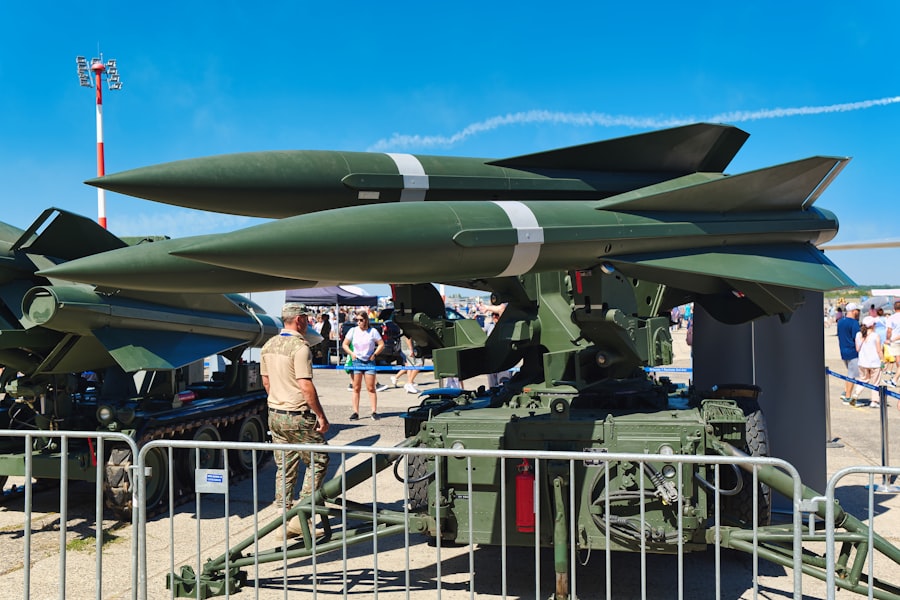
The production of a complex defense system like Patriot relies on a highly sophisticated manufacturing infrastructure and a meticulously managed global supply chain. By 2026, Lockheed Martin will have optimized these processes to maintain efficiency, quality, and resilience.
Component Manufacturing and Assembly
The physical assembly of Patriot missiles and associated hardware occurs at various Lockheed Martin facilities and those of its key subcontractors. This involves precision manufacturing of intricate components, including seeker heads, guidance systems, warheads, and structural elements for the missiles, as well as the complex electronics and mechanical systems for radar and control stations. By 2026, these manufacturing processes will be characterized by mature automation and stringent quality control measures, designed to meet the high reliability standards demanded for such critical systems.
Global Supplier Network and Dependencies
Lockheed Martin’s production of Patriot is intrinsically linked to a global network of suppliers who provide specialized components, raw materials, and subassemblies. These suppliers range from established aerospace firms to niche manufacturers specializing in advanced electronics or materials science. In 2026, the company will continue to manage this extensive network, focusing on ensuring the reliability and security of its supply lines. Diversification of suppliers for critical components is a likely strategy to mitigate risks associated with geopolitical shifts or disruptions.
Quality Control and Assurance Protocols
The operational integrity of the Patriot missile system is paramount. Therefore, extensive quality control and assurance protocols are embedded throughout the entire manufacturing process. From the inspection of raw materials to the final testing of assembled systems, rigorous checks and balances are in place. By 2026, these protocols will continue to be refined, incorporating advanced testing methodologies and data analytics to identify and address potential issues proactively. This ensures that every Patriot missile that leaves the production line meets the highest standards of performance and reliability.
Workforce and Skill Development

The human element remains critical to the success of any advanced manufacturing operation. By 2026, Lockheed Martin’s Patriot production will depend on a skilled and experienced workforce, with ongoing efforts focused on training and retaining talent.
Skilled Labor Requirements
The manufacturing of Patriot requires a diverse range of skilled professionals, including engineers, technicians, machinists, electricians, and quality assurance specialists. The complexity of the components and the precision required for assembly necessitate a highly trained workforce. By 2026, Lockheed Martin will likely continue to face the challenge of attracting and retaining such skilled labor, especially in competitive sectors like advanced manufacturing.
Training and Education Initiatives
To address the need for skilled personnel, Lockheed Martin implements various training and education initiatives. These range from apprenticeship programs and on-the-job training to partnerships with educational institutions for specialized courses. By 2026, these initiatives will continue to be a focus, ensuring that the workforce possesses the necessary expertise to handle the evolving technologies and manufacturing processes associated with the Patriot system. This includes training on new software, automation, and advanced materials.
Knowledge Transfer and Succession Planning
As experienced personnel approach retirement, knowledge transfer and succession planning become increasingly important. By 2026, robust programs will be in place to ensure that the expertise of veteran employees is effectively passed on to newer generations of workers. This involves mentorship, documentation of best practices, and structured training programs designed to bridge any potential knowledge gaps and maintain operational continuity for Patriot production.
Lockheed Martin is set to ramp up production of the Patriot missile system by 2026, a move that reflects the growing demand for advanced missile defense capabilities in various regions around the world. This increase in production is crucial for enhancing national security and supporting allied nations in their defense strategies. For more insights on the implications of this development, you can read a related article on the topic at In The War Room, which delves into the strategic importance of missile defense systems in contemporary military operations.
Future Outlook and Sustaining Production
| Component | Production Quantity |
|---|---|
| Patriot Missile Launchers | 100 |
| Patriot Missiles | 2000 |
| Control Section Modification Kits | 500 |
| Guidance Enhanced Missile-Tactical (GEM-T) | 800 |
The year 2026 serves as a point in a continuous production cycle for the Patriot missile system. The long-term sustainability of this production will be shaped by ongoing strategic decisions, technological evolution, and the persistent global security environment.
Sustaining Engineering and Lifecycle Support
Beyond initial production, Lockheed Martin provides extensive lifecycle support for fielded Patriot systems. This includes logistics, maintenance, repair, and upgrades. By 2026, a significant portion of the company’s efforts related to Patriot will be dedicated to sustaining engineering and ensuring the long-term operational readiness of existing batteries. This involves the continued production of spare parts and the integration of upgrades to maintain relevance.
Potential for New Markets and Evolving Threats
While many established customers continue to procure or upgrade their Patriot systems, the potential for new market penetration remains. As new nations develop their air defense capabilities or face evolving threat assessments, they may consider systems like Patriot. By 2026, Lockheed Martin will undoubtedly be exploring these opportunities, while also adapting its production capabilities and product offerings in response to emerging defense requirements and the dynamic nature of global security challenges. The constant evolution of threats from state and non-state actors will continue to fuel the need for such defensive capabilities.
Research and Development Investment for Future Generations
While Patriot is a current operational system, defense manufacturers like Lockheed Martin are constantly investing in research and development to anticipate the threats of tomorrow. By 2026, this R&D will likely be focused on concepts and technologies that could inform future generations of air and missile defense systems. This long-term vision ensures that the essential elements of capability development and manufacturing expertise are preserved and advanced, even as current systems remain in production. The lessons learned from producing and maintaining Patriot will undoubtedly inform the development of its successors.
FAQs
What is the current status of Lockheed Martin’s Patriot missile production in 2026?
Lockheed Martin’s Patriot missile production in 2026 is ongoing, with the company continuing to fulfill orders for the advanced air and missile defense system.
What are the key features of the Lockheed Martin Patriot missile?
The Lockheed Martin Patriot missile is a long-range, all-weather air defense system designed to protect against a variety of threats, including aircraft, tactical ballistic missiles, and cruise missiles.
How does the production of the Lockheed Martin Patriot missile contribute to national defense?
The production of the Lockheed Martin Patriot missile contributes to national defense by providing advanced air and missile defense capabilities to military forces around the world, helping to protect against evolving threats.
What are the anticipated future developments for the Lockheed Martin Patriot missile?
Lockheed Martin is continuously working to enhance the capabilities of the Patriot missile system, with ongoing efforts to improve its range, accuracy, and effectiveness against emerging threats.
What is the significance of Lockheed Martin’s continued production of the Patriot missile in 2026?
Lockheed Martin’s continued production of the Patriot missile in 2026 underscores the ongoing demand for advanced air and missile defense systems and the company’s commitment to meeting the needs of military forces worldwide.