The Type XXI U-Boat, a product of German engineering during World War II, marked a significant turning point in submarine design and warfare. Developed in the latter years of the conflict, this class of submarine was intended to address the shortcomings of earlier models and to provide the Kriegsmarine with a formidable underwater vessel capable of operating effectively against Allied forces.
As the war progressed, the need for a more advanced submarine became increasingly apparent. The Allies had developed effective countermeasures against conventional U-Boats, leading to heavy losses for the German fleet. In response, engineers and designers at the German naval command sought to create a vessel that could operate submerged for extended periods, evade detection, and strike with lethal precision.
The result was the Type XXI U-Boat, which would ultimately redefine the capabilities and roles of submarines in naval operations.
Key Takeaways
- The Type XXI U-Boat was a revolutionary submarine design developed by Nazi Germany during World War II.
- Its advanced technology and streamlined design had a significant impact on submarine warfare and post-war submarine development.
- The Type XXI U-Boat played a crucial role in naval history and contributed to the Allied victory in World War II.
- Its technological advancements and influence on modern submarine design have left a lasting legacy in naval strategy and warfare.
- The lasting significance of the Type XXI U-Boat is evident in its impact on naval history and its influence on modern submarine design and naval strategy.
The Revolutionary Design of the Type XXI U-Boat
The design of the Type XXI U-Boat was groundbreaking, characterized by its streamlined hull and advanced hydrodynamics. Unlike its predecessors, which were often limited by their surface-running capabilities, the Type XXI was engineered for submerged operations. Its elongated shape allowed for reduced drag, enabling it to travel faster and more efficiently underwater.
This design philosophy not only enhanced its speed but also improved its stealth, making it a more formidable adversary against surface ships.
Equipped with larger batteries and a more efficient electric propulsion system, it could remain underwater for days without surfacing.
This capability was complemented by its innovative schnorchel device, which allowed the submarine to recharge its batteries while remaining submerged, further extending its operational range. Such advancements in design and technology set the Type XXI apart from earlier models and laid the groundwork for future submarine innovations.
Impact on Submarine Warfare
The introduction of the Type XXI U-Boat had a profound impact on submarine warfare during World War
Its advanced features allowed it to operate in ways that previous submarines could not, fundamentally altering naval tactics and strategies. The ability to remain submerged for extended periods meant that these submarines could launch surprise attacks on enemy vessels without exposing themselves to counterattacks. This shift in operational capability forced Allied naval forces to adapt their strategies in response to the new threat posed by these advanced submarines.
| Submarine Features | Impact on Naval Tactics |
|---|---|
| Advanced Submarine Technology | Fundamentally altered naval tactics and strategies |
| Extended Submerged Capability | Enabled surprise attacks on enemy vessels |
| Operational Shift | Forced Allied naval forces to adapt their strategies |
Furthermore, the Type XXI’s design influenced the development of anti-submarine warfare tactics among Allied forces. As they recognized the potential danger posed by these vessels, they began to invest heavily in sonar technology and depth charge systems to detect and neutralize them. The presence of the Type XXI U-Boat on the battlefield underscored the importance of submarines in modern naval warfare and highlighted the need for continuous innovation in both offensive and defensive maritime strategies.
Influence on Post-War Submarine Development
The legacy of the Type XXI U-Boat extended far beyond World War II, influencing submarine development in the post-war era. Many of its design principles were adopted by various navies around the world as they sought to enhance their own submarine capabilities. The emphasis on streamlined hull designs, efficient propulsion systems, and advanced battery technology became standard features in subsequent submarine classes developed by both NATO and Warsaw Pact nations.
In particular, the Type XXI’s focus on submerged operations paved the way for the development of nuclear-powered submarines in the 1950s and 1960s. The ability to remain submerged for extended periods without surfacing became a hallmark of modern submarine design, allowing for greater strategic flexibility and operational effectiveness. As navies around the globe sought to replicate or improve upon the innovations introduced by the Type XXI, it became clear that this class of submarine had set a new standard for underwater warfare.
The Type XXI U-Boat’s Role in Naval History
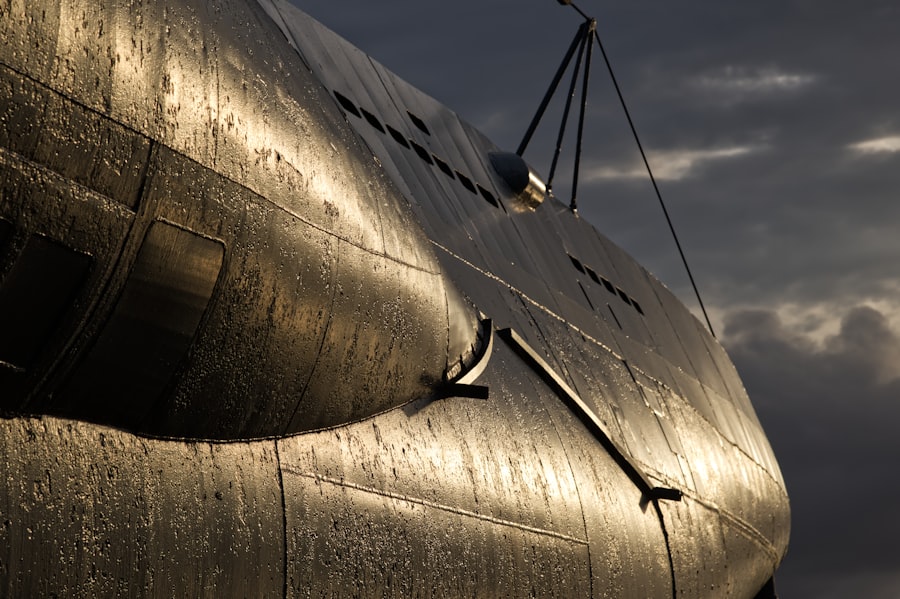
The Type XXI U-Boat occupies a unique place in naval history as one of the most advanced submarines of its time. Although it was introduced late in World War II and saw limited combat before Germany’s surrender, its design and capabilities left an indelible mark on naval warfare. The lessons learned from its development and deployment informed future generations of naval architects and strategists, shaping the evolution of submarine technology.
Despite its limited operational history, the Type XXI’s influence can be seen in various aspects of naval strategy and tactics that emerged in the post-war period. Its introduction heralded a new era of underwater warfare characterized by stealth, speed, and technological sophistication. As navies adapted to these changes, they began to recognize the strategic importance of submarines as essential components of their maritime forces.
Technological Advancements of the Type XXI U-Boat
The technological advancements embodied in the Type XXI U-Boat were remarkable for their time and have continued to resonate throughout naval engineering. One of its most notable features was its advanced sonar system, which provided enhanced detection capabilities compared to earlier models. This allowed for more effective targeting of enemy vessels while minimizing the risk of detection by adversaries.
Additionally, the Type XXI’s schnorchel system represented a significant leap forward in submarine technology. By allowing submarines to operate at periscope depth while recharging batteries, it enabled them to maintain a stealthy profile while still being able to engage in prolonged underwater operations. This innovation not only increased operational efficiency but also set a precedent for future submarine designs that prioritized stealth and endurance.
The Type XXI U-Boat’s Contribution to the Allied Victory in World War II
While the Type XXI U-Boat was ultimately unable to alter the course of World War II due to its late introduction into service, its existence nonetheless played a role in shaping Allied strategies during the conflict. The threat posed by these advanced submarines forced Allied naval forces to allocate resources toward anti-submarine warfare measures, which included developing new technologies and tactics aimed at countering this emerging threat. Moreover, as Allied forces engaged in extensive campaigns against German shipping routes, they became acutely aware of the potential dangers posed by advanced submarines like the Type
Legacy of the Type XXI U-Boat
The legacy of the Type XXI U-Boat is multifaceted, encompassing both its immediate impact on World War II and its long-term influence on submarine design and naval strategy. As one of the first submarines designed specifically for prolonged underwater operations, it set a benchmark for future developments in submarine technology. Its innovative features have been emulated and refined by subsequent generations of submarines across various navies worldwide.
In addition to its technological contributions, the Type XXI also serves as a symbol of Germany’s ambitious naval aspirations during World War
The Type XXI U-Boat’s Influence on Modern Submarine Design
The influence of the Type XXI U-Boat can be seen in many aspects of modern submarine design. Its emphasis on stealth and submerged operations has become a defining characteristic of contemporary submarines, particularly those designed for strategic deterrence missions. Modern submarines often incorporate advanced sonar systems, streamlined hull designs, and efficient propulsion technologies that trace their lineage back to innovations introduced with the Type
Furthermore, as navies continue to evolve their underwater capabilities in response to emerging threats, many principles established by the Type XXI remain relevant today. The focus on stealthy operations and extended submerged endurance has led to advancements such as air-independent propulsion systems and improved battery technologies that enhance operational flexibility while minimizing vulnerability.
The Type XXI U-Boat’s Impact on Naval Strategy
The advent of the Type XXI U-Boat necessitated a reevaluation of naval strategy among both Axis and Allied forces during World War
In response to the challenges posed by advanced submarines like the Type XXI, navies around the world began investing heavily in anti-submarine warfare technologies and training programs. This focus on countering submarine threats has persisted into modern times, reflecting an ongoing recognition of submarines’ strategic importance within naval operations.
The Lasting Significance of the Type XXI U-Boat
In conclusion, the Type XXI U-Boat stands as a testament to innovation in military engineering and its profound impact on naval warfare. Although it emerged late in World War II and did not achieve its intended operational goals, its revolutionary design principles have left an enduring legacy that continues to shape submarine development today. From its advanced hydrodynamics to its emphasis on stealthy operations, many features pioneered by the Type XXI have become standard elements in modern submarine design.
As navies around the world continue to adapt their strategies and technologies in response to evolving threats, they remain indebted to the lessons learned from this remarkable class of submarine. The Type XXI U-Boat not only transformed how submarines are designed but also redefined their role within naval strategy—an influence that will undoubtedly persist well into the future.
The Type XXI U-boat, often hailed as a revolutionary advancement in submarine technology during World War II, played a crucial role in shaping modern naval warfare. Its design introduced features such as a streamlined hull for greater underwater speed and advanced sonar systems, which set the standard for post-war submarine development. For a deeper understanding of its impact and legacy, you can explore a related article on the subject by visiting In The War Room. This resource provides comprehensive insights into how the Type XXI U-boat influenced both wartime strategies and future submarine designs.
WATCH THIS! America’s Nuclear Navy Was Born From Espionage
FAQs
What is the Type XXI U-boat?
The Type XXI U-boat was a German submarine developed during World War II. It was designed for greater underwater speed and endurance than previous submarine models.
Why did the Type XXI U-boat matter?
The Type XXI U-boat was a significant advancement in submarine technology, as it introduced new features such as a streamlined hull design, improved battery capacity, and advanced hydrodynamics. These innovations greatly increased the submarine’s underwater performance and made it a formidable threat to Allied shipping.
How did the Type XXI U-boat impact naval warfare?
The Type XXI U-boat’s advanced technology and capabilities posed a serious challenge to Allied naval forces during World War II. Its improved underwater speed and endurance allowed it to operate more effectively and evade detection, making it a highly effective weapon for disrupting enemy supply lines.
What was the legacy of the Type XXI U-boat?
The Type XXI U-boat’s design and technology had a lasting impact on submarine development, influencing the design of post-war submarines and shaping the future of naval warfare. Its innovations laid the groundwork for modern submarine technology and tactics.