Private Military Contractors in Global Operations
The landscape of international security and conflict resolution has been significantly reshaped by the increasing reliance on Private Military Contractors (PMCs). These organizations, offering a spectrum of services ranging from logistical support and training to direct combat operations, have become integral to the operations of numerous state and non-state actors worldwide. Understanding the phenomenon of PMCs requires a multi-faceted examination, delving into their origins, the drivers of their proliferation, the diverse range of services they provide, the legal and ethical complexities they present, and their evolving role in contemporary global affairs.
The concept of private individuals or groups providing military services is not new. Throughout history, mercenaries and private armies have played a role in warfare. However, the modern manifestation of PMCs, as we understand them today, began to emerge in the latter half of the 20th century.
Post-Cold War Expansion
The end of the Cold War led to a significant reduction in the size of many national militaries. This created a pool of experienced personnel with specialized skills. Simultaneously, a rise in intra-state conflicts and a growing demand for security in unstable regions provided a fertile ground for the development of private military companies. These companies could offer tailored solutions and specialized expertise that might have been too costly or politically sensitive for states to provide directly.
The Rise of Corporate Structures
Unlike some historical mercenary groups, modern PMCs often operate as registered corporations. This allows them to enter into formal contracts, manage complex logistics, provide insurance, and recruit personnel on a global scale. The corporate structure also facilitates access to capital and enables them to invest in training and equipment, presenting themselves as professional service providers.
Private military contractors (PMCs) have become increasingly prominent in global conflict zones, often operating in areas where traditional military forces are either unavailable or unwelcome. Their roles can range from logistical support to direct combat, raising questions about accountability and the implications of privatizing military operations. For a deeper understanding of the complexities surrounding PMCs and their impact on modern warfare, you can read a related article at In the War Room.
Drivers of PMC Deployment
The decision by governments and international organizations to engage PMCs is driven by a confluence of factors, often rooted in pragmatic considerations and strategic calculations.
Cost-Effectiveness and Efficiency
In certain contexts, PMCs can be perceived as a more cost-effective solution than deploying national military forces. They may offer specialized skills on a contractual basis, avoiding the long-term costs associated with full military personnel, such as pensions, healthcare, and extensive training programs. Furthermore, their rapid deployment capabilities can sometimes offer a more efficient response to emerging security challenges.
Specialization and Niche Capabilities
PMCs often excel in providing highly specialized services that national militaries may not possess in abundance or readily deployable for all missions. This can include expertise in areas such as intelligence gathering, cybersecurity, bomb disposal, demining, advanced tactical training, and close protection for high-risk individuals or assets.
Political Deniability and Reduced Footprint
For states, the deployment of PMCs can offer a degree of political deniability, especially in sensitive or controversial operations. By outsourcing certain tasks, a government can maintain a reduced official military presence, potentially mitigating domestic political backlash or international scrutiny. This can be particularly appealing in situations where direct military intervention is politically unpalatable.
Capacity Gaps and Overstretch
Many states, particularly those experiencing persistent instability or engaged in prolonged conflicts, face significant capacity gaps within their own security forces. PMCs can be contracted to fill these voids, providing essential support functions or even undertaking operational roles that their national counterparts are unable to fulfill due to resource limitations or ongoing commitments.
Bridging Skill Gaps
National militaries may lack the specific skills or experience required for certain complex tasks, such as operating and maintaining advanced, foreign-supplied military equipment or providing specialized security in non-traditional environments. PMCs can bridge these gaps by bringing in contractors with the requisite expertise.
Supplementing Understaffed Forces
In situations where national forces are stretched thin, PMCs can be used to augment troop numbers, freeing up regular military personnel for more critical or politically sensitive missions. This can include security escorts, base security, and logistical support.
Spectrum of Services Offered by PMCs
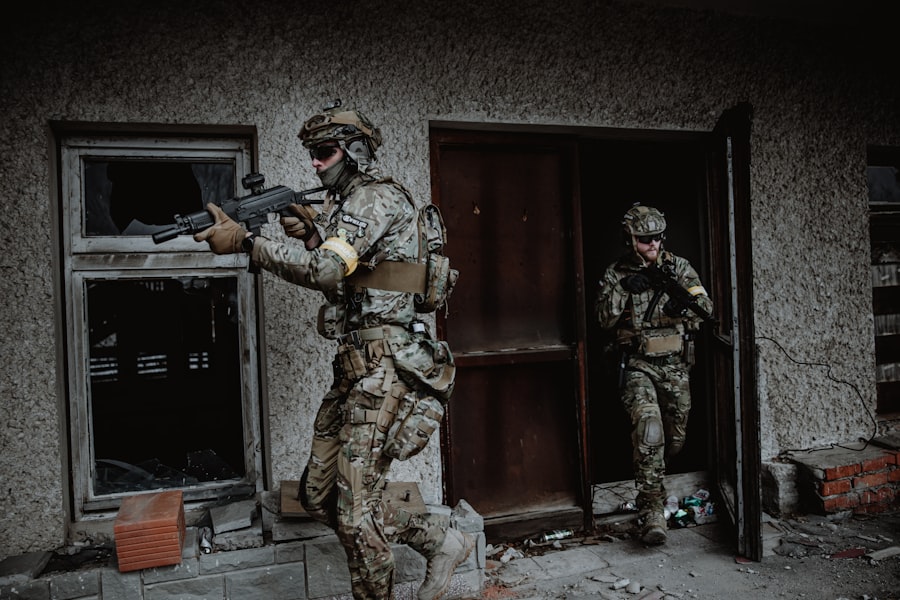
The services provided by PMCs are remarkably diverse, reflecting the evolving needs of contemporary security environments. They extend far beyond simple armed guards, encompassing a broad range of functions contributing to military and security operations.
Security and Protection Services
This is perhaps the most visible and widely understood category of PMC services. It involves the protection of personnel, facilities, and assets in high-risk environments.
Close Protection Detail (CPD)
Dedicated teams providing security and escort for high-ranking officials, diplomats, aid workers, and other individuals deemed to be at significant risk of assassination, kidnapping, or other forms of attack.
Static Site Security
Securing fixed locations such as embassies, military bases, critical infrastructure, and humanitarian aid facilities against intrusion, sabotage, or direct attack.
Convoy Security
Protecting logistical convoys carrying personnel, supplies, or equipment through dangerous or contested areas, often involving armed escorts and route reconnaissance.
Logistical and Technical Support
Beyond direct security, PMCs play a crucial role in ensuring the operational backbone of military and humanitarian efforts.
Logistics and Supply Chain Management
Providing services related to the procurement, transportation, storage, and distribution of military equipment, supplies, and personnel. This can include managing complex supply chains in remote or challenging terrains.
Maintenance and Repair
Offering specialized maintenance and repair services for military vehicles, aircraft, communication equipment, and other technical assets, often in locations where dedicated military technical units are unavailable or overwhelmed.
Base Operations Support
Managing and operating military bases, including services such as catering, waste management, power generation, and routine infrastructure maintenance, allowing military personnel to focus on their core combat and operational responsibilities.
Training and Capacity Building
A significant and increasingly important area of PMC involvement is in equipping and preparing local security forces.
Military and Police Training
Providing specialized training programs for national armies, police forces, and other security agencies. This can range from basic combat skills and weapons proficiency to advanced tactical operations, counter-insurgency techniques, and specific equipment operation.
Institutional Development
Assisting in the reform and professionalization of security sector institutions, including curriculum development, instructor training, and strategic planning support.
Mentorship and Advisory Roles
Embedding advisors within host nation forces to provide on-the-job mentorship, guidance, and operational support, helping to build local capacity and foster self-sufficiency.
Intelligence and Information Services
The collection, analysis, and dissemination of intelligence are vital components of modern warfare, an area where PMCs are increasingly active.
Intelligence Gathering and Analysis
Conducting intelligence collection operations, including open-source intelligence (OSINT) exploitation, human intelligence (HUMINT) operations, and sophisticated surveillance techniques. They also provide analysis of collected data, producing actionable intelligence reports.
Cybersecurity and Information Operations
Providing expertise in defending against cyber threats, conducting network security assessments, and, in some cases, engaging in information operations to influence perceptions or disrupt adversary communications.
Direct Support and Combat Operations
While controversial and often subject to strict contractual limitations and national legal frameworks, some PMCs are engaged in roles that involve direct participation in combat.
Fire Support and Operational Support
Providing indirect fire support, such as artillery or mortar capabilities, or other tactical support functions that directly contribute to offensive or defensive military operations.
Security Force Assistance (SFA) with Direct Combat Roles
In specific contexts, PMCs may be authorized to engage in direct combat alongside host nation forces, particularly in situations where allied national forces are not deployed or are operating under strict rules of engagement that limit their offensive capabilities.
Legal and Ethical Complexities
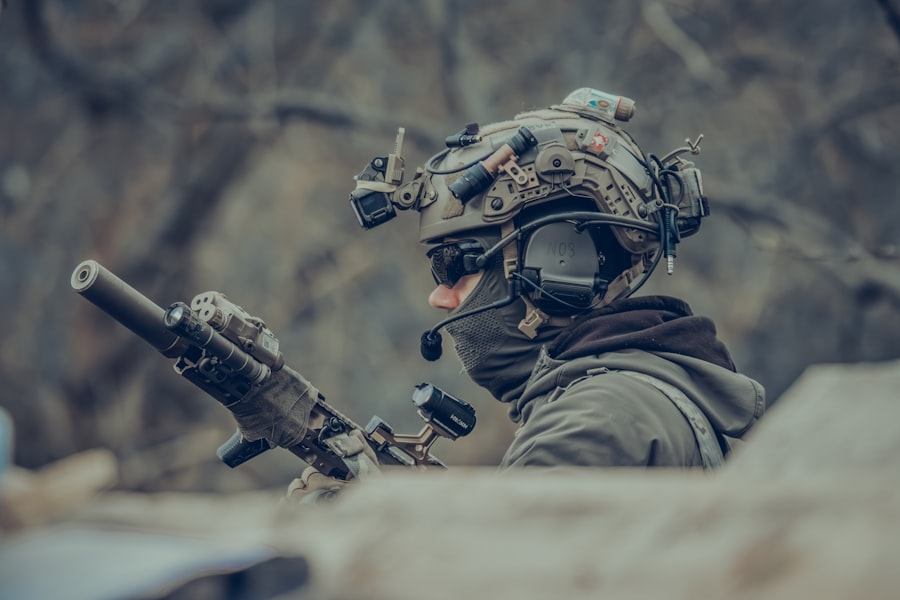
The rise of PMCs has presented significant challenges for international law, national sovereignty, and ethical considerations in warfare. The lack of a universally recognized legal framework and robust oversight mechanisms has led to numerous controversies.
Accountability and Jurisdiction
One of the most persistent issues surrounding PMCs is accountability. When a PMC contractor commits a crime or engages in misconduct, determining jurisdiction and ensuring prosecution can be exceptionally difficult. This is particularly true for contractors operating in states with weak legal systems or in areas where national military forces are not present.
The Problem of the “Legal Black Hole”
In many theaters of operation, PMCs have been accused of operating in a “legal black hole,” where neither the host nation, the contracting nation, nor the nation of the contractor’s origin can effectively assert jurisdiction or enforce accountability for alleged wrongdoings.
Contractual Loopholes and Liability
Contractual agreements between states and PMCs can sometimes create ambiguities regarding liability for contractor actions. This can allow companies to deflect responsibility, leaving victims without adequate recourse.
Rules of Engagement and Use of Force
The rules of engagement (ROE) governing PMC operations can be complex and vary significantly depending on the contract, the deploying nation’s policies, and the specific mission. This can lead to confusion and unintended escalation.
Discrepancies in ROE
Differences in ROE between national military forces and PMCs operating in the same theater can create friction and operational complications. This can also raise concerns about the proportionality and necessity of force used by contractors.
Civilian Casualties and Collateral Damage
Incidents involving civilian casualties or collateral damage attributed to PMC actions have been a recurring source of controversy. Establishing responsibility and ensuring appropriate reparations in such cases remains a significant challenge.
Civilian Control and Oversight
Ensuring robust civilian control and effective oversight of PMC activities is crucial for maintaining ethical standards and preventing abuses. However, the opaque nature of many PMC operations and the complexities of contracting can make this oversight difficult to implement effectively.
Transparency and Regulation
The industry often operates with a degree of opacity, making it difficult for governments and the public to fully understand the scope and implications of PMC deployments. Calls for greater transparency and robust regulatory frameworks are ongoing.
The Privatization of Warfare
The increasing reliance on PMCs raises broader questions about the “privatization of warfare” and its implications for state sovereignty, the monopoly on the legitimate use of force, and the ethical foundations of international conflict.
Private military contractors have become increasingly prominent in global conflict zones, often providing essential services ranging from security to logistics. Their operations raise important questions about accountability and the implications for international law. For a deeper understanding of the complexities surrounding these contractors, you can explore a related article that discusses their role and impact in modern warfare. This insightful piece can be found here.
Future Trends and Challenges
| Company | Number of Employees | Revenue (in millions) | Areas of Operation |
|---|---|---|---|
| Academi (formerly Blackwater) | Over 1,000 | Not disclosed | Worldwide |
| G4S | Over 530,000 | 9,982 | Global |
| Triple Canopy | Not disclosed | Not disclosed | Worldwide |
The role of PMCs in global operations is likely to continue evolving, driven by shifts in geopolitical landscapes, technological advancements, and the ongoing demands for specialized security solutions.
Increased Specialization and Technological Integration
As warfare becomes more technologically sophisticated, PMCs will likely offer increasingly specialized services in areas such as artificial intelligence, autonomous systems, advanced cyber warfare, and space-based operations. The integration of cutting-edge technology will become a key differentiator.
Drones and Unmanned Systems
The use of drones for surveillance, reconnaissance, and potentially lethal operations is a growing trend, and PMCs are likely to be at the forefront of developing and deploying these capabilities.
Big Data and Artificial Intelligence
The analysis of vast amounts of data using AI is becoming crucial for intelligence gathering and battlefield awareness. PMCs with expertise in these areas will be in high demand.
The Blurring Lines Between Military and Civilian Roles
The distinction between military personnel and PMC contractors will likely continue to blur, especially in training and advisory roles. This could present ongoing challenges in differentiating responsibilities and maintaining clear lines of command and control.
Hybrid Warfare and Ambiguity
In the context of hybrid warfare, where state and non-state actors employ a mix of conventional and unconventional tactics, PMCs can be employed to operate in the gray areas, further complicating attribution and accountability.
The Need for Stronger International Regulation
Given the persistent legal and ethical challenges, there will likely be continued efforts to establish stronger international norms and regulatory frameworks for the PMC industry. This could involve greater adherence to international humanitarian law and more robust dispute resolution mechanisms.
International Treaties and Conventions
Discussions continue regarding the potential for international treaties or conventions that specifically address the regulation of PMCs, similar to those governing mercenary activities in the past, but adapted to the modern context.
Enhanced Oversight and Accountability Mechanisms
Future trends will likely necessitate the development of more effective national and international oversight mechanisms, including independent review bodies and enhanced auditing processes, to ensure that PMC contractors operate within legal and ethical boundaries.
The phenomenon of Private Military Contractors is a complex and evolving aspect of contemporary global operations. Their utility in providing specialized skills, filling capacity gaps, and offering pragmatic solutions to security challenges is undeniable. However, the inherent challenges related to legal accountability, ethical considerations, and robust civilian oversight necessitate ongoing scrutiny and the development of effective regulatory frameworks to ensure their operations align with international norms and contribute positively to global stability.
FAQs
What are private military contractors (PMCs) and what do they do?
Private military contractors are private companies that provide military and security services to governments, corporations, and other clients. These services can include combat operations, training, logistics, and security.
How many private military contractors are operating globally?
The exact number of private military contractors operating globally is difficult to determine, as many operate in a secretive or classified manner. However, it is estimated that there are tens of thousands of private military contractors working in various capacities around the world.
Which countries do private military contractors operate in?
Private military contractors operate in a wide range of countries, including conflict zones, post-conflict environments, and areas with high levels of political instability. Some of the countries where private military contractors are known to operate include Iraq, Afghanistan, Syria, Libya, and various African nations.
What are the advantages of using private military contractors?
Private military contractors can provide specialized military and security services that may not be readily available through traditional military or government channels. They can also offer flexibility and cost-effectiveness for clients who require specific expertise or temporary support.
What are the concerns associated with private military contractors?
Some of the concerns associated with private military contractors include accountability, transparency, and potential human rights abuses. There have been instances of misconduct and controversy surrounding the actions of private military contractors, leading to calls for greater regulation and oversight of their activities.