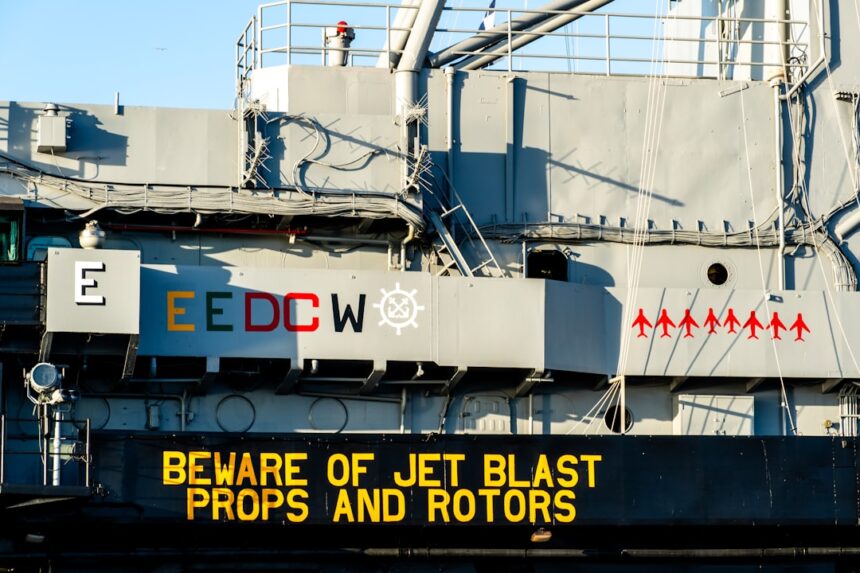
Electronic warfare (EW) has evolved into a critical component of modern military operations, moving beyond traditional jamming and deception to encompass sophisticated strategies that leverage the electromagnetic spectrum for decisive advantage. Emerging concepts like “electronic warfare curtains” and “spectrum denial” represent a significant shift in defensive thinking, aiming to create invisible barriers and deny adversaries access to vital communication and sensor channels. This evolving landscape necessitates a deeper understanding of these strategies, their underlying principles, and their implications for future conflict.
The electromagnetic spectrum is an increasingly contested domain. As military systems become more reliant on wireless communication, navigation, and sensor technologies, their vulnerability to electronic disruption grows. Historically, EW focused on direct countermeasures, such as jamming enemy radar and communication signals. However, the proliferation of networked systems and the increasing sophistication of adversary EW capabilities have necessitated a more nuanced approach.
The Spectrum as a Battlefield
The electromagnetic spectrum is not merely a passive medium but an active battlefield where information is transmitted, received, and processed. Control of this spectrum offers significant strategic advantages.
Limitations of Traditional Jamming
While effective in specific scenarios, traditional jamming often involves broadcasting powerful signals that can be detected, geolocated, and even countered. It can also be indiscriminate, affecting friendly forces and civilian infrastructure if not carefully managed.
The Need for Proactive Defense
The modern threat environment demands a shift towards proactive defense, anticipating adversary actions and denying them the ability to operate effectively within the spectrum. This is where concepts like electronic warfare curtains and spectrum denial come into play.
In the realm of modern military strategy, the concept of electronic warfare curtains and spectrum denial plays a crucial role in ensuring operational superiority. A related article that delves deeper into these topics can be found on In The War Room, which explores the implications of electronic warfare on contemporary conflict. For further insights, you can read the article here: In The War Room.
Understanding Electronic Warfare Curtains
Electronic warfare curtains are not physical barriers but rather dynamic, multi-layered electromagnetic fields designed to disrupt, degrade, or deny adversary C4ISR (Command, Control, Communications, Computers, Intelligence, Surveillance, and Reconnaissance) capabilities within a defined operational area. They leverage a combination of passive and active measures to create a hostile electromagnetic environment for the enemy.
Principles of EW Curtains
The core principle behind EW curtains is to create a zone of electromagnetic uncertainty and disruption that limits an adversary’s situational awareness and operational freedom. This is achieved through a variety of techniques that collectively form a layered defense.
Layered Deception and Devaluation
EW curtains aim to saturate the adversary’s sensors with false information, making it difficult to discern genuine signals from decoys. This can include spoofing navigation signals, generating ghost radar returns, and mimicking communication traffic. The objective is to devalue the intelligence derived from these adversarial sensors.
Targeted Disruption of Communication Channels
By identifying and analyzing adversary communication frequencies and protocols, EW curtains can introduce targeted interference or jamming. This can range from broadband noise to sophisticated signal-specific countermeasures designed to overwhelm their communication systems.
Geo-fencing the Electromagnetic Domain
EW curtains can be designed to establish virtual boundaries within the spectrum. Adversary assets attempting to operate within these defined areas will encounter increasing levels of electromagnetic stress, forcing them to either withdraw or risk significant degradation of their capabilities.
Components of an EW Curtain
The implementation of an EW curtain is a complex undertaking, requiring a sophisticated array of integrated systems, each contributing to the overall effect.
Passive Sensing and Intelligence Gathering
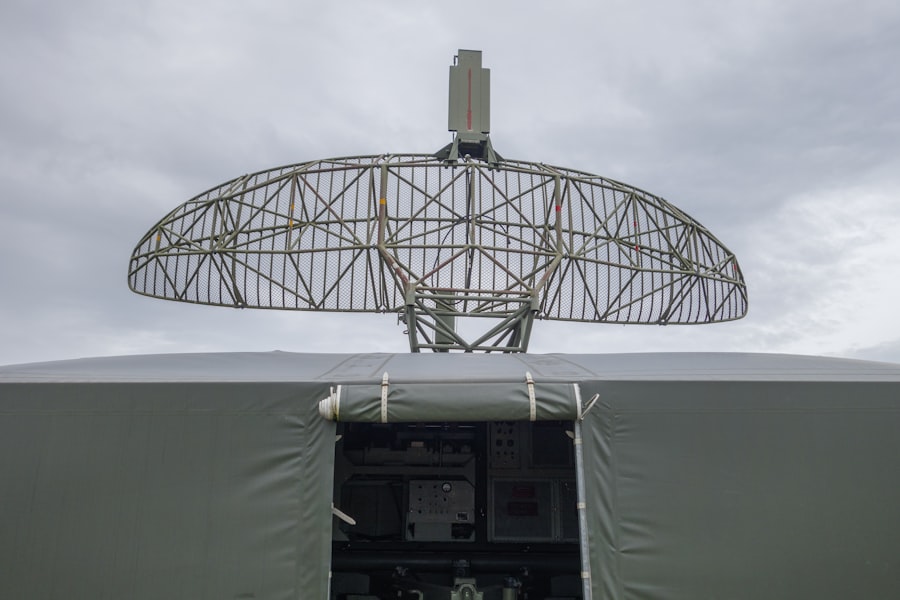
Crucial to the formation of an EW curtain is the continuous monitoring of the electromagnetic environment. This involves the use of advanced Electronic Support Measures (ESM) receivers to detect, identify, and geolocate adversary emissions. The intelligence gathered is vital for tailoring the EW curtain’s effects.
Active Countermeasures and Electronic Attack
Once adversary emissions are identified, active countermeasures are employed. This can include jamming transmitters, decoys emitting false signals, and signal spoofing systems. The goal is to directly interfere with adversary operations.
Deception Technologies
Deception plays a significant role, employing systems that generate false targets, mimic friendly signals, and create misleading radar signatures. This aims to confuse adversary targeting and intelligence systems.
Network Integration and Coordination
The effectiveness of an EW curtain relies heavily on the seamless integration and coordination of various EW assets. This requires sophisticated network architectures that allow for real-time data sharing and coordinated application of countermeasures.
Spectrum Denial: A Strategic Imperative
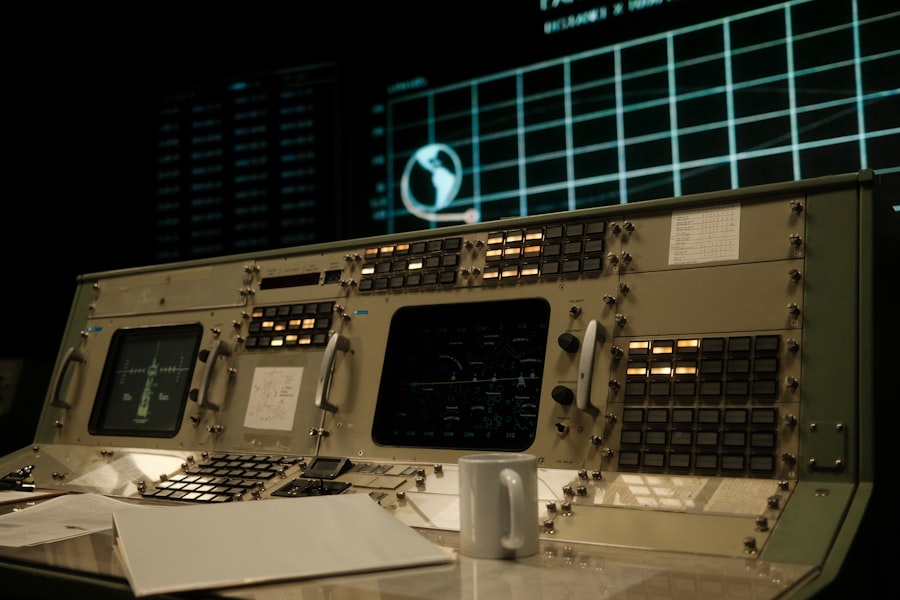
Spectrum denial represents a more ambitious and potentially decisive EW strategy. It aims not simply to disrupt but to fundamentally prevent an adversary from utilizing specific portions of the electromagnetic spectrum necessary for their operations. This is a proactive approach focused on achieving electromagnetic dominance.
The Concept of Spectrum Superiority
Achieving spectrum superiority means creating a situation where friendly forces can operate freely within the electromagnetic spectrum while denying the adversary the same liberty. Spectrum denial is a key pathway to achieving this superiority.
Preventing Adversary Sensor Utilization
The primary objective of spectrum denial is to prevent adversary radar, electronic intelligence systems, and other sensors from effectively gathering information. This can involve overwhelming them with false data or rendering their signals unusable.
Disrupting Adversary Navigation and Timing
Accurate navigation and synchronized timing are critical for modern military operations. Spectrum denial can target GPS and other Global Navigation Satellite Systems (GNSS) signals, as well as timing signals, to disorient and disrupt adversary forces.
Isolating Adversary Command and Control
By denying access to communication channels, spectrum denial can effectively isolate adversary command and control nodes, preventing them from coordinating their forces or receiving critical intelligence.
Achieving Spectrum Denial
The implementation of spectrum denial requires a sustained and comprehensive approach, leveraging multiple EW capabilities in concert.
Advanced Jamming and Spoofing Platforms
This involves employing highly capable jamming platforms capable of broad-spectrum or highly targeted interference. Spoofing technologies play a critical role in presenting false realities to enemy sensors.
Kinetic and Non-Kinetic Attacks on Spectrum Infrastructure
In some scenarios, spectrum denial might involve direct kinetic attacks on adversary EW emitters or network infrastructure. However, non-kinetic options, such as cyberattacks or directed energy weapons, can also play a significant role in degrading or destroying enemy spectrum capabilities.
Information Warfare Integration
Spectrum denial is often intertwined with broader information warfare strategies. Denying adversaries access to the spectrum can also be used to shape their perception of the battlespace and influence their decision-making.
Tactical and Strategic Implications
The adoption of EW curtains and spectrum denial strategies has profound tactical and strategic implications, reshaping how military operations are planned and executed.
Enhancing Friendly Force Survivability
By creating a hostile electromagnetic environment for the adversary, EW curtains and spectrum denial significantly enhance the survivability of friendly forces. Their own systems can operate with greater freedom while adversary targeting and ISR capabilities are degraded.
Reducing the Effectiveness of Adversary ISR
Adversary intelligence, surveillance, and reconnaissance (ISR) capabilities are heavily reliant on the electromagnetic spectrum. EW curtains and spectrum denial directly target these capabilities, blindfolding the enemy and reducing their awareness of friendly dispositions.
Protecting Critical Infrastructure
These EW strategies can be employed to protect vital military infrastructure, such as airbases, naval ports, and command centers, by denying adversaries the ability to loiter in the electromagnetic spectrum and identify targets.
Enabling Offensive Operations
While primarily defensive in nature, EW curtains and spectrum denial also offer significant advantages for offensive operations.
Creating Windows of Opportunity
By degrading adversary C4ISR capabilities, EW strategies can create temporary windows of opportunity for friendly offensive actions to be executed with reduced risk of detection and counterattack.
Deception and Misdirection for Maneuver
Sophisticated EW curtains can be used to misdirect adversary attention and resources, facilitating friendly maneuver and allowing forces to achieve surprise.
The Challenge of Adaptation and Counter-Adaptation
The development of EW curtains and spectrum denial is not a static endeavor. It represents an ongoing arms race in the electromagnetic domain.
Adversary Countermeasures and Evasion Techniques
Adversaries will inevitably develop countermeasures and evasion techniques to defeat EW curtains and spectrum denial efforts. This will include adaptive jamming, spectrum hopping, and the development of low-probability-of-intercept (LPI) and low-probability-of-detection (LPD) systems.
The Need for Continuous Innovation
To maintain an advantage, continuous innovation in EW capabilities is paramount. This includes developing more intelligent and adaptive EW systems, as well as exploring new technologies like quantum sensing and advanced AI for EW applications.
In the realm of modern military strategy, the concept of electronic warfare curtains and spectrum denial has gained significant attention for its potential to disrupt enemy communications and radar systems. A related article that delves deeper into these tactics can be found at this link, where the implications of such technologies on battlefield dynamics are explored. Understanding these advancements is crucial for grasping how nations are adapting to the challenges of contemporary warfare.
Future Trends and Considerations
| Metrics | Value |
|---|---|
| Electronic Warfare Curtains Deployed | 15 |
| Spectrum Denial Range (km) | 100 |
| Effectiveness Rate (%) | 85 |
The evolution of EW is closely tied to broader technological advancements and evolving geopolitical landscapes. Understanding these future trends is crucial for developing effective long-term defense strategies.
Artificial Intelligence and Machine Learning in EW
The integration of AI and machine learning promises to revolutionize EW. These technologies can enable systems to learn adversary patterns, adapt in real-time, and make decisions far quicker than human operators.
Adaptive Spectrum Management and Optimization
AI can dynamically manage the electromagnetic spectrum, identifying gaps, adapting to threats, and optimizing the allocation of EW resources for maximum effect.
Autonomous EW Platforms
The development of autonomous EW platforms, capable of operating independently or in coordination with other assets, could significantly enhance mission effectiveness and reduce the risk to human operators.
Directed Energy Weapons and Spectrum Control
Directed energy weapons (DEWs) are emerging as a potent tool for spectrum control. These weapons can precisely target and disable adversary electronic systems without causing collateral damage.
Non-Kinetic Disruption of Electronic Systems
DEWs offer a non-kinetic means of disabling or degrading adversary sensors, communication links, and processing capabilities, directly contributing to spectrum denial.
The Convergence of Cyber and EW
The lines between cyber warfare and electronic warfare are increasingly blurring. Cyberattacks can be used to degrade or disable EW systems, while EW can be used to disrupt cyber operations.
The Importance of Electromagnetic Spectrum Management
As the spectrum becomes more congested and contested, effective electromagnetic spectrum management becomes an even more critical aspect of military operations.
Spectrum Assurance and Deconfliction
Ensuring that friendly forces have unimpeded access to the spectrum they need, while deconflicting with other users, is essential for mission success.
Policy and Regulatory Frameworks
The development of appropriate policy and regulatory frameworks will be crucial for governing the use of the electromagnetic spectrum in military operations, particularly with the proliferation of new technologies.
The strategic development and deployment of electronic warfare curtains and spectrum denial capabilities represent a significant maturation of defensive posture within the electromagnetic domain. These strategies move beyond reactive countermeasures to proactive control and denial, aiming to shape the battlespace and achieve decisive advantage by controlling access to vital informational pathways. The ongoing evolution of technologies, coupled with the inherent nature of the spectrum as a contested domain, demands continuous innovation and a forward-looking approach to ensure national security in an increasingly complex electronic environment.
FAQs
What is electronic warfare curtains and spectrum denial?
Electronic warfare curtains and spectrum denial refer to the use of electronic warfare techniques to deny an adversary the ability to use the electromagnetic spectrum for communication and sensing purposes. This can involve jamming, spoofing, or disrupting enemy electronic systems.
What are the goals of electronic warfare curtains and spectrum denial?
The primary goal of electronic warfare curtains and spectrum denial is to disrupt an adversary’s ability to communicate, gather intelligence, and coordinate military operations using electronic systems. By denying the enemy the use of the electromagnetic spectrum, it can degrade their overall combat effectiveness.
What are some techniques used in electronic warfare curtains and spectrum denial?
Some techniques used in electronic warfare curtains and spectrum denial include jamming, which involves emitting signals to interfere with enemy communications and radar systems, and spoofing, which involves deceiving enemy sensors and communication systems by mimicking legitimate signals.
What are the potential impacts of electronic warfare curtains and spectrum denial?
The potential impacts of electronic warfare curtains and spectrum denial can include disrupting enemy command and control systems, degrading their ability to communicate and coordinate, and reducing their situational awareness by interfering with their radar and sensor systems.
How is electronic warfare curtains and spectrum denial used in modern military operations?
Electronic warfare curtains and spectrum denial are integral components of modern military operations, used to gain a tactical advantage by disrupting and degrading an adversary’s electronic systems. These techniques are employed across various domains, including air, land, sea, and cyberspace.