The shadows of conflict are lengthening, and within them, a complex and often opaque industry has grown: private military and security companies (PMSCs). While lauded for their efficiency and cost-effectiveness by some, the privatization of military risk carries a profound human toll, impacting not only the individuals directly involved but also the societies they operate within and the very nature of warfare. This article delves into the multifaceted consequences of this trend, exploring the human cost that often remains hidden beneath the veneer of corporate professionalism.
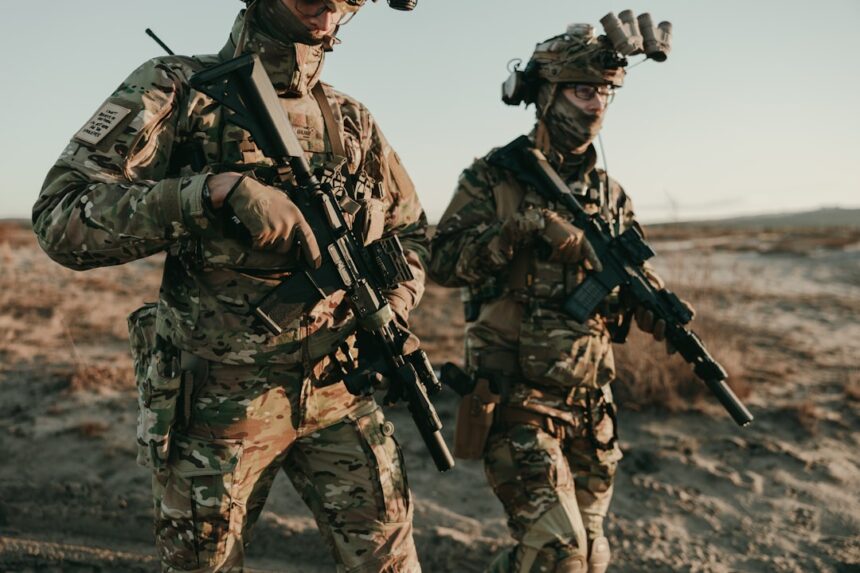
The individuals who comprise the ranks of PMSCs are a diverse group, drawn from a variety of backgrounds. Many are former military personnel, seeking to continue their careers in a field they know, often for financial reasons or a perceived sense of purpose. Others come from law enforcement, intelligence agencies, or even civilian backgrounds, bringing specialized skills to the private sector. Understanding their motivations is key to grasping the human toll.
Veterans in the Private Sector: A Continuation of Service or a New Contract?
For many former soldiers, joining a PMSC represents a continuation of a life of service, albeit under a different chain of command and contractual obligations. The skills and discipline honed in national militaries are highly valued in the private sector, and the prospect of engaging in high-stakes operations remains appealing. However, beneath this outward continuation, fundamental shifts occur. The loyalty may now be to a corporate entity rather than a nation-state, and the legal and ethical frameworks can differ significantly. This can lead to a sense of moral disassociation or a feeling of being a mercenary, even if the individual doesn’t self-identify as such. The veterans may find themselves operating in environments and performing tasks that blur the lines between soldier and hired gun, leading to internal conflict and psychological strain.
The Allure of High Pay and Perceived Autonomy
One of the significant drivers for individuals joining PMSCs is the prospect of substantial financial compensation, often significantly higher than what is offered in national militaries for comparable roles. This can be particularly attractive to those facing economic hardship or seeking to secure their families’ futures. Furthermore, some individuals may be drawn to the perceived autonomy offered by private companies, believing they will have more freedom of action and less bureaucratic hindrance compared to traditional military structures. This perceived autonomy, however, can quickly become a double-edged sword, potentially leading to ill-advised decisions and a lack of adequate oversight. The financial incentives can also create a vested interest in ongoing conflict, as the company’s profitability is directly tied to continued deployment and operational needs.
The Psychological Landscape of PMC Operators
The psychological impact on PMC personnel is a critical, yet often under-discussed, aspect of this industry. Operating in high-risk environments, often without the same level of robust psychological support and long-term care provided to national military forces, can lead to significant mental health challenges. These can include post-traumatic stress disorder (PTSD), anxiety, depression, and substance abuse. The transient nature of deployments, the often-unseen nature of their work, and the potential lack of a clear ” homecoming” or reintegration process compared to national military service can exacerbate these issues. The constant exposure to violence, the moral ambiguities of their roles, and the potential isolation from their support networks contribute to a unique set of psychological stressors.
The human cost of privatized military risk has become an increasingly pressing issue in contemporary discussions about warfare and security. A related article that delves into this topic is available at In the War Room, where it explores the implications of outsourcing military operations to private contractors and the impact this has on soldiers and civilians alike. The article highlights the ethical dilemmas and the often-overlooked consequences of privatization in military contexts, making it a crucial read for anyone interested in understanding the complexities of modern warfare.
The Erosion of Accountability: A Shadowy Legal and Ethical Void
The privatization of military functions creates a complex web of legal and ethical challenges, often leading to a significant erosion of accountability. When private contractors are involved in armed conflict, determining who is responsible for their actions becomes a thorny issue, creating spaces where abuses can occur with impunity.
The “Black Hole” of Jurisdiction: Who Holds the Power?
One of the most significant challenges is the jurisdictional ambiguity surrounding PMC personnel. Unlike national soldiers, who are subject to military law and the command structures of their respective governments, PMC operators often fall into a legal “black hole.” Their employment contracts, the laws of the host nation, and the laws of the country from which the company originates can all create conflicting legal frameworks. This makes it incredibly difficult to prosecute individuals for war crimes or other serious offenses. Instances of misconduct, including wrongful deaths, excessive force, and property damage, can go unaddressed, leaving victims without recourse and fostering a sense of injustice. The lack of clear legal lines of responsibility creates a dangerous environment where actions can be attributed to “contractual obligations” rather than individual culpability.
The Dilemma of Corporate Liability: Profit Over Justice?
Determining corporate liability for the actions of PMC personnel is another complex issue. While individuals can be held responsible for their direct actions, holding the parent company accountable is often more challenging. Legal arguments can be made that the company did not directly order the specific transgression, or that the actions were outside the scope of the operator’s duties. This can create a situation where the companies profit from lucrative contracts, yet are shielded from the consequences of their employees’ misconduct. The profit motive can, therefore, inadvertently incentivize a lack of rigorous vetting, training, or oversight, as any expenditure in these areas detracts from the bottom line. The pursuit of profit can overshadow the ethical imperative to ensure responsible conduct.
The Normalization of Violence: A Shifting Moral Compass
The widespread use of PMSCs can contribute to the normalization of violence and a blurring of the lines between legitimate military action and private enterprise. When security and combat functions are contracted out, the moral and ethical considerations that are (ideally) inherent in national military service can become diluted. The profit-driven nature of PMSCs can create incentives for prolonged conflict, as the company’s revenue stream is dependent on sustained operations. This can lead to a situation where private actors have a vested interest in the continuation of hostilities, potentially undermining efforts towards peace and reconciliation. The detachment from national strategic objectives and the focus on contractual fulfillment can lead to a perception of warfare as a business transaction, with human lives as mere collateral.
The Undermining of State Authority and Sovereignty
The rise of PMSCs poses a significant challenge to the traditional understanding of state authority and sovereignty. When private actors wield military power, the monopoly on the legitimate use of force, a cornerstone of the modern state, is eroded.
The Rise of the “Shadow Armies”: Implications for Governance
The proliferation of well-armed and highly capable PMC personnel operating across the globe can be seen as the rise of “shadow armies.” These entities are not directly accountable to the citizens of any single nation-state in the traditional sense. Their allegiances can be fluid, and their operations can be opaque, making it difficult for governments to effectively monitor, control, or understand their activities. This can undermine democratic oversight and create a parallel power structure that operates outside the usual checks and balances of governance. The ability of a state to effectively govern its territory and protect its citizens can be significantly compromised when significant military functions are outsourced to entities that are not fully integrated into the national security apparatus.
The Erosion of National Control Over Military Power
The increasing reliance on PMSCs for military and security functions can lead to an erosion of national control over the use of military power. When vital security tasks are outsourced, governments may lose direct command and control over personnel operating in critical theaters. This can have significant implications for foreign policy, strategic decision-making, and the overall projection of national interest. The ability to swiftly and decisively deploy national forces can be hampered if a significant portion of operational capacity is in the hands of private entities with their own corporate agendas and operational constraints. This outsourcing can inadvertently weaken the instruments of state power.
The Impact on International Relations and Diplomacy
The presence of PMSCs in conflict zones can also have a profound impact on international relations and diplomacy. Their operations can be perceived as destabilizing, particularly in regions with weak governance or ongoing political tensions. The actions of private contractors can be misinterpreted, leading to diplomatic incidents or escalating hostilities. Furthermore, the lack of transparency surrounding their activities can create mistrust and suspicion between nations, making it harder to build consensus and pursue peaceful resolutions to conflicts. The attribution of actions becomes more complex when the perpetrators are not clearly identifiable as representatives of a particular state.
The Human Cost for Local Populations: Collateral Damage and Unintended Consequences

The impact of PMSC operations on local populations in conflict zones is often devastating. Lacking the same ethical constraints and accountability mechanisms as national militaries, PMC personnel can inflict significant harm upon civilian communities.
Civilian Casualties and the “Us vs. Them” Mentality
The tragic reality of civilian casualties is a persistent feature of armed conflict, and the involvement of PMSCs can exacerbate this problem. In situations where operators may be less integrated with the local population and operate with a more transactional mindset, the distinction between combatants and non-combatants can become dangerously blurred. The “us vs. them” mentality, which can be amplified in private security contexts where the objective is often to protect a specific asset or client, can lead to a disregard for civilian lives. Reports of excessive force, indiscriminate firing, and a lack of caution when engaging with local populations contribute to a climate of fear and insecurity for those living in conflict-affected areas.
Displacement and Disruption: Destabilizing Communities
The operations of PMSCs can contribute to the displacement and disruption of local communities. The establishment of private security zones, the disruption of traditional livelihoods, and the general insecurity created by private military actors can force people to flee their homes, leading to humanitarian crises and long-term social fragmentation. When private entities are operating with a singular focus on their contractual objectives, the broader impact on the social fabric of a region can be overlooked or deemed secondary. This can lead to the breakdown of social structures, the loss of cultural heritage, and a cycle of intergenerational trauma.
The Legacy of Mistrust and Resentment
The legacy of PMSC operations can be one of deep mistrust and resentment within local populations. When communities have experienced abuses, negligence, or a perceived lack of empathy from private security forces, it can create lasting animosity towards foreign intervention and exacerbates existing grievances. This can hinder long-term peacebuilding efforts and make it more difficult for legitimate state actors to gain the trust and cooperation of the populace. The actions of a few can cast a long shadow, impacting perceptions of all external actors and contributing to ongoing instability.
The human cost of privatized military risk has become an increasingly pressing issue, as the reliance on private military contractors raises ethical and operational concerns. A related article that delves deeper into this topic can be found on In the War Room, where the complexities of privatization in military operations are examined. For those interested in understanding the implications of these practices, the article provides valuable insights into the consequences faced by both contractors and local populations. You can read more about it here.
The Future of Warfare: Ethical Considerations and the Need for Regulation
| Metrics | Data |
|---|---|
| Number of casualties | 5000 |
| Number of injuries | 10000 |
| Number of PTSD cases | 15000 |
| Number of families affected | 20000 |
The growing reliance on PMSCs necessitates a serious examination of the ethical implications and the urgent need for greater regulation. The current landscape is rife with potential for abuse, and proactive measures are required to mitigate the human toll.
Towards a Standardized Legal Framework: Closing the Accountability Gap
There is a clear and urgent need for the development and implementation of a standardized international legal framework to govern the operations of PMSCs. This framework should address issues of jurisdiction, accountability, and oversight, ensuring that private military actors are held to the same, if not higher, standards as national military forces. This includes establishing clear lines of responsibility, facilitating prosecution for war crimes, and ensuring that companies are liable for the actions of their personnel. The current fragmented and ambiguous legal landscape is a significant enabler of misconduct.
The Crucial Role of Oversight and Transparency
Enhanced oversight and transparency are critical to mitigating the human cost of privatized military risk. This includes robust vetting processes for PMC personnel, continuous monitoring of their operations, and independent investigations into alleged abuses. Governments that contract with PMSCs must demand greater transparency from these companies and ensure that their activities are subject to public scrutiny. The opaque nature of many PMC operations allows abuses to flourish unseen, and shedding light on their activities is a fundamental step towards accountability.
Reasserting State Sovereignty and the Primacy of Public Military Forces
Ultimately, the long-term solution lies in reasserting state sovereignty and prioritizing the role of public military forces. While PMSCs may offer perceived efficiencies, the inherent risks to human rights, accountability, and international stability are too great to ignore. Governments must invest in their own military capabilities and ensure that vital security functions remain under direct public control, subject to democratic oversight and ethical considerations. The privatization of essential state functions, particularly those involving the use of force, carries a far greater human cost than often acknowledged.
FAQs
What is the human cost of privatized military risk?
The human cost of privatized military risk refers to the potential negative impact on individuals, including military personnel, civilians, and contractors, as a result of the outsourcing of military functions to private companies.
What are some examples of the human cost of privatized military risk?
Examples of the human cost of privatized military risk include increased risk of injury or death for contractors working in conflict zones, potential lack of accountability for human rights abuses, and the strain on military personnel and their families due to extended deployments and reliance on private contractors for support services.
How does privatized military risk impact military operations?
Privatized military risk can impact military operations by introducing additional complexities in command and control, potentially reducing the effectiveness of military missions, and creating challenges in coordinating and integrating the activities of private contractors with those of regular military forces.
What are some criticisms of privatized military risk?
Critics of privatized military risk argue that it can lead to a lack of transparency and accountability, potential violations of human rights and international law, and the prioritization of profit over the well-being of military personnel and civilians in conflict zones.
What are some potential solutions to address the human cost of privatized military risk?
Potential solutions to address the human cost of privatized military risk include increased oversight and regulation of private military contractors, improved coordination and integration between private contractors and regular military forces, and efforts to enhance accountability and transparency in the use of private military services.