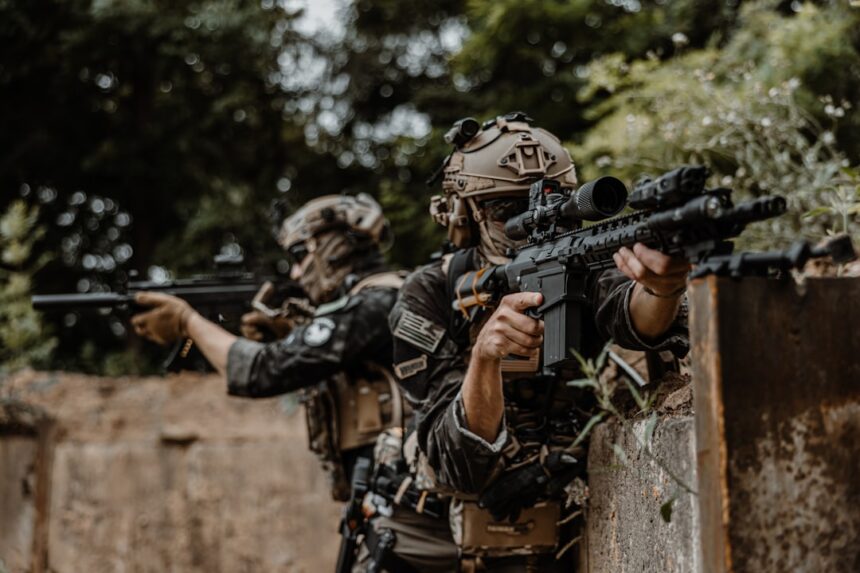
Private Military Contractors: Recruiting Veterans for Specialized Missions
The landscape of modern security is increasingly populated by non-state actors, and among these, Private Military Contractors (PMCs) have carved out a significant niche. These organizations, often operating with government contracts, provide a range of services, from logistical support and security details to combat operations and intelligence gathering. A common and vital element in the recruitment strategies of many PMCs is their reliance on military veterans. This article will delve into the motivations behind this recruitment model, the types of specialized missions veterans are often sought for, the advantages and challenges involved for both the contractors and the veterans, and the evolving role of PMCs in global security.
The decision by PMC’s to heavily recruit from the veteran population is rooted in a pragmatic assessment of available human capital. Years of rigorous training, exposure to high-stress environments, and experience in hierarchical structures make veterans a ready-made pool of skilled and disciplined individuals.
Transferable Skills and Acquired Experience
The core of a veteran’s value proposition lies in the direct applicability of their military training and experience to the demands of PMC operations. Military service instills a range of competencies that are difficult and time-consuming for civilian organizations to cultivate from scratch.
Technical Proficiencies
From operating complex machinery and maintaining sophisticated equipment to navigating challenging terrains and employing advanced communication systems, veterans possess a wide array of technical skills. These can range from the operation of armored vehicles and aircraft to the maintenance of communications networks and cyber security protocols. Specialized roles within the military, such as those in engineering, aviation, or signals, directly translate into valuable assets for PMCs engaged in logistics, transportation, or technical support.
Tactical Acumen and Operational Planning
The ability to assess threats, develop tactical plans, and execute them under pressure is a hallmark of military training. Veterans are accustomed to understanding operational environments, identifying potential risks, and formulating strategies to mitigate them. This includes skills in patrolling, surveillance, target acquisition, and convoy operations, all of which are frequently required in PMC deployments.
Discipline, Demeanor, and Adaptability
Military service fosters a strong sense of discipline, adherence to orders, and the ability to maintain composure in chaotic situations. Veterans are typically accustomed to rigid protocols, hierarchical structures, and working as part of a cohesive unit. This ingrained discipline is crucial for operating effectively in environments where rules of engagement are strict and where individual actions can have significant consequences. Furthermore, the constant exposure to diverse cultures and operating conditions during military service cultivates a degree of adaptability that is highly valued when deploying to unfamiliar and often volatile regions.
The Psychological Profile of a Suitable Candidate
Beyond technical skills, PMCs often seek individuals who possess certain psychological traits that are honed through military experience. These include resilience, a capacity for problem-solving, and a strong sense of duty.
Resilience and Grit
Military deployments often involve prolonged periods of hardship, isolation, and exposure to trauma. Veterans who have successfully navigated these challenges demonstrate a high level of psychological resilience and emotional fortitude. This “grit” is essential for enduring the demanding nature of PMC missions, which can involve extended deployments in remote or austere locations, and facing uncertain or hostile conditions.
Problem-Solving and Critical Thinking Under Duress
The military constantly presents soldiers with unforeseen challenges and complex situations that require quick and decisive action. Veterans are trained to analyze problems, evaluate available resources, and devise effective solutions, often under significant time constraints and high-stakes pressure. This critical thinking capability is invaluable in the dynamic and often unpredictable environments where PMCs operate.
Teamwork and Cohesion
Military units are built on a foundation of trust and reliance on one another. Veterans understand the importance of effective teamwork, communication within a team, and the necessity of supporting fellow operators. This ingrained understanding of unit cohesion is vital for PMCs, where mission success often hinges on the coordinated efforts of a diverse group of individuals.
Private military contractors (PMCs) have increasingly turned to veteran communities for recruitment, recognizing the unique skills and experiences that former service members bring to the table. An insightful article discussing this trend can be found at In The War Room, where the intersection of military service and private sector opportunities is explored. This resource highlights the benefits of hiring veterans in PMCs and the challenges they face in transitioning to civilian roles, providing a comprehensive overview of the current landscape in military contracting.
Specialized Mission Profiles for Veterans
The specific expertise and experience of veterans make them ideal candidates for a variety of specialized missions that fall outside the purview of traditional military deployments or standard civilian security roles. These missions often require a unique blend of technical skill, operational experience, and cultural understanding.
Close Protection and Executive Security
Providing security for high-profile individuals, such as diplomats, government officials, and corporate executives, is a critical role that PMCs frequently undertake. This demands specialized training in threat assessment, defensive driving, immediate action drills, and discreet surveillance.
Threat Assessment and Risk Mitigation
Veterans often possess an innate ability to identify potential threats in a crowded environment. Their training in situational awareness and threat recognition, developed through years of operational experience, allows them to proactively assess risks and implement appropriate mitigation strategies to ensure the safety of their principals.
Tactical Driving and Evasive Maneuvers
Close protection operations often involve the need to transport principals through potentially hostile areas. Veterans with experience in military convoy operations or specialized driving courses are highly sought after for their ability to navigate challenging road conditions, execute evasive maneuvers, and maintain control of vehicles under duress.
Discreet Surveillance and Counter-Surveillance
Understanding how to blend in, observe without being observed, and detect the presence of hostile surveillance is a crucial aspect of executive security. Military intelligence or reconnaissance roles often provide veterans with the necessary skills in these areas, making them invaluable for protecting individuals in sensitive environments.
Logistics and Supply Chain Security
Ensuring the safe and timely delivery of essential supplies, equipment, and personnel to remote or unstable regions is a complex undertaking. PMCs play a crucial role in providing security for these vital supply chains, often in areas where conventional military presence is limited.
Convoy Operations and Route Planning
Veterans with experience in leading or participating in military convoys are well-versed in the principles of route planning, security formations, and defensive tactics for movement through contested territories. This expertise is directly transferable to ensuring the security of PMC-led logistical operations.
Vulnerability Assessment and Security Audits
The ability to identify weaknesses in a supply chain, from logistical hubs to transit routes, is essential for effective security. Veterans often bring a practical understanding of operational vulnerabilities and can conduct thorough assessments to recommend and implement necessary security enhancements.
Risk Management in Austere Environments
Operating in remote and challenging environments requires a comprehensive understanding of the risks involved, from environmental hazards to local security concerns. Veterans who have served in such regions possess invaluable practical knowledge that aids in the effective management of these risks for logistical operations.
Security Intelligence and Information Gathering
The collection and analysis of information are critical for understanding threat landscapes, identifying emerging risks, and supporting operational decision-making. PMCs often leverage the skills of veterans with backgrounds in intelligence, reconnaissance, or analysis.
Source Development and Human Intelligence (HUMINT)
Veterans with experience in intelligence roles may have developed skills in building relationships with local sources, eliciting information, and understanding cultural nuances that facilitate intelligence gathering. This HUMINT capability is a significant asset for PMCs operating in complex environments.
Open-Source Intelligence (OSINT) and Digital Forensics
In addition to traditional intelligence methods, PMCs are increasingly utilizing their capabilities in analyzing publicly available information and digital footprints. Veterans with technical aptitude and analytical skills may be involved in OSINT gathering and basic digital forensics.
Threat Analysis and Reporting
The ability to synthesize disparate pieces of information, identify patterns, and produce concise and actionable intelligence reports is a key requirement. Military intelligence analysts, in particular, possess the training and experience necessary for this critical function.
Specialized Training and Advisory Roles
Beyond direct operational roles, PMCs also recruit veterans to train and advise local security forces or civilian personnel in various capacities. This leverages their extensive experience in military doctrine, equipment usage, and operational best practices.
Tactical Training and Doctrine Instruction
Veterans can impart their knowledge of fundamental military tactics, small unit operations, and established doctrines to indigenous forces or contracted personnel. This ensures a consistent and effective approach to security operations.
Equipment Familiarization and Maintenance Training
Many specialized military roles involve extensive knowledge of specific equipment. Veterans can provide training on the operation, maintenance, and troubleshooting of various systems, from communication gear to vehicles and weaponry.
Range Operations and Firearm Proficiency Instruction
Their inherent firearm proficiency and experience in instructing others in safe and effective weapon handling make veterans ideal for training roles related to marksmanship and tactical shooting.
Advantages and Challenges for Private Military Contractors
The recruitment of veterans presents PMCs with distinct advantages, but also a unique set of challenges in managing this specialized workforce.
The ROI of Veteran Recruitment
Hiring veterans offers PMCs a compelling return on investment, primarily through reduced training costs and increased operational readiness.
Reduced Recruitment and Training Costs
The rigorous and comprehensive training provided by national militaries means that veterans arrive with a baseline of skills and discipline that significantly reduces the investment PMCs need to make in initial training. This translates to faster deployment times and immediate operational capability.
Enhanced Operational Readiness and Effectiveness
The experience of veterans in high-pressure environments and their familiarity with military protocols and procedures mean they can often be deployed to missions with minimal ramp-up time. This contributes directly to the effectiveness and success of PMC operations, bolstering their reputation and future contract prospects.
Loyalty and a Strong Work Ethic
Many veterans possess a deep-seated sense of loyalty and a strong commitment to completing their assigned tasks. This inherent work ethic and dedication contribute to a more reliable and productive workforce, which is crucial for PMCs operating in demanding environments.
Navigating the complexities of a Veteran Workforce
While advantageous, managing a workforce composed primarily of veterans also presents specific considerations for PMCs.
Cultural Integration and Civilianization
A significant challenge for PMCs is facilitating the transition of veterans from a military culture to a civilian-centric contracting environment. This involves addressing different hierarchical structures, communication styles, and expectations regarding individual autonomy.
Post-Traumatic Stress Disorder (PTSD) and Mental Health Support
The experiences endured by many veterans can lead to psychological challenges, including PTSD. PMCs have a responsibility to provide adequate mental health support and resources to their veteran employees, which can involve significant investment in counseling services and mental health professionals.
Retention and Career Progression
Ensuring long-term retention requires PMCs to offer competitive compensation, opportunities for career advancement, and a supportive work environment. Without these, even highly skilled veterans may seek opportunities elsewhere, impacting the continuity and expertise within the organization.
Advantages and Challenges for Veterans
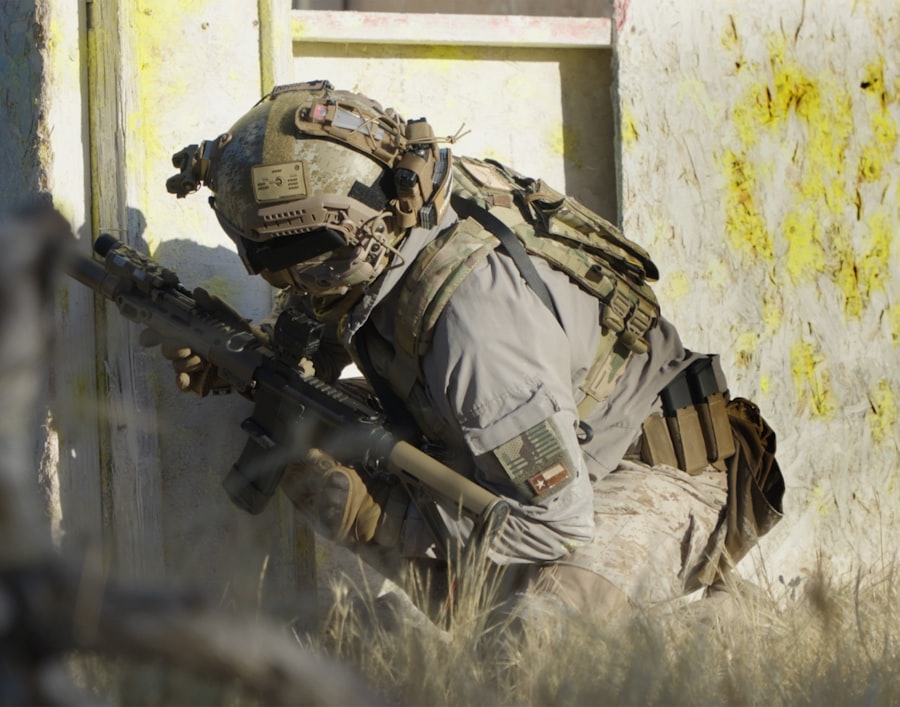
The decision to transition from military service to a career as a Private Military Contractor is a significant one, offering veterans both compelling opportunities and unique challenges.
The Lure of Opportunity and Continued Service
For many veterans, the appeal of PMC work lies in the continuation of a career that utilizes their skills and provides a sense of purpose, often with financial rewards.
Financial Remuneration and Benefits
PMC contracts can offer competitive salaries and attractive benefit packages, often exceeding what is available in the civilian sector for comparable skill sets. This financial incentive is a significant draw for many veterans seeking to provide for their families.
Skill Utilization and Professional Fulfillment
The opportunity to continue utilizing their military skills and experience in challenging and meaningful roles can be highly fulfilling for veterans. It allows them to remain engaged in the type of work they were trained for, contributing to their sense of professional identity and purpose.
Exposure to New Environments and Cultures
PMC deployments often involve working in diverse and sometimes exotic locations, offering veterans the chance to experience new cultures and broaden their horizons, something that can be a significant personal enrichment.
The Personal and Professional Landscape of a PMC
The reality of PMC work, however, comes with its own set of considerations that veterans must carefully evaluate.
Operational Risks and Safety Concerns
Despite extensive training, PMC operations can be inherently dangerous, particularly when operating in conflict zones or high-threat environments. Veterans must accept a level of personal risk that may be higher than in many traditional civilian roles.
ethical and Moral Dilemmas
The nature of PMC work can sometimes place individuals in ethically complex situations. Veterans may find themselves grappling with questions of accountability, the use of force, and their role in contexts where civilian governance may be weak or absent.
Work-Life Balance and Family Impact
The demanding nature of PMC deployments, which often involve extended periods away from home, can significantly impact work-life balance and family relationships. Maintaining strong connections with loved ones while on deployment requires dedicated effort and support systems.
Legal and Regulatory Ambiguities
The legal and regulatory frameworks governing PMCs can sometimes be complex and opaque. Veterans in these roles may face unique legal challenges and must be aware of their rights and responsibilities in different jurisdictions.
Private military contractors often seek to recruit individuals with military backgrounds, and this has led to a growing interest in how veteran communities can navigate these opportunities. A related article that delves into this topic can be found at In the War Room, where discussions about the challenges and benefits of transitioning from military service to private contracting are explored. Understanding these dynamics is crucial for veterans considering a career shift into the private sector.
The Evolving Role of Private Military Contractors
| Metrics | Data |
|---|---|
| Number of veteran community members recruited | 200 |
| Percentage of veterans in the private military contractor workforce | 30% |
| Retention rate of veteran hires | 85% |
| Training programs specifically for veterans | Yes |
The landscape of private military contracting is not static. It continues to evolve in response to geopolitical shifts, technological advancements, and changing governmental needs. The recruitment of veterans is integral to this evolution.
Adapting to New Operational Demands
As global security challenges evolve, so too do the demands placed upon PMCs. This requires them to continuously adapt their service offerings and recruit individuals with emerging skill sets.
Technological Integration and Cybersecurity
The increasing reliance on technology in modern warfare and security operations means PMCs require personnel with expertise in areas like cybersecurity, drone operation, data analysis, and electronic warfare. Veterans with technical backgrounds are increasingly sought for these roles.
Specialized Niche Services
Beyond traditional security and logistics, PMCs are increasingly providing highly specialized services, such as demining, forensic analysis, and maritime security. These niche areas often require very specific skill sets and rigorous training, which veterans can often provide.
Cultural Competency and Language Skills
Operating effectively in diverse global environments requires a high degree of cultural competency and often a proficiency in local languages. PMCs are increasingly seeking veterans who possess these attributes, enabling smoother interactions and more effective operations.
The Future of Veteran Employment in the PMC Sector
The demand for skilled and experienced personnel in the PMC sector is likely to remain strong, ensuring a continued role for veterans.
Increased Demand for Specialized Expertise
As complex global challenges persist, the need for skilled professionals in areas like intelligence, logistics, and highly technical support will continue to drive demand for veterans within the PMC industry.
Partnerships with Government and International Organizations
The established relationships between some governments and PMCs are likely to continue, providing a stable source of contracts and opportunities for veteran employment. Moreover, international organizations may increasingly look to PMCs for specialized support in conflict resolution and humanitarian aid efforts.
Focus on Professionalization and Ethical Standards
As the PMC industry matures, there is a growing emphasis on professionalization, ethical conduct, and greater accountability. This will likely lead to more robust vetting processes for recruits, including veterans, and a greater focus on upholding international humanitarian law and human rights.
In conclusion, the recruitment of veterans by Private Military Contractors is a strategic imperative for organizations seeking to leverage specialized skills and experience. While offering veterans significant opportunities for continued service and financial reward, the reality of PMC work demands careful consideration of the inherent risks and ethical complexities. As the global security landscape continues to transform, the role of veterans within the PMC sector will undoubtedly remain a crucial element in addressing a diverse range of specialized missions.
FAQs
What is a private military contractor (PMC)?
A private military contractor (PMC) is a private company that provides armed security and military services to governments, corporations, and other organizations. PMCs often recruit former military personnel and veterans for their expertise and experience.
How do private military contractors recruit from veteran communities?
Private military contractors often recruit from veteran communities through job fairs, online job postings, and networking events specifically targeted at veterans. They may also work with veteran organizations and military transition programs to connect with potential recruits.
What are the requirements for veterans to join a private military contractor?
Requirements for veterans to join a private military contractor vary depending on the company and the specific role. Generally, veterans must have military experience, specialized skills, and often security clearances. Some PMCs may also require additional training or certifications.
What are the benefits of working as a private military contractor for veterans?
Working as a private military contractor can provide veterans with the opportunity to continue using their military skills and experience in a civilian capacity. It can also offer competitive pay, benefits, and the chance to work on challenging and high-profile assignments.
What are some considerations for veterans thinking about joining a private military contractor?
Veterans considering joining a private military contractor should carefully research the company, understand the potential risks and challenges of the work, and consider how it aligns with their long-term career goals. They should also seek advice from fellow veterans and consider the potential impact on their personal and family life.