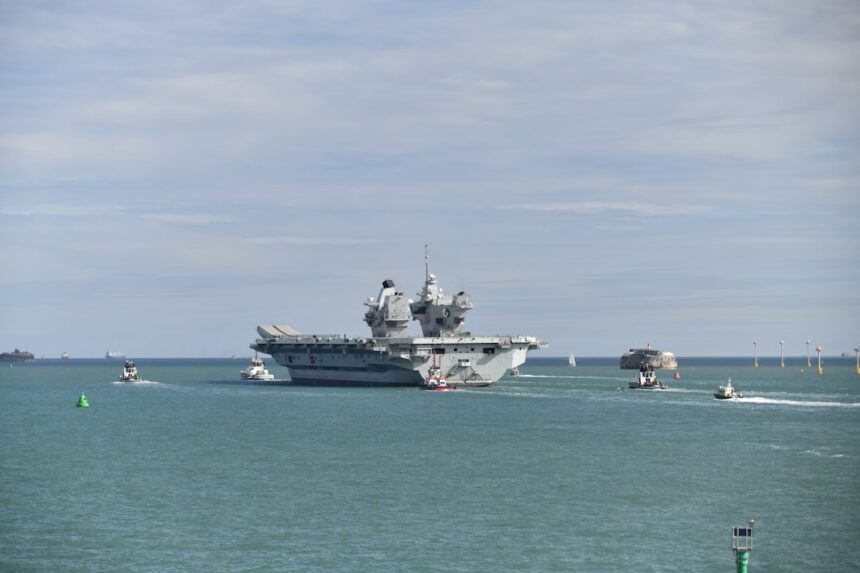
You often hear about the gleaming titans of naval power: the aircraft carriers, the destroyers bristling with advanced weaponry, the submarines that glide unseen beneath the waves. These are the visible deterrents, the celebrated sentinels of international waters. But beneath this well-lit surface, a far more insidious threat has been evolving, one that bypasses the very systems designed to ensure maritime security. You are now facing the reality of the Shadow Fleet.
The arteries of global trade are vast, intricate, and heavily monitored. Billions of tons of goods traverse the oceans daily, a testament to your interconnected world. This flow is vital, supporting economies, providing resources, and connecting communities. However, beneath the apparent order lies a growing vulnerability, a clandestine network that is beginning to challenge the established norms of maritime security.
The Illusion of Transparency
For decades, the maritime industry has operated under a veneer of transparency. Flag registries, classification societies, and international bodies have striven to create a framework of accountability. You’ve relied on these systems to identify vessels, assess their seaworthiness, and regulate their operations. Yet, this perceived transparency has become increasingly porous, allowing for the creation of a shadow fleet that operates just beyond the reach of traditional oversight.
The Role of Flag States
The concept of a flag state is fundamental to maritime law. It is the nation under whose flag a vessel is registered, and which bears the primary responsibility for its regulation and the enforcement of international conventions. However, the ease with which vessels can be registered under flags of convenience, often in jurisdictions with laxer regulations and lower oversight, has created fertile ground for the Shadow Fleet. These “flags of convenience” can offer financial advantages and reduce compliance burdens, making them attractive to those seeking to operate with less scrutiny.
The Evolution of Classification Societies
Classification societies play a crucial role in certifying the structural integrity and operational readiness of vessels. They are meant to be independent arbiters of safety standards. However, the competitive nature of this industry, coupled with the financial incentives offered by shipowners, can sometimes lead to a dilution of standards. This is particularly concerning when dealing with older vessels transitioning into the Shadow Fleet, where a less rigorous inspection regime could mean the difference between a safe passage and a catastrophic incident.
The Economic Drivers of Circumvention
The rise of the Shadow Fleet is not simply a matter of regulatory loopholes; it is deeply rooted in economic realities. The constant pressure to reduce costs and maximize profits in the fiercely competitive shipping industry creates a powerful incentive to find ways around established rules, especially when those rules involve significant expenditures on maintenance, safety equipment, and environmental compliance.
The allure of the “Older and Cheaper”
As international regulations on emissions, ballast water management, and waste disposal become stricter and more costly to implement, owners of older vessels are often faced with an impossible choice: invest heavily in upgrades or find a way to continue operating profitably without them. This is where the Shadow Fleet finds its clientele. These vessels, often nearing the end of their economically viable lifespan under conventional trade, can be repurposed for discreet operations which are less concerned with strict environmental standards or regular, expensive dry-docking.
The Demand for Illicit Cargo
Beyond the economic pressures on shipowners, there is also a demand for the services of the Shadow Fleet. The transport of sanctioned goods, contraband, or even goods intended to circumvent tariffs and duties requires vessels that can operate with a low profile. These are not the registered cargo ships that pass through well-documented ports. They are vessels that avoid the spotlight, facilitating a trade that the global community has deemed undesirable or illegal.
In exploring the complexities of maritime security, a related article titled “Navigating the Shadows: The Rise of Unregulated Maritime Operations” provides valuable insights into how illicit operations, such as those conducted by shadow fleets, manage to circumvent established security measures. This article delves into the tactics employed by these fleets and the implications for global trade and safety. For more information, you can read the article here: Navigating the Shadows: The Rise of Unregulated Maritime Operations.
Unmasking the Vessels: Tactics of Obscurity
The Shadow Fleet does not announce its presence. Its very existence is a testament to its ability to blend into the vast anonymity of the maritime domain. You will not find these ships listed in public shipping directories or trackable on standard AIS (Automatic Identification System) data feeds without careful scrutiny. Their operators have become adept at employing a range of tactics to maintain their obscurity.
The Art of AIS Manipulation
AIS is a transponder system that broadcasts a ship’s identity, position, course, and speed. It is a cornerstone of modern maritime traffic management and safety. However, the Shadow Fleet has found ways to subvert this system.
Deliberate Disabling and Spoofing
The simplest method is to simply turn off the AIS transponder. While this is illegal and raises immediate suspicions, it is a common practice for vessels engaged in illicit activities. More sophisticated actors employ AIS spoofing, broadcasting false information or deliberately misidentifying their vessel. This can lead maritime authorities and port state controls on a wild goose chase, allowing the real vessel to slip through the net unnoticed.
Ghosting and Obscured Routes
Another tactic is “ghosting,” where vessels deliberately avoid known shipping lanes, opting for more remote routes. They may also rely on outdated or unregistered transponders, or periodically disable them to avoid detection during critical transit periods. This level of deliberate evasion makes tracking and intercepting these vessels a significant challenge.
The Importance of Beneficial Ownership Information
Understanding who truly owns and controls a vessel is crucial for accountability. The Shadow Fleet thrives on opacity in ownership structures, making it difficult to trace illicit activities back to their ultimate beneficiaries.
Shell Corporations and Nominee Directors
The creation of complex webs of shell corporations and the use of nominee directors are standard operating procedures for obscuring beneficial ownership. These layers of corporate structures, often registered in offshore financial centers, make it incredibly difficult for law enforcement and regulatory bodies to determine who is truly in charge and who is profiting from the operations of these vessels.
The Challenge of International Enforcement
When ownership is scattered across multiple jurisdictions, each with its own data privacy laws and reporting requirements, the task of uncovering the truth becomes a monumental undertaking. International cooperation is essential, but the practicalities of obtaining and sharing such sensitive financial information can be a significant hurdle.
The Loopholes in International Law and Enforcement
While international maritime law is comprehensive, its enforcement is often decentralized and dependent on the cooperation and capacity of individual states. This creates vulnerabilities that the Shadow Fleet exploits with chilling efficiency.
Inconsistent Flag State Implementation
As previously mentioned, the effectiveness of flag state oversight varies dramatically. Some states have robust maritime administrations and a commitment to enforcing international conventions. Others, however, lack the resources or the political will to effectively monitor vessels flying their flag. This disparity creates havens for operators who wish to skirt the rules.
The Burden on Port State Control
Port State Control (PSC) is a critical mechanism for ensuring that foreign-flagged vessels comply with international conventions while in a nation’s ports. However, PSC regimes are often understaffed and overstretched. They cannot inspect every vessel, and if a vessel’s flag state has failed to adequately regulate it, PSC may have limited recourse, especially if the vessel has circumvented initial checks.
The Limitations of Sanctions Enforcement
When sanctions are imposed on certain entities or nations, the Shadow Fleet can be used to circumvent these restrictions. This is particularly problematic when dealing with oil imports or exports from sanctioned countries. The complexity of trade routes, the use of clandestine ship-to-ship transfers, and the lack of transparency in ownership make it incredibly difficult to identify and intercept sanctioned cargoes.
The Need for Coordinated International Action
Addressing the Shadow Fleet requires a level of international cooperation that has historically been difficult to achieve. Global issues demand global solutions, and the maritime domain is no exception.
Intelligence Sharing and Collaboration
Effective intelligence sharing between maritime security agencies, financial intelligence units, and law enforcement bodies globally is paramount. Without a coordinated approach, individual nations can only address a fraction of the problem. The ability to connect the dots between suspicious vessel movements, financial transactions, and known illicit actors is crucial.
Harmonizing Regulations and Enforcement Mechanisms
Efforts to harmonize maritime regulations and enforcement mechanisms across different jurisdictions are essential. This includes working towards stronger international agreements on beneficial ownership transparency and developing standardized protocols for identifying and addressing vessels that operate outside the established maritime order.
The Escalating Risks: Safety, Security, and the Environment
The Shadow Fleet is not merely an economic phenomenon posing a threat to fair trade. Its operations carry significant risks that extend to maritime safety, global security, and the health of our oceans.
The Perils of Unseaworthy Vessels
When vessels are operated with minimal maintenance and bypass rigorous safety inspections, the risk of accidents skyrocket. These are not just isolated incidents; they have the potential for catastrophic consequences.
Increased Risk of Collisions and Groundings
Older, poorly maintained vessels are more prone to mechanical failures, which can lead to collisions with other ships or groundings in busy shipping lanes. The lack of accurate AIS data exacerbates this risk, as other vessels may not be aware of their presence or intentions.
Spills and Environmental Damage
The environmental impact of a poorly maintained vessel operating outside regulatory oversight is devastating. The risk of oil spills, chemical leaks, and the discharge of hazardous waste into the oceans is significantly higher. These incidents can have long-lasting, detrimental effects on marine ecosystems and coastal communities.
Facilitating Transnational Crime and Terrorism
The Shadow Fleet provides a discreet and often untraceable means of transport for a variety of illicit activities. This directly undermines global security efforts and empowers criminal organizations.
Smuggling and Contraband Trafficking
The transport of drugs, weapons, and other illicit goods is a primary function of the Shadow Fleet. Its ability to operate without scrutiny makes it an attractive option for criminal networks seeking to maximize their profits by evading detection and interception.
Potential for Terrorist Activity
While less frequently discussed, the potential for the Shadow Fleet to be used for terrorist purposes cannot be ignored. The ability to move personnel or materials clandestinely across vast distances presents a significant security concern, bypassing traditional border controls and surveillance mechanisms.
In exploring the complexities of maritime security, one might find it insightful to read about the various tactics employed by illicit operations. A related article discusses the intricate methods used by shadow fleets to circumvent established security measures, shedding light on the broader implications for global trade and safety. For a deeper understanding of these challenges, you can check out this informative piece here.
Charting a Course Forward: Reclaiming Maritime Security
| Method | Description |
|---|---|
| False Flags | Ships disguise their identity by flying flags of other countries. |
| AIS Manipulation | Manipulating the Automatic Identification System to broadcast false information about their position and identity. |
| Dark Ship Operations | Operating without broadcasting AIS signals to avoid detection. |
| Transshipment at Sea | Transferring illegal cargo between ships at sea to avoid detection at ports. |
The challenge posed by the Shadow Fleet is significant, but not insurmountable. Moving forward requires a multi-faceted approach that combines technological innovation, enhanced international cooperation, and a renewed commitment to upholding existing regulations.
Enhancing Monitoring and Intelligence Capabilities
You must invest in the tools and technologies that can pierce the veil of obscurity employed by the Shadow Fleet. This includes leveraging advanced satellite surveillance, sophisticated data analytics, and an increased reliance on human intelligence.
Advanced Satellite and Drone Technology
The deployment of advanced satellite imagery and drone technology can provide real-time surveillance of maritime areas, identifying anomalous vessel behavior, unusual ship-to-ship transfers, and vessels that are deliberately masking their identity.
Predictive Analytics and Pattern Recognition
By analyzing vast datasets of maritime traffic, port calls, ownership registries, and financial transactions, you can develop predictive models to identify potential Shadow Fleet operations and flag suspicious vessels and routes for further investigation.
Strengthening International Cooperation and Enforcement
The global nature of the maritime domain necessitates a robust and coordinated international response. This means fostering stronger alliances and developing more effective mechanisms for shared responsibility and enforcement.
Joint Task Forces and Information Sharing Platforms
Establishing joint task forces comprised of maritime law enforcement, intelligence agencies, and financial regulators from multiple nations can significantly enhance operational effectiveness. Robust, secure information-sharing platforms are crucial for the timely dissemination of intelligence and the coordination of enforcement actions.
Diplomatic Pressure and Capacity Building
Applying diplomatic pressure on states that fail to adequately regulate vessels flying their flag is essential. Furthermore, providing capacity-building assistance to nations with limited resources can help them strengthen their maritime regulatory frameworks and improve their enforcement capabilities.
Reforming Regulatory Frameworks and Promoting Transparency
Ultimately, the long-term solution lies in closing the loopholes that allow the Shadow Fleet to thrive. This requires a proactive approach to regulatory reform and a commitment to greater transparency throughout the maritime industry.
Mandatory Beneficial Ownership Transparency
Implementing mandatory beneficial ownership registration for all vessels, with publicly accessible registries, would be a significant step towards dismantling the opaque structures that shield illicit operators.
Stricter Enforcement of Existing Conventions
A renewed focus on the strict enforcement of existing international maritime conventions, coupled with increased penalties for non-compliance, would disincentivize operators from resorting to Shadow Fleet tactics. This includes rigorous inspections, robust penalties for AIS violations, and swift action against vessels found to be operating in contravention of environmental and safety standards.
The Shadow Fleet represents a complex and evolving threat to maritime security. By understanding its origins, tactics, and risks, and by committing to a coordinated and technology-driven approach, you can begin to reclaim the integrity of your global maritime commons and ensure that the vital arteries of international trade remain secure and transparent.
FAQs
What is the shadow fleet?
The shadow fleet refers to a network of vessels that operate outside of traditional maritime regulations and oversight, often engaging in illegal activities such as smuggling, human trafficking, and piracy.
How does the shadow fleet bypass maritime security?
The shadow fleet bypasses maritime security through various means, including using false documentation, exploiting loopholes in international regulations, and operating in remote or poorly monitored areas.
What are the implications of the shadow fleet for maritime security?
The shadow fleet poses significant challenges to maritime security, including threats to global trade, environmental damage from illegal activities, and risks to the safety and well-being of seafarers.
What measures are being taken to address the activities of the shadow fleet?
Efforts to address the activities of the shadow fleet include increased international cooperation, improved monitoring and surveillance technologies, and stricter enforcement of maritime regulations.
What can individuals and organizations do to help combat the activities of the shadow fleet?
Individuals and organizations can help combat the activities of the shadow fleet by reporting suspicious maritime activities, supporting initiatives to improve maritime security, and advocating for stronger regulations and enforcement measures.