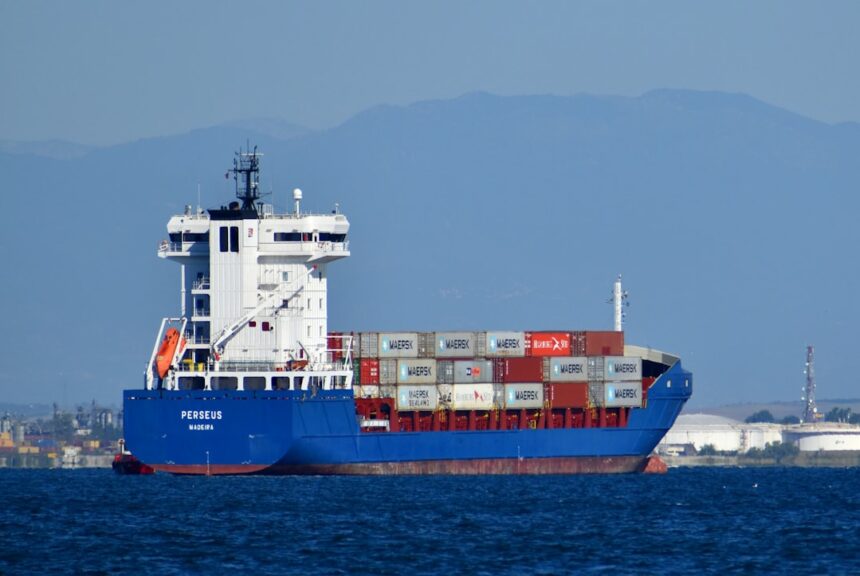
You’re standing on the deck, the wind whipping salt and spray across your face. Below you, the vast expanse of the ocean stretches to the horizon, a seemingly placid canvas that belies the complex ballet of maritime operations unfolding all around. Your vessel, a behemoth of steel and cargo, is about to engage in a delicate maneuver – a ship-to-ship (STS) transfer. This isn’t a routine docking procedure; it’s a complex operation performed at sea, often in challenging conditions, where precision, communication, and a robust security posture are paramount.
The term “gray zone” perfectly encapsulates the environment of an STS transfer. It’s a realm where standard port security protocols don’t fully apply, and where the inherent risks of maritime transit are amplified. You’re not nestled safely within protective breakwaters; you’re exposed, vulnerable, and relying on a meticulously planned and executed process. The smooth flow of global commerce hinges on your ability to conduct these transfers efficiently and, more importantly, securely. This isn’t just about preventing the loss of cargo or the delay of a shipment; it’s about safeguarding lives, protecting your vessel, and maintaining the integrity of international trade routes.
Understanding the Fundamental Risks
Before you even consider the protocols and technologies, an honest appraisal of the inherent risks is essential. The ocean is a dynamic and unpredictable environment, and the very act of bringing two large vessels into close proximity introduces a unique set of vulnerabilities.
Environmental Factors as Threat Multipliers
The sea itself is a constant variable that can rapidly escalate security concerns.
Weather’s Unpredictable Influence
Familiarize yourself with the forecast, but be prepared for it to change without warning. Storms can create dangerous seas, making precise maneuvering incredibly difficult. In such conditions, even minor miscalculations can lead to severe damage to both vessels, stranding them or even causing a catastrophic loss. Beyond the immediate physical threat, severe weather can also hinder emergency response efforts, leaving you isolated if something untoward occurs.
Sea State and Visibility
Swell and surge can create unpredictable motion, making the alignment of fenders and hoses a challenging task. Low visibility, whether due to fog, rain, or darkness, significantly increases the risk of collision. Effective communication becomes strained, and visual cues, crucial for judging distances and relative positions, are obscured. You must be prepared to delay or abort the transfer if these environmental conditions compromise safety or security.
Operational Complexities and Human Element
The STS transfer is a highly technical operation, and even with the best training, human error remains a potent risk.
Communication Breakdowns
Misunderstandings between the two vessels can have immediate and severe consequences. Even a slight misinterpretation of a command or a delayed response can lead to a collision. The reliance on radio communication requires clear, concise language, standardized procedures, and consistent verification of messages. Cultural differences in communication styles or language barriers can further exacerbate this risk.
Equipment Malfunctions
Hoses, fenders, mooring lines – the specialized equipment used in STS operations is subjected to significant stress. A failure in any of these components at a critical moment can lead to uncontrolled movement, potential collisions, or the loss of product being transferred. Regular inspections and maintenance are not optional; they are a fundamental security measure.
Inadequate Training and Competency
The crew involved in an STS transfer must be thoroughly trained and competent in their specific roles. Inexperience or insufficient familiarity with the procedures can result in critical errors. This isn’t just about understanding the theory; it’s about practical, hands-on experience in various scenarios.
Ship-to-ship transfer operations have become a focal point in discussions about gray zone security, particularly in maritime regions where legal ambiguities can lead to illicit activities. A related article that delves into the complexities of these operations and their implications for international security can be found at this link. The article explores how such transfers can be exploited for smuggling and other nefarious purposes, highlighting the need for enhanced monitoring and regulation in these critical areas.
Pre-Transfer Security: The Foundation of a Secure Operation
Security in an STS transfer begins long before the two vessels are within visual range. It’s a proactive, multi-layered approach that starts with meticulous planning and stringent vetting.
Rigorous Vessel and Crew Vetting
You cannot afford to be complacent about the identity and intentions of the other participating vessel.
Background Checks on the Counterparty Vessel
Who are they? What is their history? Thoroughly investigate the owning company, the charterer, and the vessel’s operational record. Look for any red flags, such as previous security incidents, overdue repairs, or unusual trading patterns. This due diligence is a critical first step in mitigating the risk of associating with an untrustworthy partner.
Crew Verification and Pre-Briefing
Ensure the crew of the other vessel is properly qualified and has undergone necessary security training. This extends to understanding their familiarity with STS procedures. A pre-transfer briefing, involving key personnel from both ships, is crucial to establish a common understanding of protocols, communication plans, and emergency procedures. This is not a formality; it’s an opportunity to assess their professionalism and commitment to safety and security.
Comprehensive Risk Assessment and Planning
A generic plan simply won’t suffice. Each STS operation carries its own unique set of risks.
Site-Specific Risk Assessment
Consider the geographical location. Is it a high-traffic area? Are there known piracy or security threats in the region? Are there specific navigational hazards? Your assessment should identify all potential risks associated with the chosen transfer location and incorporate mitigation strategies accordingly.
Detailed Operational Plan Development
This plan should be a comprehensive document outlining every step of the transfer. It needs to cover aspects such as vessel positioning, fender deployment, hose connection and disconnection, the transfer process itself, and emergency procedures. Crucially, it must clearly define roles and responsibilities for all personnel involved.
During-Transfer Security Measures: Vigilance and Control
Once the vessels are alongside each other, the focus shifts to maintaining constant vigilance and exerting precise control over the operation. The security measures implemented at this stage are designed to prevent immediate threats and address emergent risks.
Enhanced Surveillance and Monitoring
Your eyes and ears must be everywhere, anticipating potential issues.
Continuous Visual Monitoring
Maintain constant visual observation of both vessels, the connecting hoses, and the surrounding environment. Look for any signs of unusual activity, unexpected movement, or potential breaches in security (e.g., unauthorized approaches). This requires dedicated personnel with clear fields of vision.
Radar and AIS Monitoring
Utilize radar to monitor the approach of any other vessels and to maintain situational awareness of your immediate surroundings. Ensure Automatic Identification System (AIS) is operational and broadcasting for both vessels, providing vital tracking and identification information. Any anomalies in AIS data should be investigated immediately.
Robust Communication and Coordination Protocols
Effective communication is the lifeblood of a secure STS transfer.
Standardized Communication Procedures
Adhere strictly to internationally recognized communication protocols and terminology. Use clear, concise language, and confirm all critical instructions. Avoid jargon or ambiguous phrases that could lead to misinterpretation.
Designated Communication Channels
Establish dedicated communication channels for the STS operation, ensuring that critical information is not lost in general shipboard chatter. Consider using a separate channel solely for the STS operations team.
Emergency Contact Procedures
Ensure that all relevant emergency contact information for both vessels, as well as external authorities, is readily available and that the communication flow in case of an incident is clearly understood.
Mitigating Specific Security Threats
Beyond the general operational risks, you must be prepared to address specific security threats that could arise during an STS transfer.
Anti-Piracy and Anti-Theft Measures
The vulnerability of vessels at sea, especially during transfers, makes them targets.
Physical Security Fortifications
Is your vessel equipped with appropriate physical security measures, such as citadels, secure access points, and reinforced lighting? These are part of your overall security posture.
Dedicated Security Personnel and Protocols
Have you established clear protocols and designated personnel for responding to security threats? This includes the use of watch teams, access control, and clear procedures for reporting and escalating incidents. The presence of trained security personnel, if applicable, should be integrated seamlessly into the STS operation.
Use of Non-Lethal Deterrents
Familiarize yourself with and have readily available non-lethal deterrents as per your security plan. Their effective and legal deployment can be crucial in repelling unauthorized boarding.
Unauthorized Access Prevention
The ease of access to a ship at sea makes preventing unauthorized boarding a constant concern.
Access Control Measures
Implement strict access control measures for gangways, pilot ladders, and any other means of boarding. All personnel coming aboard must be properly identified and authorized.
Vigilance Against Stowaways
Maintain heightened vigilance for potential stowaways who may attempt to board during the STS operation, especially in regions known for this risk.
In recent discussions surrounding gray zone security, the complexities of ship-to-ship transfers have garnered significant attention. These operations often occur in contested maritime environments, raising concerns about regulatory compliance and potential illicit activities. For a deeper understanding of the implications and strategies involved in navigating these challenges, you can explore a related article on this topic at In the War Room, which provides valuable insights into the evolving landscape of maritime security.
Post-Transfer Security and Continuous Improvement
The operation doesn’t end when the hoses are disconnected and the vessels separate. A thorough post-transfer review and a commitment to continuous improvement are vital for long-term security.
Debriefing and Incident Reporting
Every operation provides an opportunity to learn.
Comprehensive Post-Transfer Debriefing
Conduct a thorough debriefing with all key personnel involved in the STS transfer. Discuss what went well, what could have been improved, and any security concerns that arose. This is a critical step in identifying lessons learned.
Detailed Incident Reporting and Analysis
If any security incidents, near misses, or deviations from the plan occurred, ensure they are meticulously documented and reported. Analyze the root causes of these events to prevent recurrence.
Systemic Review and Training Updates
Security is not static; it evolves.
Review of Security Protocols and Procedures
Based on debriefings and incident reports, review and update your STS security protocols and procedures. Ensure they remain relevant and effective in light of current threats and best practices.
Refresher Training and Drills
Incorporate lessons learned into regular crew training. Conduct periodic drills to reinforce security procedures and ensure crew competency in responding to various scenarios. This ongoing commitment to training and preparedness is paramount.
Your role in navigating the gray zone of ship-to-ship transfer security is one of constant vigilance, meticulous planning, and unwavering commitment to established protocols. The smooth functioning of global trade, the safety of your crew, and the integrity of your vessel depend on your ability to execute these complex operations with precision and a robust security mindset. It’s a demanding task, but one that you are equipped to handle through diligent preparation and continuous learning.
FAQs
What is ship to ship transfer?
Ship to ship transfer is the process of transferring cargo or fuel from one ship to another while at sea. This can be done for a variety of reasons, including refueling, transferring goods between ships, or offloading cargo in areas where port facilities are not available.
What is the gray zone security concept in relation to ship to ship transfer?
Gray zone security refers to the ambiguous and contested space between war and peace, where actors use a combination of military, paramilitary, and civilian tactics to achieve their objectives. In the context of ship to ship transfer, gray zone security involves the use of unconventional and often covert methods to transfer illicit goods, such as weapons, drugs, or other contraband, between ships.
What are the security risks associated with ship to ship transfer?
The security risks associated with ship to ship transfer include the potential for smuggling illicit goods, such as weapons, drugs, or other contraband, as well as the risk of transferring goods to sanctioned or embargoed entities. Additionally, ship to ship transfer can be used by hostile actors to bypass traditional security measures and transport goods to conflict zones or other sensitive areas.
How do authorities monitor and regulate ship to ship transfer activities?
Authorities monitor and regulate ship to ship transfer activities through a combination of surveillance, intelligence gathering, and international cooperation. This may involve the use of satellite imagery, aerial reconnaissance, and maritime patrols to identify and track suspicious ship movements. Additionally, international agreements and regulations, such as the United Nations Convention on the Law of the Sea (UNCLOS) and the International Maritime Organization (IMO) guidelines, provide a framework for regulating and overseeing ship to ship transfer activities.
What measures can be taken to enhance security and mitigate the risks associated with ship to ship transfer?
Measures to enhance security and mitigate the risks associated with ship to ship transfer include increased surveillance and monitoring of maritime activities, improved intelligence sharing and cooperation between international partners, and the implementation of stricter regulations and enforcement mechanisms to prevent illicit activities at sea. Additionally, the use of technology, such as automatic identification systems (AIS) and electronic tracking devices, can help authorities to better monitor and control ship to ship transfer activities.