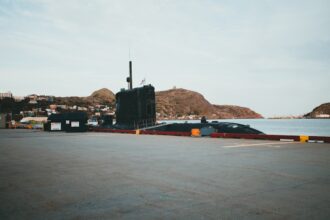
You’re likely already aware of the term “ghost fleet.” It conjures images of derelict vessels, silent and forgotten, drifting on the ocean’s surface. But the impact of these ghost fleets extends far beyond their melancholic aesthetic. They are a tangible force in the global economy, specifically influencing the price of diesel fuel. Understanding this connection requires a deep dive into the mechanics of shipping, the economics of fuel, and the often-overlooked consequences of an aging maritime infrastructure.
The vessels in question aren’t necessarily spectral in the supernatural sense. Rather, they refer to ships that are either laid up (idle but maintained), scrapped (being dismantled for materials), or have reached the end of their operational life and are awaiting disposal. These ships, even in their inactivity, have a profound and complex effect on the diesel market.
When market conditions turn unfavorable for shipping companies – be it due to overcapacity, plummeting freight rates, or economic downturns – a common strategy is to lay up a portion of their fleet. This process involves more than simply parking a ship.
Preparing for Idleness
Before a vessel can be laid up, it undergoes a careful decommissioning process. Fuel tanks are emptied of their remaining diesel, and storage areas are secured. Systems are often deactivated to minimize power consumption and prevent degradation. Depending on the duration of the planned lay-up, the vessel might be anchored in a designated holding area, moored to a quay, or even towed to a specific shipyard for more extensive preservation.
The Cost of Inactivity
While seemingly a cost-saving measure to avoid operating an unprofitable vessel, laying up a ship incurs its own set of expenses. These include:
- Maintenance and Preservation: Even when idle, ships require regular checks to prevent corrosion, hull damage, and the degradation of essential systems. This involves periodic inspections, antifouling treatments, and ensuring mooring systems are secure.
- Crew Costs: While a full crew is not required, a skeleton crew is often maintained to oversee the vessel, monitor its condition, and respond to any emergencies. This can still represent a significant payroll.
- Port and Anchorage Fees: If the vessel is anchored in a managed facility, fees for the anchorage or port usage are applicable.
- Insurance: Maritime insurance premiums remain a crucial expense, even for idle vessels, to protect against potential damage, collisions, or environmental incidents.
The decision to lay up a vessel is a direct economic calculation. If the cost of laying up a ship is less than the cost of operating it at sub-optimal freight rates, then lay-up becomes a rational, albeit temporary, solution. However, this directly impacts the supply of active vessels.
The impact of ghost fleets on global diesel prices has been a topic of significant discussion, particularly in light of recent supply chain disruptions. For a deeper understanding of how these ghost fleets are influencing not only diesel prices but also the broader shipping industry, you may find the article titled “The Rising Tide of Ghost Fleets: Implications for Global Trade” insightful. You can read it here: The Rising Tide of Ghost Fleets: Implications for Global Trade. This article delves into the complexities of maritime logistics and the economic ramifications of idle shipping vessels.
The Supply Side of Diesel Demand
The shipping industry is a colossal consumer of diesel fuel, specifically what is known as marine gasoil (MGO) or, for larger vessels, heavy fuel oil (HFO) which is often processed from crude oil and has a significant diesel component in its refining. The demand for diesel in this sector is directly tied to the number of ships actively plying the world’s trade routes.
Fleet Size and Operational Capacity
The total number of ships in operation globally dictates the baseline demand for marine fuels. When a significant portion of the fleet is laid up, the number of active vessels decreases. This reduction in operational capacity directly translates to a lower demand for diesel.
The Ripple Effect of Reduced Demand
A reduction in demand for marine diesel, even if it appears temporary, can have several immediate consequences:
- Impact on Refineries: Refineries that produce marine fuels will see a dip in orders. This can lead to adjustments in their production schedules and potentially influence their purchasing of crude oil.
- Storage of Less Fuel: With less demand, there’s a reduced need for a massive global stockpile of bunker fuel (the term for fuel used by ships). This can affect storage capacity utilization at ports.
- Price Sensitivity: While a reduction in demand might intuitively suggest lower prices, the impact on diesel prices is more nuanced due to the complex interplay of supply and demand across different sectors.
The Role of Decommissioning and Scrapping

Beyond temporary lay-ups, the definitive end of a ship’s life, known as scrapping or decommissioning, also plays a role. This process, while seemingly removing vessels from service permanently, has its own indirect effects on the diesel market.
The Scrapping Market Dynamics
The global market for scrapping vessels is influenced by several factors:
- Scrap Metal Prices: The primary economic driver for scrapping is the value of the recycled materials, particularly steel. Fluctuations in global steel prices directly impact the profitability of scrapping operations.
- Environmental Regulations: Increasingly stringent environmental regulations for maritime operations can accelerate the scrapping of older, less compliant vessels. This encourages owners to replace older ships with newer, more efficient ones.
- Geographical Concentration of Scrapping Yards: The majority of ship scrapping occurs in a few key countries, primarily in South Asia. The capacity and efficiency of these yards can influence the pace at which old vessels are removed from the global fleet.
Indirect Diesel Price Influences
The process of scrapping, while seemingly unrelated to diesel consumption by active ships, can have indirect impacts:
- Need for Towing and Transport: Older vessels often need to be towed to scrapping yards, which requires fuel for the towing vessels. Smaller vessels might be dismantled closer to their lay-up locations, but larger ocean-going vessels typically make a final voyage, sometimes under tow.
- Production of New Vessels: The scrapping of old vessels often coincides with the construction of new ones. The manufacturing of new ships, from steel production to shipyard operations, has its own energy consumption profile, and while not directly diesel, it’s part of the broader energy market. However, the most direct link to diesel prices comes from the reduced demand from active vessels.
- Shift in Fleet Efficiency: As older, less fuel-efficient vessels are scrapped and replaced by newer, more efficient models, the overall fuel consumption per unit of cargo transported can decrease. This, in turn, can gradually influence diesel demand over the long term.
The Impact of Ghost Fleets on Diesel Prices
The combined effect of laid-up, scrapped, and aging vessels, collectively referred to as ghost fleets in their various stages of inactivity, creates significant pressure points on global diesel prices.
Reduced Active Fleet and Overcapacity
When a large number of vessels are laid up due to overcapacity in the shipping market, it means there are more ships available than needed to transport the current volume of global trade. This directly reduces the demand for marine diesel. Refiners and fuel suppliers might find themselves with surplus diesel, leading to potential price declines.
However, the relationship isn’t always straightforward. The diesel market is interconnected with other fuel markets, and global crude oil prices play a dominant role.
The Crude Oil Connection
Marine diesel is derived from crude oil. Therefore, the price of crude oil is a primary determinant of diesel prices. While a reduction in marine diesel demand might suggest lower crude oil prices, the reality is more complex:
- Global Demand for Crude: The demand for crude oil is driven by multiple sectors, including transportation, petrochemicals, and industrial uses. A slowdown in marine demand might be offset by demand from other sectors.
- OPEC+ Decisions: Production decisions by major oil-producing nations often have a more significant impact on crude oil prices than isolated shifts in specific fuel consumption categories.
- Geopolitical Factors: Global events and political instability can cause price volatility in crude oil markets, often overshadowing the impact of changes in marine diesel demand.
Supply Chain Disruptions and Volatility
Paradoxically, a large number of laid-up vessels can also contribute to price volatility. If a sudden surge in demand occurs, and the readily available active fleet is insufficient to meet it, freight rates can skyrocket. This can lead to:
- Premium Pricing for Available Capacity: Shippers will pay a premium for the limited available vessel capacity. This can, in turn, support higher diesel prices as the cost of moving goods increases.
- Urgency in Reactivating Vessels: Companies might rush to reactivate laid-up vessels, which requires significant investment in reactivation and fuel to ferry them to operational ports. This can create a temporary spike in demand for diesel.
The phenomenon of ghost fleets has garnered significant attention due to its influence on global diesel prices, a topic explored in depth in a related article. This article examines the intricate connections between maritime logistics and fuel costs, shedding light on how abandoned ships can disrupt supply chains and lead to price fluctuations. For further insights, you can read more about this issue in the comprehensive analysis found here. Understanding these dynamics is crucial for stakeholders in the energy sector as they navigate the complexities of market trends.
The Global Economic Context
| Impact of Ghost Fleets on Global Diesel Prices |
|---|
| Increased demand for diesel |
| Disruption of shipping routes |
| Higher transportation costs |
| Potential supply chain delays |
| Rising diesel prices |
The impact of ghost fleets on diesel prices cannot be understood in isolation. The broader global economic landscape plays a crucial role in moderating or amplifying these effects.
Global Trade Volumes
The volume of goods being traded internationally is a primary driver of shipping demand. During periods of global economic expansion, trade volumes increase, leading to higher demand for shipping services and, consequently, marine diesel. Conversely, economic downturns result in reduced trade and a surplus of shipping capacity.
Refinery Operations and Strategic Reserves
The decision-making process of oil refineries is a critical factor. Refineries aim to optimize their output based on market demand and profitability.
- Crude Oil Slate: Refineries can adjust the type of crude oil they process. If marine diesel demand weakens, they might shift towards producing more gasoline or jet fuel, depending on market signals.
- Inventory Management: Strategic reserves of diesel are maintained globally to ensure supply stability. The presence of significant laid-up fleets can influence how these reserves are managed. If demand is expected to remain low, reserves might be drawn down, potentially influencing short-term price dynamics.
Environmental Policies and Energy Transitions
Longer-term trends also influence the impact of ghost fleets. The global shift towards decarbonization and the increasing adoption of alternative fuels in the maritime sector will gradually reduce the reliance on diesel.
- Demand for Traditional Fuels: As cleaner fuels become more prevalent, the demand for traditional marine diesel will naturally decline. This could accelerate the decommissioning of older, less efficient diesel-powered vessels and influence the decisions of shipping companies regarding new builds.
- Stranded Assets: The prospect of future regulations or market shifts might incentivize owners to scrap older vessels sooner rather than later, turning them into ghost fleets more rapidly.
In essence, you are looking at a complex, interconnected system where the decisions made by individual shipping companies, global economic fluctuations, geopolitical events, and the broader energy transition all converge to influence the price you ultimately pay at the pump for diesel, or for the goods that are transported using it. The dormant hulks of the ghost fleets are silent participants in this global economic dance, their inactivity a powerful signal within the diesel market.
FAQs
What are ghost fleets?
Ghost fleets are a collection of abandoned or decommissioned ships that are left to deteriorate in a particular area, often due to economic or environmental reasons.
How do ghost fleets impact global diesel prices?
Ghost fleets can impact global diesel prices by affecting the supply and demand dynamics of the shipping industry. When ghost fleets are brought back into service, it can increase the supply of shipping capacity, potentially leading to lower shipping costs and, consequently, lower diesel prices.
Where are ghost fleets commonly found?
Ghost fleets are commonly found in areas with favorable environmental conditions for ship storage, such as shallow waters, protected bays, or remote coastal areas. Examples of locations with ghost fleets include the coast of Bangladesh and the Suisun Bay in California.
What are the environmental impacts of ghost fleets?
Ghost fleets can have significant environmental impacts, including the release of pollutants and hazardous materials into the surrounding waters, as well as the potential for oil spills and other ecological damage. Additionally, the presence of ghost fleets can contribute to visual pollution and detract from the natural beauty of the surrounding area.
What measures are being taken to address the issue of ghost fleets?
Efforts to address the issue of ghost fleets include international regulations on ship recycling and disposal, as well as initiatives to repurpose or recycle decommissioned ships in an environmentally responsible manner. Additionally, some countries have implemented policies to prevent the accumulation of ghost fleets in their waters.