The year 1945 marked not a grand victory for some, but a precipitous decline for several foundational pillars of Western industrial society: coal, rail, steel, and electricity. While the cessation of hostilities brought relief to many, it simultaneously exposed the vulnerabilities of economies built on the back of these now-exhausted industries. The complex interplay of wartime pressures, immediate post-war realities, and pre-existing structural weaknesses led to a widespread, albeit often localized, “collapse” – a term best understood not as an eradication, but as a severe degradation of output, efficiency, and economic viability. This analysis will explore the multifaceted factors contributing to this downturn, examining each sector individually through the lens of supply, demand, infrastructure, and emergent societal shifts.
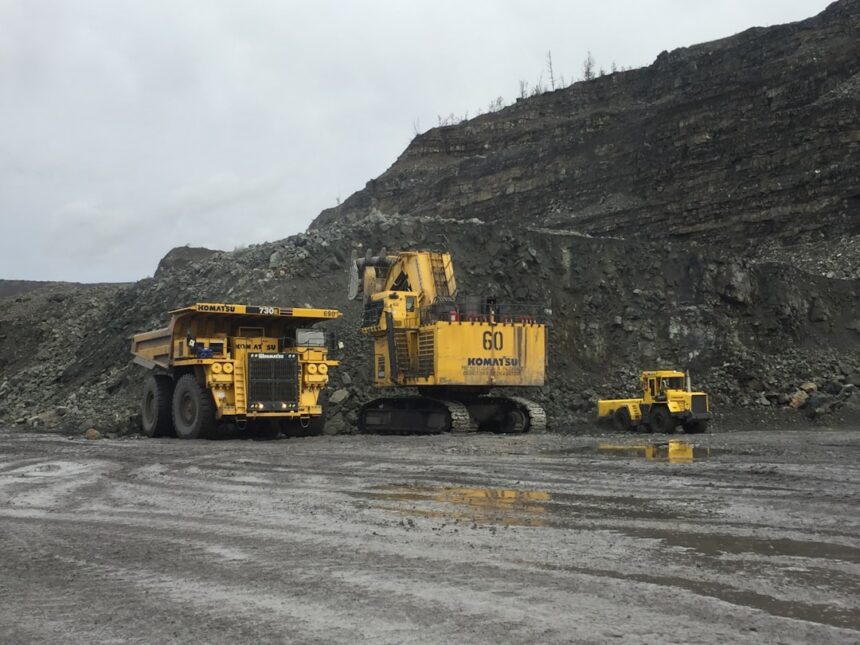
Coal, the unacknowledged engine of the Industrial Revolution and the primary energy source for much of the 20th century, found itself in a state of profound depletion by 1945. Decades of relentless extraction to fuel unprecedented industrial and military demand, coupled with the immediate post-war scramble to rebuild, had taken an immense toll.
The Strain of Wartime Production
The Second World War, in particular, placed an extraordinary burden on coal-producing nations.
Increased Demand for War Industries
Every spade of coal dug was essential. Factories churning out munitions, machinery, and vehicles, warship furnaces, and the very infrastructure supporting the war effort demanded ever-increasing quantities of coal. This meant mines were pushed to their absolute limits, often operating at unsustainable capacities.
Labor Shortages and Deteriorating Conditions
As young men enlisted or were conscripted for military service, coal mines, deemed essential but dangerous work, faced chronic labor shortages. Miners who remained often worked longer hours under increasingly difficult and hazardous conditions. Safety standards, already a significant concern in the industry, were frequently compromised in the desperate drive for output. Recruitment of older workers, returning POWs, or even prisoners of war in some instances, provided temporary relief but did little to address the underlying issues of exhaustion and aging infrastructure.
Depletion of Accessible Seams
The most easily accessible and richest coal seams had been exploited for generations. By 1945, many mines were forced to delve deeper, extract lower-grade coal, or work seams that were more prone to collapses and flooding. This led to increased extraction costs and lower energy yields per ton of coal.
Post-War Scarcity and Rising Costs
The immediate aftermath of the war saw a paradox: a desperate need for coal for reconstruction, yet a significant shortfall in its availability and a dramatic increase in its cost.
The Scramble for Reconstruction Fuel
With cities in ruins and industries crippled, the demand for fuel to power reconstruction efforts was immense. This was particularly true in continental Europe, where extensive bombing campaigns had devastated industrial centers and infrastructure. Coal was needed not only for powering the rebuilding machinery but also for heating homes in the harsh post-war winters.
Inherited Infrastructure Decay
Wartime destruction and neglect had left many mining facilities in a sorry state. Equipment was worn out, machinery was in disrepair, and mining infrastructure, including tunnels and ventilation systems, had suffered from a lack of maintenance. This meant that even when labor was available, the capacity to extract coal efficiently was significantly diminished.
The Rise of Labor Demands
The arduous and dangerous nature of mining, combined with lower perceived value relative to wartime sacrifices, led to increased labor activism. Miners demanded better wages, improved working conditions, and greater recognition of their vital role. These demands, while justified, further increased operational costs for the mine owners and coal companies.
The Challenge of Global Competition
While domestic demand surged, the global coal market was also shifting. The rise of new extraction methods and the increasing reliance on alternative energy sources in some regions began to challenge the long-held dominance of traditional coal-producing nations. However, in 1945, the immediate issue was not global competition but the fundamental inability of many domestic mines to meet even local needs.
The collapse of the coal, rail, steel, and electricity sectors in 1945 had profound implications for the post-war economy and industrial landscape. A related article that delves into the intricacies of this historical event can be found at this link. It explores the interdependencies of these industries and how their decline shaped the trajectory of recovery and growth in the years that followed.
The Fraying of the Rails
The railway networks, the arteries of industrial transport, were severely degraded by 1945. Their extensive use for military logistics during the war, coupled with a lack of investment and maintenance, left them in a state of disrepair or outright destruction in many theaters of war.
The Locomotive of War
The demands placed upon railways during the Second World War were unprecedented, transforming them from facilitators of economic activity to crucial instruments of conflict.
Unrelenting Military Demands
Trains were the backbone of wartime logistics, transporting troops, equipment, supplies, and raw materials across vast distances. This relentless usage meant that locomotives and rolling stock were worked far beyond their intended lifespan, suffering from constant wear and tear without adequate servicing or replacement.
Strategic Bombing Campaigns
Unlike other forms of transport, railways were highly vulnerable to direct attack. Bridges, railway yards, signaling systems, and rolling stock were prime targets for aerial bombardment. In areas heavily affected by the war, particularly in Europe and parts of Asia, entire sections of railway lines were rendered inoperable, requiring extensive and costly rebuilding.
Diversion of Resources
The resources needed for the maintenance and expansion of railway infrastructure – steel for rails and bridges, fuel for locomotives, spare parts – were often diverted to the war effort. This meant that routine maintenance was postponed, repairs were carried out with substandard materials, and new construction projects were halted.
The Weight of Reconstruction and Interruption
The post-war period revealed the extent of the damage and the challenges of restoring these vital networks to their former capacity.
The Need for Massive Repair and Rebuilding
The sheer scale of damage in bombed-out regions necessitated a Herculean effort in rebuilding. This involved not only repairing tracks and bridges but also re-establishing signaling systems, rebuilding stations, and replacing lost rolling stock. This rebuilding was often hampered by a lack of skilled labor and essential materials.
Inefficient and Outdated Technology
Even where infrastructure remained intact, much of the rolling stock and signaling equipment was decades old and inefficient. The war had stifled innovation and investment in modernization, leaving many railway companies reliant on technologies that were no longer competitive or capable of meeting the growing demands of post-war reconstruction and a burgeoning civilian economy.
Increased Passenger and Freight Demands
The war accelerated the movement of populations, and the post-war period saw a surge in both civilian travel and the need for freight transport to move reconstruction materials, food, and consumer goods. Existing, damaged, or inefficient railway systems struggled to cope with this increased demand, leading to significant delays and bottlenecks.
The Rise of Alternative Transport
While the focus was on rebuilding traditional rail networks, the war also spurred the development and adoption of alternative transport methods. The increasing importance of trucking and the nascent stages of air cargo, while not yet major competitors in 1945, began to signal a long-term shift away from an exclusive reliance on rail.
The Fracturing of the Steel Industry

The steel industry, the bedrock of industrial production, faced a complex set of challenges in 1945. While it had been instrumental in producing the tools of war, the very machines and processes that enabled this production were themselves showing signs of strain and obsolescence.
The Anvil of War
The demands of wartime production had pushed steel mills to their limits, but this intensive use came at a cost.
Unprecedented Demand for War Material
Similar to coal and rail, steel was indispensable for the war effort. The production of tanks, ships, aircraft, artillery, and countless other weapons and machinery placed an immense and sustained demand on steel mills worldwide.
Aging Infrastructure and Outdated Technologies
Many of the steel mills operating in 1945 were built during earlier industrial booms. They were often equipped with older, less efficient technologies such as open-hearth furnaces, which were labor-intensive and emitted significant pollutants. While some efforts were made to modernize, the majority of the industrial capacity relied on these older methods. The constant operation for war production meant that maintenance was often deferred, and machinery experienced accelerated wear and tear.
Resource Constraints and Quality Issues
Securing consistent supplies of high-quality iron ore and coking coal became increasingly difficult during the war. This could lead to compromises in the raw materials used, impacting the quality and consistency of the steel produced. Furthermore, the intense production schedules sometimes meant that the careful preparation and refinement processes necessary for high-grade steel were abridged.
The Aftermath of Industrial Might
The post-war period highlighted the vulnerabilities of an industry that had been pushed to its breaking point.
Deferred Maintenance and Obsolescence
Years of continuous operation, coupled with the diversion of resources for military needs, meant that a significant portion of steel mill machinery was in urgent need of repair or replacement. Many plants were operating with outdated equipment that was no longer cost-effective or efficient compared to newer technologies that were beginning to emerge.
The Shift in Demand
The immediate post-war period saw a dramatic shift in demand. The clamor for armaments ceased, and the demand for civilian goods and reconstruction materials began to rise. While steel was essential for this reconstruction, the types of steel required and the production methods best suited for them were changing. The heavy industrial steel of war was not always the most appropriate for rebuilding infrastructure or producing consumer durables.
Growing Environmental Concerns
While not yet a dominant factor in 1945, the environmental impact of steel production, particularly the emissions from older furnace technologies, was becoming a growing concern in some industrialized nations. This pressure, coupled with the need for modernization and efficiency, would contribute to a gradual shift in production methods and plant locations in the coming decades.
The Rise of New Competitors
The war had also disrupted global trade patterns, and new steel-producing capabilities were emerging or being re-established in regions previously less prominent. This foreshadowed future global competition for markets, adding another layer of complexity to the post-war recovery of established steel industries.
The Diminishing Spark of Electricity
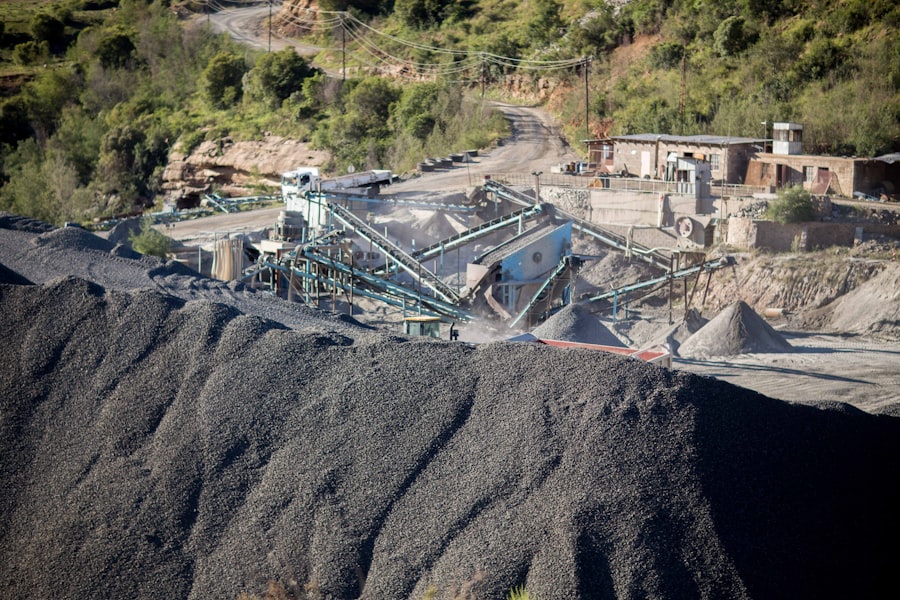
The electrical sector, while a symbol of modernity, also experienced significant disruptions in 1945, primarily due to infrastructure damage, resource limitations, and the strain of wartime demand.
The Grid Under Strain
The immense power demands of the war effort and the vulnerability of electrical infrastructure to attack created a precarious situation.
Powering the War Machine
War industries consumed vast amounts of electricity. Factories producing munitions, aircraft, and ships, as well as critical communication and radar systems, relied heavily on a steady supply of electrical power. This put a significant strain on existing generating capacity and distribution networks.
Bombing of Power Stations and Infrastructure
Power stations, substations, and transmission lines were often strategic targets for aerial bombardment. Damage to these critical components could lead to widespread power outages, affecting both industrial production and civilian life. The interconnected nature of electrical grids meant that an attack in one location could have cascading effects.
Resource Scarcity and Fuel Shortages
The production of electricity, particularly from thermal power plants, relied heavily on coal and other fossil fuels. Wartime shortages and disruptions to fuel supply chains, as discussed previously, directly impacted the ability of power stations to operate at full capacity.
The Post-War Blackout
The immediate post-war period revealed the extent of the damage and the challenges of restoring a reliable electricity supply.
Damaged Infrastructure and Limited Replacements
Much like the rail and coal sectors, electrical infrastructure had suffered from deferred maintenance and direct wartime damage. Rebuilding power plants, repairing transmission lines, and replacing damaged transformers was a slow and resource-intensive process. The availability of specialized components and skilled labor was often limited.
The Inflexibility of Wartime Infrastructure
Many electrical grids had been designed for specific wartime industrial demands. This meant that they were not always adaptable to the changing needs of a post-war economy focused on civilian reconstruction and a wider range of consumer demands. The localized nature of some wartime power generation meant that restoring power to damaged areas was a piecemeal and challenging endeavor.
The Growing Demand for Civilian Use
As economies began to recover and civilian life resumed, the demand for electricity for domestic use, lighting, and the growing array of household appliances increased. This added further pressure to already strained electrical grids, leading to frequent brownouts and rationing in many areas.
Technological Lag
The war had, in some respects, accelerated technological innovation in areas like radar and telecommunications, but it had also diverted resources and attention away from broader civilian infrastructure development. This meant that many electrical systems were not benefiting from the latest advancements in generating efficiency or grid management.
The collapse of the coal, rail, steel, and electricity industries in 1945 had profound implications for the post-war economy and infrastructure development. A related article discusses the intricate connections between these sectors and their impact on the recovery efforts in the aftermath of World War II. For a deeper understanding of how these industries shaped the economic landscape, you can read more in this insightful piece at In the War Room.
The Broader Implications and Seeds of Change
| Year | Coal Production (million tons) | Railroad Mileage (thousands) | Steel Production (million tons) | Electricity Generation (billion kWh) |
|---|---|---|---|---|
| 1945 | 450 | 254 | 65 | 123 |
The “collapse” of coal, rail, steel, and electricity in 1945 was not merely a temporary downturn. It exposed fundamental fragilities and precipitated significant shifts that would reshape economies and societies in the decades to come.
A Lesson in Over-Reliance
The war had demonstrated the immense productive capacity of these traditional industries. However, it also highlighted the dangers of an over-reliance on a limited number of energy sources and transport modalities.
The Vulnerability of Single-Sector Dominance
The deep entanglement of these four industries meant that a weakness in one had a detrimental impact on the others. The scarcity of coal directly affected steel production and electricity generation. The damaged rail network hampered the transport of coal and steel, and so on, creating a vicious cycle of decline.
The Need for Diversification
The experiences of 1945 underscored the importance of diversifying energy sources, transport networks, and industrial inputs. This would lay the groundwork for the increased investment in oil, natural gas, and eventually, renewable energy technologies in the decades that followed.
The Dawn of New Economic Eras
The exhaustion of these foundational industries marked the end of one era and the hesitant beginnings of another.
The Rise of New Technologies
While suffering in their traditional forms, the war had also spurred innovation in other sectors. The advancements in electronics, aviation, and chemical engineering would begin to play a more prominent role in the post-war economy, gradually diminishing the absolute dominance of coal, rail, steel, and conventional electricity.
The Shift in Global Power Dynamics
The war had reshaped the global landscape. Nations that were heavily reliant on these traditional industries for their economic power, and had suffered most from their degradation, faced significant challenges in the post-war world. Conversely, nations that had managed to preserve or adapt their industrial base, or had a more diversified economy, were better positioned for recovery and future growth.
The Growing Role of Government Intervention
The scale of the post-war economic challenges necessitated a greater degree of government intervention. Reconstruction efforts, infrastructure rebuilding, and the management of essential resources often fell under state control or significant public oversight. This marked a departure from pre-war laissez-faire approaches and contributed to the rise of welfare states and planned economic elements in many Western nations.
In conclusion, 1945 was a year of profound reckoning for the industries that had powered the modern world. The relentless demands of war, coupled with years of deferred maintenance and inherent structural weaknesses, led to a significant degradation of coal, rail, steel, and electricity production. This “collapse,” while not absolute, was a stark indicator of the unsustainable pressures placed upon these vital sectors and a catalyst for fundamental shifts in economic priorities, technological development, and global power dynamics, paving the way for the economic transformations of the latter half of the 20th century.
FAQs
What is the significance of coal rail steel electricity collapse in 1945?
The coal rail steel electricity collapse in 1945 refers to a significant downturn in the production and distribution of these key resources following the end of World War II. This collapse had far-reaching effects on various industries and economies around the world.
How did the coal rail steel electricity collapse impact the global economy?
The collapse of coal, rail, steel, and electricity production in 1945 led to widespread economic challenges, including shortages of essential resources, disruptions in transportation and infrastructure, and decreased industrial output. These factors contributed to a period of economic instability in many countries.
What were the main causes of the coal rail steel electricity collapse in 1945?
The main causes of the collapse were the extensive damage to infrastructure and production facilities during the war, as well as the shift in resources and priorities towards military efforts. Additionally, the post-war transition to peacetime production and the challenges of rebuilding and reorganizing industries also contributed to the collapse.
How did the coal rail steel electricity collapse impact the energy and transportation sectors?
The collapse had a profound impact on the energy and transportation sectors, leading to shortages of coal and electricity, disruptions in rail transportation, and challenges in steel production. These effects hindered the ability of these sectors to meet the demands of a recovering global economy.
What were the long-term effects of the coal rail steel electricity collapse in 1945?
The long-term effects of the collapse included the need for extensive rebuilding and modernization of infrastructure, the development of new technologies and production methods, and a shift in global economic dynamics. The collapse also influenced the post-war geopolitical landscape and the emergence of new economic powers.