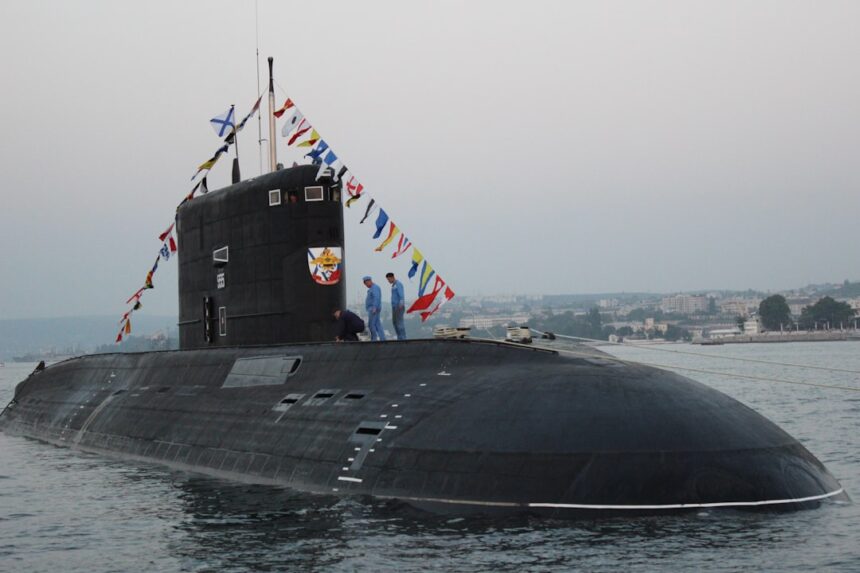
The Virginia-class submarine represents a significant advancement in naval underwater warfare, fundamentally shaped by its modular design and its implications for stealth operations. This approach, distinct from previous submarine construction methodologies, allows for greater adaptability, maintainability, and integration of emerging technologies, all while reinforcing the vessel’s inherent stealth capabilities. The inherent complexities of submarine design, particularly concerning acoustic signature reduction, have been addressed through a combination of innovative engineering and a manufacturing philosophy that embraces change and upgradeability.
The impetus for the Virginia-class’s modular design stemmed from several factors, including lessons learned from previous submarine classes, the evolving threat landscape, and the desire to create a more cost-effective and adaptable platform. The traditional approach to submarine construction, while effective in its time, often resulted in vessels that were less amenable to significant upgrades or modifications once commissioned. This could lead to technological obsolescence and costly, time-consuming refits.
Historical Context of Submarine Design
Submarine design has historically been a testament to incremental innovation. Early submarines were primarily mechanical marvels, with later generations incorporating advances in propulsion, sonar, and weapons systems. However, the integration of these systems was often ad-hoc, with each new piece of equipment requiring significant structural modifications. This presented a challenge in maintaining a low acoustic profile, as penetrations and additions could introduce noise sources. The development of nuclear power further complicated design, necessitating larger hulls and more complex reactor compartments.
The Need for Adaptability in Modern Warfare
The modern operational environment demands a level of agility that static designs struggle to fulfill. The rapid pace of technological development, particularly in areas like sensor technology, cyber warfare, and unmanned systems, requires platforms that can readily incorporate new capabilities. A modular design allows for the “plug and play” integration of new systems, enabling the submarine to remain relevant and effective throughout its operational lifespan without requiring a complete hull redesign for each upgrade.
Cost-Effectiveness and Lifecycle Management
While the initial acquisition cost of a Virginia-class submarine is substantial, the modular approach is intended to reduce the overall lifecycle cost. By simplifying upgrades and maintenance, the need for extensive, expensive overhauls is diminished. Furthermore, the ability to swap out individual modules for repair or replacement can minimize dry-docking time, ensuring greater operational availability. This focus on lifecycle management was a key driver in the program’s inception.
The Virginia-class submarine is renowned for its advanced modular stealth design, which significantly enhances its operational capabilities while minimizing its acoustic signature. For a deeper understanding of the innovations in submarine technology, you can explore a related article that discusses various advancements in naval warfare and submarine design. This article provides insights into how modular designs are revolutionizing modern submarines and improving their stealth features. To read more, visit this link.
Principles of Modular Submarine Design
The core of the Virginia-class’s innovative approach lies in its modular construction. Instead of building the submarine as a single, monolithic hull, it is fabricated in discrete sections, or modules, which are then assembled. This fundamental shift in methodology has profound implications for both the construction process and the operational capabilities of the vessel, particularly its stealth characteristics.
Pre-Outfitting and System Integration
A central tenet of the modular design is pre-outfitting. Each module is largely constructed and equipped with its internal systems before being joined with other modules. This includes the installation of piping, electrical conduits, wiring harnesses, and even some equipment. This allows for a more controlled and efficient integration process, reducing the amount of work that needs to be performed within the confined and less accessible spaces of a fully assembled hull.
Benefits of Pre-Outfitting
The advantages of pre-outfitting are manifold. It allows for concurrent workstreams, meaning different teams can be working on different modules simultaneously. This significantly shortens the overall construction timeline. Moreover, testing and calibration of systems can be performed within individual modules before they are integrated, improving quality control and reducing the likelihood of discovering critical faults late in the build process. This also contributes to stealth by allowing for more robust and thorough testing of acoustic insulation and vibration dampening within each module before assembly.
Hull Section Assembly
The submarine’s pressure hull is divided into several large, cylindrical modules. These modules are manufactured to precise specifications and then transported to a central assembly facility. Here, they are carefully aligned and joined together through specialized welding techniques. The integrity of these joints is paramount, ensuring the hull can withstand immense underwater pressures while minimizing acoustic transmission.
Welding and Joining Technologies
The welding and joining processes employed are critical for maintaining the structural integrity and acoustic performance of the hull. Advanced welding techniques are utilized to create seamless and robust connections. The focus is not only on mechanical strength but also on minimizing any potential points of acoustic leakage or vibration transfer between modules. This often involves specialized inspection and testing procedures to guarantee the quality of each joint.
Internal Module Configuration
Within each hull module, specific functions and systems are contained. This could include dedicated modules for the forward torpedo room, the control room, the reactor compartment (for nuclear-powered submarines), crew berthing, and sonar spaces. This compartmentalization is not merely for organizational purposes; it plays a crucial role in managing noise sources and isolating them from sensitive areas.
Noise Isolation Between Modules
The interfaces between modules are engineered with acoustic isolation in mind. When modules are joined, specific measures are taken to prevent the transmission of vibrations and machinery noise from one section to another. This can involve the use of specialized gaskets, vibration-damping materials, and carefully designed mounting systems for equipment. The goal is to create acoustically distinct zones within the submarine, reducing the overall radiated noise signature.
Integration of Future Technologies
The modular design explicitly accounts for the future. Spaces are often designed with the intention of accommodating future upgrades. This might involve providing extra conduit pathways, larger penetrations than currently required, or empty racks designed for next-generation equipment. This foresight is a key aspect of the platform’s long-term viability.
“Ship within a Ship” Concept
The modular approach can be seen as a “ship within a ship” concept. Instead of a single, complex entity, the Virginia-class is composed of several self-contained and functional units. This analogy highlights the ability to potentially remove and replace entire modules if necessary, or to easily upgrade the systems contained within them.
Stealth Design Principles and Modular Integration
The Virginia-class’s design philosophy is deeply intertwined with achieving and maintaining a superior level of stealth. The modular approach provides a framework that enhances, rather than compromises, these critical capabilities, particularly in the reduction of acoustic signatures.
Acoustic Signature Reduction Strategies
The reduction of a submarine’s acoustic signature is paramount for its survivability and operational effectiveness. The Virginia-class employs a multi-faceted approach that integrates seamlessly with its modular construction.
Machinery Isolation and Vibration Control
All noise-generating machinery, such as pumps, generators, and air conditioning units, is mounted on resilient mounts designed to isolate vibrations. In a modular design, these isolated components are often situated within specific modules, further containing their acoustic footprint. The interfaces between these equipment modules and the hull structure are critical points for vibration transmission, and the modular design allows for dedicated engineering solutions at these junctures.
Advanced Mountings and Dampening Materials
The specific types of vibration mounts and dampening materials used are crucial. These are selected for their effectiveness in absorbing a wide range of frequencies generated by the machinery. In the modular construction, the acoustic properties of these materials are considered during the design of each individual module’s internal layout.
Hull Treatments and Anechoic Coatings
The exterior of the submarine is treated with anechoic coatings. These specialized materials help to absorb sonar waves, making the submarine less detectable by active sonar systems. The application of these coatings can be more efficiently managed during the construction of individual hull modules before they are joined, allowing for thorough coverage and inspection in a less confined environment.
Layered Acoustic Absorption
The anechoic coatings are often applied in layers, with different materials designed to absorb specific sonar frequencies. The modular approach ensures that these layers can be applied consistently across the entire hull surface as modules are assembled, without the logistical challenges of working on a fully constructed and intricate external hull.
Hydrodynamic Shaping and Flow Noise Reduction
The external shape of the submarine is optimized to minimize hydrodynamic noise, which is generated by the flow of water over the hull. The modular construction allows for precise shaping of each hull section, ensuring that the overall hydrodynamic properties are maintained and that the joins between modules do not introduce significant disruptions to water flow.
Minimizing Turbulence at Module Interfaces
The sealing and alignment of hull modules are engineered to create a smooth, continuous outer surface. Any imperfections or protrusions at these interfaces could create localized turbulence and increase flow noise. The modular design’s emphasis on precision manufacturing and assembly directly addresses this challenge.
Sonar System Integration and Stealth
The Virginia-class features advanced sonar systems, which are both powerful sensors and potential sources of noise if not carefully integrated. The modular design facilitates their installation and isolation.
Placement and Isolation of Passive Sonar Arrays
Passive sonar arrays, which listen for sounds emitted by other vessels, are highly sensitive. Their placement within the submarine and their isolation from internal noise sources are critical. Modular construction allows for dedicated sonar spaces, engineered with specific acoustic properties to maximize the performance of these sensors and minimize interference from internal machinery.
Dedicated Acoustic Enclosures
Specific modules may be designed as dedicated acoustic enclosures for sensitive sonar equipment. These enclosures are built with materials and structural designs that minimize the transmission of internal vibrations into the sonar spaces, ensuring the fidelity of the collected acoustic data.
Active Sonar Considerations
While passive sonar is the primary stealth advantage, active sonar, which emits sound pulses to detect objects, can be a significant noise source. The modular design allows for the strategic placement of active sonar systems in modules that can be better isolated or shielded, and ensures that the associated power and signal processing equipment is also managed acoustically.
Weapons Systems Bay Design
The weapons bay, a critical component of any attack submarine, presents a unique challenge for stealth. It requires openings and mechanisms that can compromise acoustic integrity.
Sealed and Isolated Weapon Launch Systems
The design of the weapons launch systems, including missile and torpedo tubes, is crucial. The Virginia-class incorporates highly sealed and acoustically isolated mechanisms to minimize noise transmission when tubes are being prepared for or engaged in firing. The modular approach allows for the careful design and testing of these systems within their respective modules before final assembly.
Pre-Launch System Testing
The modular nature of the submarine facilitates comprehensive testing of the weapon launch systems within their dedicated modules. This allows for detailed acoustic measurements and adjustments to be made before the entire submarine is assembled, ensuring that the stealth characteristics of these operations are optimized.
Maintaining Stealth Through Lifecycle: Modularity’s Role
The initial design of a stealthy submarine is only part of the story. Maintaining that stealth over decades of operation and numerous deployments is equally, if not more, important. The Virginia-class’s modularity is a key enabler of this long-term stealth integrity.
Upgrades and Technology Insertion
As new technologies emerge, the Virginia-class is designed to accept them without requiring a complete rebuilding of the vessel. This is facilitated by the modular structure.
Module Replacement and Reconfiguration
When a new sonar system, communication suite, or weapon capability is developed, it can often be installed in a dedicated module. In some cases, entire modules containing older, less capable systems can be removed and replaced with new modules housing updated technology. This avoids the extensive structural modifications that would typically be required in a traditional design.
“Plug and Play” Electronics and Software
The integration of new electronic systems is simplified by the modular architecture. Standardized interfaces and data buses allow for new subsystems to be “plugged in” and integrated with the submarine’s combat systems relatively easily. This is particularly relevant for software-defined systems that are constantly evolving.
Maintenance and Repair Efficiencies
The modular design significantly impacts the efficiency and effectiveness of maintenance and repair operations, which are critical for preserving stealth.
Reduced Dry-Docking Times
When a specific component or system within a module requires repair or replacement, it may be possible to remove just that module, or even a sub-section of that module, rather than requiring the entire submarine to be taken out of service for an extended period. This reduces the time the submarine spends in dry-dock, contributing to higher operational availability and allowing for more frequent maintenance.
Targeted Repairs and Acoustic Recalibration
Acoustic stealth is highly dependent on the precise functioning of all systems. If a vibration damper fails or a seal becomes compromised, it can increase the submarine’s acoustic signature. The modular approach allows for faster identification and targeted repair of such issues within specific modules. This also facilitates the recalibration of acoustic sensors and systems after repairs.
Access for Inspection and Remediation
Accessing internal components for inspection and maintenance can be challenging in any submarine. The modular design, with its pre-outfitted sections, often provides better access to critical systems within each module. This allows for more thorough inspections to identify potential sources of noise or vibration that could compromise stealth.
The Human Factor in Stealth Maintenance
The crew plays a vital role in maintaining stealth, through their discipline and understanding of operational procedures.
Crew Training and Operational Procedures
The modular design can influence crew training. Understanding how different modules and systems interact, and the specific stealth considerations for each, is part of the crew’s expertise. Standardized procedures for operating and maintaining systems within each module contribute to a consistent and low-risk approach to stealth.
Awareness of Module-Specific Acoustic Signatures
Crew members may receive training that emphasizes the acoustic characteristics of different modules. For example, they might need to be aware of the noise generated by specific machinery in one module and the procedures to minimize its impact when operating in quiet modes or specific tactical situations.
The Virginia-class submarine is renowned for its advanced modular stealth design, which significantly enhances its operational capabilities and survivability. This innovative approach allows for upgrades and modifications without extensive overhauls, ensuring that the submarines remain at the forefront of naval technology. For a deeper understanding of the implications of such designs on modern warfare, you can explore a related article that discusses the strategic advantages of stealth in underwater combat. Check it out here.
The Future of Stealth Submarine Design: Modular Evolution
| Aspect | Metric |
|---|---|
| Length | 377 ft (115 m) |
| Beam | 34 ft (10 m) |
| Speed | 25 knots (46 km/h) |
| Depth | 800+ ft (240+ m) |
| Armament | 12 vertical missile launch tubes, 4 torpedo tubes |
| Crew | 132 officers and enlisted |
The Virginia-class’s modular design philosophy is not a static endpoint but rather a dynamic framework intended to evolve alongside naval warfare. This approach has set a precedent for future submarine development.
Adaptability to New Threats and Technologies
The primary advantage of modularity is its inherent adaptability. As new threats emerge, such as advanced submersible drones or new forms of acoustic detection, the Virginia-class can be more readily adapted to counter them.
Integration of Unmanned Systems
The growing importance of unmanned underwater vehicles (UUVs) and unmanned surface vehicles (USVs) in naval operations presents opportunities for modular integration. Dedicated modules for deploying and recovering these systems, as well as for their command and control, can be incorporated into future Virginia-class upgrades or into subsequent submarine designs.
Specialized Deployer Modules
Future modules could be designed specifically for the launch and retrieval of various UUVs, ranging from small reconnaissance drones to larger combat-oriented systems. This would allow the submarine to act as a mothership for these advanced platforms.
Potential for Future Module Development
The success of the Virginia-class’s modular approach has opened the door for further innovation in shipbuilding.
Standardized Module Interfaces
The development of standardized interfaces between modules could accelerate future development and allow for greater interoperability between different submarine classes or even international collaborations. This would enable a more rapid and cost-effective development cycle for new submarine technologies.
Collaborative Design and Manufacturing
A standardized modular approach could foster greater collaboration in the design and manufacturing of submarine components, potentially leading to shared production facilities and economies of scale.
Challenges and Considerations
While the benefits are significant, the implementation of modular design is not without its challenges.
Cost Management of Module Innovation
While the intention is to reduce lifecycle costs, the development and production of new, advanced modules can be expensive. Rigorous cost-benefit analyses are required to ensure that the pursuit of technological advancement through modularity remains economically viable.
Balancing Innovation with Economic Constraints
Naval procurement processes often face budgetary constraints. The ability to develop and integrate new modules must be balanced with the need to deliver capable submarines within budget. This requires careful planning and prioritization of technological upgrades.
Complexity of System Interdependencies
Even within a modular design, the interconnectivity of systems across modules remains complex. Ensuring that new modules integrate seamlessly with existing systems and do not introduce unforeseen incompatibilities or acoustic issues requires extensive testing and validation.
Ensuring Seamless Integration
The success of the modular approach hinges on the ability to ensure that each module functions as intended and that its integration into the larger submarine does not compromise the performance or stealth of other systems. This requires sophisticated simulation, modeling, and rigorous testing protocols.
The Virginia-class submarine, through its foundational modular stealth design, exemplifies a forward-thinking approach to naval platform development. It imbues the vessel with a crucial adaptability, enabling it to remain a potent and relevant force throughout its service life while continually reinforcing its most critical operational characteristic: stealth. This philosophy not only shapes the present but lays a robust foundation for the future of submarine warfare.
FAQs
What is the Virginia class submarine modular stealth design?
The Virginia class submarine modular stealth design refers to the advanced stealth technology incorporated into the design of the Virginia class submarines. This design includes features such as anechoic coatings, hydrodynamic shaping, and quieting technology to reduce the submarine’s acoustic signature and make it harder to detect by enemy forces.
How does the modular stealth design enhance the Virginia class submarines?
The modular stealth design enhances the Virginia class submarines by making them more difficult to detect, track, and target by enemy forces. This allows the submarines to operate covertly and carry out their missions with reduced risk of detection, increasing their effectiveness in both defensive and offensive operations.
What are the benefits of the modular stealth design for the Virginia class submarines?
The benefits of the modular stealth design for the Virginia class submarines include improved survivability, enhanced operational flexibility, and increased lethality. By reducing the submarine’s acoustic signature and enhancing its stealth capabilities, the design allows the submarines to operate in hostile environments with reduced risk of detection and engagement by enemy forces.
How does the modular stealth design contribute to the overall capabilities of the Virginia class submarines?
The modular stealth design contributes to the overall capabilities of the Virginia class submarines by enabling them to conduct a wide range of missions, including intelligence gathering, surveillance, reconnaissance, and strike operations. The design enhances the submarines’ ability to operate undetected in contested waters, providing a significant advantage in modern naval warfare.
Is the modular stealth design unique to the Virginia class submarines?
Yes, the modular stealth design is unique to the Virginia class submarines and represents a significant advancement in submarine stealth technology. The design incorporates state-of-the-art features and materials to minimize the submarines’ acoustic signature and maximize their stealth capabilities, setting them apart from other submarines in terms of stealth and survivability.