
The Three Gorges Dam, a monumental engineering project on the Yangtze River, stands as a testament to human ambition and technological prowess. However, its sheer scale and the immense pressure exerted by the reservoir it impounds have inevitably raised concerns regarding structural integrity and the potential for catastrophic failure. This article examines the multifaceted risks associated with the Three Gorges Dam’s structure, drawing on available data, expert analyses, and reported observations.
The primary structural concerns are intrinsically linked to the geological environment in which the Three Gorges Dam is situated. The area is characterized by a complex geological history and is not immune to seismic activity, which poses a significant threat to any large-scale civil engineering project.
Seismic Activity and Reservoir-Induced Seismicity
The region surrounding the Three Gorges Dam is located in a seismically active zone. While the dam was designed to withstand a certain level of earthquake, the sheer weight of the reservoir water, estimated to be around 3.9 trillion cubic meters, has amplified concerns about Reservoir-Induced Seismicity (RIS).
The Mechanism of Reservoir-Induced Seismicity
The immense pressure exerted by the vast body of water in the reservoir can alter the stress distribution within the Earth’s crust. This increased pore pressure can lubricate existing fault lines or even trigger new seismic events, particularly minor tremors that might otherwise remain undetected. While the direct link between the Three Gorges Dam and major earthquakes is a subject of ongoing scientific debate and monitoring, the potential for induced seismicity cannot be dismissed. Several studies and scientific papers have documented an increase in seismic events in the vicinity of large reservoirs globally, and the Three Gorges Dam is no exception, with reports of an increase in localized tremors following its operation.
Magnitude and Frequency of Earthquakes
China’s seismic monitoring network has recorded an uptick in seismic activity in the region since the dam’s impoundment. While many of these events are of low magnitude and pose no immediate threat, the long-term cumulative effect of such activity on the dam’s structure remains a point of concern for structural engineers and geologists. The potential for a larger, more damaging earthquake, either natural or induced by the reservoir, remains a significant risk.
Landslides and Erosion
The impoundment of water has also contributed to increased landslide activity and accelerated erosion along the Yangtze River banks. The softer, more porous rock formations in the region are particularly susceptible to saturation and instability.
The Impact of Water Level Fluctuations
The constant fluctuation of water levels within the reservoir, necessary for flood control and power generation, can exacerbate erosion and destabilize soil and rock structures. This process can undermine the foundations and slopes around the dam, creating potential pathways for structural compromise.
Siltation and its Geological Consequences
Over time, the reservoir traps a substantial amount of sediment carried by the Yangtze River. This siltation can lead to changes in the riverbed morphology and water flow patterns. More concerningly, in the context of structural integrity, the accumulation of silt can also exert considerable pressure on the dam’s foundations and potentially alter the local groundwater flow, adding another layer of complexity to geological stability.
The Three Gorges Dam, one of the largest hydroelectric projects in the world, has been a subject of concern regarding its structural integrity and potential failure risks. An insightful article discussing these issues can be found at this link. The article delves into the engineering challenges, environmental impacts, and the implications of a potential dam failure, highlighting the importance of ongoing monitoring and maintenance to ensure the safety of millions living downstream.
Material Degradation and Aging
Like all large civil engineering structures, the Three Gorges Dam is subject to the natural processes of aging and material degradation. The concrete and steel used in its construction, while of high quality, are not immune to the effects of time, environmental exposure, and the immense stresses they endure.
Concrete Fatigue and Cracking
The concrete used in the dam’s construction undergoes continuous stress from the weight of the water and cyclical load variations. This can lead to concrete fatigue, a phenomenon where repeated stress cycles cause micro-cracks to form and propagate over time.
The Role of ASR (Alkali-Silica Reaction)
A particular concern with concrete structures, especially in large dams, is the Alkali-Silica Reaction (ASR). This chemical process occurs when reactive silica, present in some aggregates, reacts with alkaline pore solutions within the concrete. This reaction forms an expansive gel that, when it absorbs water, swells and creates internal stresses that can lead to cracking and deterioration of the concrete. While the dam’s construction materials underwent rigorous testing, the long-term performance in a continuously submerged and stressed environment is a critical factor.
Freeze-Thaw Cycles and Chemical Attack
In addition to ASR, the concrete is also exposed to freeze-thaw cycles in certain seasons, which can cause expansion and contraction, leading to cracking. Furthermore, the water in the reservoir can contain dissolved chemicals that can contribute to the gradual chemical degradation of the concrete over decades.
Corrosion of Reinforcing Steel
The steel reinforcement bars embedded within the concrete are vital for its structural integrity. However, these steel components are susceptible to corrosion, particularly if exposed to moisture and aggressive chemical environments.
Ingress of Water and Chlorides
Cracks in the concrete can allow water and potentially dissolved chlorides to penetrate to the steel. Once corrosion begins, it forms rust, which has a larger volume than the original steel. This expansion exerts outward pressure on the surrounding concrete, further widening the cracks and compromising the bond between the steel and concrete. This can lead to a vicious cycle of degradation, weakening the overall structure.
Monitoring and Remediation Challenges
Monitoring the internal condition of such a massive concrete structure for signs of steel corrosion is incredibly challenging. Extensive remediation efforts would be required if significant corrosion were detected, presenting both logistical and financial hurdles.
Hydrological Pressures and Operational Strains
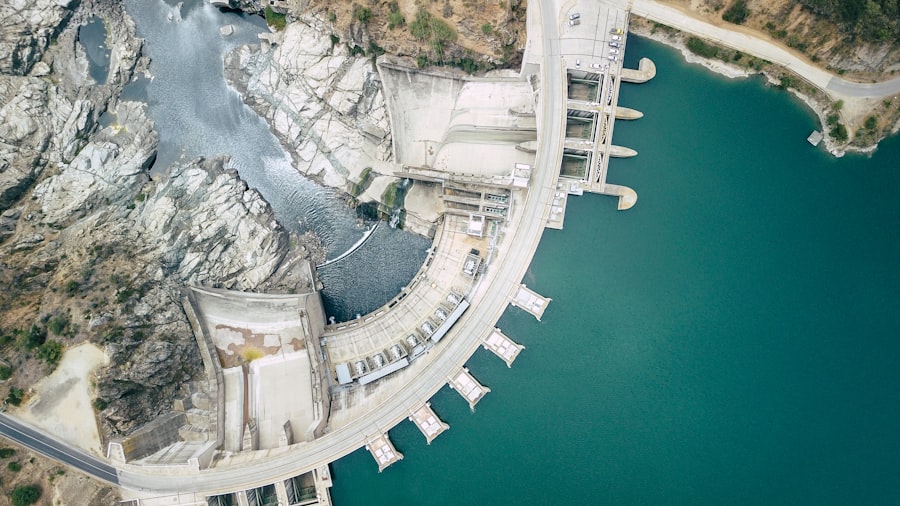
The fundamental purpose of the Three Gorges Dam is to control the flow of the Yangtze River. This involves managing immense volumes of water, which exerts continuous and fluctuating pressures on the dam’s structure.
Dynamic Water Pressure and Stress on the Structure
The constant hydrostatic pressure exerted by the reservoir’s water body is directly applied to the dam’s upstream face. This pressure is not static; it fluctuates based on water levels, which vary seasonally and in response to flood control operations.
Extreme Flood Events and Peak Loads
While the dam is designed to withstand major floods, the possibility of an extreme event exceeding its design capacity, however remote, remains a paramount concern. Such an event would place unprecedented stress on the dam’s structure, potentially pushing it beyond its engineered limits. The controlled release of floodwaters, while necessary for downstream safety, also introduces cyclical loading stresses that the dam must endure over its lifespan.
Turbine Operation and Vibration
The operation of the dam’s numerous hydroelectric turbines also contributes to operational strain. The immense power generated and the vibrations associated with turbine operation can create localized stresses and contribute to material fatigue over extended periods. While designed to tolerate these forces, cumulative effects are a consideration.
Siltation and its Impact on Hydraulic Performance
As previously mentioned, the accumulation of silt within the reservoir has significant hydrological implications. It reduces the reservoir’s storage capacity, which can impact its ability to manage floodwaters and regulate downstream flow.
Altered Water Flow Dynamics
Excessive siltation can also alter the water flow dynamics, potentially leading to increased scour around the dam’s foundations or changes in the distribution of hydraulic forces. This can create unforeseen stresses on the dam’s structure that may not have been fully accounted for in its initial design.
Impact on Spillway Efficiency
Siltation can also reduce the effectiveness of the dam’s spillways, which are crucial for releasing excess water during flood periods. If spillways become partially blocked by silt, their capacity to discharge water efficiently is compromised, potentially leading to higher water levels in the reservoir and increased pressure on the dam.
Design and Construction Imperfections
No engineering project of this magnitude is entirely without imperfections in its design or construction phase. While the Three Gorges Dam underwent rigorous scrutiny, potential unforeseen issues or “design flaws” can emerge over time, especially in a structure of such unprecedented scale.
Inconsistencies in Construction Quality
Despite extensive quality control measures, variations in the quality of materials and workmanship can occur during a construction project of this magnitude and duration. These inconsistencies, however minor they may appear at the time, can become magnified under the immense pressures and stresses the dam endures.
Variations in Concrete Compaction
The proper compaction of concrete is crucial for its strength and durability. Any areas where concrete was not adequately compacted could be more susceptible to cracking, erosion, or the ingress of water.
Global vs. Localized Defects
While global design standards are high, localized defects in specific sections or during particular construction phases could present long-term vulnerabilities. Identifying and rectifying these subtle imperfections across such a vast structure presents a significant challenge.
Design Limitations and Unforeseen Environmental Factors
The design of the Three Gorges Dam was completed before the full understanding of some environmental factors became apparent. The long-term impacts of climate change and the precise long-term behavior of the local geology under extreme hydrological loads may present challenges not fully anticipated decades ago.
Accounting for Climate Change Impacts
The dam was designed to manage historical hydrological records. However, the increasing frequency and intensity of extreme weather events due to climate change, such as more severe floods and prolonged droughts, could place novel demands on the dam’s operational and structural capacities.
Long-term Geological Behavior
While extensive geological surveys were conducted, predicting the long-term behavior of complex geological formations under sustained and altered hydrological regimes is inherently challenging. Unforeseen geological responses to the reservoir’s presence could pose a risk.
The Three Gorges Dam, a monumental engineering feat, faces ongoing scrutiny regarding its structural integrity and the potential risks associated with its failure. Recent discussions have highlighted various factors that contribute to this concern, including geological instability and the immense pressure of water behind the dam. For a deeper understanding of the implications of such risks, you may find it insightful to read a related article that explores the broader context of dam safety and environmental impacts. This article can be accessed through this link: related article.
Monitoring, Maintenance, and Emergency Preparedness
| Metrics | Data |
|---|---|
| Structural Integrity | Regular inspections and maintenance |
| Seismic Risk | Monitoring of seismic activity in the region |
| Reservoir Water Level | Monitoring and management of water levels |
| Emergency Response Plan | Preparation for potential failure scenarios |
The ongoing structural integrity of the Three Gorges Dam hinges critically on continuous monitoring, rigorous maintenance, and robust emergency preparedness plans. Any lapses in these areas significantly amplify the potential risks.
Comprehensive Monitoring Systems
The dam is equipped with a sophisticated network of sensors to monitor various parameters, including structural deformation, pore water pressure, seismic activity, and material stress.
Data Interpretation and Early Warning Systems
The effectiveness of these monitoring systems lies not only in data collection but also in the accurate interpretation of this data. Identifying subtle anomalies and establishing reliable early warning systems to detect potential structural issues before they escalate is paramount. Any delays or misinterpretations in data analysis could have severe consequences.
The Challenge of Scale
The sheer size of the Three Gorges Dam makes comprehensive, real-time monitoring of every critical component an immense undertaking. Ensuring that all sensors are functioning correctly and that the data captured is representative of the entire structure is a constant challenge.
Proactive Maintenance and Repair Strategies
Regular and proactive maintenance is essential to address minor issues before they evolve into major structural defects. This includes routine inspections, cleaning of drainage systems, and timely repairs of any identified wear and tear.
Budgetary Constraints and Resource Allocation
Effective maintenance requires sustained financial investment and dedicated resources. Any political or economic challenges that lead to underfunding of maintenance programs can significantly compromise the dam’s long-term safety.
Accessibility for Repairs
Accessing certain parts of the dam for inspection and repair can be logistically challenging due to its size and the surrounding environment, potentially delaying necessary interventions.
Emergency Preparedness and Evacuation Plans
In the unfortunate event of a structural failure, well-defined and practiced emergency preparedness and evacuation plans are crucial to mitigate loss of life and damage downstream.
The Magnitude of Potential Impact
The downstream implications of a catastrophic failure of the Three Gorges Dam are immense, affecting millions of people and vast economic infrastructure. The scale of potential disaster necessitates meticulously detailed and regularly rehearsed evacuation procedures covering a broad geographical area.
Communication and Coordination
Effective communication and coordination between various government agencies, military forces, and local authorities are essential for the successful execution of any emergency response. Failures in these areas during a crisis could exacerbate the impact of the disaster.
In conclusion, while the Three Gorges Dam is a marvel of modern engineering, the inherent risks associated with its structural integrity cannot be overlooked. Geological instability, material degradation, hydrological pressures, potential design imperfections, and the critical need for vigilant monitoring and preparedness all contribute to a complex risk profile. Continuous scientific inquiry, transparent reporting, and unwavering commitment to maintenance and safety protocols are essential to manage these risks and ensure the long-term viability of this colossal structure.
FAQs
What is the Three Gorges Dam?
The Three Gorges Dam is a hydroelectric gravity dam that spans the Yangtze River in Hubei province, China. It is the world’s largest power station in terms of installed capacity.
What is the risk of structural failure for the Three Gorges Dam?
There have been concerns raised about the structural integrity of the Three Gorges Dam due to factors such as geological instability, sedimentation, and the potential for earthquakes in the region.
What are the potential consequences of a structural failure of the Three Gorges Dam?
A structural failure of the Three Gorges Dam could lead to catastrophic flooding downstream, impacting millions of people and causing significant damage to infrastructure, agriculture, and the environment.
What measures have been taken to mitigate the risk of structural failure at the Three Gorges Dam?
Chinese authorities have implemented various measures to address the potential risks, including reinforcing the dam, improving emergency response plans, and conducting regular inspections and maintenance.
What is the current status of the Three Gorges Dam in terms of structural safety?
The Chinese government has stated that the Three Gorges Dam is safe and that measures are in place to address any potential risks. However, independent experts continue to monitor the situation and raise concerns about the long-term safety of the dam.