
The Yangtze River, China’s longest and most vital waterway, has long been a source of both prosperity and peril for the nation. While its waters irrigate vast agricultural lands, facilitate millennia of trade, and power significant portions of the country’s energy needs, they also carry the immense potential for destructive flooding. In recent decades, the recurrent impact of these floods on China’s economy has become a critical area of study and concern, demanding comprehensive analysis of agricultural, industrial, infrastructural, and societal repercussions.
The agricultural heartland of China lies predominantly along the fertile plains of the Yangtze River basin. Here, generations of farmers have cultivated staple crops like rice and wheat, forming the bedrock of the nation’s food security and contributing significantly to rural livelihoods. The annual cycle of the river, while generally predictable, is susceptible to extreme weather events that can trigger devastating floods.
Crop Damage and Yield Reduction
The most immediate and palpable impact of Yangtze River flooding on the agricultural sector is the widespread destruction of crops. As floodwaters inundate farmland, crops are submerged, leading to waterlogging, root rot, and nutrient depletion. The sheer force of the water can also physically destroy standing crops, stripping leaves, breaking stalks, and rendering fields unusable. This direct physical damage translates into substantial yield reductions. In years of severe flooding, entire harvests can be lost, leaving farmers with no income and a depleted food supply for the season. The economic implications extend beyond individual farmers. Lower overall yields contribute to increased food prices nationwide, affecting household budgets and potentially leading to food shortages if domestic production is significantly impacted for consecutive years.
Livestock and Aquaculture Losses
Beyond crop cultivation, the agricultural sector encompasses livestock and aquaculture. Flooding poses significant risks to both. Livestock, such as cattle, pigs, and poultry, can be drowned or displaced by rising waters. The destruction of barns and grazing lands further exacerbates losses. Similarly, aquaculture farms, particularly those dedicated to fish and shrimp cultivation, are highly vulnerable. Enclosures are breached, and valuable stock escapes or perishes. The economic cost of these losses is substantial, impacting not only the producers but also the downstream supply chains for meat, dairy, and seafood products.
Long-Term Soil Degradation
While immediate crop losses are devastating, prolonged inundation can also lead to long-term degradation of agricultural land. Sediment deposition during floods can alter soil composition, sometimes introducing beneficial silts but often carrying pollutants or making the soil overly compact and difficult to work. The loss of topsoil due to erosion, particularly in affected lowland areas, reduces fertility and necessitates increased investment in soil amendment and restoration, adding to the economic burden on farmers and the agricultural industry.
The recent flooding of the Yangtze River has raised significant concerns regarding its impact on China’s economy, particularly in sectors such as agriculture and transportation. For a deeper understanding of the economic ramifications and the government’s response to this natural disaster, you can read a related article that explores these issues in detail. To learn more, visit this article.
Industrial and Commercial Disruptions: Crippling Production and Trade
The Yangtze River basin is not only China’s agricultural powerhouse but also a major hub for industrial activity and commerce. Numerous cities and industrial zones are situated along its banks, relying on the river for transportation, water supply, and energy. Flooding in this region has far-reaching economic consequences for a wide array of industries.
Factory Closures and Production Halts
When floodwaters rise, factories located in low-lying areas are often forced to cease operations. This can be due to direct inundation of production lines, damage to machinery, or disruptions in essential services like electricity and water supply. Even factories not directly flooded can be impacted by transportation network failures, preventing the delivery of raw materials or the shipment of finished goods. These production halts result in significant economic losses, including lost revenue, idle labor costs, and potential penalties for delayed or unfulfilled contracts.
Supply Chain Breakdowns
The Yangtze River is a critical artery for one of the world’s most extensive supply chains. Numerous industries depend on its navigable waters for the efficient and cost-effective movement of goods. Flooding can disrupt shipping, leading to port closures, congested waterways, and rerouting of cargo. This creates bottlenecks in supply chains, escalating transportation costs and leading to delays for manufacturers and retailers alike. The ripple effect can be felt globally as components or finished products fail to reach their destinations on time.
Damage to Infrastructure Affecting Commerce
Commercial activity is heavily reliant on robust infrastructure. Flooding can damage roads, bridges, railways, and communication networks that are essential for business operations. The destruction of these vital links hinders the movement of goods and people, disrupts communication, and increases the cost of doing business. Repairing this damaged infrastructure requires significant financial investment, diverting resources that could otherwise be used for economic development and growth.
Infrastructural Deficiencies and the Cost of Reconstruction
China’s rapid economic development has been accompanied by massive investments in infrastructure, much of which is concentrated along the Yangtze River. However, the sheer scale and nature of these investments, coupled with the inherent risk of flooding, create a complex economic challenge.
Damage to Transportation Networks
As mentioned previously, transportation networks are particularly vulnerable to flooding. Bridges can be weakened or destroyed by the force of the water and debris. Roads can be submerged and eroded, making them impassable. Railway lines can be washed out, disrupting crucial freight and passenger services. The economic cost of repairing and rebuilding these damaged transportation links is immense. This includes not only the direct construction costs but also the economic disruption caused by their prolonged absence. Businesses reliant on these routes face increased logistical challenges and higher operating expenses.
Impact on Energy and Water Management Systems
The Yangtze River basin is a significant source of hydroelectric power for China. Dams and power generation facilities situated on or near the river are vulnerable to extreme flood events. While dams can play a role in flood control, exceptionally high water levels can test their structural integrity and disrupt operations, leading to power outages or reduced energy generation. Furthermore, water treatment plants and distribution systems located in flood-prone areas can be damaged, compromising access to clean water and incurring substantial repair and operational costs.
Housing and Urban Infrastructure Losses
In urban areas along the Yangtze, flooding can lead to widespread damage to housing, public buildings, and essential urban infrastructure such as sewage systems and power grids. This results in significant costs for disaster relief, temporary housing, and the long-term reconstruction of affected communities. The displacement of residents also has economic consequences, impacting local economies and requiring government resources for relocation and support.
Economic Interdependencies and Cascading Effects
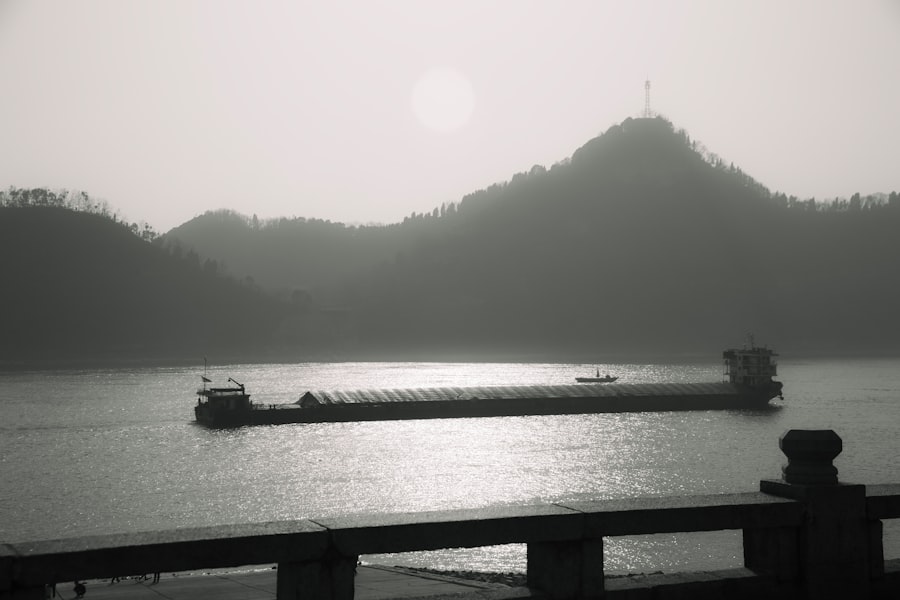
The economic impact of Yangtze River flooding is rarely isolated. The interconnectedness of China’s economy means that disruptions in one sector can trigger cascading effects throughout the system, amplifying the overall economic burden.
Decreased Consumer Spending and Confidence
When natural disasters strike and livelihoods are threatened, consumer spending often declines. Households facing crop losses, property damage, or job disruptions tend to reduce discretionary spending, impacting retail sales and the broader service sector. Furthermore, the perception of vulnerability and the uncertainty surrounding future flood events can erode consumer confidence, discouraging investment and consumption.
Increased Government Expenditure and Debt
Responding to widespread flooding requires substantial government intervention. This includes allocating funds for immediate disaster relief, emergency services, and the provision of aid to affected populations. In the aftermath, significant resources are needed for infrastructure reconstruction, agricultural recovery, and economic stimulus packages. These expenditures can strain government budgets, potentially leading to increased public debt or diversion of funds from other development initiatives.
Impact on Investment and Foreign Direct Investment (FDI)
Frequent and severe flooding in a region can deter both domestic and foreign investment. Companies may perceive the increased risk of operational disruption and asset damage as too high, opting to invest in less vulnerable locations. This can slow down economic growth and hinder China’s ability to attract the capital necessary for modernization and technological advancement.
The recent flooding of the Yangtze River has raised significant concerns about its impact on China’s economy, particularly in sectors such as agriculture and transportation. As the waters continue to rise, experts warn that the damage could lead to substantial economic losses, affecting food supply chains and trade routes. For a deeper understanding of the broader implications of such natural disasters on economic stability, you can read a related article on this topic at In the War Room. This analysis highlights the interconnectedness of environmental challenges and economic resilience in the face of climate change.
Mitigation, Adaptation, and the Economic Future
| Year | Direct Economic Loss (in billion USD) | Displaced Population | Impact on Agriculture |
|---|---|---|---|
| 1998 | 24.5 | 15 million | 1.5 million hectares of farmland affected |
| 2016 | 22.5 | 1.6 million | 2.2 million hectares of farmland affected |
| 2020 | 21.7 | 4.3 million | 1.8 million hectares of farmland affected |
China has invested heavily in flood control measures and disaster preparedness along the Yangtze River. However, the increasing frequency and intensity of extreme weather events, potentially exacerbated by climate change, necessitate ongoing efforts and highlight the economic imperative of effective strategies.
The Economics of Flood Control Infrastructure
The construction and maintenance of dikes, dams, reservoirs, and drainage systems represent substantial ongoing investments. While these measures are crucial for mitigating flood damage, they are not infallible and require continuous upgrades and adaptation to evolving risks. The economic argument for these investments centers on the cost-benefit analysis of preventing losses versus the cost of reconstruction. However, the effectiveness and long-term sustainability of such infrastructure remain critical considerations.
The Role of Climate Change Adaptation
The scientific consensus points to a potential increase in the frequency and intensity of extreme weather events due to climate change. This poses a significant economic challenge for regions like the Yangtze River basin. Adapting to these changing conditions requires a shift towards more resilient infrastructure, improved land-use planning in flood-prone areas, and the development of early warning systems. The economic implications of inaction, in terms of amplified disaster impacts, are likely to far outweigh the costs of proactive adaptation.
Long-Term Economic Resilience and Sustainable Development
Ultimately, the economic impact of Yangtze River flooding underscores the critical need for long-term economic resilience. This involves diversifying economic activities away from highly vulnerable sectors and regions, strengthening social safety nets, and fostering innovation in disaster management and climate adaptation technologies. Moving forward, China’s economic future along the Yangtze will be shaped not only by its ability to control floods but also by its capacity to adapt to the changing hydrological and climatic landscape, ensuring sustainable development in the face of natural challenges.
FAQs
What is the current impact of the Yangtze River flooding on China’s economy?
The Yangtze River flooding has caused significant damage to infrastructure, agriculture, and industry, leading to economic losses for China.
How has the Yangtze River flooding affected agriculture in China?
The flooding has resulted in the destruction of crops, livestock, and farmland, leading to a decrease in agricultural production and food supply.
What impact has the Yangtze River flooding had on transportation and infrastructure in China?
The flooding has damaged roads, bridges, and railways, disrupting transportation networks and hindering the movement of goods and people.
How has the Yangtze River flooding affected industry and manufacturing in China?
Many factories and industrial facilities located along the Yangtze River have been inundated, leading to production delays and supply chain disruptions.
What measures is the Chinese government taking to mitigate the economic impact of the Yangtze River flooding?
The Chinese government has allocated funds for disaster relief and reconstruction efforts, as well as implemented policies to support affected businesses and industries.