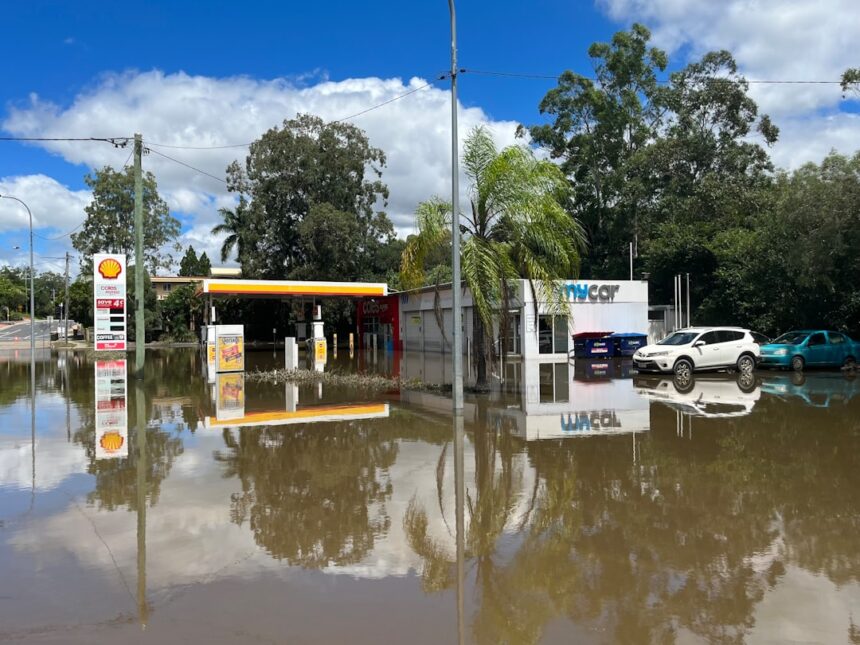
The humid air along the Yangtze River, notorious for its tempestuous seasons, invariably carries a palpable undercurrent of preparation as the flood season approaches. This annual cycle, a stark reminder of nature’s formidable power, necessitates a robust and coordinated response. For the People’s Liberation Army (PLA), stationed at strategic points along this vital artery of China, these preparations are not merely routine; they are a critical component of national security and disaster mitigation. The drills, often conducted with a blend of rigorous realism and meticulous planning, serve as a crucial test of the PLA’s capabilities in safeguarding communities and infrastructure against the relentless onslaught of rising waters.
Historical Context of Yangtze Flooding
The Yangtze River, as the longest river in Asia and a crucial waterway for China, has a long and documented history of devastating floods. Recurring inundations have shaped the landscape, impacted agricultural productivity, and led to significant loss of life and economic damage throughout centuries of Chinese history. The sheer scale of the river basin, drawing water from a vast catchment area that encompasses diverse climatic zones, means that rainfall patterns, snowmelt from distant mountain ranges, and the convergence of numerous tributaries all contribute to its hydrological behavior. Understanding this historical context is paramount; it informs the strategic deployment of resources and the design of flood control measures, both permanent and temporary. The memory of major flood events, such as those in 1931, 1954, and 1998, serves as an enduring impetus for continuous vigilance and preparedness. These historical occurrences are not merely academic footnotes but rather living lessons that underscore the potential for catastrophic flooding and the imperative for proactive measures.
Meteorological Factors and Forecasting
The predictable yet often unpredictable nature of flood seasons is directly tied to atmospheric conditions. Monsoonal systems, crucial for delivering rainfall to much of China, can bring both essential water resources and the threat of excessive precipitation. Typhoons, originating in the Pacific Ocean, can further exacerbate rainfall intensity, particularly in the downstream reaches of the Yangtze. The PLA, in conjunction with national meteorological agencies, invests heavily in sophisticated weather forecasting systems. This involves satellite imagery, ground-based weather stations, and advanced predictive models that analyze atmospheric pressure, wind patterns, and ocean temperatures. Early warning systems are a cornerstone of flood preparedness, allowing for timely evacuations and resource mobilization. The accuracy and timeliness of these forecasts directly influence the effectiveness of flood control operations. Short-term predictions focus on immediate precipitation events and river level rises, while long-term forecasts provide insights into the overall trajectory of the flood season, enabling more strategic resource allocation.
Hydrological Data and River Basin Management
Beyond meteorology, the intricate workings of the river basin itself are under constant scrutiny. Hydrological data, collected from a vast network of gauges along the Yangtze and its tributaries, provides real-time information on water levels, flow rates, and sediment loads. Understanding the hydraulic properties of the river, including its capacity, the effectiveness of existing dams and levees, and the potential for levee breaches, is crucial. River basin management involves a multi-faceted approach that includes not only flood control but also water resource allocation, navigation, and environmental considerations. During flood season, the focus intensifies on monitoring inflows from upstream, predicting downstream travel times of flood crests, and managing the operation of water conservancy projects like the Three Gorges Dam. These dams, while offering significant flood regulation capabilities, also require careful management to balance flood control objectives with power generation and ecological needs.
In light of the recent discussions surrounding flood preparedness in the Yangtze River corridor, a related article that provides valuable insights is available at this link: Flood Drills and Preparedness in the Yangtze River Corridor. This article explores the importance of conducting regular flood drills to enhance community resilience and response strategies in the face of potential flooding events, emphasizing the need for proactive measures to safeguard lives and property.
PLA’s Role in Flood Response and Mitigation
Historical Involvement in Disaster Relief
The People’s Liberation Army has a long and established history of involvement in disaster relief operations across China, with flood response being a particularly prominent aspect. From its inception, the PLA has been tasked with safeguarding national stability, and this mandate extends to protecting citizens from natural calamities. Its vast manpower, logistical capabilities, and disciplined organization make it uniquely suited to deploy rapidly to affected areas. Decades of experience have honed its response protocols, from initial emergency deployments to long-term reconstruction efforts. The PLA’s presence during flood events is often viewed by the civilian population as a symbol of state commitment and a source of immediate assistance. This historical precedent informs the continuous training and readiness of its units for such contingencies. The inherent understanding of the PLA’s role as a first responder in times of crisis is deeply ingrained in its operational doctrine.
Strategic Deployment and Resource Allocation
The approach to flood preparedness involves meticulous strategic deployment of personnel and resources. This includes prepositioning engineering equipment, rescue vessels, and essential supplies in areas deemed most vulnerable. The PLA units stationed along the Yangtze are organized into specialized teams capable of undertaking a wide range of tasks, from sandbagging and levee reinforcement to conducting complex rescue operations in swift currents and flooded urban areas. Resource allocation decisions are informed by risk assessments, historical flood data, and real-time intelligence. This ensures that critical assets are directed to where they are most needed, maximizing their effectiveness. The deployment strategies are also designed to facilitate rapid response to unforeseen events, such as sudden levee breaches or flash floods in tributaries that feed into the main river.
Engineering Capabilities and Infrastructure Support
Beyond personnel deployment, the PLA possesses significant engineering capabilities crucial for flood mitigation. These include units trained in constructing temporary flood defenses, repairing damaged infrastructure, and operating heavy machinery for earthworks. Their expertise is vital in reinforcing existing levees, building emergency barriers, and clearing debris that can obstruct water flow or pose hazards. The logistical support provided by the PLA is also critical, ensuring the timely delivery of materials, food, and medical supplies to affected populations. This engineering capacity is not only limited to response but also extends to participation in the construction and maintenance of permanent flood control infrastructure, demonstrating a long-term commitment to enhancing resilience.
The Core of Preparedness: Flood Drill Simulation

Objectives of PLA Flood Drills
The overarching objective of PLA flood drills along the Yangtze is to enhance readiness and refine operational efficacy in the face of potential inundation. These simulations are deliberately designed to mirror real-world scenarios as closely as possible, testing the responsiveness, coordination, and adaptability of all participating units. Key objectives include validating communication protocols between different command levels and branches, assessing the speed and efficiency of troop deployment to threatened areas, and evaluating the effectiveness of various flood control techniques under simulated stress. Furthermore, these drills serve as a valuable training ground for developing and implementing new strategies and technologies in flood management. They are a critical mechanism for identifying shortcomings in current preparedness plans and implementing corrective measures, ensuring that the PLA remains at the forefront of disaster response capabilities.
Simulating Diverse Flood Scenarios
To ensure comprehensive preparedness, the drills encompass a wide array of simulated flood scenarios. These are not limited to generalized high water levels but include specific challenges that might arise. For instance, drills might focus on responding to a sudden levee breach, simulating rapid water ingress into populated areas and the subsequent need for immediate evacuation and rescue. Other scenarios could involve navigating treacherous currents and submerged urban environments with specialized watercraft, testing the effectiveness of amphibious assault vehicles and inflatable boats in rescue operations. The drills also incorporate the simulated impact of debris flows and the potential for landslides triggered by saturated ground, thereby testing the PLA’s capacity to manage secondary disasters. The complexity of these simulations is escalated to reflect the potential severity and multifaceted nature of actual flood events, ensuring that units are prepared for a broad spectrum of challenges.
Command and Control Exercises
Effective command and control are the bedrock of any successful disaster response. PLA flood drills place a significant emphasis on testing and refining these systems. This involves simulating scenarios where communication lines might be disrupted, forcing units to rely on alternative communication methods and robust contingency plans. Exercises focus on hierarchical decision-making, ensuring that orders are disseminated accurately and efficiently from the highest echelons of command down to individual platoons. The drills also test the ability of commanders to adapt plans in real-time as the situation on the ground evolves, a critical skill in the unpredictable environment of a flood. Coordination between different military branches, such as ground forces and naval components, is also meticulously rehearsed, highlighting the importance of a unified and integrated response effort.
Training Regimens and Skill Development
Tactical Maneuvers in Waterlogged Environments
The physical environment of a flood presents unique and challenging tactical conditions. PLA flood drills incorporate specialized training regimens designed to hone soldiers’ abilities in operating effectively within waterlogged environments. This includes exercises focused on amphibious troop movements, utilizing various watercraft for transport and reconnaissance, and mastering techniques for crossing submerged obstacles and swift currents. Soldiers are trained in water safety protocols, including self-rescue techniques and methods for assisting others in distress. The drills also emphasize the importance of maintaining unit cohesion and discipline even under the disorienting conditions of widespread flooding, where visibility and maneuverability are severely compromised. The goal is to ensure that soldiers can execute their missions with precision and confidence, regardless of the environmental adversities.
Specialized Rescue and Evacuation Techniques
Beyond general combat readiness, PLA units undergo intensive training in specialized rescue and evacuation techniques tailored for flood scenarios. This includes mastering the use of specialized equipment such as inflatable rafts, high-powered pumps, and advanced communication devices for coordinating rescue efforts. Soldiers are trained in techniques for safely extracting individuals from flooded buildings, vehicles submerged in water, and areas cut off by rising tides. Evacuation drills focus on the orderly and efficient movement of civilians from danger zones to designated safe havens, often involving the establishment of temporary shelters and the provision of essential services. The proficiency in these specialized skills is a direct outcome of rigorous and repeated practice during the annual flood drills.
Logistic Support and Field Operations
The logistical backbone supporting any large-scale disaster response is critical. PLA flood drills rigorously test the efficiency and resilience of their logistic support systems. This includes training in the rapid deployment of supplies, such as food, water, medical kits, and construction materials, to remote and cut-off areas. Soldiers practice establishing and maintaining field support bases, ensuring the continuous flow of resources to operational units. The drills also encompass scenarios where traditional supply routes may be compromised, forcing logistics teams to adapt and utilize alternative transport methods, such as helicopters or specialized amphibious vehicles. The effectiveness of these field operations directly impacts the sustainability and reach of the overall flood response effort.
In light of the recent emphasis on disaster preparedness, a related article discusses the importance of flood drills along the Yangtze River corridor. These drills are crucial for ensuring that local communities are equipped to respond effectively to potential flooding events. For further insights on this topic, you can read more about it in this informative piece found here. The article highlights various strategies that can enhance resilience in flood-prone areas, making it a valuable resource for anyone interested in disaster management.
Evaluating Effectiveness and Future Enhancements
| Date | Location | Number of Participants | Duration |
|---|---|---|---|
| May 5, 2021 | Yangtze River Corridor | 500 | 2 hours |
| June 10, 2021 | Yangtze River Corridor | 700 | 3 hours |
| July 15, 2021 | Yangtze River Corridor | 800 | 4 hours |
Post-Drill Analysis and Performance Metrics
Following the conclusion of each major flood drill, a comprehensive post-drill analysis is conducted. This process involves evaluating the performance of all participating units against pre-defined metrics. These metrics often include response times, the efficiency of resource deployment, the success rate of simulated rescue operations, and the effectiveness of communication networks. Detailed reports are generated, identifying areas of strength and pinpointing specific aspects that require improvement. This rigorous evaluation process is essential for understanding the true effectiveness of the training and preparedness measures undertaken. It moves beyond subjective observations to provide concrete data that drives future planning and resource allocation.
Incorporating Lessons Learned and Technological Advancements
The insights gleaned from post-drill analyses are not merely filed away; they are actively incorporated into future training programs and strategic planning. This iterative process of learning and adaptation is crucial for staying ahead of evolving challenges. Furthermore, the PLA continuously integrates technological advancements into its flood response capabilities. This can include the adoption of more sophisticated weather forecasting models, the use of unmanned aerial vehicles (UAVs) for reconnaissance and damage assessment, and the deployment of advanced communication systems that can operate in degraded environments. The ongoing quest for innovation ensures that the PLA’s flood preparedness remains dynamic and responsive to the latest developments in both disaster science and military technology.
Inter-agency Collaboration and Civilian Integration
Recognizing that flood response is a collective effort, PLA flood drills increasingly emphasize inter-agency collaboration. This involves coordinated exercises with civilian emergency management agencies, local government bodies, and national disaster relief organizations. Such collaboration ensures seamless integration of efforts during a real crisis, avoiding duplication of resources and potential confusion. Drills may simulate scenarios where civilian infrastructure, such as hospitals and evacuation centers, are involved, testing the PLA’s ability to work alongside and support these vital civilian services. The involvement of civilian volunteers and community resilience programs is also often integrated into these simulations, fostering a broader societal preparedness. This collaborative approach underscores the understanding that effective flood management requires a unified front.
FAQs
What are the objectives of the PLA flood drills along the Yangtze River corridor?
The objectives of the People’s Liberation Army (PLA) flood drills along the Yangtze River corridor are to enhance the military’s ability to respond to natural disasters, particularly flooding, and to ensure the safety and security of the people living in the region.
When are the PLA flood drills conducted along the Yangtze River corridor?
The PLA flood drills along the Yangtze River corridor are typically conducted during the flood season, which occurs from June to August. This timing allows the military to prepare for and respond to potential flooding and other natural disasters that may occur during this period.
What is the significance of conducting flood drills along the Yangtze River corridor?
Conducting flood drills along the Yangtze River corridor is significant because the region is prone to flooding, and the drills help the PLA to be better prepared to respond to such disasters. Additionally, the drills demonstrate the military’s commitment to ensuring the safety and security of the people living in the area.
How does the PLA conduct flood drills along the Yangtze River corridor?
The PLA conducts flood drills along the Yangtze River corridor by simulating various flooding scenarios and practicing response and rescue operations. This may involve deploying personnel, equipment, and resources to affected areas, as well as coordinating with local authorities and other relevant organizations.
What are the expected outcomes of the PLA flood drills along the Yangtze River corridor?
The expected outcomes of the PLA flood drills along the Yangtze River corridor include improved readiness and response capabilities, enhanced coordination with local authorities and other stakeholders, and ultimately, the ability to minimize the impact of flooding and other natural disasters on the local population.