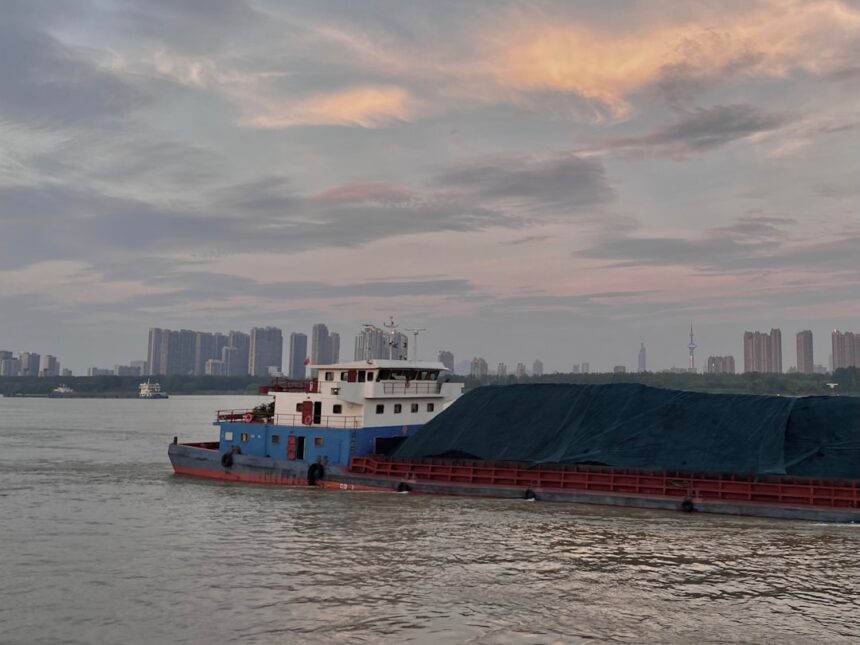
The Yangtze River, a vital artery for China’s economy and ecology, faces a persistent threat: debris jams. These accumulations of anthropogenic waste, sediment, and natural detritus can obstruct vital intake gates for water supply, irrigation, and hydropower. The consequences are significant, ranging from reduced water availability to potential infrastructure damage. This article explores the multifaceted challenge of preventing Yangtze River debris jams, with a specific focus on effective intake gate solutions.
The sheer scale of the Yangtze River, coupled with its extensive network of tributaries and surrounding human activity, creates a complex environment where debris formation is inevitable. Understanding the nature of this debris and its movement is fundamental to developing effective prevention strategies.
Sources of Debris
Debris in the Yangtze River is not a monolithic entity. It originates from a diverse range of sources, each contributing to the overall problem.
Anthropogenic Waste
This category encompasses a broad spectrum of human-generated refuse.
Agricultural Runoff
Fertilizers, pesticides, and plastic mulch from agricultural fields can be washed into the river system. While not always considered “debris” in the visual sense, these pollutants contribute to water quality degradation and can, in larger quantities of suspended solids, exacerbate sedimentation.
Industrial Discharge
Wastewater from factories, if inadequately treated, can carry solid waste, chemicals, and microplastics into the river. Legacy pollution from past industrial practices also contributes to the problem.
Municipal Solid Waste (MSW)
Uncollected or improperly disposed of garbage from urban and rural areas along the riverbanks is a significant contributor. This includes plastics, packaging, textiles, and organic waste.
Ship-based Waste
Vessels operating on the Yangtze, from large cargo ships to smaller fishing boats, can inadvertently or intentionally discharge waste, including oil, bilge water, and solid refuse.
Construction and Demolition Waste
Projects along the riverbanks, such as bridge construction or infrastructure development, can release materials like concrete, wood, and metal into the waterway.
Natural Detritus
While anthropogenic waste often garners more attention, natural materials also play a crucial role in debris formation.
Vegetation and Biomass
During flood events or periods of high flow, trees, branches, leaves, and other plant matter are dislodged and carried downstream. This organic material can accumulate and bind with other debris.
Sedimentation and Erosion
The Yangtze carries a substantial sediment load. Erosion of riverbanks and tributaries, particularly during intense rainfall, contributes to increased suspended solids. This sediment can coalesce with other debris, forming denser accumulations.
Natural Ice and Snow Melt
In upstream regions, seasonal ice melt and snow runoff can introduce large volumes of water and associated debris into the river system.
Debris Transport Mechanisms
The movement of debris within the Yangtze is governed by powerful hydrological forces.
River Flow and Currents
The primary driver of debris transport is the river’s current. Stronger flows can carry larger and heavier debris items further downstream. Eddies and slower-moving water zones, however, can lead to accumulation.
Flood Events and High Water Levels
During flood seasons, significantly increased water volume and velocity can mobilize vast amounts of debris that would otherwise remain stationary. These events are often the primary drivers of large-scale debris jams.
Wind and Wave Action
While less dominant than water flow, wind can influence the movement of floating debris, especially in wider sections of the river. Wave action can also contribute to the dislodgement and redistribution of submerged debris.
Tributary Inflow
Junctions where tributaries meet the mainstem of the Yangtze are critical points for debris aggregation. Debris carried by tributaries can merge with the main flow, increasing the potential for jams.
Factors Influencing Jam Formation
Specific conditions can transform scattered debris into formidable obstacles.
Topography and Channel Morphology
Narrowing of the river channel, shallows, bends, and the presence of submerged obstacles can create areas where debris tends to snag and build up.
Intake Gate Structures
The physical design and placement of intake gates themselves can inadvertently influence debris accumulation. Protruding structures, suboptimal angles, and insufficient opening sizes can act as collection points.
Water Velocity Variations
Areas with suddenly reduced water velocity, such as downstream of dams or in wide, slow-moving sections, are prone to debris deposition.
Debris Size, Shape, and Density
Larger, irregularly shaped, or less dense debris are more likely to float and accumulate on the surface, while sediment and smaller particles can clog gaps and bind larger items.
The recent challenges posed by the debris jam in the Yangtze River have raised concerns regarding the effectiveness of the intake gates designed to manage water flow and prevent blockages. For a deeper understanding of the implications of this issue, you can read a related article that discusses the engineering challenges and environmental impacts associated with river management systems. For more information, visit this article.
Intake Gate Design and Debris Mitigation
The design of intake gates is a critical engineering consideration for minimizing debris accumulation. A proactive approach, integrating debris resistance into the initial design, is far more effective than reactive removal.
Screen and Bar Systems
A primary line of defense involves physical barriers designed to prevent larger debris from entering the gate intake.
Trash Racks and Grates
These are typically horizontal or vertical bars set at specific intervals to capture floating and submerged debris.
Bar Spacing Optimization
The optimal spacing of bars is a balance between preventing debris ingress and minimizing head loss (resistance to water flow). Too wide a spacing allows debris through, while too narrow a spacing can lead to rapid clogging.
Material Selection and Durability
Trash racks should be constructed from robust, corrosion-resistant materials like stainless steel or specially treated carbon steel to withstand the harsh riverine environment and the abrasive forces of debris.
Angled Grate Design
Inclining trash racks at an angle can facilitate the sliding of debris towards collection points, rather than allowing it to accumulate perpendicular to the flow. This can allow for easier mechanical removal.
Self-Cleaning Mechanisms
Innovative designs are exploring self-cleaning mechanisms, such as vibrating grates or rotating brushes, to continuously dislodge captured debris. However, the effectiveness and power requirements of such systems need careful evaluation.
Coarse and Fine Screening
Beyond primary trash racks, multiple stages of screening can be employed.
Pre-screening Chambers
These are often wider areas upstream of the main intake, designed to slow water velocity and allow larger debris to settle or accumulate for easier removal before reaching more sensitive screening mechanisms.
Rotary Screens and Drum Screens
These rotating cylindrical screens can be effective for capturing smaller to medium-sized debris. Their continuous rotation helps to periodically clear the screen surface.
Traveling Screens
These screens move vertically through the water, continuously lifting captured debris to a discharge point. They are often used in larger intake systems.
Intake Gate Structure Geometry
The shape and configuration of the intake structure itself can significantly influence debris flow.
Inlet Shape and Orientation
The angle at which the intake faces the river flow can affect how debris approaches and interacts with the gate.
Swept-back or Angled Intakes
Designing intakes with a swept-back or angled orientation relative to the main flow can encourage debris to bypass the opening rather than entering it. This requires careful hydrodynamic modeling.
Rounded or Eroded Inlet Edges
Sharp edges can act as snag points. Rounded or specially designed inlet contours can reduce the likelihood of debris catching.
Submerged vs. Surface Intakes
The decision to intake water from nearer the surface or from a submerged depth depends on the expected debris types. Surface intakes are more prone to floating debris, while submerged intakes might encounter more sediment and submerged vegetation.
Velocity Reduction Zones
Creating areas within the intake structure where water velocity is naturally reduced can encourage debris to settle out.
Widening of Intake Channels
Gradually widening the channel leading to the intake can reduce flow velocity, allowing heavier debris to sink.
Baffles and Deflectors
Strategically placed baffles or deflectors can create zones of lower velocity and turbulence, promoting debris settlement.
Access and Maintenance Features
Even with the best design, some debris will inevitably reach the intake gates. Ease of access for clearing and maintenance is paramount.
Debris Collection Bays and Sumps
Dedicated areas within or adjacent to the intake structure designed to collect accumulated debris.
Gullies and Drainage Channels
Integrated gullies and drainage channels can direct captured debris to specific collection points.
Automated Sediment Removal Systems
For intakes prone to significant sediment load, automated dredging or flushing systems can be incorporated into the collection bays.
Ease of Access for Cleaning Crews
Ensuring that maintenance personnel can safely and efficiently access the intake for manual debris removal.
Walkways and Platforms
Secure walkways and platforms around the intake are essential for safe operations.
Crane and Lifting Equipment Integration
Provisions for mobile cranes or integrated lifting equipment may be necessary for removing large debris items from collection bays.
Operational Strategies for Debris Management
Beyond passive design features, active operational strategies are crucial for preventing and managing debris jams at intake gates.
Real-time Monitoring and Early Warning Systems
The ability to detect potential debris buildup before it becomes a critical issue is key to an effective response.
Hydrographic Monitoring
Tracking water levels, flow rates, and sediment loads can provide indirect indicators of increasing debris potential.
Sensor Networks
Deploying networks of water level and flow sensors throughout the river system and near intake gates.
Acoustic Doppler Current Profilers (ADCPs)
These instruments measure water velocity at various depths, helping to identify changes in flow patterns that may indicate debris aggregation.
Visual and Remote Sensing
Direct observation and advanced sensing technologies offer timely insights into debris presence.
Camera Systems and Surveillance
Installing high-resolution cameras at intake locations for continuous visual monitoring of incoming debris.
Drone and Satellite Imagery
Utilizing drones and satellite imagery for broader surveillance of river sections upstream of intakes, identifying potential jam precursors.
Sonar and Underwater Imaging
Employing sonar and underwater cameras to detect submerged debris accumulations and assess their extent.
Predictive Modeling
Using historical data and real-time inputs to forecast debris movement and potential jam formation.
Hydrological and Hydraulic Models
Sophisticated models that simulate river flow, sediment transport, and debris movement patterns.
Machine Learning Algorithms
Training machine learning models on historical debris jam data to predict future occurrences based on environmental factors.
Water Flow Management and Gate Operation
Adjusting operational parameters of the intake gates can influence debris behavior.
Variable Gate Opening and Closing
Not maintaining a constant gate opening can be a crucial tactic.
Intermittent Gate Operation
Periodically closing and opening gates can help to dislodge accumulated debris. This needs to be carefully managed to avoid disrupting essential water supply.
Pulsed Water Releases
Generating brief, high-velocity pulses of water from upstream reservoirs (if applicable) can help to scour debris away from intake points.
Flow Diversion Strategies
In some cases, temporarily diverting the main flow away from the intake might be necessary.
Upstream Dam Operations
If the intake is associated with a reservoir dam, optimizing upstream releases to flush debris downstream, away from the intake.
Temporary Barriers
In extreme cases, deploying temporary floating barriers upstream of intakes to deflect larger debris accumulations.
Regular Cleaning and Maintenance Regimes
Proactive and consistent cleaning is non-negotiable for preventing severe jams.
Scheduled Debris Removal
Establishing a fixed schedule for inspecting and clearing intake screens and collection areas.
Daily, Weekly, and Monthly Inspections
The frequency of inspections should be based on the historical debris load and the criticality of the intake.
Seasonal Cleaning Programs
Implementing more intensive cleaning programs before and after anticipated high-debris periods, such as flood seasons.
Emergency Debris Removal Procedures
Developing and practicing protocols for rapid response to unexpected debris jams.
Rapid Deployment Teams
Having trained crews and specialized equipment readily available for emergency clearing operations.
Pre-established Contingency Plans
Detailed plans outlining roles, responsibilities, and necessary resources for different debris jam scenarios.
Advanced Technologies and Future Innovations
The ongoing development of new technologies offers promising avenues for more effective debris jam prevention at Yangtze River intake gates.
Automation and Robotics
Reducing human intervention in hazardous environments and increasing efficiency.
Robotic Cleaning Systems
Developing and deploying underwater robots or surface-cleaning robots specifically designed for intake structures.
Articulated Arms and Grasping Tools
Robots equipped with specialized tools to collect, cut, or dislodge debris.
Autonomous Navigation and Mapping
Robots capable of autonomously navigating intake areas, mapping debris distribution, and performing cleaning tasks.
Automated Debris Removal Mechanisms
Integrating automated systems for capturing and removing debris directly.
Automated Sluicing Gates
Gates that can automatically open and close to flush accumulated debris.
Conveyor Belt Systems
Automated conveyor belts for transporting collected debris from the intake to a disposal site.
Smart Gate Technologies
Leveraging data and artificial intelligence for optimized performance.
AI-powered Debris Detection
Using artificial intelligence to analyze sensor data and video feeds for early detection of debris.
Pattern Recognition for Debris Formation
AI algorithms trained to identify patterns indicative of impending debris jams.
Anomaly Detection in Water Flow
AI identifying unusual flow patterns that suggest obstruction.
Adaptive Gate Control Systems
Gates that can dynamically adjust their operation based on real-time debris conditions.
Predictive Gate Adjustments
Systems that can predict debris movement and adjust gate openings or flow rates proactively.
Self-optimization of Cleaning Cycles
AI determining the most efficient times and methods for debris clearing based on observed conditions.
Novel Materials and Coatings
Enhancing the resilience of intake structures against debris.
Anti-fouling and Low-Adhesion Surfaces
Developing coatings that reduce the adhesion of debris to gate surfaces.
Hydrophobic and Oleophobic Coatings
Materials that repel water and oil, making it harder for debris to stick.
Abrasion-Resistant Materials
Using advanced materials that can withstand the abrasive forces of debris and sediment over extended periods.
Biodegradable and Environmentally Friendly Debris Capture
Exploring sustainable solutions for debris management.
Debris Capture Systems with Biodegradable Components
Research into capture mechanisms that degrade naturally over time, reducing secondary pollution.
Materials that Facilitate Natural Decomposition
Investigating materials that, when used in debris capture, encourage faster natural decomposition of organic matter.
The recent challenges faced by the Yangtze River due to debris jams have raised concerns about the effectiveness of intake gates in managing water flow and ensuring safety. In light of this, a related article discusses innovative solutions for improving waterway management and mitigating the impact of natural debris. For more insights on this topic, you can read the article here. Understanding these developments is crucial for addressing the ongoing issues in the Yangtze River and enhancing the resilience of its infrastructure.
Integrated Watershed Management and Policy
| Location | Debris Jam Intake Gates | Capacity | Debris Type |
|---|---|---|---|
| Yangtze River | 10 | 1000 cubic meters | Plastic, Wood, Vegetation |
Effective prevention of Yangtze River debris jams extends beyond the immediate vicinity of intake gates and requires a holistic approach involving broader watershed management and robust policy frameworks.
Upstream Source Control and Waste Reduction
Addressing the root causes of debris generation is fundamental.
Strengthening Waste Management Infrastructure
Improving collection, recycling, and disposal systems for municipal and industrial waste along the Yangtze basin.
Expansion of Landfills and Incineration Facilities
Ensuring adequate capacity for processed waste.
Promotion of Circular Economy Principles
Encouraging industries to reduce waste generation and reuse materials.
Agricultural Best Practices and Pollution Control
Minimizing the amount of agricultural waste entering the river.
Promotion of Sustainable Farming Techniques
Encouraging practices that reduce soil erosion and chemical runoff.
Integrated Pest Management (IPM)
Reducing reliance on chemical pesticides.
Improved Management of Plastic Mulch and Agricultural Plastics
Developing systems for the collection and recycling of agricultural plastics.
Regulating Industrial and Shipping Emissions
Implementing and enforcing stricter regulations on industrial discharge and ship-based waste.
Enhanced Wastewater Treatment Standards
Requiring advanced treatment for all industrial effluents.
Strict Enforcement of International Maritime Conventions
Ensuring compliance with regulations concerning waste disposal from vessels.
Policy and Regulatory Frameworks
Establishing clear guidelines and enforcement mechanisms is crucial.
Legislation for Debris Management
Developing comprehensive laws that address debris generation, transport, and removal.
Defining Responsibilities for Debris Removal
Clarifying the roles of government agencies, industries, and communities.
Establishing Penalties for Illegal Dumping
Deterring individuals and entities from discharging waste into the river.
Inter-agency Coordination and Collaboration
Fostering cooperation among various government bodies and stakeholders.
River Basin Management Authorities
Establishing or strengthening authorities responsible for the integrated management of the Yangtze River basin.
Public-Private Partnerships
Encouraging collaboration between government, industry, and research institutions.
Public Awareness and Education Campaigns
Engaging the public in debris prevention efforts.
Promoting Responsible Consumer Behavior
Educating citizens about the impact of their consumption patterns.
Community-Based Clean-up Initiatives
Organizing and supporting local efforts to remove debris from riverbanks and waterways.
Environmental Monitoring and Research
Continuous scientific study and data collection are vital for informed decision-making.
Long-term Debris Monitoring Programs
Establishing dedicated programs to track debris types, volumes, and movement over time.
Data Collection and Analysis Centers
Centralized facilities for processing and analyzing debris-related data.
Standardized Monitoring Protocols
Ensuring consistency in data collection across different regions.
Research into Debris Behavior and Mitigation Technologies
Investing in scientific research to develop innovative solutions.
Understanding Debris-Sediment Interactions
Investigating how debris binds with sediment to form jams.
Evaluating the Effectiveness of New Technologies
Conducting rigorous testing and validation of emerging debris management solutions.
In conclusion, preventing Yangtze River debris jams at intake gates is a complex, ongoing challenge that demands a multi-pronged approach. It requires a deep understanding of debris dynamics, meticulously designed and maintained intake structures, robust operational strategies, the integration of advanced technologies, and, crucially, comprehensive watershed management and supportive policy frameworks. By addressing both the symptoms and the root causes of debris pollution, the Yangtze River can better safeguard its vital water resources and ecological integrity for future generations.
FAQs
What are the Yangtze River debris jam intake gates?
The Yangtze River debris jam intake gates are a system of gates designed to prevent debris from entering the intake structures of hydroelectric power stations along the Yangtze River in China.
Why are the Yangtze River debris jam intake gates important?
These gates are important because they help to prevent debris such as tree branches, logs, and other floating objects from clogging the intake structures of hydroelectric power stations, which could disrupt power generation and potentially cause damage to the equipment.
How do the Yangtze River debris jam intake gates work?
The gates are designed to divert and trap debris, preventing it from entering the intake structures. This helps to ensure the smooth and uninterrupted flow of water into the power stations, allowing for efficient power generation.
Where are the Yangtze River debris jam intake gates located?
The Yangtze River debris jam intake gates are located at various hydroelectric power stations along the Yangtze River in China, where they play a crucial role in maintaining the operational efficiency of these power stations.
Who is responsible for maintaining the Yangtze River debris jam intake gates?
The maintenance and operation of the Yangtze River debris jam intake gates are typically the responsibility of the power station operators, who are tasked with ensuring that the gates are functioning properly to prevent debris from causing any disruptions to power generation.