
The construction and operation of the Three Gorges Dam represent a complex interplay of engineering ambition, environmental consequences, and human displacement. While lauded by some as a triumph of modern engineering and a vital tool for economic development and flood control, its implementation, particularly the process of reservoir filling, has been characterized by coercive flooding. This article examines the Three Gorges Dam through the lens of coercive flooding as a mechanism of deterrence, exploring its scale, impacts, and the underlying rationale.
Historical Context and Forethought
The idea of harnessing the Yangtze River’s power for flood control and energy generation is not new. For decades, engineers and policymakers in China contemplated the potential of the Three Gorges. Early conceptualizations date back to the early 20th century, with Sun Yat-sen advocating for large-scale water management projects on the Yangtze. However, it was not until the late 20th century that the political will and technological capacity converged to make the Three Gorges Dam a concrete reality. The project was formally approved by the National People’s Congress in 1992, initiating a transformative, yet controversial, era for the region.
A Multifaceted Purpose
The stated objectives of the Three Gorges Dam were multifaceted, encompassing flood control, hydropower generation, and improved navigation.
Flood Control Imperatives
The lower reaches of the Yangtze River have historically endured devastating floods, leading to significant loss of life and economic damage. Proponents argued that the dam’s reservoir, with its immense storage capacity, would act as a crucial buffer, regulating downstream water flow and mitigating the risk of catastrophic inundation. This was presented as a primary justification for the monumental undertaking.
Energy Generation Potential
The dam was envisioned as a powerhouse, capable of generating vast quantities of electricity. This was intended to fuel China’s rapidly growing industrial sector, reduce reliance on fossil fuels, and contribute to a more sustainable energy future. The sheer scale of its generating capacity made it the world’s largest power station upon completion.
Navigational Enhancements
The dam was also designed to improve navigation along the Yangtze, facilitating the transport of goods and people. The construction of navigation locks was intended to overcome the river’s natural bottlenecks and create a more efficient waterway for commerce, connecting inland regions to coastal ports.
The Three Gorges Dam, a monumental engineering project in China, has been a focal point of discussion regarding its role in coercive flooding deterrence. An insightful article that delves into the implications of this massive structure can be found at In the War Room. This piece explores how the dam not only serves as a means of flood control but also raises concerns about environmental impact and geopolitical tensions in the region.
The Mechanics of Coercive Flooding
Reservoir Filling: A Gradual Imposition
The process of filling the reservoir behind the Three Gorges Dam was not a singular event but a protracted and deliberate undertaking that fundamentally altered the landscape and the lives of those inhabiting it. This period of filling, which occurred in stages, effectively submerged vast tracts of land, permanently transforming the river valley.
Phased Inundation and its Implications
The reservoir’s water level was raised incrementally by the dam’s operators, a process that gradually encroached upon existing communities, agricultural lands, and historical sites. This phased inundation exerted continuous pressure on the affected populations, forcing them to confront the inevitability of displacement and loss.
Water Level Management as a Tool
The ability to control and raise the water level in the reservoir provided the dam’s operators with a powerful tool. While presented as necessary for flood control and power generation, this control also meant the capacity to systematically submerge areas, thereby dislocating populations and reshaping the environment.
Environmental Transformations Driven by Water
The impoundment of the Yangtze River created a massive reservoir, altering the natural hydrological and ecological systems of the region. The static body of water, a stark contrast to the dynamic river, brought about a cascade of environmental changes.
Alteration of Sediment Transport
The dam acts as a barrier to the natural flow of sediment downstream. This trapping of sediment within the reservoir has implications for the fertility of downstream alluvial plains and can lead to erosion in the river delta.
Impact on Aquatic Ecosystems
The creation of an artificial lake has profoundly impacted the river’s native aquatic species. Changes in water temperature, flow, and habitat availability have led to the endangerment and, in some cases, the potential extinction of species that were uniquely adapted to the river’s natural conditions.
The Human Cost: Displacement and Relocation
A Mass Exodus Driven by Water
The most direct and immediate consequence of the Three Gorges Dam’s operation, particularly its phased reservoir filling, was the large-scale displacement of human populations. Millions of people were compelled to leave their ancestral homes, a process often characterized by coercion and limited agency.
Quantifying the Displaced
Estimates vary, but official figures suggest that over a million people were relocated as a result of the dam. This represents one of the largest forced migrations in modern history, driven by the rising waters of the Yangtze.
The Process of Relocation: Forced and Unequal
The relocation process was not uniformly equitable. While some individuals and communities received compensation and were resettled in new locations, many faced inadequate support, loss of livelihoods, and a sense of profound dislocation. Critiques frequently highlight discrepancies in compensation and the challenges of adapting to new environments without adequate resources.
Loss of Livelihoods and Cultural Heritage
Beyond the physical displacement, the dam’s inundation led to the erosion of traditional livelihoods and the submersion of invaluable cultural and historical sites. The economic and social fabric of the region was irrevocably altered.
Agricultural Disruption
Vast areas of fertile farmland were submerged, displacing farmers and impacting agricultural production. The loss of arable land represented a significant blow to the region’s economic base and food security.
Submergence of Historical and Archaeological Sites
Numerous archaeological sites, historical towns, and cultural landmarks were permanently inundated by the reservoir. These sites represented centuries of human history and cultural development, and their loss is considered an irreplaceable cultural tragedy by many.
Deterrence Through Submergence: A Calculated Strategy
The Logic of Water as a Control Mechanism
The concept of “coercive flooding” in the context of the Three Gorges Dam refers to the deliberate use of rising reservoir water levels to compel the abandonment of land and settlements. This was not merely an incidental consequence of dam construction but an integral part of the strategy for shaping the landscape and managing human presence.
Strategic Land Acquisition Through Inundation
By systematically raising the water level, the government effectively rendered large areas uninhabitable and unusable for their existing purposes. This mechanism bypassed traditional land acquisition processes, utilizing the physical reality of rising water as the primary agent of change.
Eliminating Opposition Through Impossibility
The submersion of land made it practically impossible for residents to continue their lives in their original locations. This effectively deterred any lingering resistance to the project by presenting a fait accompli: the water had risen, and remaining was no longer a viable option.
The Three Gorges Dam as a Blueprint
The Three Gorges Dam’s experience with coercive flooding has, in some respects, set a precedent for large-scale development projects, particularly in infrastructure and resource management. The effectiveness of using environmental changes as a method of population control and resource reallocation is a potent, albeit ethically fraught, tool.
Precedent for Future Mega-Projects
The success in displacing millions and acquiring vast swathes of land through reservoir inundation can be seen as a model for future large-scale engineering projects where human and environmental factors present potential obstacles.
The Power of Environmental Engineering
This approach highlights the immense power wielded through the manipulation of natural systems for human-defined goals. The deliberate engineering of environmental conditions to achieve social and economic objectives raises significant ethical considerations regarding human rights and environmental stewardship.
The Three Gorges Dam has been a focal point of discussion regarding its role in coercive flooding deterrence, as it aims to manage the Yangtze River’s flow and mitigate the impact of natural disasters. A related article explores the complexities and implications of such large-scale infrastructure projects, shedding light on both their benefits and potential drawbacks. For more insights on this topic, you can read the article here.
Critiques and Ongoing Debates
| Metrics | Data |
|---|---|
| Height of Three Gorges Dam | 185 meters |
| Length of Three Gorges Dam | 2,335 meters |
| Reservoir Capacity | 39.3 billion cubic meters |
| Coercive Flooding Deterrence | Prevention of major floods downstream |
Environmental and Social Repercussions
Despite the stated benefits, the Three Gorges Dam has been the subject of extensive criticism regarding its environmental and social impacts. These critiques highlight the long-term consequences of such massive interventions.
Long-Term Environmental Degradation
Concerns persist about the dam’s impact on biodiversity, water quality, and the potential for increased seismic activity. The long-term ecological health of the Yangtze River ecosystem remains a significant point of contention.
Social and Economic Disparities
The uneven distribution of benefits and burdens of the dam, as well as the challenges faced by relocated populations, continue to fuel debate about the project’s overall social justice implications. The economic gains are not always commensurate with the social costs borne by local communities.
The Ethical Dimensions of Coercive Displacement
The use of coercive flooding to facilitate a project raises profound ethical questions about human rights, consent, and the responsibility of governments to their citizens. The notion of “deterrence through submergence” is intrinsically linked to the displacement of people against their will.
Balancing Development with Human Rights
The Three Gorges Dam highlights the inherent tension between national development goals and the fundamental human rights of individuals. The imperative of progress must be weighed against the protection of populations from forced displacement and the destruction of their way of life.
The Legacy of Unforeseen Consequences
While the dam was intended to solve certain problems, it has also engendered new ones. The ongoing debate surrounding its legacy underscores the complexity of mega-projects and the importance of considering a broad spectrum of potential outcomes, both intended and unintended. The narrative of the Three Gorges Dam is one of ambition, immense power, and the stark human realities of large-scale, state-driven environmental transformation.
FAQs
What is the Three Gorges Dam?
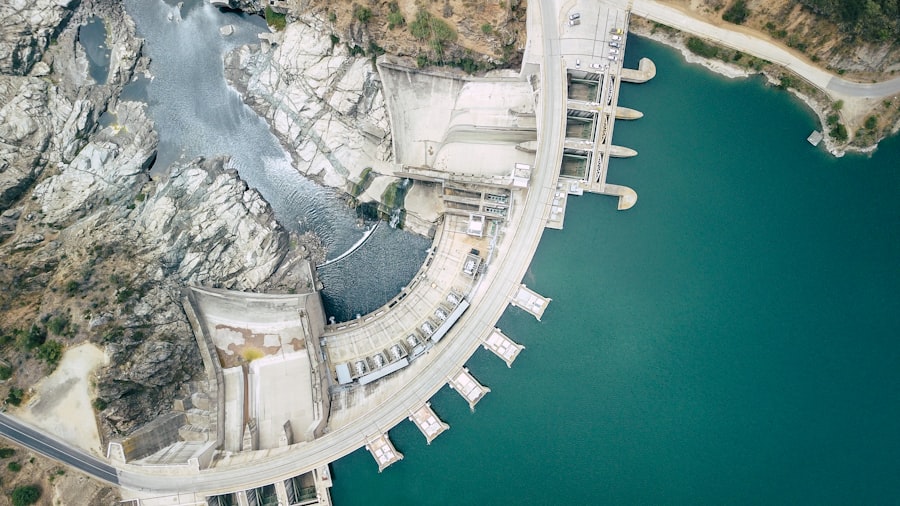
The Three Gorges Dam is a hydroelectric dam located in China, spanning the Yangtze River. It is the world’s largest power station in terms of installed capacity.
What is coercive flooding deterrence?
Coercive flooding deterrence refers to the use of the threat of flooding as a means of deterring or coercing an adversary. In the context of the Three Gorges Dam, it involves the potential use of the dam to release water in a way that could cause flooding downstream as a form of deterrence.
How does the Three Gorges Dam relate to coercive flooding deterrence?
The Three Gorges Dam’s ability to control the flow of the Yangtze River gives China the potential capability to use the threat of flooding as a form of coercive deterrence in geopolitical disputes.
What are the potential implications of using coercive flooding deterrence with the Three Gorges Dam?
The use of coercive flooding deterrence with the Three Gorges Dam could have significant humanitarian, environmental, and geopolitical implications. It could potentially lead to widespread flooding, displacement of populations, and ecological damage downstream.
What are the concerns surrounding the use of coercive flooding deterrence with the Three Gorges Dam?
There are concerns about the potential misuse of the dam for coercive purposes, as well as the lack of international regulations governing the use of water resources for geopolitical purposes. Additionally, there are concerns about the potential for unintended consequences and the impact on regional stability.