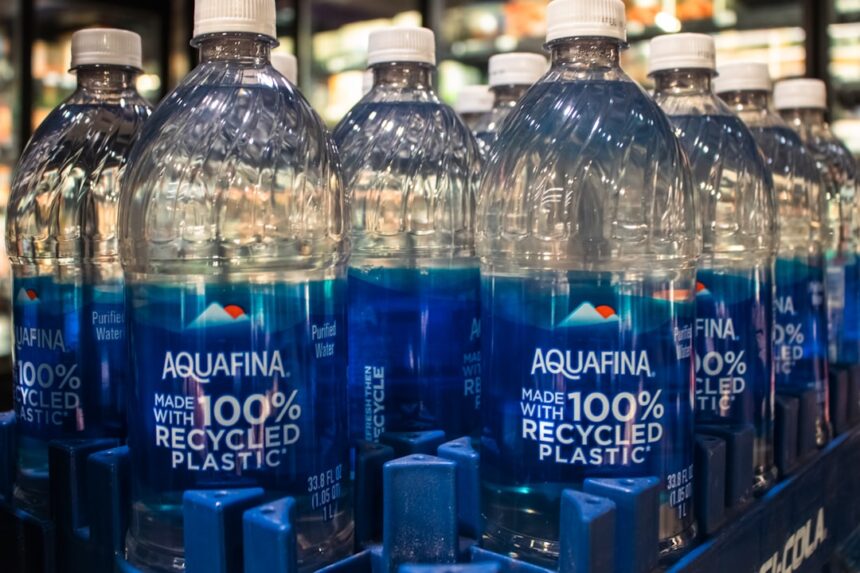
China’s retail bottled water market has experienced a significant and rapid increase in sales, a trend that coincides directly with the issuance of widespread flood warnings across several key regions of the country. This surge in demand, while not entirely unexpected during periods of natural disaster, highlights the critical role of bottled water as a perceived essential commodity and the logistical challenges inherent in responding to such consumption spikes. Retailers and distributors have reported unprecedented restocking requests, and consumers have been observed prioritizing bottled water purchases over other, less immediate needs.
The recent confluence of heightened flood alerts and a sharp upturn in bottled water consumption in China presents a multifaceted issue. It is not simply a matter of increased thirst; rather, it reflects a complex interplay of perceived safety, immediate necessity, and the broader implications for public health infrastructure. When natural disasters loom, particularly those involving water contamination, the immediate need for a reliable source of potable water becomes paramount.
Immediate Public Health Concerns Driving Consumption
The primary driver for the surge in bottled water sales is the immediate concern for public health. Reports of potential contamination of tap water supplies are frequently associated with widespread flooding. This contamination can stem from various sources, including inundated sewage systems, agricultural runoff carrying pesticides and fertilizers, and the general disruption of water treatment facilities.
Risk of Waterborne Diseases and Consumer Anxiety
Consumers, informed by past experiences and public health advisories, become acutely aware of the risks associated with consuming potentially compromised tap water. The fear of contracting waterborne diseases such as cholera, typhoid fever, and dysentery plays a significant role in their purchasing decisions. Bottled water, in contrast, is perceived as a safe, pre-treated, and readily available alternative, offering a crucial layer of protection. This anxiety often overrides concerns about cost or environmental impact in the short term.
Reliance on Pre-Packaged Solutions
In the face of immediate threats, the reliance on pre-packaged solutions like bottled water becomes a pragmatic choice. The infrastructure for boiling or purifying tap water, while effective, requires time, fuel, and a degree of preparedness that may not be universally present or feasible during an emergency. Bottled water offers an instant solution, bypassing these immediate logistical hurdles.
The “Prepper” Mentality and Emergency Stockpiling
Beyond immediate health concerns, the flood warnings have also stimulated a degree of emergency preparedness behavior among a segment of the population. This phenomenon, often referred to as the “prepper” mentality, involves proactively stocking up on essential supplies in anticipation of disruptive events.
Prioritizing Water in Emergency Kits
Water, as a fundamental human requirement, is almost universally the first item to be included in any emergency preparedness plan. During flood warnings, this general inclination is amplified, leading to a disproportionate increase in bottled water purchases as individuals and households build or replenish their emergency reserves.
The Psychological Comfort of Preparedness
The act of purchasing and storing essential supplies, including bottled water, can provide a sense of psychological comfort and control in uncertain situations. Knowing that one has a readily accessible supply of safe drinking water can alleviate stress and contribute to a feeling of being better equipped to face potential adversities.
In light of the recent spike in retail bottled water sales in China, which has been attributed to impending flood warnings, it is essential to explore the broader implications of this trend. A related article discusses the impact of natural disasters on consumer behavior and the surge in demand for essential supplies during such events. For more insights on this topic, you can read the full article here: Impact of Natural Disasters on Consumer Behavior.
Retailer Response and Supply Chain Pressures
The rapid escalation in bottled water demand has placed considerable pressure on China’s retail sector and its intricate supply chains. Retailers have been forced to react swiftly to meet an unexpected surge in customer needs, often encountering challenges in maintaining adequate stock levels.
Inventory Management Challenges and Stockouts
The sudden and intense spike in demand has invariably led to inventory management challenges for many retailers. What might have been adequate stock for a typical week or month can be depleted within days, resulting in widespread stockouts across various brands and sizes of bottled water.
Forecasting for Unpredictable Events
Forecasting demand for essential goods like bottled water is generally based on historical sales data and seasonal trends. However, predicting the precise scale and timing of demand spikes driven by unpredictable natural disasters like floods is exceptionally difficult. This inherent unpredictability makes it challenging for retailers and manufacturers to proactively adjust production and distribution strategies.
The “First Come, First Served” Dynamic
As stock levels dwindle, a “first come, first served” dynamic often emerges in retail environments. This can lead to frustration among consumers who are unable to secure supplies and can also contribute to hoarding behaviors, further exacerbating shortages.
Increased Logistics and Distribution Demands
The surge in sales translates directly into a significant increase in logistics and distribution demands. Getting replenished stock from manufacturers to shelves becomes a complex and time-sensitive operation, especially in areas affected by or anticipating flooding.
Overcoming Transportation Disruptions
Flood warnings themselves can herald potential transportation disruptions, with roads becoming impassable, ports facing closures, and delivery routes being rerouted or halted altogether. This creates a double bind: demand is soaring, but the ability to deliver is simultaneously being compromised.
Prioritizing Bottled Water Deliveries
Logistics companies and retailers are likely to prioritize bottled water deliveries to affected regions, recognizing its critical nature. However, the sheer volume of demand can outstrip even these prioritized efforts, leading to delays and continued scarcity.
The Role of E-commerce and Online Retailers
E-commerce platforms and online retailers play an increasingly crucial role in managing such demand surges. Their ability to aggregate demand, manage inventory across multiple warehouses, and offer delivery services can be a vital buffer.
Rapid Order Fulfillment and Delivery Networks
Online retailers with robust fulfillment networks can often respond more rapidly to consumer needs, provided their logistics remain operational. They may also be able to leverage stock from less affected regions to meet demand in critical areas.
The Challenge of Delivery in Affected Zones
However, even e-commerce faces limitations. Delivery in areas actively experiencing or anticipating flooding can be hazardous and may be suspended, leaving online buyers no better off than those relying on brick-and-mortar stores.
Impact on Bottled Water Manufacturers and Production
The amplified demand for bottled water places immediate and substantial pressure on manufacturers. This involves not only increasing production output but also navigating potential disruptions to their own operations.
Scaling Up Production Capacity
The most direct impact on manufacturers is the need to significantly scale up production capacity. This requires efficient coordination across all stages of the manufacturing process, from raw material sourcing to bottling and packaging.
Overtime and Extended Operating Hours
To meet the surge, manufacturers are likely implementing overtime, extending operating hours, and potentially bringing retired machinery back online. This can lead to increased operational costs and a strain on human resources, but is often a necessary measure.
Ensuring Quality Control Under Pressure
Crucially, the pressure to produce more must not compromise product quality. Manufacturers must maintain rigorous quality control standards to ensure that the water being distributed is safe and meets all regulatory requirements. Any lapse in quality control during periods of high demand could have severe public health consequences.
Raw Material Sourcing and Packaging Supply
The increased production volume also creates demand for raw materials, particularly plastic for bottles and caps, as well as labels and packaging materials.
Potential Shortages of PET and Other Materials
If the demand surge is widespread and prolonged, there is a potential for shortages of key raw materials like PET (polyethylene terephthalate) resin, the primary component for plastic bottles. This can lead to price increases and further strain production.
Securing Packaging Components
Similarly, securing a consistent supply of caps, labels, and secondary packaging can become a challenge when demand for finished goods is so high. Manufacturers must work closely with their suppliers to ensure an uninterrupted flow of these essential components.
Distribution Challenges from Production Facilities
Even with increased production, getting the finished product from the factory to the market presents its own set of hurdles, especially when flood conditions are prevalent.
Transportation Bottlenecks for Finished Goods
Bottled water factories are often located in industrial zones, which may themselves be vulnerable to flooding or face upstream transportation disruptions. Moving large volumes of finished goods out of these facilities and into the broader distribution network can be significantly delayed.
Coordination with National Distribution Networks
Manufacturers must work in close coordination with national and regional distribution networks. This requires effective communication and a flexible approach to logistics to adapt to changing routes and accessibility.
A Closer Look at Regional Variations in Demand
While the flood warnings may be national, the impact on bottled water sales is not uniform across China. Specific regions experiencing the most severe weather alerts or facing the greatest perceived risk are likely to see the most dramatic surges in demand.
Provinces Under Direct Flood Threat
Provinces that are directly in the path of projected floodwaters or have already experienced significant rainfall are the epicenters of this demand spike. Local authorities in these areas often issue the most urgent public health advisories, directly influencing consumer behavior.
High-Risk River Basins and Coastal Areas
Regions situated along major river basins, such as the Yangtze or Yellow River, and coastal areas susceptible to storm surges are particularly vulnerable. Residents in these areas are often more attuned to flood risks and more likely to proactively prepare.
Evacuations and Displacement Impacts
In cases of impending or ongoing evacuations, the need for bottled water becomes even more acute. Displaced populations require immediate access to safe drinking water, creating a concentrated demand in temporary shelters and transit points.
Neighboring Regions and Precautionary Purchasing
Even regions not directly under threat may experience an increase in bottled water sales due to a generalized sense of caution or the influence of news and social media reporting on affected areas.
Spillover Effects of Media Coverage
Extensive media coverage of flood-stricken regions can create a broader sense of unease, prompting consumers in less affected areas to stock up as a precautionary measure, even if the immediate threat is low.
Potential for Inter-regional Supply Strain
This precautionary purchasing, while seemingly rational at an individual level, can place an unforeseen strain on supply chains that are already stretched thin by demand in directly threatened areas. This highlights the interconnectedness of the national market.
Urban Centers vs. Rural Areas
The purchasing patterns and accessibility of bottled water can also vary between China’s large urban centers and more rural communities.
Urban Accessibility and Convenience
Major cities often have a greater density of retail outlets, including supermarkets and convenience stores, making bottled water more readily accessible. E-commerce penetration is also typically higher in urban areas.
Rural Supply Chain Vulnerabilities
In contrast, rural areas might face greater challenges in restocking due to less developed infrastructure and longer supply chain routes, potentially leading to more pronounced shortages when demand spikes.
Recent reports indicate that the retail bottled water market in China is experiencing a significant spike, largely driven by heightened concerns over potential flood warnings in various regions. As consumers rush to stock up on essential supplies, the demand for bottled water has surged, reflecting a broader trend in emergency preparedness. For more insights on this topic, you can read a related article that discusses the implications of such consumer behavior and its impact on the market dynamics by visiting this link. The intersection of environmental factors and consumer habits continues to shape the retail landscape in fascinating ways.
Long-Term Implications and Future Preparedness
| Date | Location | Event | Impact |
|---|---|---|---|
| July 2021 | China | Retail bottled water spikes | Flood warning |
While the current surge in bottled water sales is a direct response to immediate flood warnings, it also offers valuable insights into China’s preparedness for future climate-related events and the resilience of its essential supply chains.
Evaluating the Resilience of Water Infrastructure
The events underscore the importance of robust and resilient water infrastructure. Investments in flood defenses, improved water treatment technologies, and early warning systems are crucial for mitigating the risks associated with contaminated water.
The Need for Diversified Water Sources
Reliance on a single water source makes communities more vulnerable. Exploring and developing diversified water sources, including advanced purification and desalination where feasible, could enhance long-term water security.
Regular Stress-Testing of Supply Chains
The current situation highlights the need for regular stress-testing of the bottled water supply chain. This involves simulating scenarios of natural disasters and other disruptive events to identify weaknesses and develop contingency plans.
Promoting Water Conservation and Alternative Purification Methods
While bottled water offers an immediate solution, its widespread use during emergencies raises questions about environmental sustainability and the promotion of responsible consumption.
Encouraging Efficient Water Use
Public awareness campaigns on water conservation, especially during periods of potential scarcity, can be beneficial. This includes educating consumers on the importance of not wasting water, even when readily available.
Investing in Household Water Purification Technologies
Promoting and subsidizing accessible and effective household water purification technologies, such as advanced filters or gravity-fed systems, could provide a more sustainable alternative to large-scale reliance on bottled water during crises.
Enhancing Emergency Response Protocols
The significant demand for bottled water during flood warnings necessitates a review and enhancement of national and local emergency response protocols.
Better Coordination Between Government Agencies and Industry
Improved coordination between government agencies, emergency management departments, and the bottled water industry is essential. This includes establishing clear lines of communication, pre-arranged agreements for production scaling, and prioritized distribution channels.
Public Education on Water Safety and Preparedness
Educating the public on water safety during emergencies, including proper methods for water purification and safe storage practices, can empower individuals to make informed decisions and reduce reliance on immediate, high-volume purchases of bottled water.
The surge in China’s retail bottled water sales amid flood warnings is a symptom of a larger societal dependency on pre-packaged solutions during crises. While essential for immediate safety, the situation prompts a broader conversation about investing in resilient infrastructure, promoting sustainable practices, and fostering a more informed and prepared populace for the increasing challenges posed by environmental shifts.
FAQs
What is the current situation with retail bottled water in China?
The retail bottled water market in China has seen a significant spike in sales, leading to concerns about potential flooding and environmental impact.
Why has there been a surge in the sales of bottled water in China?
The surge in sales of bottled water in China is primarily due to concerns about water contamination and safety, particularly in the wake of recent flooding and water-related disasters.
What are the potential consequences of the increased consumption of bottled water in China?
The increased consumption of bottled water in China could exacerbate the existing problem of plastic pollution and contribute to environmental degradation, particularly in areas affected by flooding.
How are Chinese authorities responding to the surge in bottled water sales?
Chinese authorities have issued warnings about the potential environmental impact of increased bottled water consumption and have urged the public to use water responsibly and consider alternative solutions.
What are some alternative solutions to the increased consumption of bottled water in China?
Some alternative solutions to the increased consumption of bottled water in China include investing in water purification systems, promoting public awareness about water conservation, and implementing stricter regulations on plastic usage and disposal.