China’s ambitious cloud-seeding program, a long-standing initiative aimed at augmenting precipitation and mitigating drought, has increasingly intersected with concerns regarding flood risk. While the technology is primarily deployed to induce rainfall in arid and semi-arid regions, its large-scale and coordinated application, particularly in mountainous areas prone to heavy downpours, raises questions about its potential to exacerbate existing hydrological challenges and contribute to flood events.
Historical Context and Evolution of the Program
China’s involvement in weather modification dates back decades, with initial efforts focused on agricultural needs and disaster mitigation. The program has since evolved into a sophisticated, nationally coordinated endeavor, involving significant investment in research, development, and operational deployment. The stated primary objectives remain consistent: to increase rainfall for agriculture, replenish water resources, suppress hail, and clear skies for significant national events.
The Science Behind Cloud Seeding
Cloud seeding operates on the principle of introducing substances, typically silver iodide or dry ice, into specific atmospheric conditions to encourage ice crystal formation. These ice crystals then grow and, under the right circumstances, fall as precipitation. The process is not about creating clouds from nothing but rather about influencing existing clouds with supercooled water droplets to precipitate more efficiently.
Supercooled Water and Nucleation
At temperatures below freezing but above the freezing point of pure water, atmospheric water can exist in a liquid state – this is known as supercooled water. Cloud seeding aims to provide nuclei around which these supercooled water droplets can freeze, initiating the precipitation process.
Substances Used in Cloud Seeding
- Silver Iodide: This is the most common agent, with a crystalline structure similar to ice, making it an effective ice nucleating substance.
- Dry Ice (Solid Carbon Dioxide): At extremely cold temperatures, dry ice sublimates directly into a gas, causing a rapid cooling of the surrounding air, which can induce ice crystal formation.
- Salt and other hygroscopic materials: These can encourage droplet formation by attracting water vapor.
China’s National Cloud Seeding Infrastructure
China boasts the most extensive cloud-seeding operations in the world, managed by governmental agencies such as the China Meteorological Administration. This national coordination allows for large-scale, synchronized campaigns across vast geographical areas.
Operational Methods and Technologies
The deployment of seeding agents utilizes various methods:
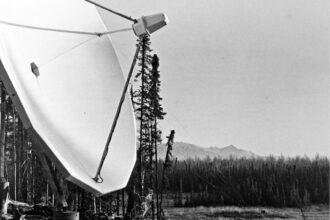
- Aircraft: Planes equipped with flares or dispensers release seeding materials directly into targeted clouds.
- Rockets: Ground-based launchers fire rockets carrying seeding payloads into clouds.
- Artillery Shells: Similar to rockets, these are fired from the ground.
- Ground-based Generators: These facilities release seeding agents into the atmosphere from fixed locations.
Objectives Beyond Precipitation Enhancement
While rainfall augmentation is a primary goal, China’s program also encompasses:
- Hail Suppression: Inducing smaller ice crystals that do not grow large enough to cause damaging hail.
- Fog Dispersal: Clearing fog for improved visibility in transportation hubs.
- Atmospheric Dust Reduction: Less commonly discussed, but some research explores its potential for particulate matter reduction.
In light of China’s recent efforts to enhance its cloud seeding coordination to mitigate flood risks, it is interesting to explore the broader implications of such weather modification techniques. A related article discusses the potential benefits and challenges of cloud seeding in various regions, highlighting how these methods can influence local climates and agricultural productivity. For more insights on this topic, you can read the article here: China’s Cloud Seeding Coordination and Flood Risk Management.
The Interplay of Cloud Seeding and Flood Risk
Potential for Exacerbating Rainfall Intensity
The fundamental principle of cloud seeding is to increase the amount of precipitation an existing cloud system releases. While the aim is often to alleviate drought, this same mechanism, when applied to clouds already producing significant rainfall or existing over saturated terrain, could potentially amplify downpours, contributing to flood conditions.
Theoretical Augmentation and Observed Effects
While precise quantification of the impact of cloud seeding on flood intensity is complex and subject to considerable scientific debate and variability, the theoretical possibility exists. If a cloud system is already primed for heavy rainfall, introducing seeding agents could theoretically enhance the efficiency of droplet formation and growth, leading to a more intense and concentrated rainfall event over a specific area.
Influence on Storm Systems
Cloud seeding operations are often targeted at specific cumulus or cumulonimbus clouds, which are also the types of clouds that can produce severe rainfall and flash floods. The coordinated nature of China’s program means that multiple seeding activities might occur within the same weather system or region, potentially leading to additive or synergistic effects on rainfall output.
Geographic Vulnerability and Topographical Factors
Many of China’s most vulnerable flood-prone regions are characterized by mountainous terrain. These areas are prone to flash floods due to steep slopes, narrow valleys, and rivers that can rise rapidly. Cloud seeding in such regions, if it leads to intensified rainfall, could significantly increase the risk of these destructive hydrological events.
Mountainous Regions and Runoff Generation
Mountainous areas are particularly sensitive to precipitation intensity. Steep gradients accelerate surface runoff, and the soil in these regions may have limited infiltration capacity, especially if already saturated. Intensified rainfall due to cloud seeding could overwhelm natural drainage systems and lead to rapid inundation.
Impact on River Basins
Large river basins, such as those of the Yangtze and Yellow Rivers, are heavily influenced by precipitation patterns in their upper reaches, often situated in mountainous areas. Coordinated cloud seeding in these headwaters could, in theory, lead to increased downstream water flow and a heightened flood risk for communities located along these rivers.
The Challenge of Attribution and Scientific Uncertainty
Determining the precise contribution of cloud seeding to a specific flood event is a significant scientific challenge. Weather systems are complex and influenced by numerous natural factors. Isolating the effect of human intervention through cloud seeding from the natural variability of rainfall remains difficult.
Differentiating Natural Variability from Artificial Augmentation
Attributing a flood event solely to cloud seeding is problematic due to the inherent variability of natural weather patterns. Rainfall intensity is a natural phenomenon, and China experiences numerous flood events annually regardless of weather modification efforts. Establishing a clear causal link requires sophisticated meteorological modeling and extensive data collection that can disentangle natural processes from the impact of seeding.
Limitations of Current Modeling and Monitoring
While meteorological models are continually improving, they still face challenges in accurately predicting the precise impact of cloud seeding on localized rainfall intensity, especially in the context of dynamic storm systems. The monitoring of cloud seeding operations and their immediate atmospheric effects, while improving, can also be limited in its ability to provide definitive real-time data for attribution.
Regulatory Frameworks and Operational Oversight

The Role of the China Meteorological Administration (CMA)
The CMA is the primary governmental body responsible for overseeing and coordinating all weather modification activities in China. Its mandate includes setting policy, approving operations, and conducting research into the efficacy and safety of cloud seeding.
Policy Development and Implementation
The CMA develops national policies and guidelines for cloud seeding, dictating where, when, and how operations can be conducted. These policies are intended to balance the benefits of precipitation enhancement with potential risks.
Research and Development Initiatives
Significant resources are allocated to research aimed at improving the understanding of cloud physics, enhancing seeding techniques, and evaluating the effectiveness and environmental impacts of weather modification. This includes efforts to better model the potential impacts on precipitation distribution.
Inter-Agency Coordination and Communication
Given the scale of operations, the CMA works closely with other relevant ministries and provincial governments. Effective communication and coordination are crucial, especially when operations might affect areas outside the immediate jurisdiction of the initiating agency.
Collaboration with Local Governments and Disaster Management Agencies
Local authorities play a key role in identifying needs and implementing seeding programs. Coordination with agencies responsible for flood control and disaster response is essential to ensure that seeding activities do not inadvertently increase flood risk in vulnerable areas.
Cross-Provincial and Regional Cooperation
In cases where weather systems span multiple provinces or regions, coordinated efforts are necessary. This requires clear communication channels and shared understanding of potential impacts across administrative boundaries.
Evolving Regulations and Environmental Considerations
As the scale and sophistication of cloud seeding operations grow, so too does the scrutiny of their environmental implications. Regulations are subject to revision based on new scientific findings and operational experiences.
Environmental Impact Assessments
While the primary focus of cloud seeding is on atmospheric processes, there is growing recognition of potential environmental impacts, including concerns about the accumulation of seeding agents in the environment and their effects on ecosystems.
International Standards and Best Practices
China is increasingly engaging with international scientific bodies and adhering to evolving global best practices for weather modification, acknowledging the transboundary nature of atmospheric phenomena.
Case Studies and Incident Analysis
Documented Instances of Cloud Seeding Near Flood-Prone Areas
Identifying specific, publicly documented instances where cloud seeding operations have definitively been proven to have caused or significantly worsened a flood event is challenging due to the aforementioned attribution complexities. However, the potential for such occurrences is a subject of ongoing scientific and policy discussion.
Hypothetical Scenarios and Expert Concerns
Experts in atmospheric science and hydrology have raised concerns about scenarios where seeding might coincide with the development of intense rainfall systems over saturated ground or in mountainous regions. These are theoretical concerns based on the underlying physics of precipitation enhancement.
Analysis of Weather Patterns Prior to and During Seeding Operations
A meticulous analysis of historical weather data, including satellite imagery, radar observations, and ground-level precipitation measurements, in conjunction with records of cloud seeding activities, is crucial for understanding any potential correlations. Such analyses are often complex and require specialized meteorological expertise.
Retrospective Studies and Scientific Investigations
Following significant flood events, retrospective studies may be conducted to examine all contributing factors, including weather patterns, land use changes, and any meteorological interventions. These investigations aim to discern the roles of various elements in the flood’s severity.
Methodologies for Attributing Rainfall to Seeding
Scientific investigations rely on advanced modeling techniques. These models attempt to simulate the rainfall that would have occurred without seeding and compare it to the actual observed rainfall, taking into account the known seeding operations. However, these models are approximations and subject to inherent uncertainties.
Peer-Reviewed Research and Scientific Consensus
The scientific community continues to research the precise quantitative impact of cloud seeding on rainfall. While there is a scientific consensus that cloud seeding can influence precipitation in specific conditions, the extent of this influence, particularly concerning extreme events like floods, and its predictability remain areas of active investigation.
The Importance of Transparency and Data Sharing
For robust analysis and public trust, transparency regarding cloud seeding operations, including precise locations, times, substances used, and the prevailing meteorological conditions, is essential. Open data sharing facilitates independent scientific review and verification.
Publicly Accessible Data on Operations
Making detailed records of cloud seeding activities publicly accessible would enable researchers and the public to better understand the program’s scope and potential impacts.
Independent Scientific Review and Validation
Allowing for independent scientific review of cloud seeding methodologies and outcomes helps to build confidence in the program’s efficacy and safety claims.
China’s efforts in cloud seeding have gained attention, particularly in relation to managing flood risks in various regions. The coordination of these weather modification techniques aims to enhance precipitation during dry spells while mitigating the impact of excessive rainfall. For a deeper understanding of the implications and strategies surrounding this topic, you can read a related article that explores the broader context of weather manipulation and its effects on agriculture and urban planning. Check it out here: related article.
Future Research, Policy Implications, and Mitigation Strategies
| Location | Cloud Seeding Operations | Flood Risk Reduction |
|---|---|---|
| China | Coordinated cloud seeding efforts | Reduced flood risk in targeted areas |
Advancing the Science of Cloud Seeding Impact on Extreme Weather
Continued investment in research is paramount to better understand the nuanced relationship between cloud seeding and extreme weather events, particularly concerning intensified rainfall and flood risk.
Developing More Sophisticated Predictive Models
Future research should focus on developing and refining meteorological models that can more accurately predict the localized and temporal impacts of cloud seeding on rainfall intensity, especially within complex storm systems.
Enhancing Real-time Monitoring and Data Assimilation
Improvements in real-time monitoring of atmospheric conditions and seeding operations, coupled with advanced data assimilation techniques, are vital for better understanding immediate impacts.
Policy Adaptations and Risk Management Strategies
As the understanding of cloud seeding’s potential impacts evolves, policy frameworks and risk management strategies will need to adapt accordingly.
Establishing Clear Thresholds for Operation Suspension
Clear guidelines and thresholds based on prevailing weather conditions and hydrological indicators should be established, dictating when cloud seeding operations in vulnerable areas should be suspended or modified to mitigate flood risk.
Integrating Cloud Seeding into Comprehensive Flood Management Plans
Cloud seeding operations should not be viewed in isolation but integrated into broader, holistic flood management strategies that include infrastructure development, land-use planning, and early warning systems.
Proactive Risk Assessment and Vulnerability Mapping
Regular assessments of areas most vulnerable to enhanced rainfall and flooding due to cloud seeding are necessary. This includes mapping river systems, watershed characteristics, and population densities in potentially affected downstream areas.
International Collaboration and Knowledge Exchange
Given the global nature of atmospheric processes, international collaboration and the exchange of knowledge and best practices are crucial.
Sharing Research Findings and Operational Experiences
China can benefit from sharing its extensive operational experiences and research findings with other nations engaged in weather modification, fostering a collective advancement of scientific understanding.
Developing International Standards for Weather Modification
Collaborative efforts towards developing internationally recognized standards for the safe and responsible conduct of cloud seeding operations will be essential.
Public Engagement and Communication
Open and honest communication with the public about the goals, methods, and potential risks of cloud seeding is vital for building trust and ensuring informed discourse.
Educating the Public About Weather Modification
Providing accessible information about the science of cloud seeding, its benefits, and its limitations can help to demystify the process and address public concerns.
Incorporating Public Feedback into Policy Development
Mechanisms for incorporating public feedback and concerns into the policy-making process for weather modification can contribute to more robust and socially acceptable outcomes.
The sophisticated deployment of cloud seeding technology by China presents a complex interplay between its intended benefits and potential risks. While the program aims to address water scarcity and agricultural needs, its large-scale and coordinated application, particularly in sensitive meteorological and geographical contexts, necessitates a continuous and rigorous scientific evaluation of its impact on flood risk. Ongoing research, adaptive policy-making, and transparent communication are essential to navigate this intricate balance.
FAQs
What is cloud seeding?
Cloud seeding is a weather modification technique that involves dispersing substances into the air to stimulate cloud condensation or ice crystal formation, which ultimately leads to precipitation.
How does China use cloud seeding for flood risk management?
China uses cloud seeding to induce rainfall in areas experiencing drought or to disperse clouds before they reach flood-prone regions. By controlling precipitation, China aims to mitigate flood risks and manage water resources more effectively.
What is the coordination process for cloud seeding in China?
In China, cloud seeding operations are coordinated by the China Meteorological Administration (CMA) and local government agencies. The CMA monitors weather conditions and issues directives for cloud seeding activities, while local authorities implement the operations on the ground.
What are the potential benefits of cloud seeding for flood risk management in China?
Cloud seeding can help alleviate drought conditions, replenish water sources, and reduce the impact of flooding in vulnerable areas. By strategically controlling precipitation, China can better manage water resources and minimize the adverse effects of extreme weather events.
What are the limitations and challenges of cloud seeding for flood risk management in China?
While cloud seeding shows promise for flood risk management, it is not a foolproof solution. The effectiveness of cloud seeding can be influenced by various factors, such as atmospheric conditions, cloud composition, and geographical features. Additionally, there are concerns about the environmental impact and long-term sustainability of cloud seeding practices.