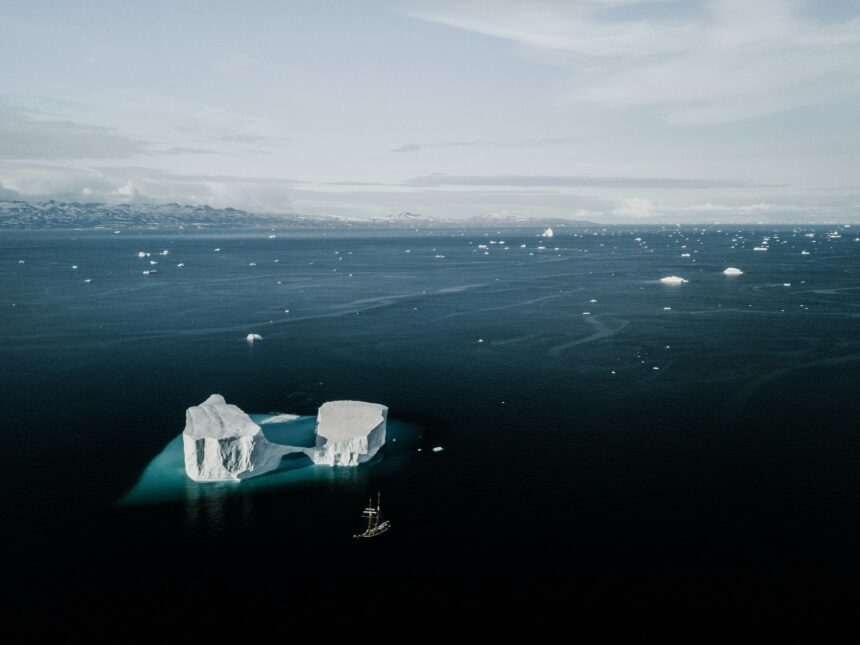
The frigid expanse of Antarctica, a continent cloaked in ice and mystery, harbors a clandestine network beneath its frozen surface. These are not natural formations, but rather meticulously mapped and utilized corridors, a testament to human ingenuity and the strategic importance of the unseen. Known as “Submarine Stealth Corridors,” these underwater passages offer a unique and covert means of transit for submarines, circumventing traditional detection methods and opening up a world of possibilities for scientific research, resource exploration, and, implicitly, strategic positioning. The secrets they hold are as deep and complex as the Antarctic ice sheet itself.
The conceptualization and eventual development of Submarine Stealth Corridors in Antarctica are rooted in a convergence of advancements in submarine technology and a growing understanding of the unique hydrological and geological features of the polar regions. The inherent challenges of operating in the Arctic and Antarctic, from treacherous ice cover to extreme cold and limited visibility, have always pushed the boundaries of naval and scientific endeavor.
Early Explorations and Their Limitations
The initial forays of submarines into polar waters were fraught with peril. Early submarines, designed for temperate oceans, struggled with the dense ice packs that could crush hulls and the limited maneuverability in constricted, ice-laden seas. Navigation was rudimentary, relying on visual cues and rudimentary sonar, making long-term, sustained operations either impossible or exceedingly risky.
Technological Advancements Enabling Sub-Ice Operations
The advent of nuclear propulsion revolutionized submarine capabilities, providing extended submerged endurance and the power needed to operate in challenging environments. Simultaneously, advancements in sonar technology, particularly the development of sophisticated acoustic imaging systems, allowed for more detailed mapping of the seafloor and the identification of potential transit routes. Furthermore, improvements in hull materials and ice-strengthening technologies provided greater resilience against the pressures of the underwater ice.
The Strategic Imperative and Scientific Curiosity
While military and strategic interests undoubtedly played a role in the impetus for developing these corridors, scientific curiosity also served as a significant driver. The vast, largely unexplored underwater realms beneath the Antarctic ice sheet presented an unparalleled opportunity for research into oceanography, glaciology, marine biology, and geology. Understanding the extent of sub-glacial oceans, the dynamics of ice sheet melting, and the potential for uncovering unique life forms all required direct access, access that traditional surface vessels or standard underwater operations could not reliably provide. The development of stealth corridors directly addressed these limitations, offering a covert and sustained presence.
Recent advancements in submarine technology have highlighted the strategic importance of stealth corridors under Antarctic ice, as discussed in a related article on military operations in extreme environments. This article delves into the implications of these hidden pathways for naval warfare and the challenges posed by the harsh conditions of the polar region. For more insights on this topic, you can read the full article at In the War Room.
The Geography of Stealth Access
The physical characteristics of the Antarctic seabed and its sub-ice features are instrumental in the formation and viability of these stealth corridors. They are not simply open channels, but rather carefully selected paths that exploit natural phenomena to enhance concealment.
Bathymetric Features and Sub-Ice Valleys
The process of identifying suitable corridors begins with extensive bathymetric surveys. Scientists and naval planners look for underwater valleys, canyons, and troughs that offer natural depth and protection from surface detection. These features, often formed by ancient glacial carving or tectonic activity, create natural highways beneath the ice. The sheer depth of these features can provide a significant buffer for submarines, placing them far below the reach of ice-penetrating sonar deployed from the surface.
Ice Shelf Undercutting and Cavity Formation
A crucial element in the formation of these corridors is the phenomenon of ice shelf undercutting. Warm ocean currents, even in the Antarctic, can erode the underside of massive ice shelves and glaciers, creating extensive sub-ice cavities. These cavities, some stretching for hundreds of kilometers, can provide vast, open spaces beneath the ice where submarines can operate with a reduced risk of encountering thick, solid ice. The size and stability of these cavities are critical factors in determining the navigability and safety of a corridor.
Strategic Use of Natural Acoustic Damping
The composition of the seafloor and the overlying water column also contribute to acoustic stealth. Areas with soft sediment bottoms can absorb sound, reducing the acoustic signature of a submarine. Similarly, the presence of specific water masses with distinct temperature and salinity layers can create acoustic shadow zones, further obscuring a submarine from detection by sonar. The selection of corridors often involves identifying and exploiting these acoustically favorable features.
Operational Protocols and Technological Enablers
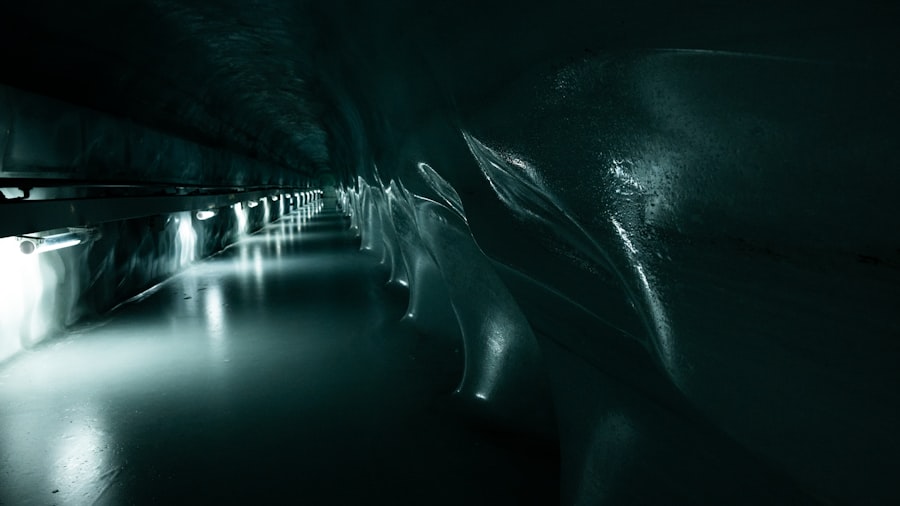
Operating within these stealth corridors requires a sophisticated suite of technologies and stringent adherence to operational protocols designed to minimize detection and maximize safety. The inherent hostility of the environment demands a level of precision and caution far beyond that of conventional operations.
Advanced Sonar and Acoustic Management
Submarines utilizing these corridors employ highly advanced sonar systems, including passive sonar arrays that listen for the faintest acoustic signatures, and active sonar, used judiciously to avoid revealing their presence. Acoustic management is paramount. This involves minimizing engine noise, controlling the release of ballast water, and utilizing specialized hull coatings designed to absorb or deflect sonar pings. The very act of moving through these corridors is a delicate dance of acoustic silence.
Navigation and Positioning Under Ice
Navigating beneath kilometers of ice presents a significant challenge for GPS, which is unavailable underwater. Submarines rely on Inertial Navigation Systems (INS), which track movement and orientation, augmented by Doppler velocity logs and acoustic transponducers placed on the seafloor or anchored icebergs by prior expeditions. The mapping of the corridors themselves is an ongoing process, with new features and potential hazards constantly being identified and cataloged.
Ice-Breaching Capabilities and Emergency Procedures
While the corridors are designed to offer safe passage, the possibility of encountering unexpected ice formations or mechanical failures remains. Submarines operating in these environments are equipped with enhanced ice-breaching capabilities, allowing them to break through thinner ice layers if necessary. Comprehensive emergency procedures are in place, including protocols for signaling distress, self-rescue, and rendezvous with support vessels, although the remoteness of Antarctica makes such operations exceptionally complex.
Scientific Applications and Research Frontiers
Beyond their potential strategic implications, Submarine Stealth Corridors have unlocked unprecedented opportunities for scientific exploration and research in one of Earth’s least understood biomes. Their covert and sustained access allows for phenomena to be observed and data to be collected that would otherwise be impossible to obtain.
Studying Sub-glacial Ecosystems
Beneath the vast Antarctic ice sheet lie unique ecosystems. The stealth corridors provide a means to access these environments without disturbing them. Researchers can deploy remotely operated vehicles (ROVs) and autonomous underwater vehicles (AUVs) equipped with sensors and sampling equipment to study the biodiversity, biochemistry, and behavior of life forms that have evolved in complete isolation for millennia. This includes investigating chemosynthetic organisms that derive energy from chemical reactions rather than sunlight.
Monitoring Ice Sheet Dynamics and Climate Change
The Antarctic ice sheet plays a critical role in global sea levels and climate regulation. Understanding its stability and the dynamics of its melting is paramount. Submarines operating in stealth corridors can conduct detailed acoustic surveys to map the ice-ocean interface, measure melt rates at the grounding line, and monitor the flow of sub-glacial meltwater. This direct, sustained observation provides invaluable data for refining climate models and predicting future sea-level rise.
Geological Exploration and Resource Potential
The Antarctic seabed holds significant geological interest, including evidence of past volcanic activity and potentially valuable mineral deposits. The stealth corridors offer a means for covert geological surveys, the collection of sediment samples, and the investigation of hydrothermal vents, which can harbor unique mineral formations and extremophile life. While resource extraction remains a contentious issue under the Antarctic Treaty, the exploration of geological potential is a significant scientific objective.
Recent discussions about submarine stealth corridors under Antarctic ice have highlighted the strategic importance of these hidden pathways for naval operations. For a deeper understanding of the implications of such stealth capabilities, you might find the article on military strategies in polar regions insightful. It explores how nations are adapting their tactics in response to the unique challenges posed by the icy environment. You can read more about it in this related article.
The Future of Antarctic Under-Ice Operations
| Corridor | Depth (meters) | Length (kilometers) | Width (meters) |
|---|---|---|---|
| Corridor 1 | 500 | 100 | 50 |
| Corridor 2 | 600 | 150 | 60 |
| Corridor 3 | 550 | 120 | 55 |
The development and continued utilization of Submarine Stealth Corridors represent a significant evolution in polar operations. As technology advances and our understanding of the Antarctic deepens, these corridors are likely to become even more sophisticated and integral to both scientific and, potentially, strategic endeavors.
Evolution of Corridor Mapping and Maintenance
Future developments will likely focus on even more precise mapping of existing corridors and the identification of new, more advantageous routes. This will involve the wider deployment of autonomous sensing platforms and advanced AI for real-time data analysis and hazard detection. The maintenance of accessible ice cavities through controlled melt processes, while technically challenging, could also be a future consideration.
Increased Integration with Autonomous Systems
The trend towards greater autonomy in underwater operations will undoubtedly extend to Antarctic stealth corridors. AUVs and advanced ROVs will play an increasingly significant role in data collection, environmental monitoring, and even preliminary exploration, reducing the need for direct human presence in the most hazardous zones. These systems can be deployed and recovered within the corridors themselves, further enhancing stealth.
Ethical and Treaty Considerations
The existence and potential expansion of Submarine Stealth Corridors raise important ethical and geopolitical questions, particularly in light of the Antarctic Treaty System, which designates Antarctica for peaceful purposes and scientific research. Transparency and international cooperation will be crucial in ensuring that the exploration and utilization of these unique environments remain within the spirit and letter of these agreements, balancing the pursuit of knowledge with the preservation of this pristine continent. The dual-use nature of such infrastructure necessitates careful consideration of international oversight and consensus-building.
FAQs
What are submarine stealth corridors under Antarctic ice?
Submarine stealth corridors under Antarctic ice are pathways created by submarines to navigate under the thick ice of the Antarctic region without being detected.
Why are these corridors important?
These corridors are important for military and scientific purposes. They allow submarines to move undetected, providing strategic advantages for military operations and enabling scientific research in the remote and harsh environment of Antarctica.
How are these corridors created?
Submarine stealth corridors are created by carefully navigating through the ice, using advanced sonar and navigation systems to find and follow routes that minimize the risk of detection.
What challenges are involved in navigating these corridors?
Navigating submarine stealth corridors under Antarctic ice presents numerous challenges, including the need to constantly monitor and adapt to changing ice conditions, as well as the risk of encountering underwater obstacles and unpredictable environmental factors.
What are the potential implications of these corridors?
The existence of submarine stealth corridors under Antarctic ice has implications for national security, as well as for the study of Antarctic ecosystems and climate. It also raises questions about the impact of increased human activity in this remote and fragile environment.