Gas hydrates, often referred to as “clathrates,” represent a significant and potentially volatile reservoir of methane, a potent greenhouse gas, lying largely undiscovered beneath the ocean floor. The Weddell Sea, a vast expanse of frigid water off the coast of Antarctica, is an area of particular interest and concern due to its extensive continental shelf and the presence of conditions conducive to hydrate formation. Understanding the risks associated with gas hydrate methane in this remote and climatically sensitive region is crucial for a comprehensive assessment of future environmental changes.
Gas hydrates are crystalline ice-like structures where methane molecules are trapped within cages of water molecules. Their formation requires specific thermodynamic conditions: low temperatures and high pressures. These conditions are met in the deep ocean, where the hydrostatic pressure is substantial, and in polar regions, where the water temperature is consistently near the freezing point.
Thermodynamic Prerequisites for Hydrate Formation
The equilibrium conditions for methane hydrate formation are dictated by a phase diagram that plots pressure against temperature. As pressure increases, the temperature at which hydrates can form also increases, and conversely, as temperature decreases, higher pressures are required for stability. The typical pressures found at water depths exceeding 300 meters, coupled with the near-freezing temperatures of Antarctic waters, create an environment where methane hydrates are thermodynamically stable and can accumulate over geological timescales. The methane required for hydrate formation originates from the decomposition of organic matter within the seafloor sediments. This decomposition occurs primarily through anaerobic microbial activity.
The Role of Sedimentary Organic Matter
Submarine sediments are a rich repository of organic carbon, derived from the remains of marine life that sinks to the seabed. In the oxygen-poor environment of the deep ocean floor, anaerobic bacteria thrive, breaking down this organic matter in a process that releases significant quantities of methane. This biogenic methane can then migrate upwards through the sediment column. If it encounters the appropriate pressure and temperature conditions, it can become incorporated into the water lattice, forming gas hydrates. The rate of organic matter deposition, its composition, and the microbial community present all influence the quantity of methane available for hydrate formation.
Pore Water Chemistry and Hydrate Dissociation
The chemistry of the pore water within sediments plays a role in hydrate stability. Changes in salinity or the presence of other dissolved gases can influence the equilibrium conditions. More critically, shifts in temperature or pressure can destabilize existing gas hydrates, leading to their dissociation. Warming ocean temperatures, particularly at shallower depths on the continental shelf, or a decrease in pressure due to sea-level fall or seafloor erosion, can trigger this process.
Recent studies have highlighted the potential risks associated with gas hydrates and methane release in the Weddell Sea, emphasizing the need for further research in this area. For a comprehensive overview of the implications of methane emissions and their impact on climate change, you can refer to a related article on this topic at In the War Room. This article delves into the geological and environmental factors that contribute to the stability of gas hydrates and the potential consequences of their destabilization in polar regions.
Gas Hydrates in the Weddell Sea
The Weddell Sea is characterized by its extensive continental shelf, which is relatively shallow in many areas but deepens considerably along its edge. This bathymetric variability, combined with the persistent cold temperatures and the presence of substantial organic matter in the sediment, makes it a prime candidate for significant gas hydrate deposits.
Bathymetry and Shelf Dynamics
The Weddell Sea’s continental shelf extends hundreds of kilometers from the Antarctic coast. The depth of the water on the shelf varies, with shallower regions potentially more susceptible to temperature fluctuations. The shelf break, where the seafloor plunges into the deep ocean, represents a zone of high pressure, further favoring hydrate stability. Geological processes such as glacial erosion, sediment transport, and tectonic activity can also influence the distribution and stability of hydrates by altering the seafloor topography and sediment properties.
Antarctic Ice Sheet Influence
The Antarctic Ice Sheet is a dominant feature influencing the Weddell Sea’s environment. Ice sheets exert considerable pressure on the underlying lithosphere, and their dynamic behavior, including periods of growth and retreat, can impact seafloor sediments and fluid flow. Past glacial cycles would have significantly lowered sea levels, potentially exposing continental shelves and altering sediment stability. In interglacial periods, as sea levels rise, sediments are deposited, and the increased hydrostatic pressure can promote hydrate formation. Modern warming trends are leading to ice melt, which could indirectly influence hydrate stability through changes in ocean circulation and heat distribution.
Evidence and Exploration of Weddell Sea Hydrates
Direct evidence of gas hydrates in the Weddell Sea comes from various geophysical surveys. Seismic surveys, which use sound waves to image the subsurface, can detect the characteristic reflections associated with gas hydrate-rich sediment layers. Acoustic anomalies, such as fluid escape features and bottom simulating reflectors (BSRs), are often interpreted as indicators of gas hydrate occurrences. While direct sampling of hydrates is challenging, core samples from seafloor drilling expeditions can confirm their presence and provide information about their composition and stratigraphy.
Potential Methane Release Scenarios
The primary concern regarding gas hydrates is the potential for widespread and rapid dissociation, leading to the release of substantial quantities of methane into the ocean and potentially the atmosphere. These releases can be triggered by a variety of factors, acting either independently or in concert.
Ocean Warming and Heat Transfer
Rising global ocean temperatures, a direct consequence of anthropogenic climate change, are a significant driver of hydrate dissociation. Heat is transferred from the atmosphere to the ocean surface and then mixed downwards through ocean circulation. On continental shelves, where water depths are shallower, warming can penetrate the seafloor sediments more readily, increasing pore water temperatures and destabilizing hydrates. The rate and extent of ocean warming in the Weddell Sea are therefore critical factors in assessing methane release risks.
Sea-Level Changes and Pressure Variations
Both relative sea-level rise and fall can impact hydrate stability. A rapid rise in sea level increases hydrostatic pressure, which generally favors hydrate formation and stability. However, a rapid fall in sea level, such as that experienced during glacial periods, reduces hydrostatic pressure. This reduction in pressure can destabilize hydrates, as it shifts the equilibrium conditions outside the stability field. While current trends are towards sea-level rise, past geological events and localized geological subsidence can also induce pressure changes.
Tectonic and Seismic Disturbances
Earthquakes and volcanic activity on or near the seafloor can cause mechanical disturbances that destabilize gas hydrates. Seismic shaking can disrupt the structural integrity of hydrate-bearing sediments, leading to fracturing and allowing pore fluids to escape. Submarine landslides, which can be triggered by earthquakes or slope instability, can also expose deeper, hydrate-rich sediments to lower pressures or warmer water, facilitating dissociation. The Weddell Sea is an area with significant seismic potential.
Methane Release Impacts on the Marine Environment
The release of methane from gas hydrates has profound implications for the marine ecosystem and biogeochemical cycles. Methane itself is a potent greenhouse gas, and its release into the ocean can exert significant environmental stress.
Impact on Marine Biota
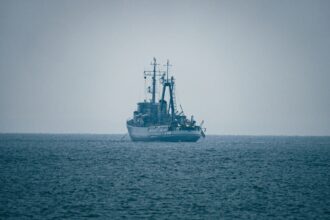
When methane is released from hydrates, it can form gas bubbles that rise through the water column. As these bubbles ascend, they can reduce the density of the surrounding seawater, potentially creating hazardous conditions for shipping. Methane is also toxic to many marine organisms at high concentrations, and its dissolution into seawater can alter local oxygen levels. The release of dissolved methane can lead to the formation of subsurface oxygen minimum zones, impacting benthic communities and pelagic organisms. Furthermore, the decomposition products of methane can also affect water chemistry.
Alteration of Carbon Cycling
Methane is a crucial component of the global carbon cycle. Its release from gas hydrates represents a potential large-scale perturbation to this cycle. While a significant portion of released methane is consumed by marine microorganisms in the water column (methanotrophy), a substantial or rapid release can overwhelm these natural sinks, allowing methane to reach the atmosphere. As a greenhouse gas, atmospheric methane contributes significantly to global warming, creating a positive feedback loop where warming oceans destabilize hydrates, releasing more methane, which further exacerbates warming.
Contribution to Greenhouse Gas Emissions
The most concerning aspect of gas hydrate dissociation is its potential contribution to atmospheric greenhouse gas concentrations. Methane has a global warming potential approximately 25 times greater than carbon dioxide over a 100-year period. If large quantities of methane were to escape the ocean and reach the atmosphere, it could significantly accelerate climate change. The magnitude of global gas hydrate reserves, estimated to be substantial, underscores this potential risk.
Recent studies have highlighted the potential risks associated with gas hydrates and methane release in the Weddell Sea, raising concerns about their impact on climate change. A related article discusses the implications of these findings and explores the geological processes that contribute to methane accumulation in this region. For more in-depth information, you can read the article here. Understanding these dynamics is crucial for assessing the environmental challenges posed by climate change.
Monitoring and Mitigation Strategies
| Location | Depth | Methane Concentration | Risk Level |
|---|---|---|---|
| Weddell Sea | 500-1000 meters | High | Medium |
Addressing the risks posed by gas hydrate methane in the Weddell Sea, and globally, requires a multi-faceted approach involving comprehensive monitoring, rigorous scientific research, and the development of potential mitigation strategies.
Geophysical and Oceanographic Monitoring
Effective monitoring of gas hydrate stability and methane release requires sustained geophysical and oceanographic observations. This includes regular seismic surveys to map hydrate occurrences and track changes in their distribution, as well as continuous monitoring of seafloor temperature and pressure. Autonomous underwater vehicles (AUVs) and remotely operated vehicles (ROVs) equipped with specialized sensors can provide high-resolution data on gas plume detection and water chemistry changes. Oceanographic buoys and satellite remote sensing can monitor sea surface temperature and oceanographic conditions relevant to heat transfer.
Research into Dissociation Mechanisms and Feedback Loops
A deeper scientific understanding of the precise mechanisms driving hydrate dissociation in various environmental contexts is critical. Research is needed to refine models predicting hydrate stability limits under different warming scenarios and pressure changes. Investigating the rates of methane oxidation in the water column and the factors influencing its efficiency is also essential for quantifying the net methane flux to the atmosphere. Understanding the complex feedback loops between climate change, ocean warming, and hydrate dissociation is crucial for accurate risk assessment.
Mitigation and Adaptation Measures
While direct intervention with submarine gas hydrates is currently technologically challenging and potentially risky, research into mitigation and adaptation measures is ongoing. One area of focus is understanding and potentially mitigating the impact of human activities that could destabilize hydrates, such as offshore drilling or seafloor exploration. In the longer term, reducing global greenhouse gas emissions remains the most critical strategy to limit ocean warming and, consequently, the risk of widespread gas hydrate dissociation. Adapting to the potential consequences, such as altered marine ecosystems and increased greenhouse gas concentrations, will also be necessary.
The Weddell Sea, with its extensive hydrate potential, serves as a microcosm for the global challenges posed by these frozen methane reservoirs. While the exact timing and scale of future releases remain uncertain, the scientific community recognizes the significant potential for this natural phenomenon to interact with and exacerbate anthropogenic climate change. Continued vigilance, rigorous research, and a commitment to addressing the root causes of climate change are paramount in navigating the risks associated with gas hydrates.
FAQs
What are gas hydrates and methane risk in the Weddell Sea?
Gas hydrates are ice-like compounds made of water and methane that form under high pressure and low temperature conditions. In the Weddell Sea, these gas hydrates pose a risk of releasing large amounts of methane into the atmosphere, contributing to climate change.
How do gas hydrates form in the Weddell Sea?
Gas hydrates form in the Weddell Sea when methane gas becomes trapped within the crystal structure of ice under high pressure and low temperature conditions. These conditions are commonly found in deep-sea sediments in the Weddell Sea.
What are the potential risks associated with methane release from gas hydrates in the Weddell Sea?
The release of methane from gas hydrates in the Weddell Sea could contribute to global warming and climate change. Methane is a potent greenhouse gas, and large-scale releases could have significant impacts on the Earth’s climate system.
How is the methane risk in the Weddell Sea being studied?
Scientists are studying the methane risk in the Weddell Sea using a combination of remote sensing, oceanographic surveys, and computer modeling. These efforts aim to better understand the distribution and stability of gas hydrates in the region and assess the potential for methane release.
What are the implications of methane release from gas hydrates in the Weddell Sea?
The release of methane from gas hydrates in the Weddell Sea could have far-reaching implications for global climate and the stability of the Earth’s climate system. It is important for scientists to continue studying this phenomenon to better understand and mitigate its potential impacts.