China’s Xue Long 2 Icebreaker: A New Chapter in Antarctic Research
The arrival of China’s Xue Long 2 (Snow Dragon 2) icebreaker has marked a significant advancement in the nation’s Antarctic research capabilities. This state-of-the-art vessel, featuring a unique double-hulled design and advanced polar navigation systems, represents a substantial investment in China’s commitment to scientific exploration and environmental stewardship of the South Polar region. The Xue Long 2 is not merely a vessel but a mobile laboratory and a platform for sustained, high-latitude operations, designed to overcome the formidable challenges posed by the Antarctic environment. Its operational deployment signifies China’s growing ambition and capacity to contribute to global scientific understanding of the South Polar region.
The Xue Long 2 distinguishes itself through a series of thoughtful design choices and technological integrations intended to enhance its operational effectiveness and safety in polar waters. The vessel’s construction reflects lessons learned from previous polar expeditions and incorporates a forward-looking approach to the demands of modern Antarctic science.
A Dual-Hull Structure for Enhanced Icebreaking Capabilities
One of the most prominent features of the Xue Long 2 is its innovative dual-hull arrangement, a relatively uncommon design for icebreakers. This design involves a smaller inner hull nested within a larger outer hull. This configuration is engineered to optimize icebreaking performance.
The Mechanics of Dual-Hull Icebreaking
The inner hull is designed to be slightly narrower and shorter than the outer hull. When the vessel encounters ice, the outer hull makes contact and breaks the ice ahead. The displaced ice then moves into the gap between the two hulls, where it is further processed and broken down by the vessel’s movement and the action of the propellers. This method is intended to reduce the stress on the vessel’s hull and improve its ability to navigate through thicker ice formations. Unlike single-hulled icebreakers that rely solely on brute force, the dual-hull system aims for a more nuanced interaction with the ice pack, potentially allowing for more efficient progression through challenging ice conditions.
Advantages for Maneuverability and Stability
Beyond icebreaking, the dual-hull design contributes to enhanced maneuverability and stability. The wider stance provided by the outer hull, coupled with the streamlined inner hull, can offer superior stability, particularly in rough seas and variable ice conditions. This increased stability is crucial for supporting delicate scientific operations conducted on deck and for the safety of the crew during long voyages. The separation of propulsion systems within the hulls can also allow for sophisticated azimuthing propeller control, further augmenting the vessel’s agility in confined icy areas.
Advanced Propulsion and Navigation Systems
The Xue Long 2 is equipped with a sophisticated propulsion and navigation suite designed to ensure reliable and efficient operation in the remote and demanding Antarctic environment. These systems are critical for maintaining predictable research schedules and for navigating through often treacherous waters.
Electric Propulsion with Azimuthing Thrusters
The vessel employs a modern electric propulsion system. This setup typically involves diesel-electric generators powering electric motors that drive Azimuthing thrusters. Azimuthing thrusters can rotate 360 degrees, allowing for exceptional maneuverability. This capability is vital in areas with unpredictable ice movement, shallow channels, or when docking at remote research stations with limited harbor infrastructure. The precise control offered by these thrusters enables the vessel to hold position accurately, even in strong currents and winds, which is indispensable for scientific sampling operations.
Integrated Navigation and Ice Monitoring Technology
Comprehensive navigation and ice monitoring systems are integrated into the Xue Long 2’s operational infrastructure. This includes advanced radar, satellite navigation (GPS, GLONASS, BeiDou), and sonar systems. Crucially, the vessel is equipped with specialized sensors and software for real-time ice detection and analysis. This technology allows the crew to identify ice types, predict ice movement, and select optimal routes, minimizing the risk of damage and maximizing the efficiency of transit through ice-covered areas. The integration of these systems provides a holistic view of the operational environment, aiding in both transit and scientific mission planning.
The China Xue Long 2 Antarctic research missions have garnered significant attention for their contributions to climate science and polar exploration. For further insights into the implications of these missions on global research efforts, you can read a related article that discusses the broader impact of Antarctic expeditions on our understanding of climate change. Check it out here: related article.
Scientific Capabilities and Research Facilities Aboard Xue Long 2
The Xue Long 2 is engineered to be a comprehensive research platform, equipped with advanced laboratories and specialized equipment to support a wide array of scientific disciplines. Its design prioritizes flexibility, enabling it to adapt to various research requirements and to conduct complex investigations in situ.
State-of-the-Art Laboratories for Diverse Research Fields
The vessel houses several onboard laboratories, each tailored to specific scientific disciplines. These facilities are crucial for processing samples and conducting preliminary analyses during expeditions, thereby expediting the research timeline and ensuring data integrity.
Biological and Chemical Laboratories
Dedicated biological and chemical laboratories are equipped to handle a range of sample types, from seawater and ice cores to plankton and biological specimens. These labs are fitted with instruments for microscopy, genetic analysis, water quality testing, and nutrient analysis. The ability to perform these analyses onboard reduces the need to transport delicate samples over long distances, minimizing potential contamination or degradation. This immediate processing capability allows researchers to respond dynamically to findings, potentially altering sampling strategies based on initial results.
Geological and Geophysical Survey Equipment
The Xue Long 2 is equipped to conduct geological and geophysical surveys of the Antarctic seabed and surrounding landmasses. This includes systems for multibeam echo sounding, sub-bottom profiling, and seismic surveys. These tools are essential for mapping underwater topography, understanding geological structures, and identifying potential mineral resources or unique geological formations. The data gathered provides insights into the Earth’s geological history, plate tectonics, and the processes shaping the Antarctic continent.
Deployment of Research Equipment and Personnel
Beyond onboard laboratories, the Xue Long 2 is designed to facilitate the deployment of a variety of external research equipment and support scientific fieldwork. This logistical capability is fundamental to conducting comprehensive Antarctic research.
Underwater Vehicle and Remotely Operated Vehicle (ROV) Operations
The vessel serves as a launch and recovery platform for underwater vehicles, including Autonomous Underwater Vehicles (AUVs) and Remotely Operated Vehicles (ROVs). These unmanned systems are invaluable for exploring remote and hazardous underwater environments, collecting data on ocean currents, water properties, and marine life at depths inaccessible to human divers. The Xue Long 2 is equipped with winches, cranes, and support systems to safely deploy and retrieve these sophisticated vehicles, even in challenging sea states.
Helicopter and Unmanned Aerial Vehicle (UAV) Support
To facilitate aerial surveys and access to remote terrestrial research sites, the Xue Long 2 features a helideck. This allows for the operation of helicopters, which are essential for transporting personnel and equipment to inland locations, conducting aerial mapping, and supporting ground-based research activities. Additionally, the vessel can support the deployment of Unmanned Aerial Vehicles (UAVs) for aerial reconnaissance, atmospheric monitoring, and imaging of glacial features and ice shelves, offering a cost-effective and versatile complement to manned aviation.
Strategic Importance and Operational Reach
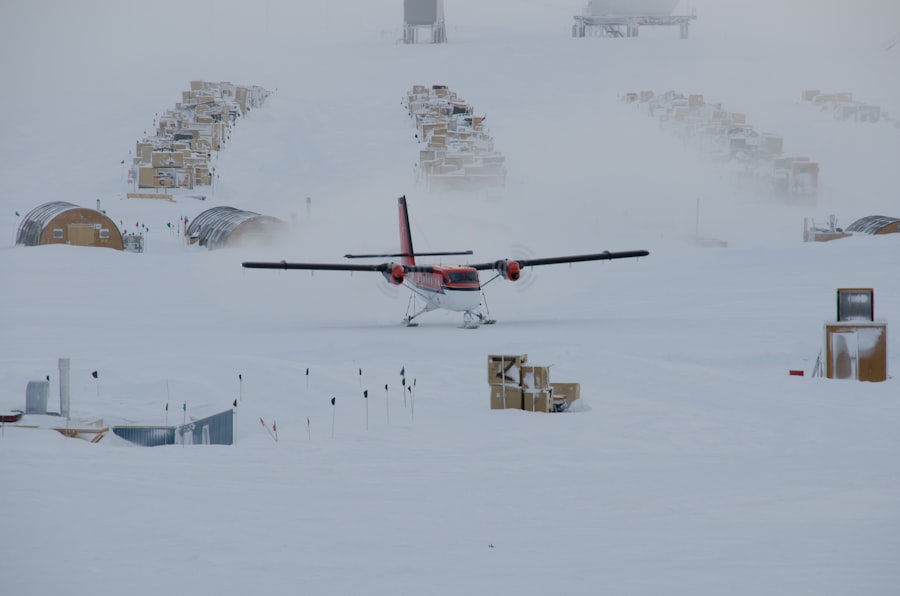
The deployment of the Xue Long 2 significantly enhances China’s strategic presence and operational capabilities in the Southern Ocean. Its advanced features extend the duration and scope of Chinese expeditions, enabling more comprehensive scientific investigations and a greater contribution to international polar research efforts.
Extended Mission Durations and Operational Range
The Xue Long 2 is engineered for extended missions, capable of operating for prolonged periods in the harsh Antarctic environment without requiring frequent resupply. This increased endurance is a direct result of its robust design, efficient fuel consumption, and ample onboard storage for provisions, scientific equipment, and fuel.
Sustained Presence and Logistical Support
The extended operational range and duration allow the Xue Long 2 to provide sustained logistical support to China’s Antarctic research stations. This includes the transportation of personnel, equipment, and crucial supplies, ensuring the continuous operation of these vital scientific outposts. The vessel’s ability to navigate through heavy ice also ensures access to stations that may be cut off from conventional shipping for significant portions of the year, thereby maintaining the continuity of scientific research and operational integrity.
Accessing Remote and Underexplored Regions
With its advanced icebreaking capabilities, the Xue Long 2 can access regions of Antarctica that have historically been difficult to reach. This opens up new frontiers for scientific exploration, allowing researchers to investigate previously underexplored marine ecosystems, subglacial environments, and remote land areas. The ability to reach these areas is critical for expanding our understanding of Antarctica’s unique biodiversity, geological history, and role in global climate systems.
Contribution to International Polar Cooperation
The Xue Long 2 is not solely an instrument of national ambition but also a platform for fostering international collaboration. By enhancing China’s capacity for polar research, the vessel contributes to global efforts to understand and protect the Antarctic environment.
Joint Research Expeditions and Data Sharing
The advanced capabilities of the Xue Long 2 facilitate participation in joint research expeditions with scientists from other nations. These collaborations pool resources, expertise, and instrumentation, leading to more comprehensive and impactful scientific outcomes. Furthermore, China’s commitment to open science principles suggests that data collected by the Xue Long 2 will be shared with the international scientific community, contributing to a global pool of Antarctic knowledge. This collaborative approach is essential for addressing complex global challenges that transcend national boundaries.
Supporting Antarctic Treaty System Commitments
The operational presence of the Xue Long 2 reinforces China’s commitment to the principles of the Antarctic Treaty System, which designates Antarctica as a continent for peace and science. By conducting scientific research and maintaining a responsible operational footprint, China contributes to the conservation of the Antarctic environment and the promotion of peaceful scientific endeavors as espoused by the treaty. The vessel’s advanced environmental monitoring capabilities also play a role in assessing the impact of human activities and climate change on the Antarctic ecosystem.
Environmental Monitoring and Conservation Efforts
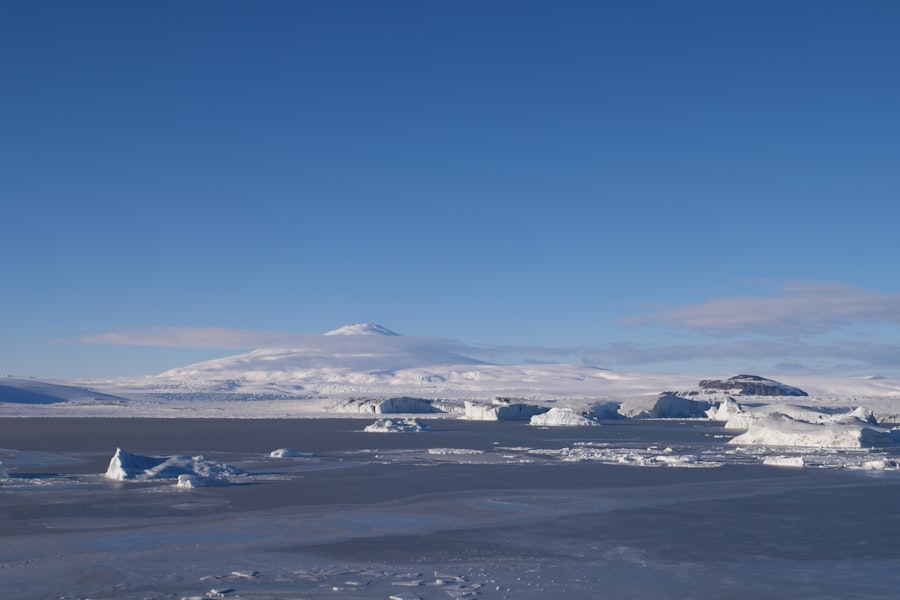
Antarctica’s pristine environment is facing increasing pressures from climate change and human activity. The Xue Long 2 is equipped with sophisticated tools and methodologies to monitor these changes and contribute to conservation efforts, reflecting a growing awareness of the ecological significance of the polar regions.
Advanced Environmental Sampling and Analysis
The vessel is designed to conduct comprehensive environmental sampling and analysis, providing valuable data on the state of the Antarctic ecosystem and its susceptibility to global changes. This includes monitoring key environmental indicators and understanding the intricate interactions within polar ecosystems.
Oceanographic and Atmospheric Data Collection
During its voyages, the Xue Long 2 collects extensive oceanographic data, including temperature, salinity, currents, and nutrient levels. It also gathers atmospheric data, such as air temperature, pressure, humidity, and trace gas concentrations. These measurements are critical for understanding ocean circulation patterns, atmospheric dynamics, and the exchange of heat and gases between the ocean and the atmosphere, all of which are fundamental to climate modeling and predicting future climate scenarios. The deployment of buoys and other observational instruments further augments the data collection capacity.
Marine Ecosystem Health and Biodiversity Assessment
The Xue Long 2’s research programs include detailed assessments of marine ecosystem health and biodiversity. Using advanced sampling techniques, including plankton nets, trawls, and sediment corers, researchers investigate the composition, abundance, and distribution of marine organisms. This data helps to track changes in species populations, identify invasive species, and assess the overall health and resilience of Antarctic marine ecosystems in the face of environmental stressors like warming waters and ocean acidification.
Contribution to Climate Change Research
Antarctica is a critical region for understanding global climate change, serving as a sensitive indicator of planetary warming. The research facilitated by the Xue Long 2 directly contributes to this understanding.
Ice Core Analysis and Paleoclimate Reconstruction
While the Xue Long 2 primarily operates in ice-free or marginal ice zones, it supports expeditions that involve the collection and analysis of ice cores from the Antarctic continent. Ice cores act as historical archives of Earth’s climate, preserving trapped air bubbles and chemical signatures that reveal past atmospheric composition and temperatures. The Xue Long 2’s logistical support is vital for transporting personnel and equipment to inland drilling sites and for bringing valuable ice core samples back for detailed laboratory analysis, aiding in reconstructing past climate conditions and informing future projections.
Monitoring Ice Sheet Melting and Sea Level Rise
The operational capabilities of the Xue Long 2 allow for enhanced monitoring of ice sheet melt rates and their contribution to global sea level rise. Through remote sensing data analysis, aerial surveys, and potential deployment of specialized oceanographic equipment near ice shelves, researchers can better quantify the mass balance of Antarctic glaciers and ice sheets. Understanding these processes is crucial for developing more accurate predictions of future sea level rise and its implications for coastal communities worldwide.
The China Xue Long 2 Antarctic research missions have garnered significant attention for their contributions to our understanding of climate change and polar ecosystems. A related article discusses the broader implications of such missions on international scientific collaboration and environmental monitoring. For more insights on this topic, you can read the article here. These missions not only enhance China’s presence in polar research but also highlight the importance of global cooperation in addressing pressing environmental challenges.
Future Prospects and Global Impact
| Mission | Duration | Research Focus |
|---|---|---|
| 1st Mission | 2019-2020 | Glaciology, geology, and atmospheric studies |
| 2nd Mission | 2021-2022 | Marine biology, oceanography, and climate change |
The introduction of the Xue Long 2 represents a significant milestone in China’s Antarctic endeavors, signaling a sustained commitment to scientific exploration and environmental stewardship. Its continued operation is poised to yield substantial contributions to global scientific understanding and to foster further international cooperation in the polar realm.
Expanding Scientific Frontiers and Discoveries
The Xue Long 2’s advanced capabilities are expected to drive further scientific discoveries in Antarctica. Its ability to access challenging environments and conduct complex research will enable a deeper understanding of the continent’s unique geology, biology, and climatic significance.
Uncovering Antarctic Biodiversity and Ecosystem Dynamics
Future expeditions aboard the Xue Long 2 are likely to uncover new species and shed light on the intricate dynamics of Antarctic ecosystems, particularly in the deep ocean and beneath ice shelves. This expanded knowledge base is essential for effective conservation strategies and for understanding the role of these ecosystems in the global carbon cycle and the wider biosphere. The ongoing monitoring of biodiversity will also provide crucial insights into the impacts of climate change.
Investigating Subglacial Environments and Geological Processes
The vessel’s capacity to support specialized equipment and personnel opens avenues for investigating subglacial environments and complex geological processes. Understanding what lies beneath the vast ice sheets, including potential subglacial lakes and geological formations, can provide crucial clues about Earth’s history and its potential for hosting life in extreme conditions. This research also has implications for understanding ice sheet stability.
Strengthening China’s Role in Global Polar Governance
As China’s scientific presence in Antarctica grows through vessels like the Xue Long 2, its influence on global polar governance is also likely to increase. This involves contributing to the scientific basis for policy decisions and engaging in dialogues concerning the management and protection of the Antarctic region.
Advancing Scientific Diplomacy and International Partnerships
The Xue Long 2 serves as a powerful instrument of scientific diplomacy. By undertaking collaborative research and sharing scientific findings, China can strengthen partnerships with other nations and play a more prominent role in global efforts to address shared challenges in the polar regions. These partnerships are vital for fostering trust and promoting peaceful cooperation in a strategically important continent.
Informing Policy for Antarctic Conservation and Sustainability
The comprehensive data collected by the Xue Long 2, particularly regarding environmental changes and ecosystem health, will be crucial for informing evidence-based policies related to Antarctic conservation, resource management, and sustainable human activities on the continent. This proactive approach ensures that the scientific understanding gained translates into effective protective measures for this unique and fragile environment, safeguarding it for future generations.
FAQs
What is the China Xue Long 2 Antarctic research mission?
The China Xue Long 2 Antarctic research mission is a scientific expedition conducted by China’s polar research vessel, Xue Long 2, to study the Antarctic region.
What are the objectives of the China Xue Long 2 Antarctic research mission?
The main objectives of the China Xue Long 2 Antarctic research mission include conducting scientific research on climate change, oceanography, marine biology, and geology in the Antarctic region.
How long does the China Xue Long 2 Antarctic research mission typically last?
The duration of the China Xue Long 2 Antarctic research mission can vary, but it typically lasts for several months, with researchers and crew members spending an extended period of time in the Antarctic region.
What kind of research is conducted during the China Xue Long 2 Antarctic research mission?
During the China Xue Long 2 Antarctic research mission, scientists conduct research on a wide range of topics, including the effects of climate change on the Antarctic environment, the behavior of marine life in the region, and the geological features of the Antarctic continent.
How does the China Xue Long 2 Antarctic research mission contribute to scientific knowledge?
The China Xue Long 2 Antarctic research mission contributes to scientific knowledge by providing valuable data and insights into the Antarctic environment, which can help researchers better understand the impact of climate change and other environmental factors on the region.