
Russia’s vast oil reserves, a cornerstone of its economy and a significant factor in global energy markets, have long been a subject of international scrutiny. Coupled with this is the growing, albeit controversial, interest in the hydrocarbon potential of Antarctica, a continent locked in ice and governed by a treaty that largely prohibits resource exploitation. The intersection of these two elements – established Russian energy might and the speculative Antarctic frontier – presents a complex interplay of geological realities, geopolitical ambitions, and environmental imperatives.
Russia sits atop some of the largest proven oil and gas reserves in the world. The sheer scale of these deposits, accumulated over geological epochs, fuels not only the nation’s domestic energy needs but also its substantial export revenues. Understanding the origins and distribution of these reserves is crucial to appreciating Russia’s enduring influence in the energy sector.
Siberian Oil Fields: The Backbone of Production
The West Siberian Basin, a vast sedimentary region spanning over 2.5 million square kilometers, is the heart of Russia’s oil production. This colossal basin, formed during the Mesozoic era, contains billions of barrels of recoverable oil, primarily in Jurassic and Cretaceous sandstones. The discovery and subsequent development of fields like Samotlor, the largest in Russia and one of the largest in the world, have been instrumental in Russia’s rise as an energy superpower.
Formation and Trapping Mechanisms
The genesis of these oil deposits can be traced back to the deposition of organic-rich shales during periods of shallow marine anddeltaic environments. Over millions of years, these organic materials were buried, subjected to increasing pressure and temperature, and transformed into liquid hydrocarbons. The crucial element for commercial extraction is effective trapping. In West Siberia, this is often achieved through structural traps, such as anticlines and fault blocks, which prevent the hydrocarbons from migrating upwards and dissipating. Stratigraphic traps, including lenticular sand bodies and unconformities, also play a significant role in compartmentalizing and preserving oil reserves. The complex geological history of the region, involving periods of tectonic uplift and subsidence, has created a diverse array of trapping configurations, contributing to the sheer abundance and longevity of production.
Challenges of Extraction and Infrastructure
Despite the immense reserves, extracting oil from West Siberia is not without its challenges. The harsh Siberian climate, with its extreme temperatures and permafrost, significantly complicates drilling operations, infrastructure construction, and transportation. The logistical demands of transporting millions of barrels of crude oil across vast, sparsely populated territories to domestic refineries and export terminals are immense. This necessitates extensive networks of pipelines, railways, and ice-breaking tankers, incurring substantial operational costs and requiring continuous maintenance, particularly in the face of challenging environmental conditions and the ongoing effects of climate change, which can lead to land subsidence and permafrost degradation.
Other Significant Oil-Bearing Regions
Beyond West Siberia, Russia possesses other significant hydrocarbon provinces, each with its own geological characteristics and production potential.
Volga-Ural Basin: A Historical Powerhouse
The Volga-Ural Basin, located west of the Urals Mountains, was historically a primary source of Russian oil. While its production has declined significantly from its peak, it still contributes to the nation’s output. The geology here is characterized by complex faulting and folding, with reservoirs found in Paleozoic and Devonian sedimentary rocks.
Timan-Pechora Province: Arctic Potential
The Timan-Pechora Province in Russia’s European North holds considerable oil and gas reserves, often found in challenging Arctic conditions. This region, bordering the Pechora Sea, presents similar logistical and environmental hurdles to West Siberia, requiring specialized offshore drilling technologies and robust infrastructure designed to withstand extreme cold and ice.
East Siberian Basins: Emerging Frontiers
Newer exploration efforts have focused on the East Siberian basins, including the Lena-Tunguska and Verkhoyansk basins. These regions, vast and largely underexplored, are believed to hold significant untapped potential, but their development is hampered by remoteness, lack of infrastructure, and harsh climatic conditions, making them long-term prospects rather than immediate production boosters.
Recent discussions surrounding Russia’s claim of 511 billion barrels of oil in Antarctica have sparked significant interest in the geopolitical implications of such a discovery. This topic is further explored in a related article that delves into the potential environmental impacts and the strategic motivations behind Russia’s ambitions in the region. For more in-depth analysis, you can read the article here: Russia’s Antarctic Oil Ambitions.
Antarctica’s Sub-Antarctic Potential: A Hypothetical Frontier
The idea of hydrocarbon exploration in Antarctica, while largely proscribed by international treaty, persistently surfaces in discussions of future energy security. The continent’s vast, ice-covered sedimentary basins are geologically analogous to hydrocarbon-rich regions elsewhere, leading to speculation about its latent potential.
Geological Analogues and Speculative Deposits
Antarctica’s geological history is intrinsically linked to the supercontinent Gondwana. During its time as part of Gondwana, vast sedimentary basins formed, similar to those that now host significant oil and gas reserves on other continents. When Gondwana broke apart, Antarctica was rifted and the resultant basins were subsequently covered by ice.
Gondwanan Sedimentary Basins
Scientific research, primarily through seismic surveys and limited exploratory drilling, has identified several large sedimentary basins beneath the Antarctic ice sheet. These basins, such as the Transantarctic Basin and the Amundsen Sea Basin, are believed to contain thick sequences of marine and terrestrial sediments deposited during Mesozoic and Cenozoic times. These depositions are considered to have the potential to generate and trap hydrocarbons, mirroring the geological conditions found in productive basins in South America, Africa, and Australia, all of which were once part of Gondwana.
Evidence from Offshore Explorations
Exploration activities in the offshore regions surrounding Antarctica, particularly in the Ross Sea and Weddell Sea, have provided some tantalizing clues. Limited seismic data and drill cores from these areas have revealed the presence of organic-rich source rocks and potential reservoir formations. While commercial discoveries have not been made in these offshore concessions, the geological information gathered fuels speculation about similar, yet unconfirmed, subsurface conditions beneath the continental landmass. The challenges of seismic imaging through thick ice sheets, however, mean that our understanding of the precise subsurface geology remains rudimentary.
The Antarctic Treaty System: A Barrier to Exploitation
The cornerstone of Antarctic governance is the Antarctic Treaty System, a remarkable framework for international cooperation that has preserved the continent for peace and science. The Environmental Protocol to the Antarctic Treaty, specifically, prohibits any activity relating to mineral resources, other than scientific research.
The Protocol on Environmental Protection
Signed in 1991, the Protocol on Environmental Protection to the Antarctic Treaty (Madrid Protocol) designates Antarctica as a “natural reserve, devoted to peace and science.” Article 7 of the Protocol explicitly bans any activity relating to mineral resources, including exploration and exploitation, for fifty years from its entry into force (which was in 1998). This moratorium is subject to review, but any proposed amendment or termination requires unanimous agreement of the Consultative Parties to the treaty.
Scientific Research vs. Resource Exploitation
The treaty carefully distinguishes between scientific research and resource exploitation. While drilling for scientific purposes, such as ice core analysis or geological studies, is permitted under strict environmental controls, it is explicitly not for the purpose of identifying or extracting mineral resources. This distinction is crucial, as it allows for the advancement of scientific knowledge about Antarctica’s geology and climate without undermining the resource moratorium. The vast majority of nations are signatories to the treaty and adhere to its provisions, underscoring the international consensus on protecting Antarctica.
The Economic and Environmental Stakes of Antarctic Resources
Should the resource moratorium ever be lifted, or circumvented, the implications for global energy markets and the Antarctic environment would be profound. The potential economic reward is immense, but the environmental risks are equally, if not more, significant.
Hypothetical Resource Quantities and Economic Implications
Estimating the actual hydrocarbon potential of Antarctica is highly speculative due to the lack of extensive data. However, some geologists have suggested that the continent could hold billions of barrels of oil and trillions of cubic feet of natural gas, comparable to major producing regions elsewhere. If these resources were ever made accessible, their extraction could theoretically alter global energy supply dynamics, potentially reducing reliance on existing producers and influencing commodity prices. However, the immense costs associated with exploration and extraction in such an extreme environment would likely preclude extensive development unless hydrocarbon prices reached unprecedented levels.
Environmental Catastrophe and Irreversible Damage
The environmental consequences of oil and gas exploration and production in Antarctica are a primary concern. The continent is a pristine wilderness and a critical habitat for numerous species, including penguins, seals, and whales. An oil spill in the Antarctic waters or on the continent itself would be catastrophic, leading to widespread ecological devastation, contamination of food chains, and irreversible damage to sensitive ecosystems. The harsh conditions, remote location, and limited capacity for immediate response make containing and cleaning up any such incident extremely challenging, if not impossible, to conduct effectively within the limited timeframe necessary to mitigate widespread harm. The slow decomposition rates in cold environments would mean persistent contamination.
Russia’s Strategic Interests and Antarctic Considerations

Russia, a major energy producer, has historically maintained a significant presence and scientific program in Antarctica. While officially adhering to the Antarctic Treaty, its strategic interests in the region are multifaceted.
Historical Presence and Scientific Engagement
Russia, as a successor state to the Soviet Union, has a long and well-established history of scientific research in Antarctica. Its national Antarctic program has been active since the International Geophysical Year of 1957-58, operating research stations like Vostok, Mirny, and Novolazarevskaya. These stations conduct crucial scientific research in glaciology, meteorology, geophysics, and biology, contributing significantly to global scientific understanding of the continent.
Russian Research Stations and Scientific Activities
Russian research stations are operational year-round and serve as hubs for expeditions and data collection. The Vostok Station is renowned for its ice core drilling, providing invaluable insights into past climate variations and atmospheric composition. Other stations engage in a variety of geophysical measurements, including seismic studies, which, while primarily for scientific understanding, inevitably generate data about the subsurface geology. The consistent scientific engagement underscores Russia’s long-term commitment to the Antarctic region.
Geopolitical Considerations and Arctic Parallels
Russia’s assertiveness in the Arctic, with its vast resource potential and strategic waterways, may offer some insight into its broader geopolitical thinking regarding resource-rich frontiers. While Antarctica is unequivocally protected by treaty, the underlying strategic considerations of resource-rich territories are a recurring theme in international relations.
Resource Frontiers and National Interests
The principle of national interest often drives how nations approach resource-rich territories. While Russia formally supports the Antarctic Treaty System, a hypothetical scenario where resource access becomes paramount globally might see shifts in geopolitical calculations. The vastness of Russian territory and its extensive coastline, particularly in the Arctic, have led to increased exploration and infrastructure development to capitalize on its hydrocarbon wealth. The technological and logistical expertise gained in Arctic resource development could, in theory, be transferable to other challenging environments.
The Future of the Antarctic Treaty
The longevity and integrity of the Antarctic Treaty System are subjects of ongoing discussion. While currently strong, the specter of increasing global demand for resources and the potential for significant economic discoveries in potentially resource-rich but currently protected areas could, in the long term, present future challenges to the existing framework. Russia, as a major global power with significant energy interests, would undoubtedly play a role in any future discussions or evaluations of the treaty’s provisions.
The Interplay: Russia’s Current Energy Landscape and Future Potential
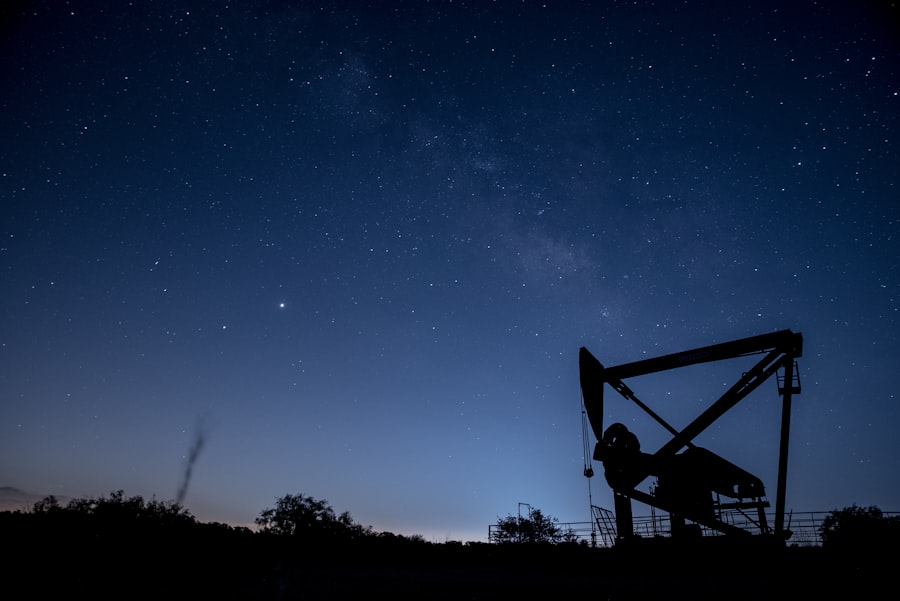
Russia’s current energy landscape is defined by its established oil and gas production, its reliance on export revenues, and the ongoing global energy transition. The potential of Antarctica, however speculative, represents a vastly different, and currently inaccessible, future energy frontier.
Russia’s Current Energy Production and Export Dependence
Russia is one of the world’s largest producers and exporters of oil and natural gas. Crude oil exports constitute a significant portion of its federal budget, making the country highly sensitive to global market fluctuations and geopolitical pressures. The development of new fields, the maintenance of existing infrastructure, and the securing of export routes are therefore critical economic and strategic priorities for the Russian government.
Oil and Gas as Pillars of the Russian Economy
For decades, hydrocarbons have been the bedrock of the Russian economy. The revenues generated from oil and gas exports finance government spending, support industrial development, and fund social programs. This dependence, however, also exposes Russia to the volatility of global energy markets and the increasing international focus on decarbonization and renewable energy sources.
Diversification Efforts and Challenges
While acknowledging the importance of its hydrocarbon sector, Russia has also pursued policies aimed at diversifying its economy. However, the scale of its energy sector and the ingrained economic structures present significant challenges to achieving meaningful diversification. The global push towards cleaner energy sources further complicates Russia’s long-term economic planning, as it faces the prospect of declining demand for fossil fuels in the future.
Antarctic Potential: A Long-Term, Hypothetical Proposition
The hydrocarbon potential of Antarctica remains, for the foreseeable future, a hypothetical proposition confined by international law and technological limitations. It is a stark contrast to Russia’s current, tangible energy assets.
The Impossibility of Current Exploitation
The Antarctic Treaty System’s prohibition on mineral resource activities makes any present-day consideration of exploiting Antarctic hydrocarbons purely theoretical. The continent is a dedicated scientific and environmental preserve, and the international consensus on its protection is robust. This legal framework effectively removes Antarctica from the realm of immediate energy supply considerations.
Technological Barriers and Economic Viability
Even if the legal barriers were to be removed, the immense technological challenges and prohibitive economic costs associated with exploring and extracting resources in Antarctica would be significant hurdles. The continent’s extreme cold, vast ice sheets, and remote location would require unprecedented levels of investment in specialized equipment, infrastructure, and logistical support, making any project highly speculative and economically precarious. The cost of production would likely far exceed that of existing, easily accessible reserves elsewhere.
Recent discussions have emerged regarding Russia’s potential discovery of 511 billion barrels of oil in Antarctica, a topic that has sparked significant interest in global energy markets and environmental concerns. This development raises questions about the geopolitical implications and the environmental impact of such an extraction. For more insights on this matter, you can read a related article that delves deeper into the complexities of energy exploration in sensitive regions by visiting this link.
Conclusion: Balancing Established Energy Power with Future Uncertainties
| Country | Oil Reserves (billion barrels) | Location |
|---|---|---|
| Russia | 511 | Antarctica |
Russia’s substantial oil reserves are a defining feature of its contemporary economic and geopolitical standing. They underpin its global energy influence and shape its domestic policies. Antarctica, on the other hand, represents a distant, hypothetical frontier, largely off-limits due to international treaty and immense logistical and environmental challenges. The contrast between these two scenarios – the immediate, tangible reality of Russian hydrocarbon wealth and the purely speculative, legally protected potential of Antarctica – highlights the complex and evolving nature of global energy dynamics. While Russia continues to leverage its existing energy assets, the prospect of Antarctic resources remains an academic and theoretical discussion, firmly bound by the principles of environmental protection and international cooperation embodied in the Antarctic Treaty System. Any future re-evaluation of such resources would necessitate a radical shift in global geopolitical priorities and a consensus that currently seems highly improbable.
FAQs
What is the estimated amount of oil in Russia?
The estimated amount of oil in Russia is 511 billion barrels, making it one of the largest oil reserves in the world.
Where is the majority of Russia’s oil located?
The majority of Russia’s oil is located in Western Siberia, which is home to some of the largest oil fields in the country.
How does Russia’s oil reserves compare to other countries?
Russia’s oil reserves are among the largest in the world, second only to Venezuela in terms of proven oil reserves.
What is the significance of Russia’s oil reserves?
Russia’s oil reserves are significant because they play a major role in the global oil market, contributing to the country’s economy and influencing global oil prices.
Is there oil in Antarctica?
While there have been speculations and claims about potential oil reserves in Antarctica, there is currently no confirmed or proven oil reserves in the continent.