The Weddell Sea, a vast and often unforgiving expanse of ocean off the coast of Antarctica, has long been shrouded in mystery and scientific intrigue. While its name may evoke images of icebergs and desolate landscapes, recent investigations are beginning to reveal a hidden dimension to this remote marine ecosystem, one with profound implications for global biodiversity and potentially significant economic value. The $25 trillion figure, though speculative and subject to ongoing research, underscores the immense, largely untapped biological and ecological wealth residing within its frigid waters. Uncovering this secret is not merely an academic pursuit; it represents a critical step in understanding the health of our planet and the potential for sustainable resource management in an era of increasing environmental pressures.
The Weddell Sea presents a unique set of environmental challenges that have shaped its distinct biological communities. Its defining characteristic is the pervasive presence of sea ice, which dictates everything from light penetration to nutrient cycling. This ice cover is not static; it fluctuates seasonally, and its thickness and extent are sensitive indicators of climate change. Life in the Weddell Sea has evolved to thrive in this extreme environment, developing specialized adaptations to survive prolonged periods of darkness, intense cold, and limited food availability.
The Ice-Dependent Ecosystem
The intricate relationship between sea ice and marine life is fundamental to the Weddell Sea’s ecosystem. Algae, often referred to as ice algae, bloom on the underside of sea ice during the austral spring. These microscopic organisms form the base of a food web that supports a cascade of life. Krill, small crustaceans, feed voraciously on these ice algae, and their abundant populations, in turn, sustain larger predators. The seasonal melting and refreezing of the ice also create unique microhabitats, providing shelter and feeding grounds for various species.
Apex Predators and Their Prey
The Weddell Sea is home to some of the planet’s most iconic marine predators. Antarctic seals, including Weddell seals, crabeater seals, and leopard seals, are crucial components of the food web. Weddell seals, in particular, are known for their exceptional diving capabilities, allowing them to access prey in the deep ocean. Leopard seals, with their powerful jaws and sharp teeth, are apex predators, preying on penguins, other seals, and fish. The health and population dynamics of these top predators are direct indicators of the overall well-being of the Weddell Sea ecosystem.
Benthic Life in the Deep
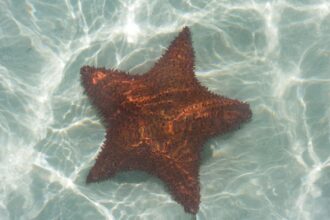
Beyond the icy surface, the seafloor of the Weddell Sea harbors a diverse community of benthic organisms. These include a wide array of invertebrates such as sponges, corals, sea stars, and crustaceans. Many of these species are found nowhere else on Earth and possess unique adaptations for survival in the cold, high-pressure environment of the deep ocean. The vast, relatively undisturbed nature of the Weddell Sea seafloor offers a glimpse into ancient marine ecosystems, providing valuable insights into evolutionary processes.
The recent revelations about the Weddell Sea’s $25 trillion secret have sparked significant interest in the scientific community and beyond. For those looking to delve deeper into this intriguing topic, a related article provides further insights into the potential implications of these findings on global climate change and marine biodiversity. You can read more about it in this comprehensive piece at this link.
Estimating the Untapped Value: The $25 Trillion Figure
The $25 trillion valuation is a complex estimation, not a direct market price, and it encompasses the multifaceted economic and ecological services provided by the Weddell Sea. It reflects the potential but largely unrealized value of its biological resources, its role in global climate regulation, and its untapped potential for scientific discovery. This figure is a product of various assessments that consider factors such as fisheries, pharmaceuticals, tourism, and the intrinsic value of biodiversity.
Potential Fisheries and Aquaculture
The waters of the Weddell Sea are home to significant populations of commercially valuable fish species, as well as the krill that could potentially be harvested. While large-scale fishing in the Weddell Sea is currently limited due to conservation efforts and logistical challenges, the potential for sustainable fisheries exists. Furthermore, the possibility of developing cold-water aquaculture for unique species, if managed responsibly, is also being explored.
The Pharmaceutical Frontier
The extreme conditions of the Weddell Sea have driven the evolution of marine organisms with unique biochemical properties. Many species produce novel compounds that have potential applications in medicine, such as antibiotics, anti-cancer drugs, and anti-inflammatory agents. The untapped reservoir of such compounds represents a significant biotechnological and pharmaceutical value, albeit one requiring extensive research and development.
Carbon Sequestration and Climate Regulation
The Southern Ocean, including the Weddell Sea, plays a critical role in global carbon sequestration. Phytoplankton in these waters absorb vast amounts of atmospheric carbon dioxide during photosynthesis. The ocean’s overturning circulation then transports this carbon to the deep ocean, effectively storing it for centuries. The Weddell Sea’s contribution to this crucial climate regulation service is immense and represents an incalculable, though often overlooked, economic and ecological value.
Scientific Research and Ecotourism
The unique environment and biodiversity of the Weddell Sea make it a prime location for scientific research. Understanding its ecosystems provides crucial data for monitoring climate change, studying marine life adaptations, and exploring new frontiers in biology. Ecotourism, while in its nascent stages and heavily regulated, also represents a potential source of economic activity that relies on the preservation of the sea’s natural beauty and biodiversity.
Challenges to Harnessing the Value
Despite the immense potential, significant challenges hinder the full realization and sustainable utilization of the Weddell Sea’s resources. These challenges are both logistical and ethical, demanding careful consideration and international cooperation.
The Ice Barrier and Logistical Hurdles
The persistent sea ice and the harsh Antarctic climate present formidable logistical challenges for any endeavor within the Weddell Sea. Access for research vessels, fishing fleets, or any form of exploitation is severely restricted for much of the year. The cost of operations in such an environment is also exceptionally high, making many potential ventures economically unfeasible without significant technological advancements or substantial subsidies.
Conservation and International Agreements
The Weddell Sea is part of the Antarctic Treaty System, which designates Antarctica as a continent for peace and science, prohibiting military activity and nuclear testing and encouraging scientific cooperation. The Commission for the Conservation of Antarctic Marine Living Resources (CCAMLR) manages fisheries in the Southern Ocean, with a mandate to ensure that any fishing activity is ecologically sustainable. Balancing potential economic interests with the urgent need for conservation is a delicate and ongoing challenge.
The Specter of Overexploitation
The history of marine resource exploitation globally is replete with examples of overfishing and habitat destruction. The potential for significant economic gain in the Weddell Sea raises concerns about the risk of overexploitation, particularly if precautionary management principles are not rigorously applied. The slow recovery rates of many Antarctic species due to their cold environment and life cycles make them particularly vulnerable to unsustainable harvesting.
Climate Change Impacts
Ironically, the very climate change that the Weddell Sea’s carbon sequestration helps to mitigate also threatens its unique ecosystem. Rising ocean temperatures, ocean acidification, and changes in sea ice extent can have profound impacts on the distribution and abundance of species. Understanding these impacts is crucial for informed management and for preserving the long-term ecological integrity of the region.
The Scientific Imperative: Understanding Before Exploitation
The immense valuation placed on the Weddell Sea’s hidden wealth is, in large part, a testament to how little is still known about its intricate workings. Before any significant exploitation can be contemplated, a far deeper scientific understanding is required. This requires sustained investment in research and monitoring.
Deep-Sea Exploration and Mapping
Much of the Weddell Sea floor remains unexplored and unmapped. Advanced sonar technology, remotely operated vehicles (ROVs), and autonomous underwater vehicles (AUVs) are essential tools for surveying the seafloor, identifying habitats, and cataloging benthic biodiversity. These efforts are crucial for understanding the distribution and abundance of species and for identifying areas that require specific protection.
Biodiversity Surveys and Genetic Research
Comprehensive biodiversity surveys are needed to document the full range of life in the Weddell Sea, from microscopic plankton to large marine mammals. Genetic research can provide insights into population structure, evolutionary history, and the adaptability of species to changing environmental conditions. This foundational knowledge is critical for assessing the impact of any human activity.
Ecosystem Modeling and Impact Assessment
Developing sophisticated ecosystem models is vital for predicting how the Weddell Sea ecosystem might respond to various stressors, including climate change and potential resource extraction. These models can help identify tipping points and inform adaptive management strategies, ensuring that human activities do not push the ecosystem beyond its capacity to recover.
Monitoring and Data Sharing
Continuous monitoring of key environmental parameters and biological indicators is essential for tracking changes in the Weddell Sea. This includes monitoring sea ice conditions, oceanographic properties, krill populations, and the health of predator species. Effective data sharing among research institutions and international bodies is crucial for a holistic understanding and for coordinating conservation efforts.
Recent explorations in the Weddell Sea have unveiled a staggering $25 trillion secret that could reshape our understanding of the region’s resources and ecological significance. This revelation has sparked interest in related topics, such as the geopolitical implications of underwater discoveries. For further insights on this subject, you can read a compelling article on the topic at In the War Room, which delves into the broader consequences of these findings and their potential impact on global politics.
Guardianship and Future Prospects
| Category | Metric |
|---|---|
| Area | Over 1 million square miles |
| Estimated Value | 25 trillion |
| Importance | Rich in biodiversity and marine life |
| Discovery | Recently uncovered by scientists |
The $25 trillion figure serves as a powerful reminder of the Weddell Sea’s immense value, not just in economic terms, but as a vital component of the global ecosystem. The future of this valuation hinges on the global community’s commitment to responsible stewardship.
The Role of Marine Protected Areas
Establishing and effectively managing large-scale marine protected areas (MPAs) within the Weddell Sea is paramount. MPAs can act as refuges, allowing ecosystems to recover and providing baseline data against which the impact of activities in adjacent areas can be measured. They are a critical tool for safeguarding biodiversity and ensuring the long-term health of the marine environment.
Sustainable Resource Management Frameworks
Any future resource utilization must be guided by stringent, science-based sustainable management frameworks. This includes the establishment of scientifically determined quotas for fisheries, rigorous environmental impact assessments for any new industries, and the adoption of precautionary principles that err on the side of caution when uncertainty exists.
International Cooperation and Governance
The Antarctic Treaty System provides a robust framework for international cooperation, and its continued strength is vital for the future of the Weddell Sea. Collaborative research, shared data, and coordinated policy development among nations are essential for effective governance of this remote yet globally significant region.
Public Awareness and Education
Raising public awareness about the ecological importance of the Weddell Sea and the threats it faces is crucial. Informed publics can advocate for stronger conservation policies and support initiatives aimed at protecting this unique environment. Education about the interconnectedness of all life on Earth, from the microscopic algae under the ice to the apex predators, is key to fostering a sense of global responsibility.
The $25 trillion figure, while a provocative number, represents a stark reminder of the vast, unseen wealth sequestered within the Weddell Sea. It is a wealth measured not just in dollars, but in ecological services, scientific potential, and the intrinsic value of a pristine wilderness. Uncovering this secret is an ongoing process, one that demands careful scientific inquiry, ethical consideration, and a global commitment to safeguarding this extraordinary corner of our planet for generations to come. The true value of the Weddell Sea lies not in its immediate exploitation, but in its continued existence as a healthy, vibrant, and scientifically invaluable ecosystem.
FAQs
What is the Weddell Sea $25 trillion secret truth?
The Weddell Sea $25 trillion secret truth refers to the discovery of a massive colony of penguins in the Weddell Sea region of Antarctica. This discovery has significant implications for the global ecosystem and the potential for sustainable fishing in the area.
Why is the discovery of the penguin colony in the Weddell Sea significant?
The discovery of the penguin colony in the Weddell Sea is significant because it indicates a thriving ecosystem in a region that was previously thought to be barren. This has implications for conservation efforts and the understanding of Antarctica’s biodiversity.
How does the $25 trillion value come into play?
The $25 trillion value is attributed to the potential economic value of the Weddell Sea region, including the potential for sustainable fishing and the preservation of the ecosystem. This value is based on estimates of the region’s natural resources and the potential for sustainable development.
What are the potential implications of the discovery for conservation efforts?
The discovery of the penguin colony in the Weddell Sea has the potential to influence conservation efforts in Antarctica, as it highlights the importance of protecting the region’s biodiversity and ecosystem. It may also lead to increased efforts to establish marine protected areas in the Weddell Sea.
How might the discovery impact future research and exploration in the Weddell Sea?
The discovery of the penguin colony in the Weddell Sea is likely to spark increased interest in research and exploration in the region. Scientists and conservationists may seek to further study the ecosystem and biodiversity of the area, as well as the potential for sustainable development and conservation initiatives.